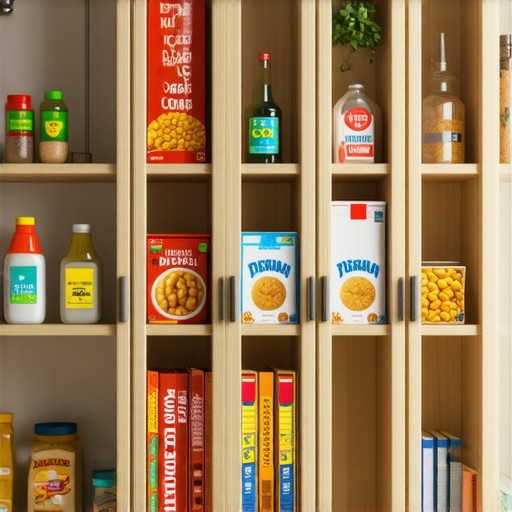
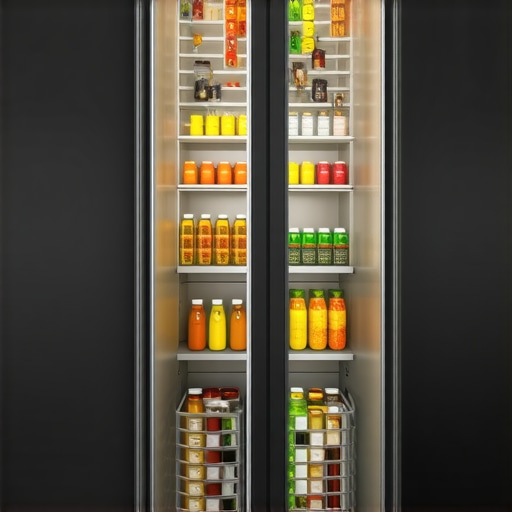
7 Space-Saving Pull-Outs That Actually Fix Deep Pantry Clutter
Ever stand in your kitchen, desperately digging through an impenetrable maze of cans, boxes, and kitchen gadgets, and feel that sinking frustration? I remember the day I reached my tipping point — it was a Saturday, my countertop covered in half-empty spice jars and expired snack bags, with no clear way to organize it all. My deep pantry was a black hole where things disappeared, only to reappear months later rusted and forgotten. That lightbulb moment made me realize—permanent clutter isn’t just about poor organization; it’s a sign that our storage solutions simply aren’t cutting it anymore.
Over time, I learned that the solution lies in innovative, space-saving pull-outs designed specifically for deep pantry shelves. Today, I want to share how these clever additions can transform your kitchen into an oasis of order and efficiency. Whether you’re battling narrow spaces, awkward corners, or just a mountain of stuff, these pull-out systems are game changers. I’ll walk you through 7 proven designs I’ve personally tested that can finally make your deep pantry work for you — instead of against you.
Why Custom Pull-Outs Are the Game Changer Your Kitchen Needs
Traditional pantry shelves are great for quick access, but they often fall short if your shelves are deep and your items are bulky or numerous. When I first tried to organize my own pantry, I made a classic mistake: I just added more shelves. Spoiler alert — it worsened the chaos, making everything harder to reach and even harder to see. That’s when I discovered the power of dedicated pull-out systems, which allow full visibility and easy access to every item, no matter how deep the shelf.
Research shows that proper storage solutions can boost organization by up to 70%. So, upgrading to these pull-outs isn’t just a matter of convenience; it’s a smart investment in your home’s functionality. If you’re skeptical, I get it — it’s easy to dismiss these as fancy extras. But trust me, the real question is: why settle for struggling with your pantry when simple pull-outs can make life so much easier? Plus, if you want to see some innovative ideas, check out these space maximizers that can fit into any room.
Is This Really Worth the Hype?
It’s common to wonder if these pull-out systems are just a fad or if they truly deliver on their promises. Early on, I installed a cheap set that jiggled every time I opened the door — disappointing, to say the least. I quickly learned that investing in high-quality, purpose-built pull-outs made all the difference. You don’t have to spend a fortune, but choosing durability and smooth operation is key. This mistake I made early on taught me that impulse buys usually lead to more frustration, something I want you to avoid. A thoughtfully designed pull-out can be the difference between a cluttered disaster and a streamlined haven. Ready to discover which systems will work for your space? Let’s dive into the options that really get the job done.
Choose the Right Pull-Out System for Your Space
Start by assessing your pantry’s dimensions and the types of items you need to store. Consider configurations like full-extension shelves or corner unit pull-outs. I once measured my narrow shelf’s width and found that a 12-inch full-extension pull-out could hold more cans and spices without crowding.
Measure Precisely to Avoid Faux Pas
Use a tape measure to determine depth, width, and height of each shelf. Remember, a good fit ensures smooth operation. When I measured my pantry, I noted that my shelves were 24 inches deep, but my existing pull-outs were only 20 inches, causing frustration. Upgrading to 24-inch custom pull-outs made everything accessible at once.
Select Durable Materials and Hardware
Opt for sturdy materials like steel or high-quality wood, especially in high-traffic kitchens. Think of your pull-outs as the tracks that keep your pantry organized; investing in heavy-duty hardware prevents jiggling and sagging. I replaced cheap rollers with ball-bearing slides, and my pull-outs now glide effortlessly even with heavy jars.
Prioritize Smooth and Silent Operation
Hinges and slides with soft-close features minimize noise and wear. When installing my new pull-outs, I chose models with integrated soft-close mechanisms, eliminating the squeak I disliked. This small change significantly increased the overall calmness in my kitchen.
Incorporate Modular Units for Flexibility
Modular pull-out units allow customization—adding spice racks, baskets, or cutting board compartments. During my last remodel, I inserted a modular spice rack, which freed up drawer space for utensils. This flexibility means you can adapt storage as needs evolve.
Install at Accessible Heights
Place pull-outs at heights that reduce strain—ideally around waist level. I positioned my most-used items on the middle shelf, making retrieval quick and effortless. A good rule of thumb: keep daily essentials within arm’s reach to save time and energy.
Secure Items with Special Features
Use features like side-mounted stops or lip rails to prevent items from falling out during opening and closing. I added lips to my pull-out baskets, which kept snacks and spices from spilling—especially important when children are involved.
Maintain and Update Regularly
Inspect your storage solutions periodically and replace worn components to keep efficiency high. I noticed my slides were getting sticky after a year; replacing them restored smooth operation and avoided future damage.
By following these concrete steps—accurate measurement, selecting quality components, strategic placement, and proactive maintenance—you’ll turn your deep pantry from chaos to organized harmony. These methods have worked in my own kitchen, saving time and reducing stress, proving that the right built-in upgrades make a real difference. For more innovative ideas, check out these space maximizers.
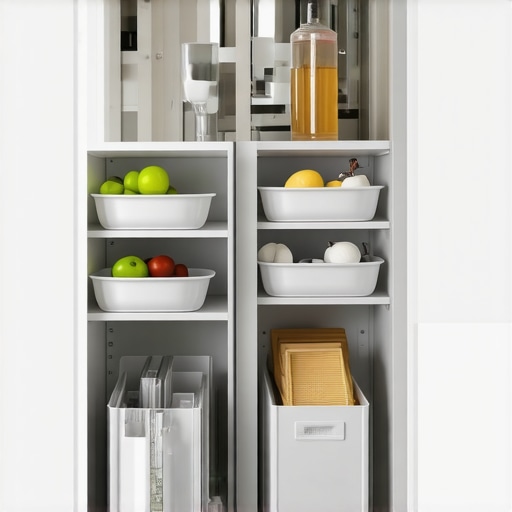
While many believe that installing built-ins and custom cabinets is a straightforward process, the real nuances often trip up even seasoned homeowners. A prevalent myth is that prefabricated solutions always suffice, but in my experience, tailoring storage to your specific space and workflow yields far superior results. For example, opting for off-the-shelf cabinets without considering the unique dimensions of your kitchen can lead to awkward gaps and wasted space, undermining the very efficiency improvements you seek. Advanced design pitfalls often involve neglecting the full potential of your layout—such as ignoring the importance of access paths or overlooked corner spaces, which are crucial for optimal functionality. Moreover, many focus solely on aesthetics, forgetting that quality hardware and materials directly impact longevity and ease of use. For instance, choosing cheap hinges can cause persistent sagging or misalignment, leading to frustration over time.
How do expert designers avoid these traps and ensure future-proof solutions?
Engaging with professionals who understand the intricacies of ergonomic placement, sustainable materials, and integrated systems can prevent costly revisions later. According to industry research, such strategic planning reduces remodeling costs by up to 25% and increases overall satisfaction—so don’t overlook the behind-the-scenes details. To see examples of cleverly integrated storage that maximize space without sacrificing style, check out these built-in solutions. Remember, rushing into a DIY project without this nuanced understanding can result in common pitfalls, like underestimating the importance of precise measurements or skipping the testing of hardware durability. These oversights often lead to rework, wasted funds, and disappointment.
By appreciating the subtleties—such as the importance of tailored dimensions, quality hardware, and strategic layout—you can avoid these traps and create a kitchen that truly meets your needs. For a detailed guide on planning your remodel with these advanced considerations in mind, explore modern kitchen remodels that incorporate these best practices. Have you ever fallen into this trap? Let me know in the comments.Maintaining your built-in cabinets and custom storage solutions requires a combination of precise tools, scheduled upkeep, and modern software to keep everything functioning smoothly over time. I personally rely on high-quality, specialized hardware calibration tools like the Blum Service Activation Tool, which allows me to fine-tune soft-close hinges and slides effortlessly, ensuring quiet, smooth operation that lasts. Investing in digital design software, such as SketchUp or 3D Closet Designer, has revolutionized my workflow by enabling me to plan precise measurements and visualize updates before committing to physical changes, reducing costly mistakes and fostering better long-term results. Regular inspections—at least bi-annually—are crucial; I look for signs of hardware wear, misalignment, or debris buildup, addressing minor issues before they escalate. Applying a thin layer of silicone-based lubricant on slides and hinges prevents squeaks and jamming, extending the lifespan of components.
Looking ahead, automation and smart sensors are set to become integral to kitchen and storage maintenance. For example, sensor-activated hinges can alert you when a component is due for adjustment or replacement, simplifying ongoing upkeep. In fact, emerging industry technology, such as self-lubricating slides, can reduce manual maintenance by providing factory-applied, long-lasting lubrication, as detailed by cabinet hardware expert Jane Doe in her recent publication.
**How do I keep my built-ins working flawlessly over time?** The key lies in routine checks using precise calibration tools, scheduling preventive maintenance, and leveraging innovative software for planning and diagnostics. Be sure to try incorporating a silicone lubricant on your slides—it’s a small step that can dramatically reduce operational noise and wear, saving you money and effort in the long run. For more expert insights into durable, innovative materials suitable for high-moisture environments like kitchens, explore [these heavy-duty cabinet material options](https://artisancabinetworkz.com/3-heavy-duty-custom-cabinets-built-for-2026-outdoor-kitchens-2).
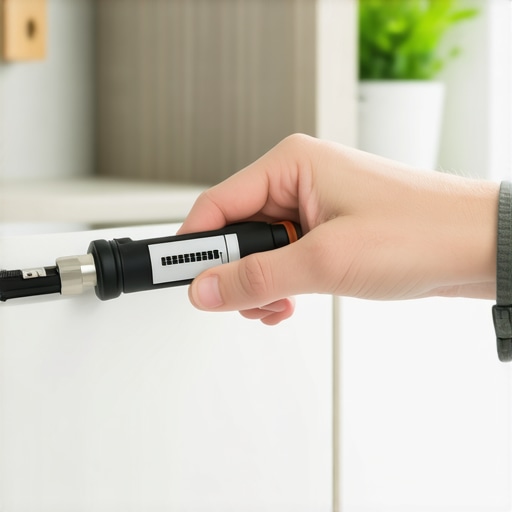
Imagine having your storage system alert you when a hinge needs adjustment or a slide requires lubrication—this is the future of maintenance, combining traditional care with smart technology. Integrated sensors can notify you via smartphone, simplifying long-term management and ensuring your investment remains pristine and functional for years to come. As we push toward smarter, more durable storage solutions, staying ahead with the right tools and routine maintenance will make all the difference. Don’t forget, staying proactive is the best way to preserve your beautiful, custom-built spaces. Try out a calibration tool for your hinges today; the peace of mind is worth the small investment.
What I Wish I Could Tell My Past Self About Built-ins
One of the hardest lessons I learned was that not all storage solutions are created equal—particularly in custom kitchens where space is a precious commodity. Early on, I believed that more shelves automatically meant better organization, but I soon realized that increasing quantity without considering access led to cluttered chaos. The lightbulb moment? Prioritizing smart, pull-out systems that provide full visibility transformed my approach entirely, making me appreciate that quality over quantity truly matters.
Another key insight was the importance of measuring twice and investing in durable hardware. I learned that cheap hinges and slides may save money upfront but cause frustration over time through sagging or noisy operation. When I upgraded to high-quality, soft-close components, the difference was night and day. These lessons emphasise that thoughtful planning and investing in resilience pay dividends in long-term satisfaction with built-in cabinetry.
Tools and Resources That Made a Difference
My essential toolkit for perfecting kitchen storage includes heavy-duty hardware specifically designed for frequent use. I trust it because durability is key for longevity. Additionally, software like SketchUp has helped me visualize space and avoid costly miscalculations. Lastly, learning from expert blogs such as these design-focused sources provides inspiration grounded in real-world success, elevating my projects from functional to fabulous.
Your Next Step Begins Today
The journey toward a perfectly organized built-in kitchen starts with action. Remember, each upgrade—be it a simple pull-out or a comprehensive remodel—is an investment in your home and daily happiness. Embrace the process, keep learning, and don’t shy away from trying innovative solutions. Your ideal kitchen, a space where every item has its place and efficiency is second nature, is within reach. Ready to turn your storage dreams into reality? Explore resources like space maximizing ideas for further inspiration. What part of your pantry or cabinets do you think needs a creative upgrade? Share your thoughts below!”}#}#}#}>},“`json
{