How to Choose the Right White Paint for Your Kitchen
I stood there, paintbrush in hand, feeling like a complete failure. I had spent forty-eight hours and a small fortune on what I thought was the perfect, crisp white for my new custom cabinets. But as the afternoon sun hit the island, my ‘pristine’ kitchen started looking like a hospital hallway from the 1970s. It was cold, blue, and sterile. I realized then that white isn’t just one color; it’s a chameleon that picks up every reflection from your floor, your trees outside, and even your neighbor’s red car. If you are currently staring at twenty different swatches taped to your wall, I feel your pain. I’ve been there, and I’ve made the expensive mistakes so you don’t have to. Today, I’m going to show you exactly how to pick a white that stays white, no matter what the sun is doing.
Why Your White Paint Looks Yellow the Moment You Finish
It’s a gut-punch when you realize your white cabinets are turning yellow, but often the ‘yellowing’ isn’t age—it’s the undertone you chose. Most people grab a bucket of a warm white and assume it’ll be cozy. Instead, they get a kitchen that looks like a heavy smoker lived there for a decade. Early in my DIY journey, I made the mistake of thinking standard interior paint was fine for kitchen woodwork. It wasn’t. The oils and heat in a kitchen are brutal. You also need to consider the wood species for your painted cabinets because grain bleed-through can ruin that ‘clean’ look before the second coat is even dry. According to color science experts at Sherwin-Williams, white paints often have a Light Reflectance Value (LRV) above 80, meaning they act like a mirror for every other color in the room. If you have warm oak floors, a ‘cool’ white will fight them until the room feels chaotic. Have you ever picked a color that looked perfect in the store but hideous in your actual house?
Is white paint actually worth all this stress?
You might be wondering if it’s easier to just go with a navy blue or a safe gray. I get it. The fear of ‘getting it wrong’ with white is real because there is nowhere to hide. But when you get it right, it transforms a cramped space into something airy and expensive-looking. The secret isn’t in the brand; it’s in the science of undertones. We’re going to dive into how to balance those tricky pigments so your modern kitchen remodel feels intentional, not accidental. It all starts with understanding your light source.
First, grab a compass or use the app on your phone. You need to know exactly which direction your kitchen windows face because the sun is your biggest enemy—and your best friend. In a North-facing kitchen, the light is naturally blue and flat. If you pick a ‘cool’ white with blue or gray undertones here, your modern kitchen remodel will feel like a walk-in freezer. I once ignored this rule for a project in a house with massive North-facing windows. I chose a crisp, gallery white, and by late afternoon, the cabinets looked like they were glowing neon blue. We had to pivot to a warm, creamy white just to make the room feel human again. If you have South-facing windows, you have the opposite problem; the warm, golden light is like an Instagram filter that will turn a ‘creamy’ white into a muddy yellow mess. For those rooms, you need a white with a subtle gray or blue base to counteract the sun’s warmth.
Determine Which Way Your Windows Face
Most homeowners assume they can just pick a white from a swatch under the fluorescent lights of a big-box store. That is a recipe for disaster. Think of light as a moving target. The morning sun is cool, the midday sun is harsh and neutral, and the evening ‘golden hour’ is intensely warm. This is why white paint is a chameleon. If you are investing in custom cabinet ideas, you have to treat the color selection process like a science experiment. You aren’t just looking for a color you like; you are looking for a color that survives the light cycles of your specific house.
Stop Painting Directly on the Wall
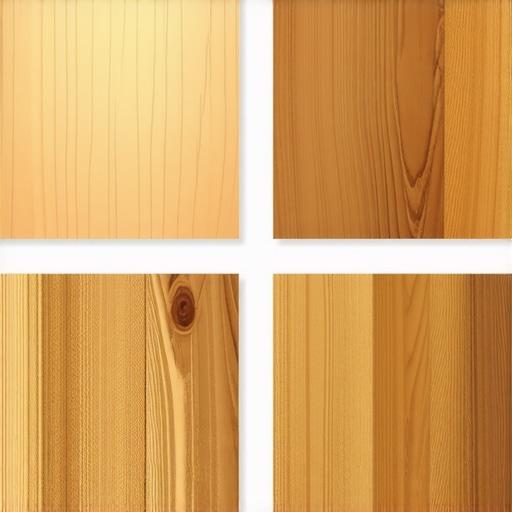
Next, stop painting tiny swatches directly on your old cabinets or walls. This is the fastest way to make a mistake. The old color—especially if it’s a dark wood or a dated beige—will bleed through visually and distort your perception of the new white. Instead, get some 2-foot by 2-foot pieces of MDF or plywood. This is where the best wood species for painted cabinets come into play, as you want a smooth surface that mimics your final product. Paint these boards with two coats of your finalists. This gives you a portable tool you can move around the room. I’ve seen homeowners save thousands just by realizing a color looked great next to the fridge but terrible next to the stove. By moving the board, you can see how it reacts to shadows in the corners versus the direct blast of light on the island.
Run the Three-Time-of-Day Test
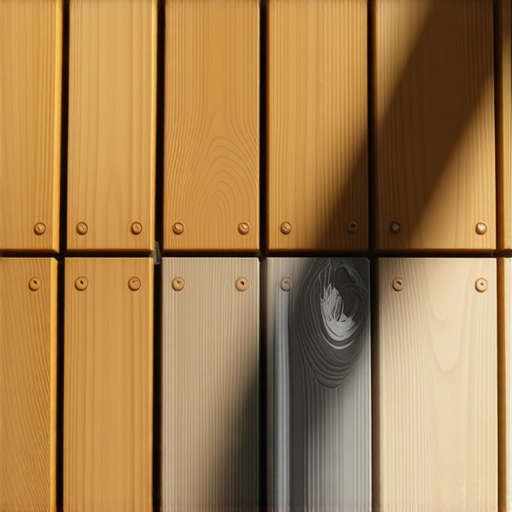
The final step in execution is the three-time-of-day test. You cannot pick a color at 2 PM and call it a day. Check your sample boards at 8 AM, noon, and 8 PM with the artificial lights on. Many people forget that their indoor LED bulbs have a ‘color temperature’ too. You don’t want your cabinets ruined by a 5000K bulb that makes your ‘warm white’ look like a sterile laboratory. Before you even open the paint can, ensure you’ve followed the proper way to prep Indianapolis kitchen cabinets, because even the perfect color won’t save a poor finish. Also, remember that the one paint finish that makes small kitchen cabinets feel significantly larger is often a satin or semi-gloss, which reflects light differently than a flat paper swatch from the store.
The Myth of Maximizing Every Square Inch
The most common advice you will hear when planning custom cabinets is to fill every available gap with a cupboard or a drawer. In my experience, this is the quickest way to make a $50,000 renovation feel like a cluttered closet. A truly modern kitchen remodel needs ‘negative space’ to breathe. I have seen homeowners insist on a wall of floor-to-ceiling pantries only to realize they no longer have enough counter space to actually chop a carrot. The secret isn’t more cabinets; it’s smarter ones. For instance, innovative storage solutions for modern kitchen remodels such as localized ‘zones’—a dedicated coffee station or a dedicated baking zone with lower counters—work far better than generic shelving. Research by the National Kitchen & Bath Association (NKBA) supports the shift toward ‘Task-Based Zoning’ rather than the traditional, rigid work triangle, as it allows multiple cooks to operate without bumping elbows. If you try to over-engineer every inch, you often end up with ‘dead corners’ that even an expensive pull-out can’t fully rescue.
The Heat and Trash Trap You Must Avoid
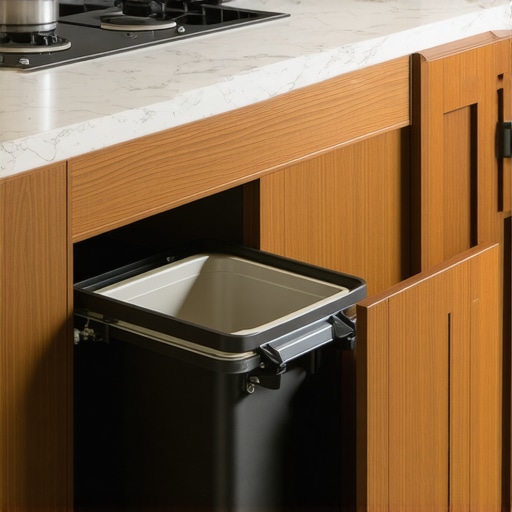
Here is an ‘oops’ factor that almost every rookie designer misses: the placement of your waste management. It seems logical to put the trash near the sink and the prep area, but why your garbage pull-out should never be next to the oven is a lesson in thermodynamics. When your oven is running at 400 degrees, that heat transfers through the cabinet box. If your trash is right there, you are essentially slow-cooking your garbage, leading to odors that no ‘fresh scent’ bag can mask. Beyond smells, the heat can cause the wood to expand and contract excessively, leading to those frustrating moments where you wonder why your drawer fronts are crooked. I always recommend a buffer cabinet—perhaps for cookie sheets—or at least a high-grade insulation strip between the range and any organic storage. This is the difference between a kitchen that looks good on day one and one that still smells fresh and functions on day one thousand.
Why do your expensive cabinet doors keep sagging?
You’ve spent a fortune on custom cabinets as a game-changer for your home, yet six months later, the reveals aren’t level. This usually isn’t the hinges—it’s the box construction. The Architectural Woodwork Institute (AWI) notes that the structural integrity of a cabinet depends entirely on the joinery of the carcass. Many ‘custom’ shops actually just use simple butt joints with nails to save time, but for true longevity, why your cabinet boxes should be stapled, glued, and screwed is the expert standard. If the box shifts even a fraction of an inch under the weight of a heavy stone countertop, your doors will never hang straight no matter how much you fiddle with the adjustment screws. Have you ever fallen into this trap of prioritizing the ‘pretty’ exterior while ignoring the structural ‘bones’ of the cabinetry? Let me know in the comments.
Once you’ve successfully navigated the maze of undertones and light sources, the real challenge begins: keeping that pristine finish actually pristine. I’ve seen homeowners invest in a modern kitchen remodel only to ruin their white cabinets within six months by using the wrong cleaning agents. White paint, especially on custom cabinets, is a high-performance coating, not a generic wall surface. If you use ammonia-based cleaners or abrasive pads, you are essentially micro-scratching the clear coat, which creates little valleys where grease and dust settle. This is exactly the real reason your white painted cabinets are turning yellow or gray over time. I always tell my clients that maintenance starts before the paint is even dry; you need to understand that why your Indianapolis kitchen cabinet paint quote includes a mandatory de-greasing step is because oils are the enemy of adhesion and color stability.
Don’t Use Windex on Your Custom Paint Job
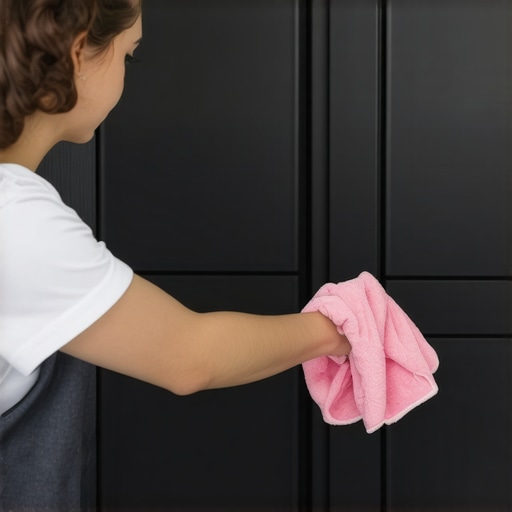
It’s tempting to grab the blue spray for everything, but for high-end cabinetry, it’s a death sentence. To protect your custom cabinets as a game-changer in your home, stick to a simple mixture of warm water and a drop of Dawn dish soap. Why? Because it’s pH neutral. According to technical documentation from Blum, the industry leader in functional hardware, the chemicals in many household cleaners can actually accelerate the corrosion of hinge platings and degrade the soft-close mechanisms if they mist onto the hardware. I’ve seen beautiful innovative storage solutions fail prematurely simply because the homeowner was too aggressive with a scrub brush. If you have a stubborn spill, treat it like a luxury car finish—gentle circular motions with a microfiber cloth only.
How do I keep my custom cabinets from falling apart after five years?
The secret to longevity isn’t just cleaning; it’s calibration. As your house settles and the seasons change, your wood will move. I personally recommend checking your hinge adjustments twice a year—once when the heat goes on and once when it goes off. Knowing how to adjust European hinges for a perfect door reveal is a skill that takes ten minutes to learn but saves your doors from rubbing and chipping the paint. If you ignore a sagging door, that tiny rub on the frame will eventually eat through the primer, exposing the wood to moisture. This is especially vital for smart storage solutions for small kitchens where tolerances are tight and every millimeter counts.
My Secret Weapon for Perfect Hardware Alignment
If you are DIY-ing any part of your installation, please stop trying to measure every knob with a tape measure. You will fail. I use a dedicated aluminum hardware jig for every single project. It’s the one tool you need for perfectly aligned cabinet knobs every time because it eliminates human error. When you have thirty doors to drill, even a 1/16th-inch mistake is glaringly obvious against a white background. Looking ahead, I predict we will see a massive shift toward ‘invisible’ hardware, utilizing things like how to install a hidden magnetic catch for touch to open doors. The tech is getting so reliable that the aesthetic of a completely flat, white slab door without a single handle is becoming the gold standard for high-end custom cabinet ideas. Before you commit to traditional pulls, try one magnetic touch-latch on a pantry door; it might just change how you think about your entire kitchen layout.
What I’ve Learned from a Decade of White Paint Mistakes
If there is one thing my years in the workshop have taught me, it’s that perfection is a moving target. When you are looking for custom cabinets ideas that transform your homes style, you aren’t just buying furniture; you are investing in the background of your life. One lightbulb moment I had early on was realizing that the ‘texture’ of your white matters as much as the shade. A flat white looks like paper, but a soft satin finish has a depth that makes the wood feel alive. Another lesson? Don’t be afraid of a little contrast. Even in an all-white kitchen, a dark floor or a wood-toned island provides the visual anchor that keeps the room from floating away. Finally, remember that the most beautiful doors in the world won’t stay level if the foundation is weak, which is why your cabinet boxes should be stapled, glued, and screwed for maximum durability.
A Few Essentials to Keep in Your Back Pocket
To pull off a high-end look without the high-end headache, I recommend curating a small toolkit of resources. First, look into the NKBA Kitchen Planning Guidelines; it is the industry bible for ensuring your layout isn’t just pretty, but functional. For maintenance, forget the chemical sprays and invest in a bulk pack of high-gsm microfiber cloths; they are the only things that should touch your custom finish. I also highly suggest keeping a small ‘touch-up kit’ from your manufacturer in a climate-controlled spot, not the garage. Having the exact paint match on hand for the inevitable holiday-party-clink of a pot against a drawer is a lifesaver. If you’re still feeling overwhelmed by the technical details, feel free to contact us to walk through your specific floor plan.
The Future of Your Kitchen Begins with a Single Swatch
Taking the leap into a full modern kitchen remodel is an act of bravery. It’s about more than just storage; it’s about creating a space where you actually want to spend your mornings. Whether you are dealing with a massive open-concept home or looking for smart storage solutions for small kitchens in 2025, the principles of light, construction, and care remain the same. You now have the science of undertones and the secrets of structural integrity at your disposal. Don’t let the fear of a ‘hospital blue’ white hold you back anymore—you know exactly how to test it, how to build it, and how to keep it beautiful for decades to come. Have you ever picked a paint color that looked completely different once it was on the cabinets? Let me know in the comments below!