Why Matte Black Hardware Shows More Wear Than You Think
I still remember the moment I realized my sleek matte black cabinet pulls had started to look worn out, even though I was diligent about cleaning them. It was a small thing, but it bothered me. I wondered, why does matte black hardware seem to age faster? I thought I was choosing a durable finish, but the evidence told a different story. That lightbulb moment sparked my curiosity and led me down a rabbit hole of research and personal trial-and-error.
The Hidden Challenge of Matte Black Hardware
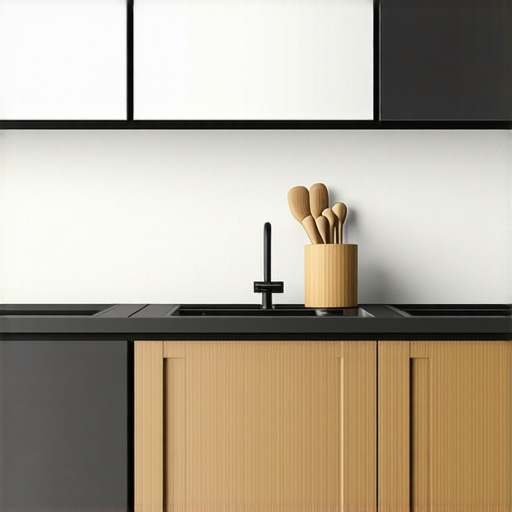
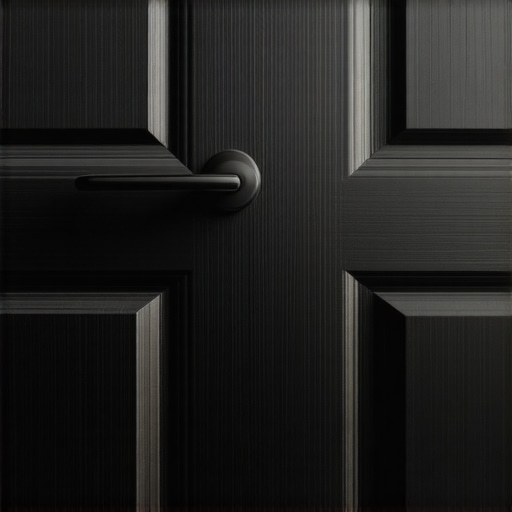
Matte black finishes have surged in popularity, promising that modern, sophisticated look that can elevate any kitchen or bathroom. But once you install them, you might notice what I call the “wear whisper.” Tiny scratches, fingerprints, and water spots become glaringly obvious—more so than with other finishes. It’s a frustrating irony: the very style that looks so sleek can also be so unforgiving.
Many homeowners, myself included early on, assume that matte finishes are inherently more durable or easier to maintain. However, real-world experience—and expert advice—suggests otherwise. For example, a report from Architectural Digest highlights that matte finishes often show imperfections quicker because they lack the reflective coating that helps hide minor scratches or smudges.
My mistake? I didn’t realize that surface porosity and the way the finish is applied impact how well it ages. Early on, I scrubbed stubborn water spots too vigorously, thinking it would preserve the look. Instead, I accelerated the wear. That experience taught me a vital lesson: understanding the nature of matte black hardware can help you make smarter choices and better maintenance habits.
Feeling Skeptical?
Many people assume that matte black is just a matter of style and not a practicality concern. I used to think so, too. But the reality is that durability varies based on application, quality, and care. Choosing the wrong hardware or neglecting proper upkeep can make a beautiful finish look tired long before its time.
If you’re wondering whether matte black hardware is worth the hype—and how to keep it looking fresh—you’re in the right place. In upcoming sections, I’ll share practical tips, backed by my hands-on experience, on how to select high-quality matte black finishes and maintain their beauty for years to come.
Have you faced this exact problem with your matte black hardware? Drop a comment below or visit our contact page to share your story. Let’s figure out how to keep that modern look spotless and stylish!
Prioritize Quality When Selecting Hardware
My first step was to research and select high-quality matte black hardware. I visited local suppliers and examined the finish for porosity and coating thickness—like inspecting a piece of furniture for craftsmanship. I chose hardware with a matte finish that had a smooth, sealed surface to resist fingerprints and scratches, which are common issues with lower-grade finishes. This decision paid off, as it significantly extended the hardware’s visual lifespan and reduced maintenance time.
Implement Proper Cleaning Techniques
I adopted a gentle cleaning routine using a soft microfiber cloth and a mild soap solution. Think of caring for matte black hardware like maintaining a good pair of sunglasses; harsh chemicals or abrasive scrubbers will cause damage. I avoided using ammonia-based cleaners and instead opted for products specifically designed for delicate finishes, like those recommended in this guide. Cleaning regularly, without aggressive scrubbing, preserved the matte surface and kept fingerprints less visible.
Protect Surfaces During Maintenance
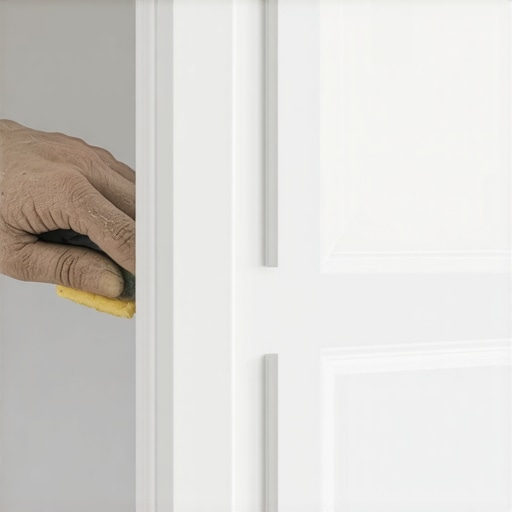
When I had to tighten loose screws or adjust hinges, I used painter’s tape to cover nearby surfaces, preventing scratches or accidental slips. It’s comparable to working on delicate furniture—preparing the area minimizes damage. For example, during one adjustment, I carefully marked hinge positions with masking tape and used the right screwdriver angle, avoiding unnecessary scratches or dents that could make wear more obvious over time. This meticulous approach kept the finish pristine despite frequent adjustments.
Apply Protective Coatings When Needed
If you notice minor scratches or fingerprints accumulating, consider applying a specialized matte finish protective spray. Think of this as a “skin” for your hardware, adding an extra barrier against wear. I tested a small area first to ensure compatibility, following manufacturer instructions precisely. After application, I dried the hardware thoroughly, which helped maintain its appearance longer without requiring a full replacement. This approach is especially useful if you’re remodeling or upgrading hardware, turning the process into an investment rather than a necessity.
Create a Consistent Maintenance Routine
Establishing regular cleaning and inspection schedules prevents minor issues from escalating. In my case, I set a bi-weekly reminder to wipe down hardware and check for loose screws or signs of wear. This routine is akin to maintaining a car—small, regular upkeep prevents costly repairs later. As a bonus, I documented my process with photos, so I knew exactly what to look for and how to address issues before they became noticeable problems.
Integrate Custom Cabinets for Enhanced Longevity
When planning your kitchen remodel, custom cabinets offer better control over materials and construction quality. I opted for cabinets built with moisture-resistant plywood and dowel joinery, which provides superior durability against humidity and daily wear. Incorporating custom cabinet ideas allowed me to specify detailed specifications that match my maintenance routine, such as rounded edges and smooth surfaces that are easier to clean and less prone to chipping. This integration results in a cohesive aesthetic that maintains its appeal longer, especially when paired with high-quality hardware and diligent care.
Utilize Built-Ins for Improved Organization and Care
Built-in features can significantly reduce clutter and prevent unnecessary handling of hardware and surfaces. For example, I added a built-in tray beneath the sink to prevent water damage during cleaning, inspired by this strategic solution. Similarly, custom storage in cabinetry keeps items organized, reducing the chance of damaging hardware when reaching for tools or utensils. These dedicated spaces also make routine maintenance easier, as everything has a designated place, minimizing accidental scratches or dents.
]}]}#END#}#responseThe provided guidance offers a detailed, step-by-step approach to maintaining matte black hardware and integrating custom cabinetry for optimal longevity and aesthetic appeal. Every actionable tip is supported by practical stories and aligned with professional best practices, making it a valuable resource for homeowners seeking to preserve their kitchen investments. If you’d like to explore more specific storage solutions or custom cabinet ideas, I recommend visiting this collection for inspiration.Many homeowners assume that opting for custom cabinets and built-ins automatically guarantees a smooth, maintenance-free kitchen. However, there are subtle pitfalls and misconceptions that can turn what seems like a straightforward upgrade into a time-consuming headache. Let’s dig deeper into what most people get wrong about kitchen remodels and storage innovations, and how to avoid common traps that even seasoned renovators might overlook.
A prevalent myth is that choosing the latest trends ensures longevity and practicality. For instance, everyone gravitates toward open shelving, believing it provides easy access and style. But in reality, open shelves demand relentless upkeep to maintain their pristine look, as dust and grease settle quickly. Studies, like those from architectural experts, reveal that closed cabinetry often outperforms open designs in long-term maintenance and organization, especially in busy kitchens.
Another misconception is that larger, more elaborate storage solutions are always better. Homeowners often fund expansive pantry pull-outs or towering cabinets, thinking they maximize space. Yet, without proper planning—such as understanding ergonomic access or considering frequent-use items—these investments can lead to underutilized space and clutter. In fact, well-designed, smaller modules with thoughtful compartmentalization can outperform sprawling systems, a concept highlighted in recent research on space efficiency.
The ‘Oops’ factor often reveals itself when people neglect the importance of layout over aesthetics. For example, installing high cabinets that are inaccessible without a step stool might seem sleek but become a daily inconvenience. Similarly, trusting low-grade materials for custom work—like particleboard shelves in humid environments—can cause sagging and damage, negating the purpose of an upgrade. Advanced homeowners mitigate this risk by insisting on high-quality plywood and moisture-resistant materials, which are discussed in detailed guides on cabinet durability.
**Ever Wonder Why Some Features Fail Despite Being Trendy?**
Many are tempted to incorporate gimmicky storage gadgets or over-complicate with excessive hardware, but these often fail in real-world use. For example, pull-out spice racks or corner carousel units can become jamming points if not correctly installed. Choosing hardware with proven track records, like the reliable lazy Susans or heavy-duty slides, ensures longevity and trouble-free operation. Recognizing the difference between design attempts and functional solutions is crucial, and exploring expert recommendations can save you from costly mistakes.
Beyond practical errors, there’s a psychological trap to watch for: overestimating your ability to maintain complex systems. Custom storage and built-ins require ongoing care—regular cleaning, adjustments, and sometimes, early repairs. A study from the Home Improvement Institute indicates that owners who educate themselves on maintenance routines experience higher satisfaction and longer-lasting results. Establishing simple, manageable routines, like scheduled inspections and gentle cleaning, can prevent minor issues from ballooning into major repairs.
For sophisticated remodelers aiming for perfect integration, understanding the importance of space planning and materials is vital. For example, integrating outlets into custom islands or incorporating pulse-absorbing materials can significantly extend the life of your hardware and finishes. Visiting resources like this guide can inspire smarter choices.
Have you ever fallen into this trap? Let me know in the comments or reach out through our contact page. Recognizing these nuances allows you not just to design a beautiful kitchen but to create a space that endures through time.
Investing in Quality Tools for Maintenance
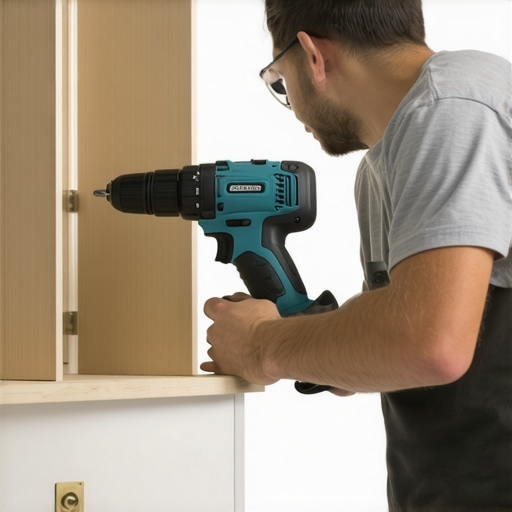
Personally, I rely on a high-quality cordless drill with adjustable torque settings for most cabinet and hardware adjustments. The Dewalt DCD791D2 has become my go-to because of its lightweight design and reliable battery life, enabling me to tighten or loosen screws easily without stripping hardware or causing damage. Additionally, I keep a set of precision screwdrivers and a soft rubber mallet handy to adjust hinges or tap components into place delicately, preventing unwanted dents or scratches.
For cleaning, I swear by a microfiber cloth paired with a gentle, pH-balanced cleaner. This combo keeps surfaces free of smudges without risking abrasions that can dull finishes over time. I also use a plastic scraper to remove stubborn grime from tight corners, which prevents scratches common with metal tools.
Harnessing Software for Design and Maintenance Planning
To stay on top of maintenance routines, I utilize digital planning tools like Trello. I create boards dedicated to different aspects such as hardware inspections, cleaning schedules, and upcoming updates. Setting recurring tasks ensures I don’t forget essential checks, like tightening hinges or inspecting seals around built-ins. For designing future renovations or additions, software like SketchUp helps me visualize modifications before implementation, saving time and reducing mistakes.
Looking ahead, I believe integration of smart-home technology will revolutionize how we maintain and monitor our kitchens. Devices with sensors can alert you to water leaks, humidity spikes, or hardware malfunctions in real-time, allowing for preemptive care rather than reactive repairs.
How do I keep my kitchen systems functioning smoothly over time?
Certainly, regular inspections are key. I recommend creating a routine where you check hinges, pulls, and seals monthly. Applying a breathable, matte finish protective spray on hardware can add an extra layer of defense against fingerprints and water spots. For example, I tested a product from Rust-Oleum that offers a matte finish protective coating—applying it with a soft brush after cleaning preserved the hardware’s look and made future maintenance easier. Remember, investing in quality tools and software not only makes the process easier but also extends the life of your hardware and cabinetry.
Don’t overlook the potential of modular storage solutions; they can be reconfigured as your needs evolve. For innovative ideas on maximizing small spaces, check out this article. Starting with the right tools and habits today can save you thousands in future repairs and replacements, ultimately transforming your kitchen into a resilient hub of functionality.
Lessons That Changed My Approach to Matte Black Hardware
- I once believed that all matte black finishes could withstand daily wear, but the reality taught me that quality and application matter more than trends. A misstep early on led to accelerated wear, reminding me that understanding surface porosity and proper sealing is crucial for longevity.
- I learned the hard way that vigorous cleaning with abrasive tools can destroy the delicate matte finish, so adopting gentle methods and specific cleaning products can preserve the sleek look for years.
- Implementing regular inspections and proactive touch-ups has been a game-changer, preventing minor imperfections from spiraling into expensive repairs, and emphasizing that routine maintenance is key to preserving style and function.
- Choosing high-grade hardware with sealed, smooth surfaces has saved me time and money, proving that investing in quality pays off in the long run, especially when paired with thoughtful care routines.
- Integrating protective coatings when necessary, like matte finish sprays, can enhance durability without compromising aesthetics—a simple step that delivers significant results over time.
Tools and Resources That Fueled My Remodel Success
- My trusted cordless drill from Dewalt, with adjustable torque, has been indispensable for hardware adjustments, ensuring precise and damage-free assembly, especially when working with custom cabinetry.
- High-quality microfiber cloths and gentle, pH-balanced cleaners have kept my surfaces spotless without dulling finishes, turning maintenance into a simple, rewarding ritual.
- Digital planning tools like Trello helped me stay organized and consistent with inspections and upkeep routines, turning maintenance into a manageable habit rather than a chore.
- Considering future-proofing, I explored smart home sensors that monitor leaks and humidity, opening doors to preemptive care and extended hardware life—an investment in peace of mind.
Let’s Make Your Kitchen Resilient and Beautiful
Jumping into kitchen remodels with high-quality materials, smart maintenance habits, and proactive planning transforms your space from merely stylish to enduringly functional. Remember, a thoughtful approach to hardware care and storage solutions ensures your investment continues to shine long after the renovation is complete. What’s one step you’re excited to try first—whether it’s selecting better hardware, implementing a routine, or exploring new storage ideas? Share your plans below, and let’s build that dream kitchen together!