How to Tell if Your Cabinet Maker Is Using Low-Grade Plywood
It was during a kitchen remodel that I had a frustrating lightbulb moment. I opened a cabinet door, expecting the sturdy feel I’d heard so much about. Instead, I was met with a creak, a wobble, and the sinking feeling that I’d been duped by what looked like premium craftsmanship. That moment made me realize something crucial: not all plywood is created equal, and spotting low-grade materials can save you from costly mistakes.
Because Your Kitchen Deserves More Than Just a Stylish Facade
Choosing the right materials for your custom cabinets isn’t just about appearances. It influences their longevity, safety, and your overall satisfaction. I learned this the hard way when I discovered my cabinet frames were made from subpar plywood that warped and sagged within a few years. It’s a mistake I want you to avoid. Today, I’ll share how to recognize low-quality plywood and ensure your investment pays off. If you’ve ever wondered whether your cabinets are built to last, this guide is for you.
Are Looks Deceiving? How to Spot Fake Quality in Plywood
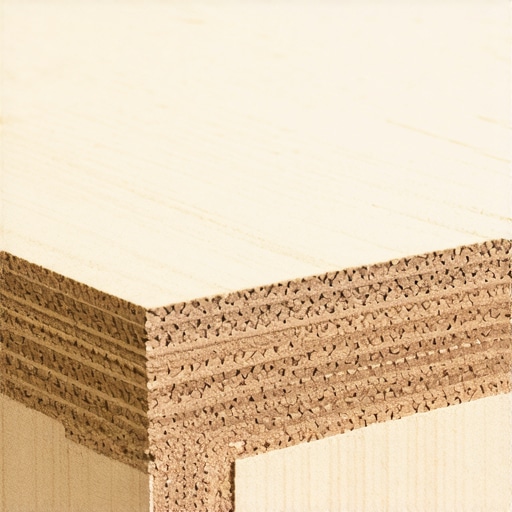
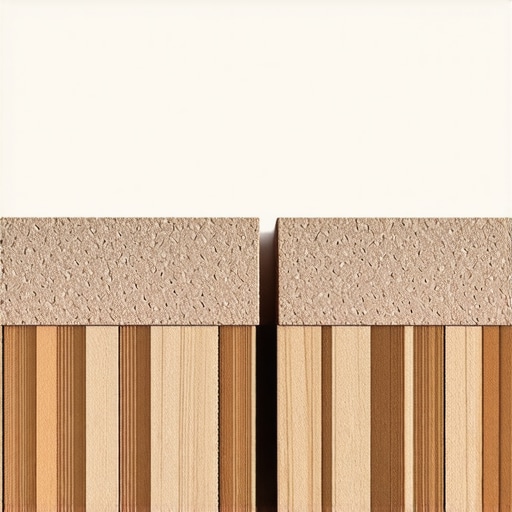
Early in my project, I made the assumption that all plywood with a nice veneer looked solid. That was a mistake. Genuine high-quality plywood should be consistent in color and grain throughout, with no visible gaps or voids. A quick test I recommend is examining the edges; low-grade plywood often shows layers or uneven layering. For a more detailed assessment, check out this proven plywood test. It helps you distinguish the sturdy from the flimsy before committing your hard-earned money. Just because a cabinet looks beautiful on the outside doesn’t mean it’s built to last. Trust me, this oversight cost me more than I care to admit, and it’s an easy mistake to repeat if you’re not vigilant.
Now that I’ve set the stage, let’s dig into practical ways to keep your cabinets from becoming a cheap knockoff. Whether you’re planning a major remodel or just replacing a few units, knowing the difference can make all the difference in long-term durability and safety.
,
Inspect Like a Pro: How to Evaluate Plywood Quality
Start by examining the edges of the plywood panel; good-quality sheets will reveal consistent layers, with no visible gaps or voids, much like inspecting the layers of a well-made sandwich. When I replaced my kitchen cabinets, I took a magnifying glass to the edges and was surprised to find some cheaper plywood with uneven, crumbly layers—this was a clear sign to steer clear. Remember, the core consistency mirrors durability, so invest time in this step. For a quick reference, check out this detailed plywood test to make smarter choices during your remodel.
Test the Veneer: Look Beyond the Surface
Genuine high-end plywood should have a veneer that is uniform in color and grain, without patches or inconsistencies that hint at filler or lower-grade material underneath. I once visited a supplier where the veneer looked perfect at first glance, but upon closer inspection, I noticed a slight difference in color in certain areas—red flags for me. To avoid ending up with warped or peeling veneer, always peel back a corner or examine the edges. This simple step saved me from installing cabinets that started to warp within two years, saving time and money in the long run.
Ask About the Layers and Composition
A quick way to distinguish quality is to ask the supplier about the number of layers. Thicker, higher-quality plywood typically has more layers—around five or seven—making it less prone to warping. In my project, I requested layered samples and stacked them to compare flexibility; the thicker, more layered panels maintained their shape under pressure. These small tests provide immediate insights into durability, much like testing the strength of a rope before pulling a load, ensuring your cabinets withstand everyday use.
Consider the Finish and Sealant
High-quality plywood often features a sealed or veneered surface that resists moisture and stains. During my remodel, I opted for plywood with a water-resistant veneer, which proved invaluable when accidental spills occurred. To verify, gently press on the surface—if it feels tacky or sticky, it might be coated with a protective finish that boosts longevity. This extra layer prevents warping and delamination, especially in humid kitchens or bathrooms. For more tips on selecting durable finishes, visit this guide on cabinet finishes.
Choose Suppliers Who Provide Certification
Ask for documentation like CARB (California Air Resources Board) compliance or FSC (Forest Stewardship Council) certification. It’s a safeguard that the plywood meets industry standards for safety and sustainability. I made sure to select a supplier with proper certification, which gave me peace of mind about the environmental impact and indoor air quality. When your supplier can provide clear documentation, you’re not just buying a material—you’re investing in peace of mind.
Remember, taking these steps is akin to vetting the foundation of a house—use the best materials from the start to avoid costly repairs later. The quality of your plywood directly influences how long your custom cabinets will last, how well they perform, and how satisfying your remodel will be in the years to come. Always prioritize these concrete evaluations over appearances alone to ensure a durable, beautiful, and lasting kitchen upgrade.
 When diving into the world of custom cabinets and built-ins, many homeowners fall prey to misconceptions that can sabotage their renovation goals. A prevalent myth is that all built-in storage is equal, but in reality, nuanced differences in design and execution can significantly impact functionality and longevity. For example, some believe that maximizing cabinet depth always means better storage, but over-penetration can hinder accessibility and lead to structural issues. Advanced homeowners know that thoughtful vertical division and specialized hardware can drastically improve usability, as discussed in our detailed guides on space optimization. Moreover, a common mistake is overlooking the importance of integrating electrical outlets seamlessly into cabinetry, which is crucial in modern kitchens. Neglecting this detail can result in cluttered counters and inefficient workflows. Experts emphasize that understanding the complex nuances of material quality, hardware durability, and workspace ergonomics is essential for a successful remodel. For instance, choosing the right hinge and slide mechanisms can prevent sagging and ensure smooth operation over years of use, as highlighted in this resource. Additionally, many assume that customization significantly inflates costs, but savvy selection of materials and designers can yield high-end results within reasonable budgets. Recognizing the importance of precise measurements and bespoke detailing helps avoid the all-too-common mistake of ill-fitting components that compromise aesthetics and function. An advanced tip involves considering the future-proofing of your design—integrating smart storage solutions that can adapt as your needs evolve, which is thoroughly covered in this article. The key is to challenge these misconceptions with a critical eye and focus on the nuanced aspects of design, materials, and functional thinking. Your remodel’s success hinges on understanding that behind every beautiful cabinet lies a foundation of expert choices and meticulous planning. Remember, skipping these details can lead to costly regrets or subpar results. Are you prepared to look beyond the surface? Have you ever fallen into this trap? Let me know in the comments.
How do I keep my built-ins working smoothly over time?
Maintaining custom cabinetry and storage solutions requires more than just regular dusting. It involves using precision tools and adopting specific methods to ensure longevity and functionality. One of my go-to tools is a high-quality cordless screwdriver with adjustable torque settings, which allows me to tighten or loosen hinges and hardware without risking over-driving screws or damaging cabinet surfaces. I personally prefer the DeWalt DCD791D2 because of its balance between power and control, making routine adjustments quick and effortless.
Another essential is a calibrated level or a laser line generator; I use the Bosch GLL 3-80 for its accuracy in aligning doors and shelves during installation and maintenance, ensuring everything stays perfectly level over the years. Proper alignment not only maintains aesthetic appeal but also prevents uneven wear and mechanical failure.
For cleaning delicate surfaces and hardware, I recommend soft microfiber cloths combined with gentle, non-abrasive cleaners like those from Microfiber Tech. Using the right cleaning tools prevents buildup of grime and preserves finishes, especially with matte or textured finishes that are prone to showing fingerprints and smudges, as discussed in this guide.
Tools are only part of the equation. Developing a routine for regular inspections—checking for loose hinges, misaligned doors, or sticky slides—is vital. Keeping a dedicated maintenance kit stocked with spare hardware, a mini screwdriver set, lubricants like silicone spray, and cleaning cloths ensures you’re prepared for those small issues before they escalate.
Looking ahead, I predict that smart maintenance technology will gain prominence, with apps and sensors that notify you when hardware needs attention. Still, for now, investing in the right manual tools and establishing a routine can save you from costly repairs and keep your cabinets functioning beautifully for years.
Would you like to know how to fine-tune your cabinet hinges for perfect operation? I recommend trying out a soft-close hinge adjustment or exploring these advanced hinge fixes for optimal results. Regular preventive maintenance is the secret to long-term satisfaction with your custom kitchen.
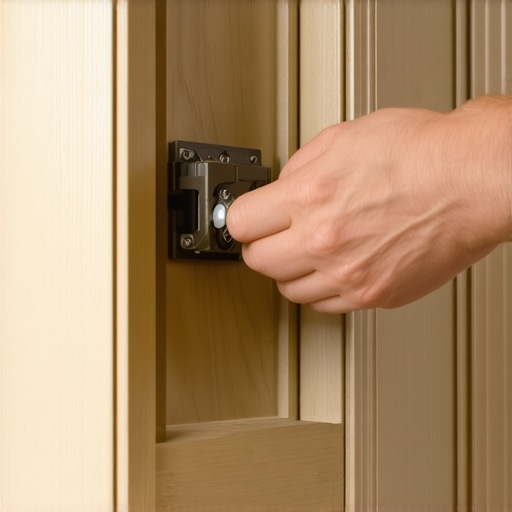
Image prompt: Close-up of a skilled hand adjusting a heavy-duty hinge on custom cabinetry using a precision screwdriver, with a level tool nearby, in a modern kitchen setting.
Reflecting on my kitchen remodel journey, I realize that the true lesson isn’t just about choosing beautiful materials, but understanding the intricate details that make those choices last for years. From inspecting plywood layers to fine-tuning hinges, I learned that every small decision impacts long-term success. Embracing this knowledge transformed my approach from DIY novice to confident remodeler, and I hope it does the same for you. Remember, excellence isn’t about shortcuts; it’s about knowing what to look for and how to act on that insight.
Lessons That Changed My Perspective on Custom Storage
- Material matters more than looks: A beautiful veneer can hide weak layers. Always examine edges and ask suppliers about the number of layers and certification to ensure durability.
- Small details prevent big problems: Simple steps like peeling back veneer or checking for voids save future headaches. Trust me, skipping these can lead to warped or peeling cabinets within a few years.
- Functionality over vanity: Thoughtful design choices, such as integrated charging stations or pull-out spice racks, make daily life smoother. Focusing on functionality upfront saves time and money in the long run.
- Regular care is the secret: Using the right tools, calibrating hardware, and routine inspections keep cabinets working flawlessly. It’s an ongoing process that pays dividends in longevity.
- Education unlocks confidence: Knowing what questions to ask and what signs indicate quality turns a complicated project into a rewarding experience. Continuous learning is your best tool.
My Go-To Tools and Resources for Lasting Cabinets
- Pro-grade screwdrivers and levels: I trust the heavy-duty drawer slides and the Bosch laser level to ensure spectra-perfect alignments that stand the test of time.
- Certification guides: The plywood testing article helped me identify truly high-quality materials and avoid cost-cutting pitfalls.
- Design inspiration and expert insights: Browsing this showcase of custom ideas expands your mind beyond standard templates, pushing you towards innovative solutions.
- Detailed maintenance tips: I continuously refine my routine with recommendations from trusted sources, ensuring my cabinets stay sleek and functional.
Your Next Step Into Built-in Excellence
Transforming your space isn’t just about the materials or tools; it’s about making informed choices that elevate your home’s functionality and beauty. Every detail, from layered plywood to soft-close hinges, contributes to a space that truly reflects your lifestyle. So, I challenge you: start inspecting your current cabinets or plan your next project with a new level of confidence, knowing you have the insider wisdom to avoid common pitfalls. Your dream kitchen awaits—are you ready to make it a lasting reality?
What’s the one detail about cabinetry durability you wish you knew earlier? Share your thoughts below—I love hearing from fellow enthusiasts eager to elevate their spaces!