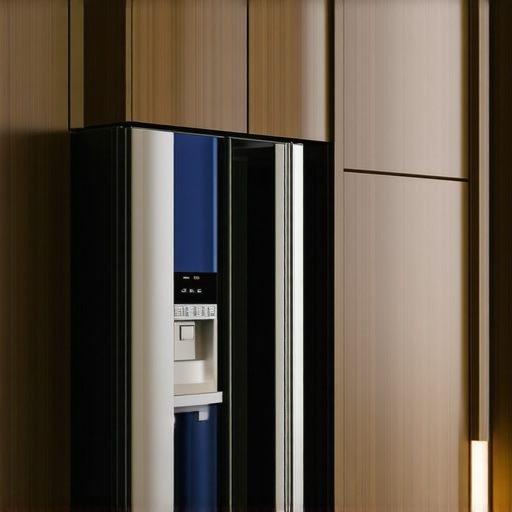
How to Hide a Sub-Zero Fridge with Custom Panels
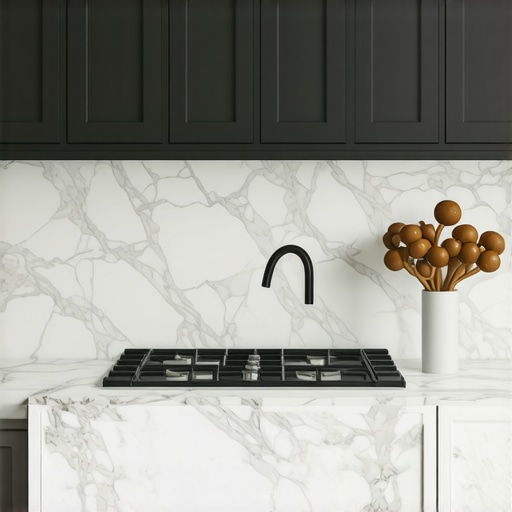
I still remember the feeling of standing in my newly renovated kitchen, staring at a beautiful expanse of handcrafted wood, only to have my eyes stop dead on a massive block of stainless steel. It was my brand-new Sub-Zero. Don’t get me wrong, I loved the fridge, but it looked like a spaceship had crash-landed in a cozy library. I had fallen into the trap of thinking a high-end appliance would automatically look good just because it was expensive. That was the moment I realized that if you want a kitchen that feels like a home and not a showroom, you have to learn the art of disappearance. Today, I’m walking you through exactly how to hide that appliance behemoth using custom panels so your kitchen feels like one continuous, cohesive thought. We are going to move past the industrial look and into something truly bespoke. [image placeholder]
My Stainless Steel Regret and the Integrated Solution
When I first started dabbling in custom cabinets as a game-changer for my home, I made a classic rookie move. I ordered panels based on the ‘rough opening’ listed in the manual rather than the specific clearance needed for the heavy-duty hinge swing. The result? A beautiful wooden door that crunched against the adjacent cabinet every time I wanted a glass of milk. It was a $1,200 mistake that taught me everything I know now about ‘integrated’ vs ‘overlay’ profiles. We aren’t just slapping wood on a door; we are creating seamless kitchen remasters that actually function without grinding hinges. Have you ever stood in your kitchen and felt like one specific appliance was screaming for attention while the rest of the room was trying to be quiet? It’s a frustrating visual itch that only custom work can scratch. This process is about reclaiming the aesthetic of your home from the manufacturers and making it your own.
Is this custom panel thing actually worth the extra cost?
It’s a fair question to ask. Why spend thousands on a fridge and then spend even more just to hide it? Beyond the sheer beauty of a hidden appliance, there is a real financial upside to this level of detail. According to Architectural Digest, homes with fully integrated kitchens often see a higher return on investment because the ‘furniture-like’ feel is a major selling point in modern luxury real estate. You’re essentially turning a cold appliance into a piece of warm architecture. But it has to be done with extreme precision. If you don’t fix the gap between your cabinet and the refrigerator properly, the illusion is shattered instantly by a dark, gaping shadow line. We want to avoid that ‘tacked-on’ look and aim for the same precision you’d see in hanging inset doors without a gap. When it is finished, you should be able to walk into the room and not even know where the refrigeration starts and the dry storage ends. That is the goal we are going to achieve today by looking at the technical specs, the panel thickness, and the hardware choices that make or break the design.
Measure Twice to Avoid the Missing Tooth Gap
The secret to a perfect integrated look isn’t in the woodworking alone; it’s in the math. Think of your appliance like a tailor-made suit. If the measurements are off by even an eighth of an inch, the whole thing looks cheap and ill-fitting. When I was working on a modern kitchen remodel featuring custom cabinets, I once ignored the floor’s slight slope and cut the panel for a dishwasher based on the countertop height alone. The result was a ‘missing tooth’ look—a gaping black hole at the top that screamed ‘afterthought.’ To avoid this, you must measure the appliance’s actual depth including the rear venting space. You aren’t just covering a door; you are revolutionizing your kitchen remodel using built-ins that require surgical precision. Always check the manufacturer’s ‘panel specifications’ document, but then verify it against the actual machine sitting in your room.
The Hinge is the Skeleton of the Design
You can have the most beautiful walnut panel in the world, but if the hinge isn’t designed for integration, that door will never open past 45 degrees without snapping. Standard hinges work like a simple door swing, but integrated hinges use a complex dual-pivot motion. They pull the panel forward and out so it clears the adjacent cabinet. This is where most DIYers fail. I’ve seen homeowners try to use standard hinges for an overlay look, only to realize the thick wood panel hits the fridge frame. To get that high-end feel, you need to study expert tips on selecting storage solutions that prioritize the mechanics as much as the aesthetics. 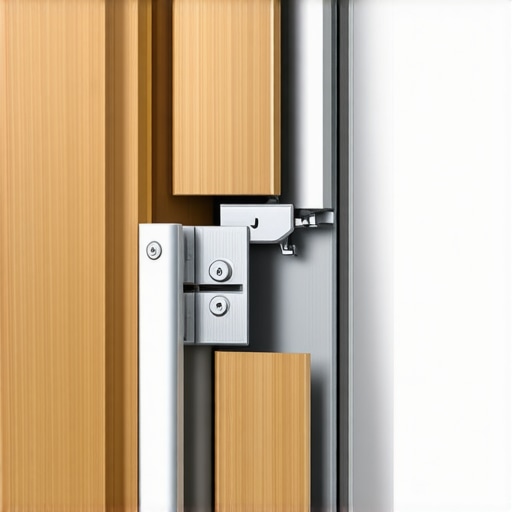
Achieve the Perfect Reveal Without the Drag
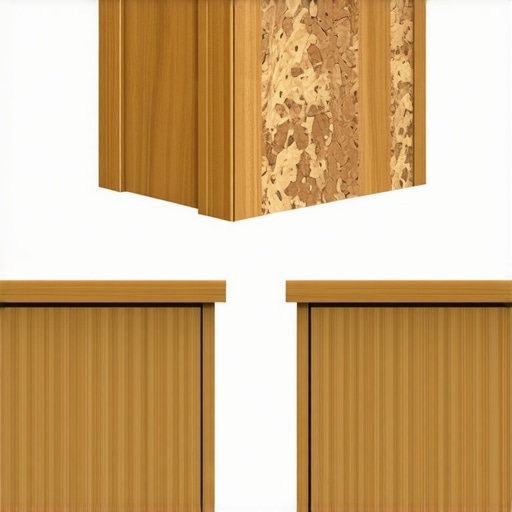
Once the panel is on, the next battle is the ‘reveal’—the tiny gap between the panel and the surrounding cabinetry. If it’s too wide, the appliance stands out. If it’s too tight, the wood will rub and eventually peel. Use a set of plastic shims to maintain a consistent 1/8-inch gap on all sides. This is very similar to the technique used in the secret to hanging inset doors without leaving a gap. If your kitchen floor is uneven—and trust me, it is—you will need to know how to align cabinet doors when your walls are out of plumb. I remember spent four hours on a single Sub-Zero door once because the wall was leaning nearly half an inch. Without that micro-adjustment, the wood panel looked like it was sliding off the fridge.
Pick Hardware That Works for Your Pockets
Fridge panels are heavy. You are pulling against a vacuum seal and 40 pounds of oak. You cannot use a delicate little knob here. You need a dedicated ‘appliance pull’ that is bolted through the entire thickness of the panel. When selecting your handles, think about ergonomics. I always look for the secret to choosing hardware that does not snag your pockets because there is nothing worse than getting your apron or jeans caught on a fridge handle every time you walk by. The hardware is the ‘jewelry’ of the kitchen, but it has to be functional jewelry that can handle the daily repetitive stress of a busy household.Let’s dig deeper into the psychology of ‘more is more’ because, in the world of high-end cabinetry, it is often the path to ruin. Most homeowners believe that the more custom dividers and fixed cubbies they cram into a layout, the more organized they will be. I’m here to tell you that’s a myth. In my years of creating seamless kitchen remasters with built-in storage solutions, I’ve seen hyper-specialized cabinets become obsolete the moment the homeowner buys a new set of larger dinner plates. This is precisely why your pantry shelves should be adjustable, not fixed. True expertise lies in building for the future, not just for your current inventory of cereal boxes. 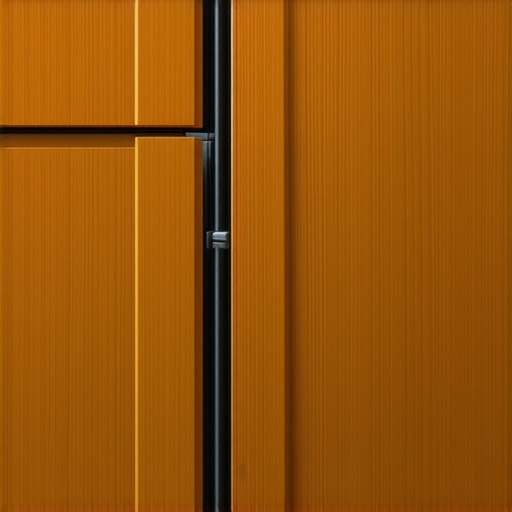
The Moisture Trap Most Homeowners Ignore
Here is an ‘oops’ factor that separates the pros from the weekend warriors: the steam exhaust. Everyone wants their dishwasher to be invisible, but they forget that a dishwasher is essentially a steam engine. If you don’t account for the heat dissipation, that expensive custom wood panel will delaminate within two years. According to the Woodworkers Institute, moisture content in wood near heat-generating appliances should never fluctuate more than 5%, or you risk structural failure of the joinery. This is why you should never place a dishwasher directly against a wall without proper insulation or venting gaps. It’s not just about the look; it’s about the physics of the materials. When you are planning built-ins and storage hacks for a sleek, functional kitchen, you have to think like an engineer first and a decorator second.
Why do your appliance panels warp while the rest of the kitchen stays perfect?
The answer usually comes down to the finish choice. Many people assume that a high-end stain on-site is the peak of luxury. However, there is a fundamental truth about pre-finished plywood vs on-site staining that most contractors won’t tell you: factory-applied catalyzed finishes are far more resistant to the ambient heat of a refrigerator compressor than anything sprayed in a driveway. If your panel is warping, it’s likely because the back of the wood wasn’t sealed as well as the front. This lack of balance causes the wood to ‘cup’ toward the drier side. Another common mistake is choosing outdated hardware layouts; sometimes you should skip the lazy susan and install LeMans pull-outs instead to ensure the mechanical stress on the cabinet carcass is distributed evenly. Have you ever fallen into this trap of choosing style over the technical requirements of the wood? Let me know in the comments. This journey of modern kitchen remodels featuring custom cabinets is a game of millimeters and moisture, and getting it right is what turns a house into a legacy.If you want to keep that seamless look, you have to embrace the tool belt of a perfectionist. I personally never step into a kitchen without a Mitutoyo digital caliper. It might seem like overkill for a woodworker, but when you are dealing with seasonal wood expansion, knowing the difference between 3.1mm and 3.4mm is the difference between a door that glides and one that sticks. This isn’t just about the initial install; it’s about the modern kitchen remodels featuring custom cabinets that look as good in year ten as they did on day one. I also rely heavily on a Bosch GLL3-330CG laser level. Houses settle, floors shift, and what was perfectly plumb in January might be leaning by July. By using a professional-grade laser, I can diagnose if a door is sticking because the hinge slipped or because the entire cabinet carcass has shifted with the house’s foundation.
Why I Never Trust My Eyes Without a Digital Caliper
Precision is a lifestyle when you are managing heavy appliance panels. I’ve seen homeowners try to ‘eyeball’ a reveal only to realize the panel is slowly chipping the paint off the adjacent cabinet every time they open the fridge. Using a caliper allows you to set a baseline. If you notice the gap has shrunk by half a millimeter over three months, you can adjust the tension before damage occurs. This is the level of detail required for creating seamless kitchen remasters with built-in storage solutions. You are essentially acting as a mechanic for your own furniture. 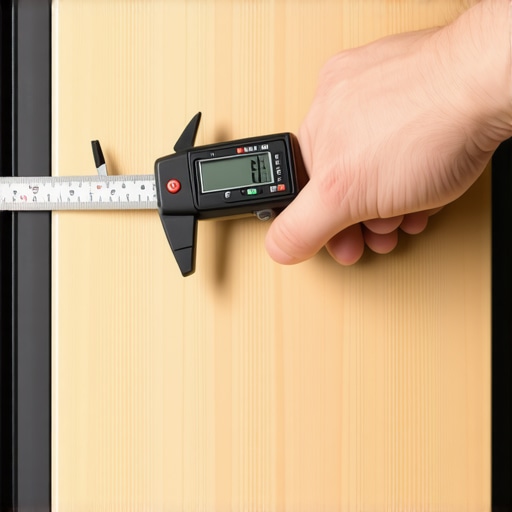
How can I maintain my custom kitchen panels for the long haul?
Maintenance is often where the ‘custom’ dream goes to die if you aren’t careful. According to technical documentation from Blum, high-quality hinges are tested for 200,000 opening and closing cycles, but that durability assumes they remain in perfect alignment. Once a year, you should perform the 5-minute hinge adjustment for fixing wonky cabinet reveals. Gravity is a constant force, and the weight of a heavy oak fridge panel will eventually cause a microscopic sag. Catching it early prevents the wood from rubbing the frame and ruining the finish. And while we’re on the subject of finishes, stop using harsh chemicals. I’ve seen beautiful walnut panels stripped of their luster by ‘heavy-duty’ degreasers. Learn how to clean matte black cabinet hardware without scratches and apply those same gentle principles to your wood. A damp microfiber cloth and a drop of pH-neutral soap are usually all you need to preserve the factory seal.
Smarter Kitchens are Coming for Your Cabinets
Looking ahead, I predict we are moving toward ‘active’ cabinetry. Imagine built-ins with integrated sensors that monitor the humidity levels behind your dishwasher panel and alert your phone before a warp even starts. We are already seeing smart storage solutions for small kitchens in 2025 that incorporate motorized assists for heavy panels. The future of revolutionizing your kitchen remodel using built-ins is a blend of old-world joinery and new-world tech. My advice? Start by grabbing a high-quality screwdriver and checking your reveals tonight. A tiny quarter-turn on a hinge screw now saves a massive repair bill later. Don’t wait for the wood to scream; listen to the silence of a perfectly aligned door.
What They Don’t Tell You About Integrating Heavy Appliance Panels
After years of installing these behemoths, I’ve realized that the manufacturer’s manual is usually only 80% of the story. One of the hardest lessons I learned is that the weight of the wood itself changes the physics of the hinge over time. If you aren’t through-bolting your appliance pulls, you are essentially waiting for the hardware to pull right out of the wood under the pressure of a refrigerator’s vacuum seal. Another lightbulb moment for many homeowners is realizing that perfect alignment is a moving target. Wood breathes, and your home settles. That beautiful 1/8-inch reveal you have in the dry winter might tighten up significantly during a humid summer. This is exactly why I recommend transforming your kitchen with custom cabinets that are engineered with seasonal expansion in mind. Finally, never skip the ‘dry fit’ phase; hanging the panel once without the adhesive or permanent fasteners will save you from fixing a cabinet door that is rubbing the frame later on.
My Precision Kit for Flawless Cabinetry
If you want results that look like a professional gallery, you have to stop relying on a standard tape measure for the fine details. I personally swear by the Mitutoyo Digital Caliper; it is the only way to ensure your reveals are consistent to the decimal point across a twenty-foot run of cabinets. I also never start a project without the latest technical hardware catalogs from Blum or Hettich—they are the gold standard for understanding load capacities and swing clearances. For leveling, a Bosch GLL3-330CG green-beam laser is my best friend. It helps you identify if your floor is the culprit before you start incorrectly adjusting your hinges. Relying on these professional-grade tools is part of selecting storage solutions that don’t just look good, but function flawlessly for decades. I trust these brands because they remove the guesswork from high-stakes installs.
Build Your Legacy One Millimeter at a Time
Creating a kitchen that feels truly integrated isn’t just about hiding a fridge; it’s about creating a space where the technology doesn’t distract from the soul of the home. When you take the time to dial in those hinges and perfect those reveals, you aren’t just performing a remodel—you are crafting an environment that feels intentional, calm, and bespoke. Don’t be afraid to take it slow and obsess over the microscopic adjustments. The true beauty of modern kitchen remodels featuring custom cabinets is found in the silence of a perfectly closing door and the clean, unbroken lines of a hidden appliance. You now have the technical roadmap to turn that industrial-looking appliance into a warm, wooden masterpiece. Have you ever struggled with an appliance panel that just refused to sit flush no matter what you tried? Let me know your biggest installation headache in the comments below!