The Best Way to Store Your Knife Set Safely
I remember the day I reached into my junk-turned-utility drawer for a spatula and felt the cold, sharp bite of my chef’s knife instead. It was a shallow cut, thankfully, but it was the wake-up call I needed. I had spent thousands on a kitchen remodel journey, yet my most dangerous tools were floating around like loose change. It’s a common mistake, honestly. We focus so much on the big picture—the countertops, the backsplash—that we forget the small details that actually keep us safe and keep our expensive cutlery from dulling. Today, I am going to show you exactly how to move past the clutter and find a storage method that respects your blades and your fingers. Have you ever had a close call while digging through a drawer for a paring knife? I’d love to hear your storage horror stories in the comments below. We are going to dive into innovative storage solutions that actually work for real, busy kitchens.
Why Your Cutlery Deserves Better Than a Random Drawer
When I first started upgrading my kitchen, I made the classic rookie mistake of thinking a cheap plastic sheath was enough protection. Those things slip off. They trap moisture. They are, quite frankly, a nuisance. Storing knives properly isn’t just about aesthetics; it is about edge retention and personal safety. A knife rattling around in a drawer isn’t just a hazard to your hands; it is a death sentence for the blade’s sharpness. Every time that edge hits another utensil, you are micro-chipping the steel. According to data from the Consumer Product Safety Commission, thousands of ER visits annually are linked to kitchen knives, often involving accidents that occur when handling or searching for tools in poorly organized spaces. By integrating smart storage ideas, you can ensure that your tools remain razor-sharp and exactly where you expect them to be. I eventually realized that my counters needed a slot, not a box, leading me to look into more integrated options like custom pull-outs.
Is a custom knife block really worth the investment?
You might be wondering if you really need to go the custom route or if a magnetic strip will do the trick. I used to be a skeptic too, thinking a magnetic bar was the peak of kitchen efficiency until I bumped into it and sent a heavy cleaver tumbling toward my toes. That was the moment I started looking into selecting storage solutions that were built directly into my cabinetry. Modern built-ins and storage hacks allow you to tuck these dangerous tools away while keeping them within arm’s reach of your prep zone. Transitioning to a dedicated, secure spot for your knives changes the entire flow of your cooking. You stop hesitating. You stop digging. You just cook.
Put Your Tools Where You Actually Chop
Think of your kitchen like a professional workshop. You wouldn’t store a mechanic’s wrenches in the breakroom, so why are your knives across the room from your cutting board? The first step to a successful modern kitchen remodel is identifying your primary prep zone. This is usually the stretch of counter between the sink and the stove. When I was designing my own space, I initially planned to keep my knives in a beautiful block on the island. I quickly realized that every time I needed to slice an onion, I was doing a frantic little dance across the kitchen floor. It was inefficient and, frankly, annoying. Now, I advocate for placing knife storage directly below the main prep surface. By integrating expert storage solutions into your base cabinets, you eliminate those unnecessary steps and keep the workflow fluid.
Measure Your Longest Blade Before You Build
One of the biggest mistakes people make when ordering custom cabinets is forgetting the dimensions of their actual tools. I once worked with a homeowner who had a stunning 12-inch brisket sword. We designed a gorgeous tiered drawer, but we didn’t account for the extra-long handle. The drawer wouldn’t close. Before you commit to a layout, lay your most-used knives on a table and measure the total length and height. This ensures your innovative storage solutions actually fit your reality. If you have a diverse collection, consider a cork-lined or slotted wood insert. These materials are gentle on the steel, unlike plastic or metal which can dull the edge over time. 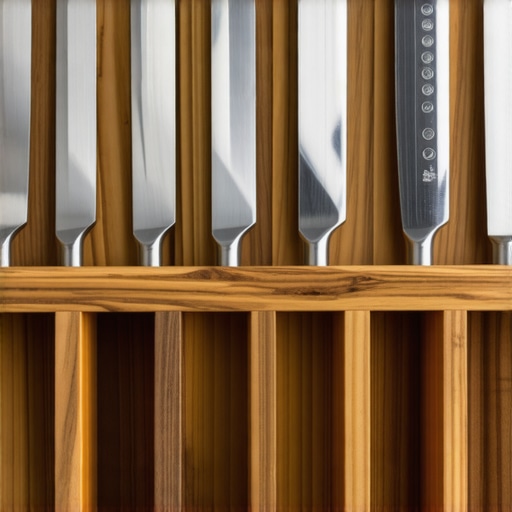
Why You Should Skip the Countertop Block
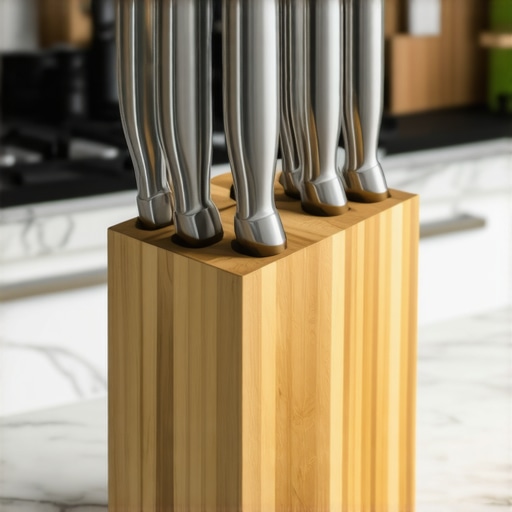
While the classic wooden block is a staple, it’s often a waste of valuable real estate. In a small kitchen remodel, every inch of counter counts. Beyond space, blocks are notorious for being difficult to clean; dust and moisture can get trapped in those deep slots. Instead, look toward a drawer within a drawer move adapted for cutlery. This keeps the blades hidden and the counters clear, creating that minimalist aesthetic that defines high-end design.
Demand Quality Materials for Your Inserts
If you are investing in a kitchen remodel journey, do not settle for flimsy plywood or plastic inserts. I always insist that we use solid maple for drawer boxes and inserts because of its density and resistance to warping. A knife drawer takes a lot of vibration and weight. I remember a budget project where the client used a thin veneer insert; within a year, the tip of a heavy cleaver had poked right through the bottom. When your storage is built from solid hardwoods, it becomes a permanent part of the home’s value, not just a temporary fix. Using built-ins and storage hacks like these ensures that your most dangerous tools are handled with the respect they deserve.
While we’ve talked about the importance of materials, let’s dig deeper into the actual layout of these storage solutions. The most common myth I encounter in a modern kitchen remodel is the idea that every square inch of space must be filled with a cabinet or a gadget. In my experience, over-optimizing every millimeter often leads to a kitchen that feels cluttered rather than functional. Sometimes, ‘dead space’ is actually your best friend because it allows for wider, more accessible custom cabinets in the adjacent areas. When you try to cram a narrow, specialized cabinet into every corner, you end up with a layout that is difficult to navigate and even harder to clean.
Stop Chasing Maximum Storage at the Expense of Flow
Everyone tells you to use every corner, usually suggesting a lazy susan. I am going to be the contrarian here: I think you should skip the lazy susan and install lemans pull-outs instead. Standard carousels are often flimsy and items inevitably fly off the shelves into the ‘void’ of the cabinet, never to be seen again. A high-quality pull-out system, integrated into modern kitchen remodels featuring custom cabinets and built-ins, allows you to bring the entire contents of the corner out to you without the mechanical failure common in cheaper alternatives. Have you ever fallen into this trap of over-optimizing a corner only to regret it later? Let me know in the comments.
Why Your Garbage Pull-Out Location is a Rookie Mistake
The ‘oops’ factor I see most often during a kitchen remodel journey is the placement of the waste bin. It seems logical to put it near the sink, but many homeowners mistakenly place the garbage pull-out next to the oven. This is a hygiene nightmare. The ambient heat from the oven accelerates the decomposition of organic waste, leading to odors that no amount of ventilation can fix. Instead, selecting storage solutions that place the trash near the prep zone but away from heat sources is a nuance that separates amateur DIY projects from professional innovative storage solutions.
Can Your Custom Drawers Handle Your Heavy Dutch Oven Collection?
A sophisticated question I often get from serious home chefs is whether standard drawer slides can handle professional-grade cookware. If you are planning the best way to organize heavy dutch ovens in a deep drawer, you cannot rely on the hardware found at big-box stores. According to guidelines from the National Kitchen & Bath Association (NKBA), ergonomic clearances are vital, but so is load capacity. While a standard slide might be rated for 75 pounds, a drawer filled with cast iron can easily exceed that once you factor in the weight of the solid wood drawer box itself. This is why we use solid maple for drawer boxes and specify heavy-duty, over-travel slides that ensure you can reach the back of the drawer without the tracks grinding or failing under pressure. 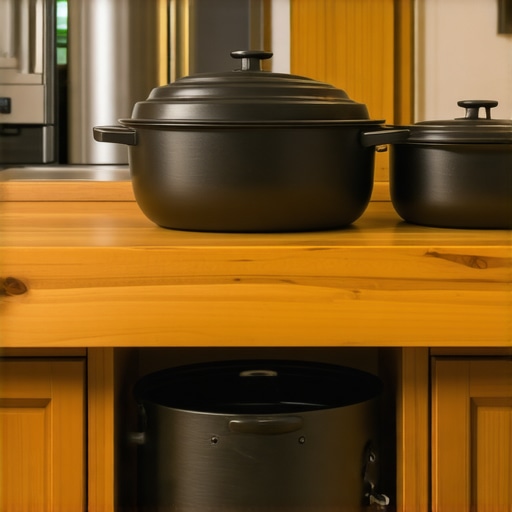
Ultimately, creating seamless kitchen remasters with built-in storage solutions is about more than just hiding the mess; it is about anticipating the physics of your cooking style. If your base cabinets are secured with 3-inch rugged screws and your layout accounts for the heat of the range and the weight of your tools, you are building a space that lasts decades, not just until the next trend arrives. By focusing on these hidden nuances, you ensure that your expert-tips-on-selecting-storage-solutions actually translate to a kitchen that works as hard as you do.
Once the dust of your renovation settles, the real work of homeownership begins: keeping those high-performance features performing. I’ve seen too many people treat their custom cabinets as a game-changer in your kitchen remodel journey during the honeymoon phase, only to let a lack of maintenance lead to squeaky hinges and sagging drawers three years later. High-end hardware is a lot like a European sports car; it is engineered for precision, but it requires specific care to stay that way. If you ignore the small signs of wear, you’re basically waiting for a mechanical failure that could have been prevented with ten minutes of work and the right tool in your hand.
Stop Stripping Your Screws with the Wrong Tool
If there is one thing I beg my clients to buy, it is a dedicated PoziDriv #2 screwdriver. Most homeowners try to adjust their modern kitchen remodels featuring custom cabinets and built-ins using a standard Phillips head. They look similar, but the Phillips bit will slip, or ‘cam out,’ stripping the head of your adjustment screws and making future repairs impossible. When you are working on how to adjust european hinges for a perfectly level door reveal, that extra ‘tick’ mark on the PoziDriv screw head is your signal to use the correct gear. Using the right bit ensures you can make micro-adjustments to your door alignment without ruining the hardware that keeps your kitchen looking seamless.
Keep the Motion Smooth Without the Grit
We often talk about the beauty of creating seamless kitchen remasters with built-in storage solutions, but we rarely talk about the lubrication. If you notice a clicking sound, it is time to check why your soft-close slides grind and the quick lubrication fix. According to the Blum Technical Specifications for CLIP top hinges, these mechanisms are cycle-tested for 200,000 openings, but environmental factors like flour dust or aerosolized cooking oils can gum up the internal dampers. I personally use a dry PTFE spray once a year on my drawer tracks. Unlike standard grease, it won’t attract more cat hair or dust, keeping the movement as buttery as the day it was installed. 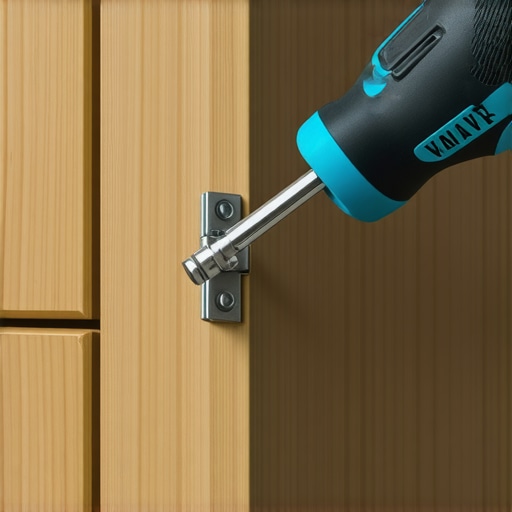
How do I maintain my custom cabinets over time?
Maintenance is less about deep cleaning and more about ‘checking the torque.’ Every six months, I do a walk-through to see why your drawer fronts are crooked and the adjuster screw fix. Wood is a living material; it expands and contracts with the seasons, which can subtly shift the weight on your hinges. I predict that in the next few years, we will see ‘smart’ cabinetry equipped with load sensors that alert your phone when a drawer is overloaded or out of alignment, but until then, your eyes and ears are the best sensors you have. By selecting storage solutions that allow for easy access to these adjustment points, you’re ensuring your kitchen doesn’t just look good in a photo, but functions perfectly for a decade.
Don’t wait for a door to start rubbing against the frame to take action. I challenge you to grab a screwdriver this weekend and try the 5-minute hinge adjustment for fixing wonky cabinet reveals on just one cabinet that has been bothering you. You’ll be surprised at how much more ‘expensive’ your kitchen feels when every line is perfectly parallel. Staying on top of these innovative storage solutions means you never have to deal with the frustration of a drawer that won’t stay shut or a spice rack that sticks.
The Hard Truth About Living in Your Remodel Long-Term
After years of designing and living in custom spaces, I’ve realized that the most beautiful kitchen can become a source of frustration if the ergonomics are off. One ‘lightbulb moment’ for me was the realization that high-traffic areas require ‘zero-friction’ storage. If it takes more than one motion to reach your most-used knife or a heavy pot, you’ll likely stop putting it away. I also learned that creative storage is a moving target; as your cooking skills evolve, your needs change. That is why I now prioritize flexibility over static inserts. Finally, never underestimate the power of lighting inside your deep drawers; it is the difference between finding the garlic press in three seconds or thirty.
The Manuals and Tools That Changed My Perspective
If you want to move from a basic renovation to a pro-level setup, there are a few resources I swear by. First, the NKBA Kitchen & Bathroom Planning Guidelines is the gold standard for understanding clearances and flow. For the hands-on maintenance, I cannot emphasize enough the importance of the PoziDriv #2 bit we discussed earlier—it will save your hardware from stripping. I also recommend checking out specific tutorials on simple vertical dividers to see how much space you can actually reclaim. Lastly, look at the technical catalogs from hardware manufacturers like Blum or Grass; they offer a wealth of knowledge on load capacities that most big-box stores simply won’t share with you.
Take the First Step Toward Your Dream Kitchen
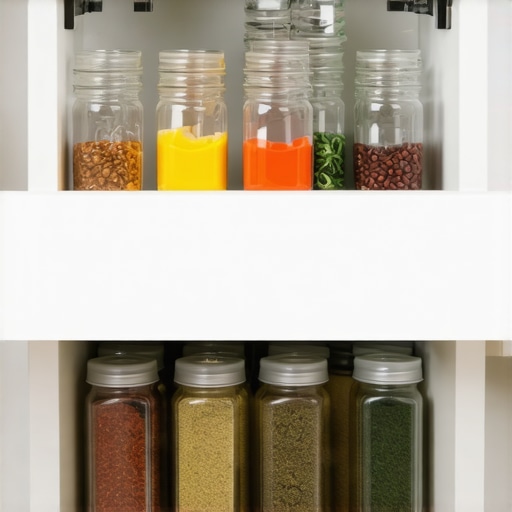
Taking the leap into a modern kitchen remodel is about more than just picking a color palette; it is about reclaiming the joy of cooking. You deserve a space where every drawer glide is silent and every tool has a home that respects its purpose. Whether you are starting small with a vertical spice drawer or overhauling the entire room, the effort you put into these details now will pay dividends every time you prepare a meal for your family. Don’t be afraid to demand quality and precision—your home is worth it. What is the one storage problem in your current kitchen that drives you crazy every single day? Let me know in the comments below, and let’s find a fix together!