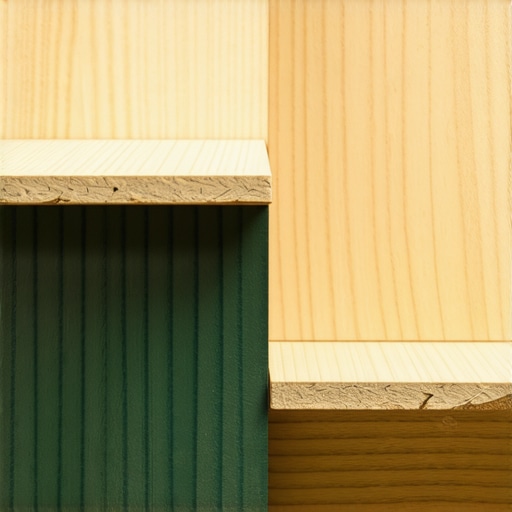
Why We Use Solid Maple for Drawer Boxes Instead of Poplar
I still remember the sinking feeling in my chest when I walked back into a kitchen three years after the big reveal. From the outside, the [custom cabinets](https://artisancabinetworkz.com/custom-cabinets-as-a-game-changer-in-your-kitchen-remodel-journey) looked stunning, but the moment the homeowner pulled out the heavy utensil drawer, the illusion shattered. I had used poplar for those boxes to save them a few hundred dollars. I thought I was being the hero. Instead, I was looking at soft wood that had literally bruised under the weight of silverware. The dovetail joints were loosening, and the screws were starting to wallow out of the soft grain. It was a visceral lesson in why material science matters more than a quick budget win. If you are planning a [modern kitchen remodel](https://artisancabinetworkz.com/modern-kitchen-remodels-featuring-custom-cabinets-and-built-ins), you deserve to know what’s happening behind those beautiful door fronts. Today, I’m going to show you why solid maple is the gold standard and why skipping it is a decision you will likely regret by year five.
Why I Stopped Trying to Save Clients Money with Poplar
The temptation to cut corners on the interior of a cabinet is real. Most people focus on the paint color or the stone counters, but the drawer box is the only part of your kitchen you physically interact with hundreds of times a week. When I first started, I figured poplar was a fine substitute. It’s a hardwood, technically. But in the world of [innovative storage solutions for modern kitchen remodels](https://artisancabinetworkz.com/innovative-storage-solutions-for-modern-kitchen-remodels), poplar is the weak link. It is significantly softer and more porous than maple. This leads to the exact kind of [cabinet screw mistake that causes heavy drawers to fail](https://artisancabinetworkz.com/the-cabinet-screw-mistake-that-causes-heavy-drawers-to-fail). I learned the hard way that maple doesn’t just look better; its density ensures that the mechanical fasteners and dovetails stay rock-solid for a lifetime.
Does the wood species actually change how the drawer feels?
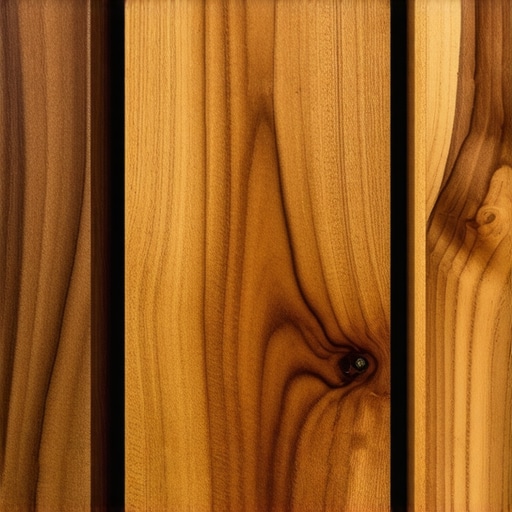
This is the skepticism I hear most often from homeowners trying to manage a budget. It’s just a box, right? Wrong. The difference is in the “heft” and the resistance to daily abuse. According to the authoritative data at the Wood Database, Hard Maple has a Janka hardness rating of 1,450 lbf, whereas Poplar sits at a measly 540 lbf. This means maple is nearly three times harder and more resistant to the dents caused by flying ladles and heavy pots. When you opt for [pre-finished maple interiors](https://artisancabinetworkz.com/why-pre-finished-maple-interior-is-better-than-melamine), you are getting a surface that is easy to wipe clean and incredibly difficult to scar. Have you ever opened a drawer in a high-end showroom and noticed it just felt “expensive”? That feeling is almost always the density of maple at work. Have you ever dealt with a drawer that felt like it was made of balsa wood after a few years of use? Let’s talk about why that happens.
Build a Cabinet Box That Survives Your Real Life
When you start looking at the skeleton of your kitchen, the material choice for the carcass—the box itself—is the first major hurdle. Many big-box retailers will try to sell you on ‘furniture board,’ which is just a fancy marketing term for high-density particle board. It’s heavy, it’s cheap, and it’s a disaster waiting to happen near a sink. This is why plywood box construction still beats particle board for kitchens in every measurable way. Plywood is made of alternating layers of wood grain that create a lattice of strength, preventing it from expanding and crumbling when it inevitably gets wet. Think of it like the difference between a stack of paper and a solid block of wood. If a pipe leaks, the paper turns to mush; the wood stays standing.
Stop Your Heavy Drawers from Sagging Under Pressure
I once had a client, Sarah, who called me six months after her ‘dream’ remodel because her 36-inch wide pot drawers were bowing so badly they wouldn’t close. She had a massive collection of cast iron skillets that probably weighed 60 pounds. The builder had used a thin 1/4-inch bottom with no reinforcement. I had to go in and show her how to fix a sagging pot and pan drawer with a center support. By adding a 1/2-inch maple bottom and a center rail, we turned a flimsy tray into a vault. 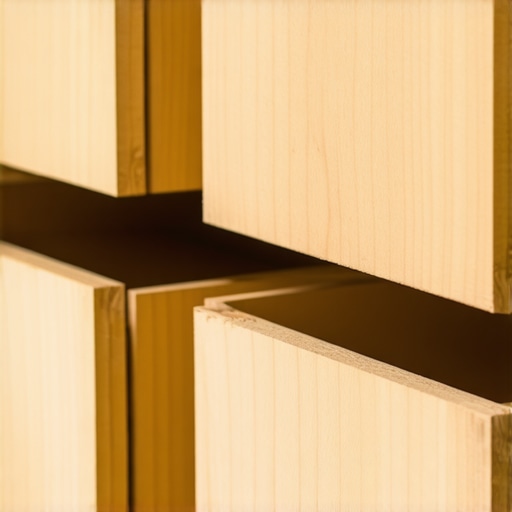 If you are planning smart storage ideas to maximize your kitchen space this year, you have to engineer for the heaviest item you own, not the lightest.
Choose Slides That Handle the Daily Grind
The hardware is the engine of your cabinet. You can have the most beautiful maple box in the world, but if you pair it with cheap side-mount slides, it will feel like a budget motel. For heavy-duty applications like waste bins, your trash pull-out needs a bottom-mount slide for better weight handling to prevent the door from racking. Over time, dust and debris can cause even the best hardware to act up. If you notice a change in performance, don’t panic; your soft-close slides might just need a quick lubrication fix to return to that silent, buttery movement. Always look for full-extension, under-mount slides rated for at least 100 pounds for standard drawers and 150 pounds for those deep pantry pull-outs.
The Joinery That Keeps Your Face Frames Square
Beyond the drawer boxes, the way the face frame attaches to the box determines if your doors will stay aligned. I’ve seen too many ‘custom’ shops rely on staples and glue. In my shop, we moved away from that years ago. Why we stopped using nails for cabinet backing and switched to screws is a matter of physics: screws have ‘pull-back’ power that keeps the box from racking into a parallelogram over time. This ensures your European hinges can maintain a perfectly level door reveal without you having to bust out the screwdriver every six months to fix a crooked door.
Scribe Your Way to a Seamless Finish
Walls are never flat. If you just screw a straight cabinet to a wavy wall, you’ll be left with ugly gaps that no amount of caulk can hide. You need to learn how to scribe a pantry end panel or bookshelf to match the exact contour of your home. I remember a project in an 1890s Victorian where the plaster was so uneven it looked like a rolling sea. By using a compass to transfer the wall’s profile onto our maple panels, we achieved a zero-gap look that made the built-ins look like they grew out of the architecture.
The Solid Wood Shelf Myth That Leads to Sagging
I hear it from clients all the time: “I want everything to be solid wood, no exceptions.” While that sounds like quality, it’s actually a trap when it comes to long shelving spans. In my years of building custom cabinets as a game-changer in your kitchen remodel journey, I’ve seen solid oak and walnut shelves bow under their own weight within eighteen months. This is exactly why we recommend plywood shelves over solid wood for long spans. Plywood’s cross-laminated structure provides a level of dimensional stability that natural grain simply cannot match. If you insist on solid wood for a 36-inch span without a massive stiffener, you’re essentially designing a future headache. 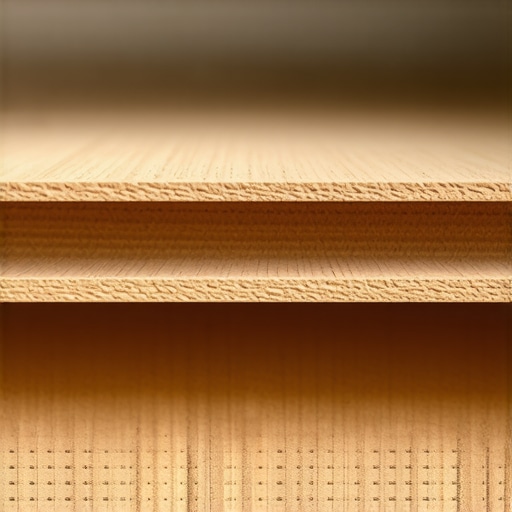
Why Your Wine Rack is Cooking Your Collection
Another common design ‘oops’ I see in modern kitchen remodels featuring custom cabinets and built-ins is the placement of wine storage. It looks beautiful in photos to have a custom rack tucked neatly above the fridge, but it’s a death sentence for your wine. Why we stopped putting wine racks over the refrigerator is a matter of basic thermodynamics: the heat exhausted by the refrigerator’s compressor rises directly into those cubbies, fluctuating the temperature and ruining the corks. For innovative storage solutions for modern kitchen remodels, keep your wine in a base cabinet or a dedicated pantry zone away from heat-generating appliances.
Will your inset doors actually close when the humidity spikes?
Homeowners often choose the ‘inset’ look—where the door sits flush inside the frame—because it is the hallmark of the ultimate guide to custom cabinets. However, they are often blindsided by the ‘sticky door’ syndrome in July. The Architectural Woodwork Institute (AWI) notes that even kiln-dried hardwoods react significantly to relative humidity changes. This is why solid wood door panels still need room to breathe in summer. If your builder doesn’t account for these tolerances, you’ll be forced into re-aligning doors after seasonal humidity changes every single year. Real expertise isn’t just about making it look good on day one; it’s about engineering the gaps so the kitchen functions on day one thousand. Have you ever fallen into this trap? Let me know in the comments.I’ve spent thousands of hours in workshops and on-site, and if there is one thing I have learned, it is that a great kitchen is only as good as the tools used to assemble it. You can have the most expensive slab of rift-sawn oak, but if your hardware is off by a sixteenth of an inch, the whole project looks amateur. This is why I never step onto a job site without my precision drilling jigs. Using the one tool you need for perfectly aligned cabinet knobs every time isn’t just about speed; it’s about ensuring the visual lines of your kitchen remain unbroken. When you are investing in transforming your kitchen with custom cabinets in 2025, the hardware should be the jewelry, not a distraction.
Precision Tools for a Flawless Finish
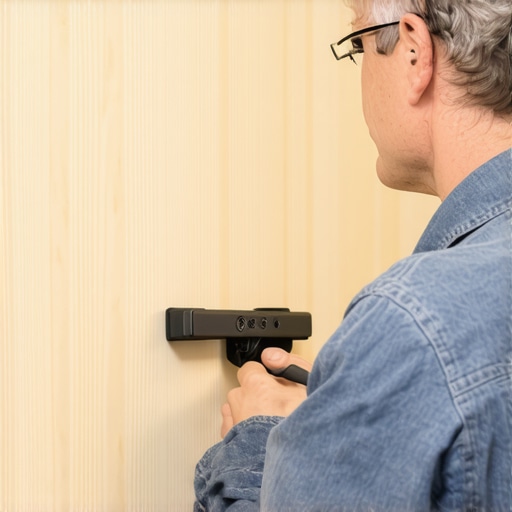
Precision is not just a preference; it is a requirement for long-term durability. In my experience, even the most skilled craftsmen can make a mistake when tired, which is why specialized jigs for hinges and drawer fronts are non-negotiable. These tools guarantee that every screw hits the center of the mounting plate, preventing the stripping issues common in hand-drilled holes. This attention to detail ensures that your kitchen maintains that ‘showroom’ feel for decades rather than months.
How do I maintain my custom cabinets over time?
The longevity of your kitchen depends on a proactive approach to the mechanical parts. I recommend a “six-month check-up” for all your moving components. This isn’t just about wiping down the wood; it’s about checking the tension on your hinges. Often, why soft-close hinges fail and the simple tension adjustment required is something a homeowner can handle in thirty seconds with a Pozi-drive screwdriver. If you hear a gritty sound when opening a drawer, the real reason your cabinet drawer slides are grinding is usually debris in the ball bearings. A quick blast of compressed air and a silicone-based lubricant—never WD-40, which attracts more dust—will keep things silent. For the wood itself, the National Kitchen & Bath Association (NKBA) emphasizes in their Kitchen Planning Guidelines that maintaining a stable indoor environment between 30% and 50% relative humidity is the single best way to prevent finish cracking and door warping.
The Shift Toward Intelligent Active Cabinetry
Looking ahead to the next decade, I predict we will see a massive shift from passive storage to active, tech-integrated solutions. We are already seeing the beginning of this with innovative storage solutions for modern kitchen remodels that include motorized lifts and integrated charging stations. However, the real “scaling” of the kitchen will come from modularity. Imagine built-ins and storage hacks for a sleek functional kitchen where the internal configurations can be swapped out as your family’s needs change, without needing a full tear-out. We are moving toward a “plug-and-play” interior ecosystem where the cabinet box is the permanent infrastructure and the internal components are adaptable.
Stop Settling for Standard Storage Friction
If you are tired of losing your favorite pans in the dark abyss of a base cabinet, I want you to try one thing this weekend: measure your most-used items and see if they actually fit your current layout. If not, consider starting your journey by looking into smart storage ideas to maximize your kitchen space this year. Taking just one afternoon to install a dedicated divider or a pull-out can change the entire flow of your morning routine. Don’t wait for a total overhaul to fix the small friction points that annoy you every single day; take control of your workspace now.
The Hardest Lesson I Learned About Kitchen Remodel Longevity
After decades in the trade, I’ve realized that a kitchen is a machine, not just furniture. If you treat it like a static object, you’ll be disappointed when the seasons change. Here are a few “lightbulb” moments that changed my approach to modern kitchen remodels featuring custom cabinets and built-ins:
- Quality is felt, not just seen. A drawer that doesn’t rack when you pull it from the corner is a testament to the joinery, not the paint.
- Humidity is the invisible enemy. I stopped fighting nature and started working with it by ensuring solid wood door panels still need room to breathe in summer to prevent cracking.
- Function dictates the hardware. Choosing the right slide isn’t an upgrade; it’s a necessity. For example, your trash pull-out needs a bottom-mount slide for better weight handling because that’s the hardest-working drawer in the house.
My Go-To Toolkit for a Lifetime of Smooth Drawers
I don’t leave my workshop without these essentials. They are the difference between a “DIY look” and professional precision. First, I always use the one tool you need for perfectly aligned cabinet knobs every time because the human eye can spot a 1/16th-inch error from across the room. Second, I keep a stash of high-quality silicone lubricant handy. Knowing the real reason your cabinet drawer slides are grinding allows you to fix small issues before they require expensive replacements. Finally, I recommend following the NKBA Planning Guidelines to ensure your built-ins and storage hacks for a sleek functional kitchen meet industry ergonomic standards.
Your Home Deserves This Level of Care
#IMAGE_PLACEHOLDER_E#
A kitchen renovation is one of the biggest investments you’ll ever make. Don’t let the fear of the process stop you from creating a space that actually serves your family’s needs. Whether you are adding innovative storage solutions for modern kitchen remodels or starting from scratch with a full layout redesign, focus on the materials that will last a lifetime. You are building the backdrop for your family’s memories—make sure it’s as sturdy as those memories are. Using custom cabinets as a game-changer in your kitchen remodel journey is the first step toward a home that works for you, rather than you working for it.
Which part of your current kitchen drives you the most crazy every morning? Let me know in the comments below!