The Desk Nook Move: Turning Wasted Kitchen Corners Into Workspaces
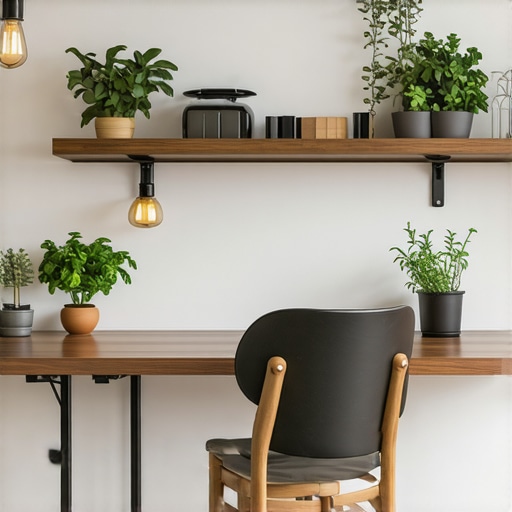
I remember the moment I realized my kitchen’s neglected corner was a goldmine of wasted space. It was during a frantic weekday morning when I reached for a spice jar and ended up knocking over half my cabinet. That tiny, forgotten nook suddenly felt like a glaring fault in my home design — a squandered opportunity. It dawned on me that such overlooked spots in kitchens are often the secret weapon for creating functional, even inspiring, spaces. If you’ve ever stared at a dull, unused corner and wondered if there’s a better way, you’re not alone. Today, we’re diving into how you can reinvent that wasted corner into a practical work nook or storage haven. By the end of this guide, you’ll see how simple tweaks and smart ideas can make a significant difference, turning your kitchen from chaos to calm.
Why Invisible Corners Matter More Than You Think
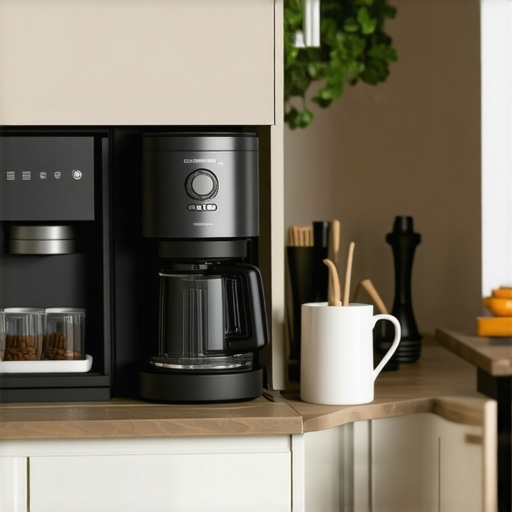
The kitchen is the heart of any home, but it’s also a battleground for clutter and inefficiency. Those tiny, awkward corners—hidden behind cabinets or tucked into less-visible spaces—often become dumping grounds for seldom-used items. But here’s the kicker: studies show that optimizing small spaces in the home can boost overall satisfaction and even decrease stress levels (source: Harvard Health Publishing). That means a clutter-free corner isn’t just tidiness—it’s a mental health booster. What’s more, transforming these little nooks into usable spaces can dramatically increase your kitchen’s functionality without the upheaval of a full remodel. Imagine having a dedicated spot for your coffee machines, a craft station, or even a mini indoor garden, all tucked neatly into a corner you once ignored. If you’re feeling the same frustration I once did, knowing there’s a practical solution can be a real relief.
Is This Just a Trend, or Worth the Effort?
Initially, I was skeptical—really, what difference can a corner make? I made the mistake early on of assuming that creating a workspace in a kitchen corner was just a cosmetic change. Turns out, it’s about smarter design. Small spaces, when used thoughtfully, can significantly impact your home life. Plus, with the rise of custom cabinetry and built-ins, creating tailored solutions that blend seamlessly with your existing layout has never been easier. Ready to get practical? Let’s explore how to identify your ideal corner and the simple steps to turn it into a cozy, efficient workspace or storage spot that you’ll actually enjoy using every day.
,
Identify Your Perfect Corner for Transformation
Start by assessing your kitchen to find that awkward, unused corner. Clear the clutter and observe how you naturally move around the space—look for areas close to work zones or near existing plumbing if you plan on adding a sink or water-based feature. I once cleared my pantry corner, which had become a dumping ground; upon inspection, I noticed it was just a few inches shy of fitting a custom vertical spice rack. This process is crucial: understanding the space’s dimensions and limitations will guide your design choices and help avoid costly mistakes.
Define Your Needs and Functionality Goals
Decide what you want from this corner—additional storage, a coffee station, or a mini prep area? Prioritize your needs to influence your cabinet design. For instance, if you need extra vertical storage, consider installing a custom cabinet with tall pull-out shelves. I aimed for a more organized baking corner and installed vertical sheet pan dividers, which incredibly freed up shelf space and kept my pans easily accessible. Clarifying your goal ensures your investment adds real value, rather than just aesthetics.
Design a Tailored Cabinet or Built-In Solution
Design is where precision meets creativity. Think of your cabinet as a suit—measure carefully, then tailor features to your exact needs. Use CAD tools or consult with experienced cabinet makers who can craft custom units fitting your space like a glove. For example, I coordinated with artisans to build a pull-out pantry into my corner, utilizing slim, deep cabinets with motorized shelves. This solved my deep clutter problem and made reaching for cans effortless, which you can explore more in their modern kitchen remodels.
Choose Smart Storage Accessories for Efficiency
Incorporate accessories that maximize usability, like vertical dividers, lazy Susans, or custom drawer inserts. Think of these as the jewelry inside your cabinet—organizers that turn chaos into clarity. During my project, I installed a magnetic spice rack inside the cabinet door—another space-saving hack that keeps my spices at hand without cluttering the countertop. These accessories are the secret to turning your cabinet from mere storage into a productivity hub, and you can find innovative ideas like these at vertical sheet pan dividers.
Handle Built-In Features with Precision
Opt for high-quality hinges, soft-close mechanisms, and durable slides that can handle your daily use. Consider hardware upgrades like heavy-duty slides or sensor-operated hinges for hands-free access, which boosts both convenience and hygiene. I upgraded my corner cabinet with soft-close hinges, which prevented slamming and preserved the life of the doors—making my kitchen calmer and quieter. Proper hardware installation can seem daunting, but partnering with experienced craftsmen ensures perfect alignment and durability, often through professional consultation.
Finish with Style and Seal the Deal
Choose finishes resistant to humidity, fingerprints, and scratches that suit your aesthetic—matte, antibacterial coatings, or eco-friendly veneers. I opted for a matte, antibacterial coating that made cleaning effortless and kept my cabinet looking fresh despite daily use. Remember, the right finish not only enhances the look but also protects your investment over time. Once your design is finalized, engage with artisans who can craft these for you—discover options at custom cabinet ideas.
Many homeowners assume that selecting custom cabinets or built-in solutions is a straightforward process, but in reality, there’s a wealth of subtleties often overlooked. For instance, a prevalent misconception is that all custom cabinetry is inherently costlier and more complex than ready-made options. However, in my experience, the true value lies in tailored design that maximizes space efficiency—a point I cover extensively in smart storage solutions.
A common mistake is underestimating the importance of material selection. Many assume that cheaper materials suffice, but this often leads to long-term issues like warping or staining, especially in humid environments. For example, choosing recycled ocean plastics can be both eco-friendly and durable, as discussed in eco-friendly cabinet options.
From a technical perspective, some believe that precise measurements are sufficient to guarantee a perfect fit—this is a myth. The hidden nuance is that tolerances, hardware specifications, and installation techniques significantly influence the longevity and functionality of built-ins. Expert craftsmanship, such as selecting heavy-duty slides, ensures your investments stand the test of time.
An advanced question I often encounter involves the impact of climate on cabinetry longevity. Climate variations can cause wood to expand or contract, leading to misalignments over time. Studies highlight that using specific finishes like anti-bacterial coatings not only enhances hygiene but also adds a layer of protection against environmental factors, as highlighted in finish options.
Understanding these nuances prevents costly mistakes and ensures your kitchen investments deliver both style and function. Remember, engaging with experienced craftsmen who are aware of these subtleties can make all the difference. If you’re considering a remodel or addition, I recommend reaching out to professionals via this contact page to discuss tailored solutions.
Have you ever fallen into this trap? Let me know in the comments, and stay tuned for more insights on turning your space into a masterpiece.
Maintaining your custom cabinetry and built-in storage solutions is crucial to ensure they continue to perform beautifully over time. One of my top recommendations is investing in high-quality tools that allow for precise adjustments and timely repairs. For example, a professional-grade electric screwdriver, like the DeWalt DCF887, provides the versatility to tighten or replace hardware efficiently, especially when dealing with soft-close hinges or heavy-duty slides. Regular inspections using a magnetic screwdriver set help identify loose screws and hardware wear early, preventing costly damage down the line.
How do I maintain my cabinetry hardware over time?
Consistent lubrication is key. Applying a silicone-based spray, such as White Lithium Grease, to hinges, slides, and pulls ensures smooth operation and minimizes squeaks or sticking. I personally schedule quarterly maintenance sessions using a quality lubricant to stay ahead of any issues. Additionally, checking alignment and soft-close mechanisms regularly can prolong their lifespan—adjustments are often straightforward with a small Phillips-head screwdriver and a set of replacement hardware parts, which are easy to source through custom cabinet specialists or online retailers.
Tools I recommend for long-term results
Beyond basic hardware, I rely on a few specialized tools to keep everything running smoothly. A digital caliper, like the Mitutoyo ABSOLUTE Digimatic, helps verify precise measurements when replacing or upgrading components. This way, I can ensure new hardware fits perfectly, avoiding misalignments that could lead to early failure. For cleaning and preventative maintenance, a microfiber cloth and gentle cleaning agents remove dust and fingerprints from surfaces without damaging the finish. Considering the future of cabinetry maintenance, integrating smart sensors that monitor hinge tension or drawer slide conditions could revolutionize ongoing care. Companies are already developing such solutions, hinting at a trend toward more automated, maintenance-friendly cabinetry in upcoming years.
Predicting the future of cabinet upkeep
As technology advances, I believe we’ll see more smart solutions embedded into cabinetry. Sensors that alert you when hinges need tightening or when a slide is malfunctioning will become commonplace, vastly reducing the need for routine manual inspections. Embracing these innovations now, like installing sensor-operated hinges such as the smart sensor hinges, can set the stage for hassle-free upkeep in the years to come.
Take action with a quick maintenance upgrade
Start by inspecting your hinges and slides today. Use a lubricant designed for electronics and metal parts to keep everything moving smoothly. Incorporate a digital caliper to measure any hardware that looks slightly out of place—it’s a small step that pays off big in durability. For a more advanced approach, consider installing smart sensors to automate your maintenance checks. Want personalized guidance or need to discuss a specific issue? Reach out through this contact page and get expert advice tailored to your cabinetry.
What I Never Expected About Small Kitchen Corners
One of the biggest revelations in my kitchen makeover was discovering that tiny, overlooked corners could become the most valuable assets. I used to dismiss these spaces as dead zones, but I learned that with thoughtful design, they could serve as efficient storage or functional workspaces, transforming my entire kitchen experience.
Why Overconfidence in DIY Can Backfire
I initially thought I could wing my own built-in solutions, but I quickly realized that precision matters—measurements, hardware, and materials all play crucial roles. Partnering with skilled artisans ensured my custom cabinets fit perfectly and stood the test of time, saving me from costly mistakes.
The Power of Small Accessories and Finishes
Upgrading hardware like soft-close hinges and adding clever accessories such as vertical dividers made a surprising difference. Choosing finishes resistant to moisture and fingerprints kept my cabinets looking pristine and hassle-free, proving that details matter more than I once believed.
Lessons from the Pros that Changed My Approach
Consulting seasoned craftsmen revealed subtle nuances—like the importance of material quality and hardware durability—that I had overlooked. Their insights helped me avoid pitfalls and inspired me to prioritize long-term value over aesthetic quick fixes.
How Future Technologies Will Shape Custom Storage
I’m excited about innovations like smart sensors embedded in cabinetry, which can alert me to hardware wear or misalignments. Embracing these advancements now can make ongoing maintenance seamless, ensuring my investment remains flawless for years to come.
Resources That Elevated My Project
My go-to tools and sources included heavy-duty drawer slides for durability, vertical dividers to organize deep drawers, and insights from cabinet design ideas to personalize my space. These resources provided a foundation for smart, lasting solutions.
Embrace the Journey: Your Turn to Transform
Optimizing your hidden corners isn’t just about storage—it’s about creating a space that inspires and simplifies daily life. Don’t shy away from experimenting with custom solutions, leveraging expert advice, and investing in quality. Your kitchen can go from overlooked to outstanding, one smart tweak at a time.
Have you ever struggled with turning a small or awkward corner into a functional space? Share your experiences below and let’s grow together in mastering home transformations.
,