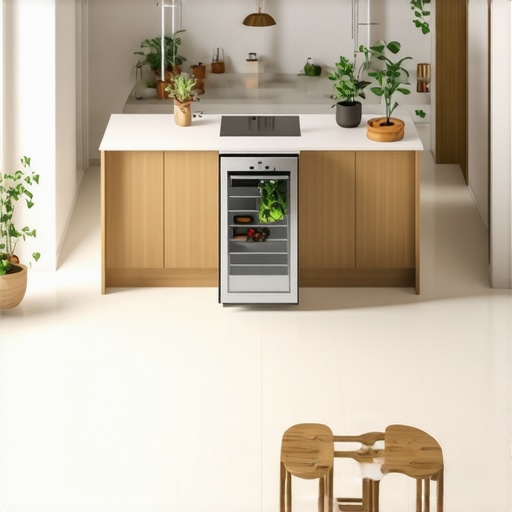
The Island Pivot: Choosing a Layout That Doesn’t Block Your Fridge Door
I remember the moment vividly—standing in my cramped kitchen, trying to grab some leftovers from the fridge, only to be met with the frustratingly blocked door. It was like a small, annoying obstacle every single day. That simple irritation was my lightbulb moment: my kitchen layout was sabotaging my convenience, all because I overlooked critical space planning details. If you’ve ever experienced that constant punch of annoyance or struggled to open cabinets without knocking over a stack of pans, then you’re not alone. This issue isn’t just about inconvenience; it’s about designing a space that works with you, not against you.
Why Your Kitchen Layout Matters More Than You Think
When remodeling or designing a new kitchen, many get caught up in the aesthetics—sleek cabinets, trendy hardware, eye-catching countertops. But function often takes a backseat. Have you ever noticed that your fridge door hits the island or surrounding cabinets, making it impossible to open fully? That seemingly minor oversight can turn into daily frustration and even safety hazards. According to [HGTV](https://www.hgtv.com/design/remodel/kitchen-remodel), poorly planned layouts can reduce workspace efficiency by up to 40%, leading to increased stress and wasted time. Why settle for a beautiful kitchen that doesn’t function smoothly? The good news is, with some strategic planning, you can create a layout that allows your fridge to open fully without blocking doors or drawers.
Is a Custom Solution Worth the Extra Effort? Real Talk About Kitchen Design
Early in my journey, I made the mistake of thinking standard layouts would work perfectly. I didn’t account for how cabinet placement and appliance sizes interact. Turns out, small adjustments—like shifting the fridge a few inches or choosing deeper cabinets—make a huge difference. This oversight cost me time and money down the line. If you’re wondering whether investing in custom cabinets or layout consultations is worth it, I’d say absolutely. Not only does a tailored design optimize space, but it also elevates your entire kitchen experience. Want some ideas? Check out innovative storage solutions that maximize every inch by exploring options like smart storage solutions for small kitchens.
Plan with Precision Before Buying
Start by creating a detailed layout of your kitchen, marking fixed elements like windows, doors, and existing plumbing. Use graph paper or digital design tools to visualize space. During my first attempt, I drew my kitchen full size, but it was messy—bins flying everywhere. I realized I needed accurate measurements and a clear plan to avoid costly mistakes and awkward compromises. Consider the entire workflow: the fridge should open freely, there’s enough room to open drawers without obstruction, and tall cabinets fit the ceilings seamlessly. Accurate planning ensures your design is functional and saves time during installation.
Select the Right Built-Ins and Cabinets
Use Custom Cabinets to Maximize Every Inch
Custom cabinets are like tailored suits—they fit perfectly and fulfill specific needs. Unlike standard sizes, custom options let you optimize storage, incorporate specialized features, and match your style. For example, I designed a deep pull-out spice rack inside a tall cabinet, which freed up valuable drawer space elsewhere. Check out ideas for custom cabinets to inspire your renovation. Think about integrating solutions such as vertical dividers for lids or slim pull-outs for canned goods, which are game-changers in space efficiency.
Optimize Storage with Built-Ins
Built-ins are like furniture built into your walls—they turn dead space into functional areas. Install a custom laundry sorter or a hidden trash compartment to keep your kitchen tidy. When I added a built-in tech station next to my fridge, it not only hid clutter but made wiring and charging effortless, mimicking the idea of functional built-ins. Incorporating unique storage, such as fold-down shelves or corner pull-outs, can significantly enhance accessibility and organization.
Prioritize Space-Saving Techniques
Harness Innovative Pull-Outs and Dividers
Think of pull-out shelves as secret tunnels—hidden compartments that make accessing deep corners simple. Installing slim pull-outs in narrow gaps transformed my pantry, turning wasted space into storage gold. Vertical dividers are essential for keeping lids and utensils organized without cluttering drawers. For heavy items, use heavy-duty drawer slides that support weight and durability. Each addition acts like a puzzle piece—fitting into your space to maximize function.
Use Supportive Hardware for Longevity
Quality hardware like soft-close hinges and sturdy brackets minimize wear and noise. When I upgraded my hinges, the squeaks disappeared, and the doors closed smoothly—a small upgrade that made my kitchen feel refined. For large shelves, reinforce with steel brackets that prevent sagging over years of use. Such thoughtful hardware choices extend the life of your investments, ensuring your space remains beautiful and operational.
Avoid Common Pitfalls During Installation
Precision matters when hanging cabinets. Use a level and spacers meticulously—this is akin to fine-tuning a musical instrument. I once misaligned a cabinet, ruining the entire look. Employing a strategic screwing technique simplified the process, even solo. Seal joints properly to prevent air leaks or water damage, especially around sinks and windows. For heavier installations, secure furniture to studs for safety and stability. Patience and careful steps during installation avert long-term issues, saving you headaches and repair costs.When it comes to optimizing your kitchen, there’s a common misconception that all storage solutions and custom cabinetry are created equally. Many homeowners believe that investing in high-end, custom-built cabinets guarantees optimal space and functionality. However, the real challenge lies in understanding the subtle nuances that differentiate a truly efficient design from a superficial upgrade. For instance, many assume that larger cabinets or more drawers automatically lead to better organization, but without thoughtful internal dividers and support hardware, these features often become cluttered and less functional over time. Moreover, a frequent myth is that standard off-the-shelf solutions are sufficient for small kitchens; in reality, they often ignore the unique constraints of your space, leading to wasted corners or awkward access. Expert-level design considers not just the visible elements but also the hidden mechanisms—like specialized pull-outs or adjustable shelving—that maximize every inch. It’s crucial to avoid the trap of oversimplifying customization as just aesthetic enhancement; instead, focus on how these choices impact workflow, safety, and long-term durability. A detailed plan that incorporates advanced storage techniques, such as vertical dividers or heavy-duty slides, can prevent common pitfalls like jammed drawers or sagging shelves. For example, studies show that properly supported shelves last longer and maintain their integrity much better, especially in high-use areas. Are you aware of the less obvious factors that influence your kitchen’s efficiency? Implementing these subtle but impactful details can transform your space into a model of usability. Want to explore innovative storage solutions that address these advanced considerations? Check out space-maximizing tips here, and don’t hesitate to reach out for expert advice. Remember, mastering these nuances can prevent costly mistakes and elevate your remodel from ordinary to extraordinary. Have you ever fallen into this trap? Let me know in the comments.
Once you’ve designed a beautiful, functional kitchen with custom cabinets and built-ins, the journey doesn’t end there. Maintaining your space and ensuring everything continues to operate smoothly requires specific tools, routine upkeep, and a bit of foresight. In this section, I’ll share the tools I rely on personally, how to keep your storage solutions in top shape over the years, and what trends are shaping long-term kitchen care. The future of kitchen maintenance will probably highlight smart technologies and durable materials, making upkeep even easier. To keep your kitchen working seamlessly, it’s vital to invest in quality hardware, perform regular inspections, and stay updated on innovative storage remedies.
How do I maintain my custom cabinets and built-ins over time?
Maintaining your custom cabinetry involves more than just cleaning; it requires strategic tools and routine checks. I recommend having a high-quality soft cloth and a gentle wood cleaner like Howard Feed-N-Wax to preserve the finish without stripping it. Regularly inspect hinges and drawer slides—lubricate with silicone spray or a dry Teflon-based lubricant to prevent squeaks and wear. Soft-close hinges are fantastic, but they need occasional lubrication to keep closing smoothly. Use a level to verify your counters and cabinet frames—an uneven foundation can cause doors to skew over time.
For installed hardware, I use a Phillips-head screwdriver and a torque driver to tighten screws without over-tightening, which can strip threads. Remember, routine inspections every six months can save you from costly repairs later. Staying on top of hardware issues can extend your cabinets’ lifespan by years. Also, considering the durability of materials helps; for example, I prefer solid wood for longevity. A quick tip: applying a clear coat or wax periodically can protect the surface and keep the wood looking fresh.
Get ready for the future of kitchen upkeep
As kitchen technology advances, predictive maintenance tools are starting to find their way into the mainstream. Smart hinges with built-in sensors can notify you when they need lubrication or adjustment, and digital moisture meters can warn you if water leaks threaten your cabinetry. For example, innovations like smart sensor hinges are making maintenance more proactive, reducing the chance of damage. In the coming years, I predict that integrated IoT systems will allow homeowners to monitor their entire kitchen’s health remotely, ensuring all storage solutions, hardware, and appliances stay in excellent shape. The key is to select durable hardware upfront and stay vigilant with routine care. Trying out these advanced techniques now can save time and money long-term, especially in high-use areas. For instance, routinely applying lubricant and inspecting hardware can prevent what would otherwise become costly replacements down the line.
Investing in the right tools and habits sets the stage for a long-lasting, beautiful kitchen. Don’t overlook small maintenance tasks—they compound into big savings over the years. If you’re interested in more innovative storage and hardware ideas, check out smart storage solutions. And when you’re ready to upgrade or need expert advice on maintenance, don’t hesitate to reach out.
Lessons That Changed My Approach to Kitchen Design
- One surprising revelation was realizing that symmetrical cabinet placement isn’t always the most functional choice. Sometimes, asymmetry creates better flow, especially when considering appliance placement and user traffic patterns. Embracing imperfect layouts can lead to more personalized spaces that serve your unique needs.
- I also learned that investing in high-quality hardware, like soft-close hinges and heavy-duty slides, pays dividends over time. These small upgrades can prevent common issues like sagging doors or noisy cabinets, saving you both frustration and money in the long run.
- The biggest lightbulb moment was understanding that space planning isn’t just about fitting everything in—it’s about creating a seamless workflow. When I optimized clearance and opening space, tasks like cooking and cleaning became much more effortless, transforming my entire kitchen experience.
- Finally, I discovered that customization isn’t just about aesthetics. Thoughtful internal configurations, like built-in dividers or pull-out shelves, maximize storage and accessibility, turning wasted corners into major functional wins.
Tools and Resources That Elevated My Kitchen Remodeling Journey
- SketchUp: A user-friendly digital tool that helped me visualize my kitchen layout before making irreversible decisions. Its precision saved me from costly errors.
- Artisan Cabinetworkz’s Custom Cabinet Ideas: Their extensive guides and inspiration galleries provided innovative concepts tailored to small and large spaces alike. I especially appreciate their focus on space-efficient storage solutions.
- Heavy-Duty Drawer Slides: Investing in quality slides from trusted brands made all the difference in supporting heavy cookware and maintaining smooth operation. They’ve stood the test of time in my kitchen.
- Online Forums and Professional Consultation: Connecting with seasoned designers through platforms like Houzz or directly consulting experts ensured I avoided common pitfalls and selected the best options for my specific needs.
Your Next Step to a Smarter Kitchen
Taking these insights and resources into your kitchen remodel can turn an ordinary space into a highly functional sanctuary. Remember, the devil is in the details—every inch counts when it comes to storage solutions and custom cabinets. By applying strategic planning, quality hardware, and creative storage ideas, you’ll craft a kitchen that not only looks beautiful but works effortlessly for you. Don’t wait for the perfect moment to start—every small tweak brings you closer to your dream kitchen. Ready to elevate your space with smarter storage and custom solutions? Your kitchen transformation begins now!
Have you ever experienced a moment where a simple adjustment made your kitchen more functional? Share your story below—I’d love to hear how you turned frustrations into solutions!