How to Hide Your Coffee Station Behind Retractable Pocket Doors
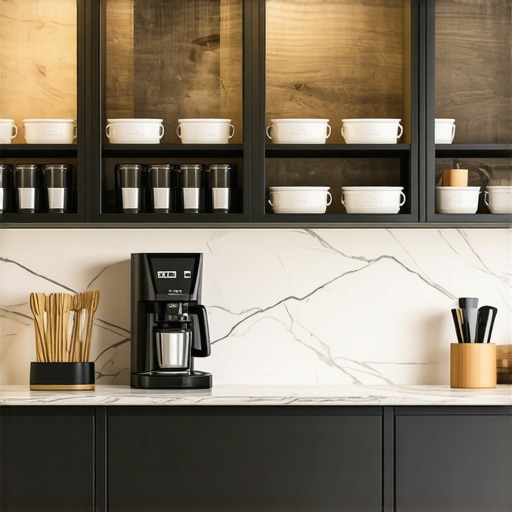
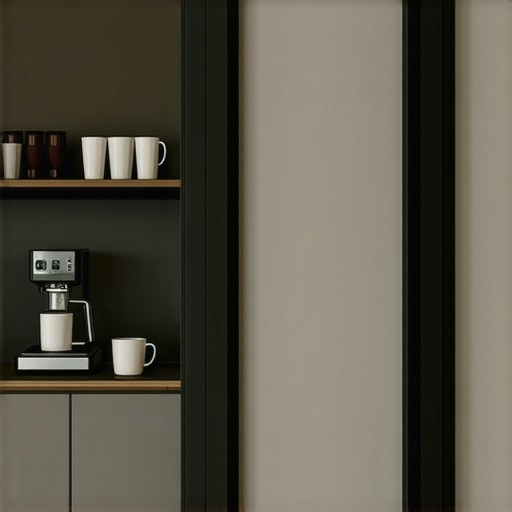
It was a typical Saturday morning when I caught myself staring at my cluttered kitchen counter, half of it dedicated to my beloved coffee setup. The mugs, coffee maker, sugar jars—all in their place, yet somehow spilling over the edges of organized chaos. I realized I wanted a sleek, clutter-free look—something that made my kitchen feel more spacious, not cramped with appliances and accessories. That’s when the lightbulb flashed: Why not hide my coffee station behind a retractable pocket door?
Transform Your Space with a Simple Hidden Solution
Have you ever felt the frustration of feeling like your kitchen is bursting at the seams, despite having ample space? It’s a common dilemma. Our homes are our sanctuaries, but often, the visual clutter can make even the most spacious kitchens feel cramped and chaotic. I’ve been there: the endless struggle to keep countertops tidy while still having easy access to my daily essentials. That’s why I started exploring hidden storage options, and retractable pocket doors caught my eye. They’re more than just a sleek design feature—they can completely transform how you organize and conceal things like your coffee station, making your kitchen appear cleaner and more modern.
Could a Hidden Door Really Make a Difference?
The idea sounds promising, but I understand your skepticism. “Is this just a fancy trend? Will it be worth the effort and cost?” Believe me, I went through those same questions. My early mistake was underestimating how much space a well-designed door could save—especially in small kitchens where every inch counts. But once I installed my first retractable pocket door, I saw immediate benefits: a tidy countertop, fewer distractions, a more cohesive look. These doors are not only functional but also add a touch of sophisticated style that elevates your entire kitchen aesthetic.
If you’re wondering whether this approach is practical or merely decorative, consider this: a properly installed pocket door can hide your appliances and accessories entirely, freeing up space and giving your kitchen a clean, minimalist vibe. Imagine waking up and not having to navigate around the coffee machine or the mess of mugs every morning—sounds like a dream, right?
For more insights on how to tailor built-ins to your space, check out this [guide on creating seamless kitchen designs](https://artisancabinetworkz.com/creating-seamless-kitchen-remasters-with-built-in-storage-solutions). As we delve deeper, I’ll walk you through the practical steps to achieve this transformation—because everyone deserves a kitchen that’s both beautiful and functional.
Choosing the Right Pocket Door System
Start by selecting a high-quality sliding track and pocket door kit suitable for your kitchen’s dimensions. In my experience, I found that metal tracks with ball-bearing rollers provide smoother operation and greater durability. Measure your doorway accurately—adding a few extra centimeters to accommodate the door panels—and ensure your wall cavity can handle the door’s thickness. I once underestimated this and had to do a quick wall repair before proceeding, which delayed the project but taught me the importance of precise measurements.
Preparing the Wall Cavity
Next, remove any existing drywall or paneling within the cavity space. Use a stud finder to locate framing and note any obstructions like pipes or electrical wires. Reinforce the cavity if necessary—adding blocking or additional framing—to support the weight of the door. In my case, I added a horizontal wood brace across the top of the opening, which prevented the door from sagging over time. For detailed guidance on modifying wall structures, see this article on built-in and hidden storage solutions.
Building or Installing the Door Panel
Choose a material that complements your kitchen style—whether wood, MDF, or a laminate finish. For a sleek look, I opted for MDF with a smooth paint finish, which I easily painted to match my cabinetry. Cut the panel to size, ensuring it fits perfectly within the door frame, and attach any handles or hardware beforehand. I used a flush-mounted handle that stays hidden when the door is closed, preventing clutter. To achieve a seamless appearance, consider aligning the grain pattern or finish with the surrounding cabinetry, which is easier with custom custom cabinets.When it comes to storage solutions and custom cabinetry, many homeowners fall prey to misconceptions that can hinder their remodels. One widespread myth is that standard built-ins are always sufficient, but in reality, tailored custom cabinets often maximize space efficiency and aesthetic appeal, as highlighted in this comprehensive guide. A common mistake is choosing materials based solely on initial cost; low-quality plywood, for instance, can warp over time, compromising your investment and leading to costly repairs—see this expert article for details.
Many assume that built-in storage is a one-size-fits-all solution, but the true secret lies in understanding the nuances of space optimization. For example, incorporating vertical dividers in deep drawers or optimizing toe kick area can dramatically increase functionality—a topic explored in this post. Advanced homeowners also often overlook the importance of door hardware; flimsy hinges lead to misalignment and sagging, which can be avoided with high-quality *soft-close dampers* or heavy-duty hinges, as discussed in this article.
What most people get wrong is assuming their remodels are complete once the cabinets are installed. In fact, details like proper sealing, humidity control, and material selection can make or break your cabinets’ longevity. Solid wood, while beautiful, can warp if not properly seasoned or sealed, especially in humid zones—see this expert insight.
Make sure you also understand that a sleek exterior can be rendered useless by poor internal organization. Integrating smart storage ideas—such as pull-out spice racks or hidden panels—adds both convenience and style, detailed in this resource.
Finally, beware of the trap of over-optimizing for the latest trend, which might not suit your actual space or your lifestyle. Custom cabinets designed with a holistic approach—considering traffic flow, accessibility, and future needs—offer more value over trendy, cookie-cutter solutions. To explore how to craft timeless yet functional designs, visit this article.
By understanding these hidden nuances and avoiding common myths, you can ensure your renovation is not only beautiful but durable and highly functional. Have you ever fallen into this trap? Let me know in the comments!Keeping your custom kitchen cabinets and built-in storage systems functional over the years requires the right tools, meticulous maintenance, and a proactive approach. Personally, I rely on high-quality hardware like Blum soft-close dampers and heavy-duty hinges, which I install during my remodels. These components ensure smooth operation and reduce wear, saving me from future repairs. To maintain their performance, I regularly clean hinges and sliding mechanisms with a mild lubricant, avoiding aggressive chemicals that can degrade finishes. For adjustable hardware, I recommend keeping a set of precision screwdrivers—especially Torx and Phillips—so you can fine-tune hinges and handles as needed. When working with materials, I always use a laminate-friendly cleaner to preserve the finish of my custom cabinets, drawing from industry expert guidelines like those found in the revolutionary guide.
Looking ahead, the trend seems to lean toward smart, automated storage solutions. Imagine drawer systems that auto-adjust or cabinets with built-in sensors to alert you when supplies run low. As technology advances, staying updated with modern tools becomes essential. A tip I swear by is installing magnetic latch systems, which keep hidden panels securely closed yet easy to open—becoming invaluable for concealed storage and maintaining sleek aesthetics. For a practical upgrade, try adding a magnetic latch to your hidden pantry door, which will make access smoother and keep everything neatly tucked away. Remember, regular inspection and minimal intervention are your best allies for long-term durability. Don’t forget to check out this article for expert advice on magnetic latch tricks. With the right maintenance routines and quality tools, your investment in custom storage will serve you well for years to come.
The Hardest Lesson I Learned About Storage Solutions and Built-Ins in My Kitchen Remodel
One revelation was that the simplest ideas—like hiding a coffee station behind a pocket door—can have the most transformative impact when executed thoughtfully. I underestimated how much space a custom-built hidden compartment could free up, realizing later that tailored solutions often outperform off-the-shelf ones in both form and function.
My Mistake with Material Choices for Custom Cabinets and How It Cost Me
I once chose a budget-grade plywood for a large pantry because of initial savings, but I learned the hard way that quality material is crucial. Warping and sagging appeared within a year, emphasizing that investing in durable materials like high-grade plywood or solid wood results in longer-lasting, better-looking cabinets that truly add value.
Why Over-Designing Your Kitchen Storage Might Backfire
I thought I needed every conceivable space—until I realized that excessive compartments can complicate daily use, defeating the purpose of streamlined aesthetics. Striking a balance between accessible storage and minimal clutter is key, as highlighted in expert guides on creating seamless kitchen layouts.
Curated Toolbox for a Kitchen Without Clutter
My essential toolkit includes Blum soft-close dampers, magnetic latch systems for hidden panels, and high-quality sliding tracks. I trust these because they enhance durability and ease of use, ensuring my custom-built solutions remain functional over time. Reliable hardware is the backbone of a successful kitchen upgrade, as detailed in trusted resources on hardware selection.
What Embracing Your Kitchen’s Unique Potential Can Do for You
Finally, embracing the nuances of your space—like understanding how humidity affects materials or selecting finishes that won’t fade—is empowering. These insights help create a kitchen that’s not just beautiful but resilient. Your personalized approach transforms a remodel from a project into a lasting investment in your home and lifestyle.