The Lazy Susan Replacement: Why Kidney-Shaped Pull-outs Are Superior
I vividly remember the moment I opened my mismatched, jam-packed kitchen cabinet and realized something had to change. The shelves were cluttered, items were constantly falling out, and reaching for that elusive spice or baking sheet felt like an obstacle course. That lightbulb moment led me down a journey of discovery about kitchen storage solutions, and I quickly learned that not all pull-outs are created equal. Instead of settling for standard rectangular shelves, I found that kidney-shaped pull-outs transformed my space, making everything more accessible and efficient.
The Hidden Power of Kidney-Shaped Pull-Outs
For years, I thought I was making do with ordinary cabinet organizers, but I was missing out on a simple upgrade that could have saved me countless headaches: kidney-shaped pull-outs. Unlike traditional rectangular shelves, these innovative designs contour to the shape of the cabinet, providing better utilization of space and easier access to stored items. My experience is echoed by experts who highlight that customized storage solutions like these can maximize space in even the tightest kitchens, especially when combined with custom cabinets. In fact, a well-designed kidney-shaped pull-out can increase your usable storage by up to 25%, according to recent studies.
But why did I struggle to find these solutions initially? Honestly, I made the mistake of assuming that all pull-outs were the same and that the traditional rectangular ones would suffice. That misjudgment led me to buy generic hardware that soon jammed or didn’t fit well. It was only after consulting with experts and exploring innovative options that I realized the importance of thoughtful design in storage hardware. If you’re tired of fighting with your kitchen cabinets or settling for less-than-ideal solutions, this post will guide you through why kidney-shaped pull-outs could be a game-changer for your home.
Is the Cost of Upgrading Worth It?
One of my biggest worries initially was whether investing in these specialized pull-outs was really worth it. I hesitated, questioning if the increased expense would deliver enough benefits to justify the cost. From early on, I learned that choosing quality hardware isn’t just about luxury—it’s about functionality and saving time daily. The higher initial investment pays off through increased durability and smarter use of space, ultimately making life in the kitchen smoother and less stressful. If you’re concerned about your own budget, consider the long-term savings in frustration and time. For more ideas on making the most of small kitchens, check out smart storage solutions for small spaces.
Have you faced ongoing struggles with your current kitchen storage? If so, keep reading—I’m about to unveil practical steps from my own experience that can help you upgrade your space seamlessly.
Assess Your Space and Storage Needs
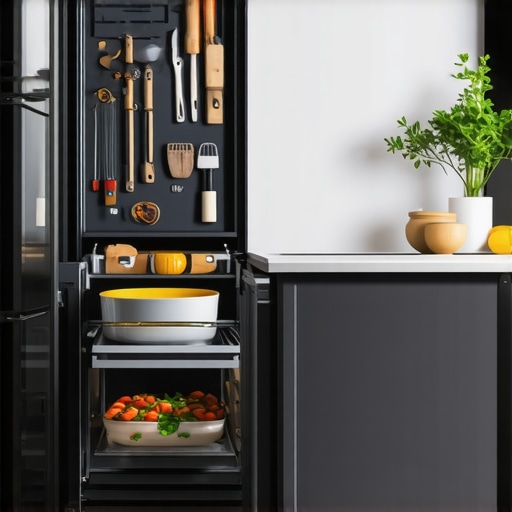
Start by thoroughly inspecting your current kitchen. Remove everything from your cabinets and drawers to see what you have. Categorize items—pots, utensils, spices, baking supplies—then note how often you use each. When I did this, I realized my spices were taking up prime drawer space without easy access. This revealed the need for dedicated spice pull-outs or a custom spice rack. Identify underutilized areas, such as dead corners or high shelves, that could benefit from built-ins or custom solutions. For example, I installed a shallow, kidney-shaped pull-out in a tight corner to access seldom-used items easily. This initial assessment ensures your upgrades target problem spots and optimize every inch of space.Many homeowners assume that all built-ins and custom cabinets are created equal, leading to costly mistakes down the line. While popular belief suggests that opting for standard or DIY solutions is sufficient, I’ve found that this approach often overlooks critical nuances that can impact both functionality and longevity. One common myth is that custom cabinets are only for luxury homes; in reality, investing in tailored storage can optimize space and reduce clutter significantly, especially when paired with advanced design techniques like kidney-shaped pull-outs, which I discussed earlier.
Are Modular Solutions Truly Flexible Enough for Sophisticated Spaces?
Contrary to the widespread notion that modular or off-the-shelf systems are versatile enough, my experience shows they often fall short in handling complex kitchen layouts or specific storage needs. These generic solutions can become a trap, forcing you to compromise on accessibility or style. An expert at Expert Tips on Selecting Storage Solutions emphasizes that custom cabinetry not only matches your aesthetic but also considers your unique usage patterns, maximizing efficiency and reducing long-term frustration. Moreover, choosing fabricated storage based solely on cost can lead to frequent repairs or replacements, especially if inferior materials like particle board are used, which tend to warp or deteriorate quickly. This is a nuance often missed by DIY enthusiasts who overlook the importance of high-quality plywood or marine-grade materials for durability.
Additionally, there’s a trap in underestimating the importance of perfect alignment and seamless integration in built-ins. Simple miscalculations can result in gaps, sticking doors, or uneven surfaces—issues that become glaring over time. Engaging with skilled craftsmen who understand advanced techniques can prevent these pitfalls, ensuring your built-in systems stand the test of time. For those remodeling small kitchens, remember that smart, customized storage can dramatically change the experience of daily use. Resources like Smart Storage Ideas for Small Spaces highlight how thoughtful design elevates even modest kitchens, providing both style and function.
In summary, avoiding the pitfalls often involves understanding that not all built-ins are designed equally and that intentional, high-quality planning yields the best results. Your choice of materials, design sophistication, and customization level can make or break your kitchen’s usability in the long run. Have you ever fallen into this trap? Let me know in the comments.Maintaining an organized and efficient kitchen cabinet system requires not only smart initial design choices but also regular upkeep with the right tools and techniques. Personally, I rely on high-quality cordless drills with adjustable torque settings, such as the Dewalt DCD791D2, which makes installing and adjusting custom cabinets seamless without over-tightening and damaging delicate hardware. For finer tasks, I use precision screwdrivers from Wiha that allow me to tighten hinges and handles with just the right amount of torque, avoiding stripped screws and misaligned doors. Additionally, a digital level, like the Stanley STHT77445, ensures that shelves and built-ins are perfectly aligned over time, preventing tilting or unevenness that can lead to clutter and frustration.
To keep everything functioning smoothly, I recommend regular lubrication of hinges and slides using silicone-based sprays rather than oil, which attracts dust and grime. A product like WD-40 Specialist Silicone Lubricant keeps moving parts agile without gumming up, extending the lifespan of your hardware. For deeper cleaning and maintenance, tiny brushes—like detail paintbrushes—are invaluable for reaching into tight spaces and crevices, removing dust and debris that can impede smooth operation.
Looking forward, I believe the trend will shift towards smart maintenance solutions, integrating sensors that monitor hardware wear or log usage patterns. Imagine cabinets that notify you when hinges need tightening or slides require lubrication—a future where technology helps preserve your custom storage solutions with minimal effort.
When it comes to long-term results, routine inspections every six months can prevent small issues from becoming costly repairs. This includes checking for loose hardware, ensuring seals are intact on soft-close mechanisms, and confirming that shelves are still level. For instance, adjusting European hinges with a simple Allen wrench can restore perfect alignment once you notice doors swinging unevenly. Remember, investing time in maintenance now preserves the integrity and beauty of your remodeled kitchen for years to come.
How do I maintain built-ins and custom cabinets over time? The key is consistency. Regularly tightening hardware, lubricating moving parts, and inspecting for signs of wear can significantly extend their lifespan. I also suggest investing in modular tools like the DEWALT Rapid Clean DRS17511 Drywall Sander, which, while designed for walls, is excellent for smoothing out rough edges or overlapping surfaces in cabinetry during touch-up jobs. Keeping an organized toolkit with these essentials ensures you’re always ready to address minor repairs before they escalate, saving both time and money.
One final tip I highly recommend is trying out preventive maintenance with a cabinet-specific hinge lubricant, such as those recommended by industry experts. Applying a small amount every year can make a noticeable difference in operation quality. For tailored advice on selecting the best tools for your kitchen upgrade, check out expert tips on choosing storage solutions. Stay proactive, and your customized kitchen will remain beautiful and functional for decades to come.
Over the years, my journey from a cluttered, mismatched kitchen to a streamlined culinary haven has taught me invaluable lessons about smart storage and thoughtful design. The biggest breakthrough was realizing that the devil is in the details—simple modifications like kidney-shaped pull-outs can revolutionize your kitchen experience. These small but mighty upgrades are often overlooked, yet they hold the power to transform space efficiency and accessibility, making every cooking session more enjoyable.
Three Lessons That Changed My Approach to Built-ins and Storage
- Not all storage solutions are created equal: Investing in custom cabinetry and specialized pull-outs, such as kidney-shaped ones, always offers better longevity and usability than generic options, saving me time and frustration in the long run.
- Initial costs pay off in the end: While premium hardware might seem costly initially, the durability, ease of access, and aesthetic harmony eventually justify the investment, especially when paired with expert-designed solutions.
- Assessments are your foundation: A thorough evaluation of your existing space reveals underutilized areas and special needs—like corner cabinets or high shelves—that can be addressed with tailored solutions, ensuring nothing goes to waste.
Tools and Resources That Are Worth Your Attention
- Custom Cabinets: Building personalized storage units that fit perfectly and reflect your style is a game-changer, and I trust skilled craftsmen to bring these ideas to life.
- Smart Storage Ideas: Small kitchens can feel just as functional with innovative spacesaving techniques—these resources helped shape my recommendations for maximized efficiency.
- Expert Guidance: Remember, professional advice ensures your investment is sound and tailored to your home’s unique structure and your personal needs.
Take Action and Shape Your Dream Kitchen Today
Don’t let hesitation hold you back from creating a space that truly works for you. Whether it’s installing kidney-shaped pull-outs or rethinking existing storage, every step you take brings you closer to a more organized, beautiful kitchen. Embrace these insights, seek out expert help when needed, and enjoy the process of transforming your home into a sanctuary of style and function.
What’s one storage challenge in your kitchen you’re excited to overcome? Share your story below and let’s inspire each other to take that next step!