The Real Reason Your Soft-Close Drawers Are Sluggish in Winter
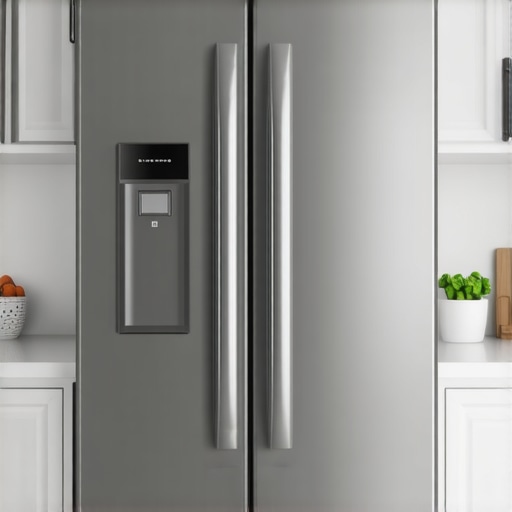
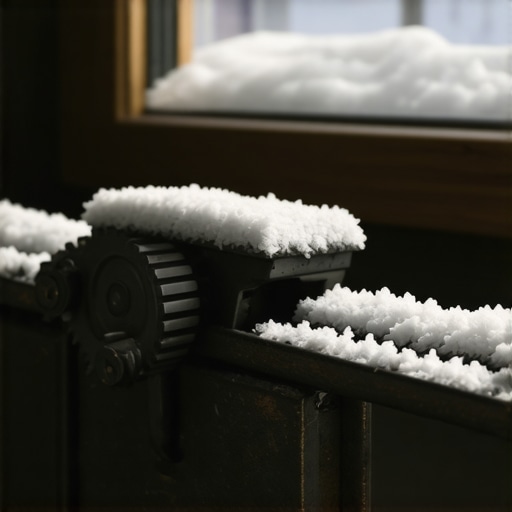
I walked into my kitchen last Tuesday at 6:00 AM, shivering and clutching a cold mug. I nudged my heavy utensil drawer shut, expecting that satisfying, silent “whoosh” that usually greets me. Instead? Nothing. It hung there, three inches open, completely indifferent to my need for a closed cabinet and a sense of order. [image_placeholder_1] If you have ever felt like you are fighting your own custom cabinets just because the thermometer dipped below forty, you are not alone. It is frustrating, it looks messy, and it makes you wonder if you wasted your money on those fancy “silent” upgrades. Today, I am going to explain exactly why this happens and how you can fix it without calling a contractor or tearing your hair out. The solution is simpler than you think, but it requires understanding that your kitchen is a living, breathing environment that reacts to the seasons just as much as your garden does. I remember standing there that morning, thinking I had been scammed by the hardware manufacturer. I had just completed a custom cabinet journey for a client, and their pantry was doing the same thing. I felt the heat rising in my neck—part embarrassment, part confusion.
Your Kitchen Isn’t Broken—It Is Just Feeling the Chill
Most of us assume that a drawer that won’t close is a sign of a mechanical failure or a cheap product. I have been there. In my early days of woodworking, I actually made the expensive mistake of replacing an entire set of high-end slides because they were “acting up” in January, only to realize the new ones did the exact same thing within forty-eight hours. I felt like a total amateur. The reality is that most drawers that won’t close all the way in winter are victims of simple physics. Soft-close mechanisms rely on a tiny hydraulic piston filled with oil. When the temperature drops, that oil thickens, creating more resistance than the spring can overcome. Think of it like honey. In the summer, honey flows like a dream. In the winter? You are lucky to get a drop out of the jar without a fight. That is exactly what is happening inside that little grey cylinder tucked under your drawer. According to industry research from the National Kitchen & Bath Association, environmental factors like humidity and temperature can affect hardware performance by up to 30% in uninsulated spaces. If your kitchen is part of a modern kitchen remodel that hasn’t quite addressed cabinet-wall insulation, or if your cabinets sit against an exterior wall, you are going to feel this more than most. This sluggishness is simply the oil becoming more like molasses and less like water.
Is high-end hardware actually worth the trouble?
You might be thinking that maybe you should have just stuck with the old-school “slam-shut” drawers that never complained about a draft. I get it. The skepticism is real when something you paid a premium for starts acting like a teenager who won’t get out of bed. But before you give up on your storage solutions, realize that this is a fixable quirk, not a permanent defect. High-end hardware offers longevity and weight capacity that basic rollers just cannot match. Have you noticed your drawers getting “lazy” since the first frost hit, or are you worried that your recent investment is already failing? It is a common headache, but a few simple adjustments can get them gliding again without needing a degree in engineering. We are going to look at the tension settings and a few lubrication tricks that don’t involve messy sprays or ruining your finish. By the time we are done, you will have drawers that respect your personal space again, regardless of what the weather channel says.
Adjust the Tension Dial Before Giving Up
Most high-end slides like Blum or Grass have a small adjustment tab or screw near the back. Think of it as a thermostat for your drawer. I have seen homeowners ready to rip out their entire how to fix a drawer that wont close all the way setup when all they needed was a simple quarter-turn to increase the spring tension. If the oil inside the hydraulic piston is thick due to the cold, you need to give the spring more muscle to pull that drawer home. Locate the tension slider—usually a small grey or black plastic tab—and move it toward the plus sign. This increases the closing force. 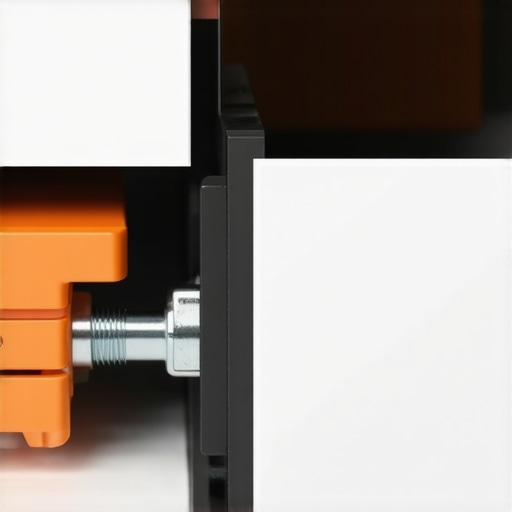 I remember a frantic call from a client in January whose custom cabinets were all hanging open. They thought the house was settling. It took me ten minutes and zero tools to just nudge those tension tabs forward, and suddenly the kitchen was silent and sealed again.
Scrub Away the Sludge to Restore the Glide
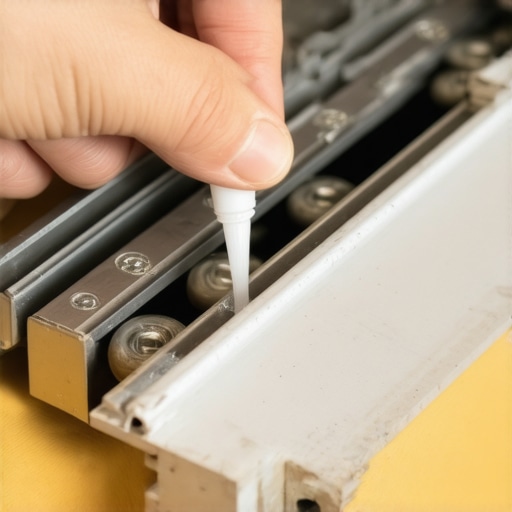
It isn’t just the cold oil; it is what the oil catches. Over time, your slides collect a fine dust that, when mixed with cold, thickened hydraulic fluid, creates a sticky paste. If you notice your drawer slides are grinding, this is likely why. Before you apply any new lubricant, you must use a microfiber cloth and a mild degreaser to strip the slides back to the metal. If you skip this, you are just adding a fresh layer of ‘glue’ to the problem. I once spent four hours with a toothbrush cleaning out a pantry because the owner had kept ‘topping off’ the grease without ever cleaning the old gunk out. It was a grey, gummy mess that looked like something from an engine block.
Choose Silicone Over Grease to Prevent Seizing
Here is the mistake that almost cost me my reputation early on. I once grabbed a can of heavy-duty grease to fix some squeaky built-ins and storage hacks. It worked for three days. By day four, the customer called because the drawers were literally stuck. Standard grease is too heavy and actually attracts more debris. Instead, use a dry silicone spray or a specialized PTFE lubricant. These products provide a slick surface without the oily residue that thickens in January. Just spray a tiny amount onto a cloth and wipe it onto the tracks—never spray directly into the mechanism, or you might end up with a mess on your custom cabinets ideas that transform your homes style.
Shield Your Cabinets from Exterior Wall Chills
If your drawers only act up on one side of the room, check the wall behind them. Often, modern kitchen remodels featuring custom cabinets and built-ins overlook the ‘thermal bridge’ of an exterior wall. If your cabinets aren’t insulated from that cold air, they become refrigerators for your hardware. You can actually see why your drawer fronts are crooked simply because the metal tracks are physically contracting and making the oil sluggish. A quick fix? If you have access from below or behind, adding a thin layer of rigid foam insulation can keep the ambient temperature around those pistons high enough to keep the oil flowing. You would be surprised how a five-degree difference can make your kitchen feel functional again.
Stop Blaming the Hardware for Box-Level Failures
Most homeowners assume that if they invest in the most expensive hardware, their kitchen will be bulletproof. This is a common misconception I see during every custom cabinet journey. Everyone says the slides are the soul of the drawer, but in my experience, the cabinet box is the actual skeleton. If your cabinet box wasn’t built with the ‘trifecta’—meaning why your cabinet boxes should be stapled, glued, and screwed—then no amount of expensive hardware will save you when the house settles or the temperature drops. A flimsy box will flex just a fraction of an inch in the cold, and that tiny shift is enough to throw a high-tolerance slide out of alignment. 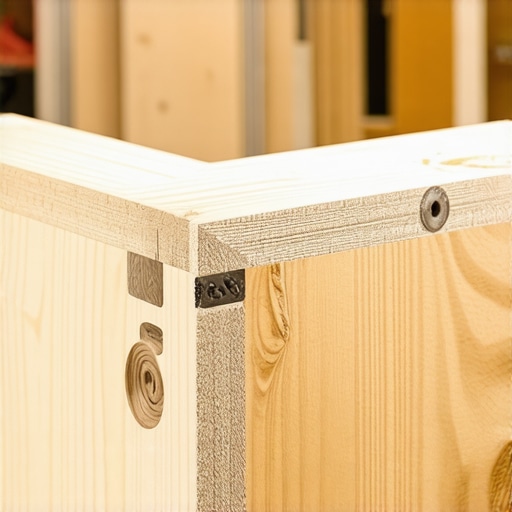
Why do even the best slides fail under heavy loads?
It is a question I get from clients who are frustrated that their deep drawers feel ‘crunchy’ after just a year. The advanced mistake here isn’t the cold; it’s the load distribution. The Architectural Woodwork Institute (AWI) notes that structural stability and hardware performance are inextricably linked to weight ratings and moisture content. When you are looking for innovative storage solutions for modern kitchen remodels, you have to be honest about what you are storing. I have seen 100lb-rated slides fail because someone placed three cast-iron Dutch ovens in the back-left corner of a drawer. This creates a torque that the hydraulic piston wasn’t designed to handle, especially when the oil is already thickened by winter air. If you want to avoid this, you need to master the best way to organize heavy dutch ovens in a deep drawer, which involves centering the weight to keep the slides parallel.
Avoid the Over-Cleaning Trap That Ruins Your Glide
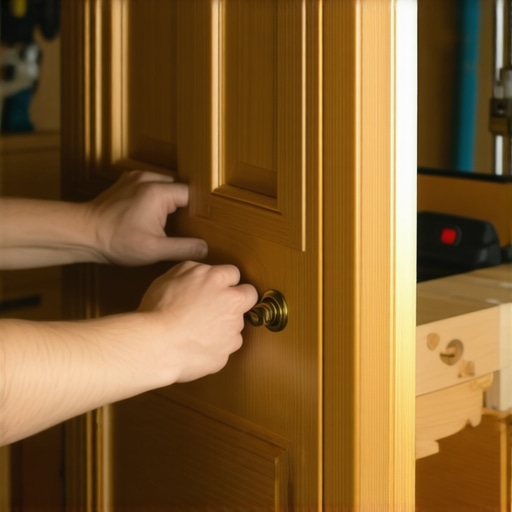
The ‘Oops’ factor most people hit is over-maintaining. I know it sounds counterintuitive, but reaching for your heavy-duty kitchen degreaser to clean your storage solutions can be a fatal error for your hardware. Those cleaners are designed to eat grease, but they don’t know the difference between ‘bacon splatter’ and the ‘factory-applied lubricant’ inside your soft-close mechanism. If that cleaner seeps into the piston, it breaks down the viscosity of the oil permanently. You’ll fix the winter sluggishness, sure, but you’ll replace it with a drawer that slams like a screen door in a hurricane. Have you ever fallen into this trap of over-cleaning your hardware only to have it fail? Let me know in the comments. Stick to a damp microfiber cloth for the tracks and leave the chemicals for the countertops.If you are going to take your maintenance into your own hands, there is one tool I insist you buy before you even think about touching a screwdriver. I am talking about a dedicated hardware jig. I personally use the True Position Drill Guide because it eliminates the ‘oops’ factor when you are dealing with expensive drawer faces. When you are figuring out the best way to drill holes for new cabinet hardware, guessing is your worst enemy. I have seen two-thousand-dollar doors ruined by a simple one-sixteenth-inch slip. This tool locks into place, ensuring every handle is perfectly symmetrical, which is the hallmark of professional custom cabinets.
How do I maintain my cabinet hardware over time?
The secret to longevity isn’t just cleaning; it is regular inspection. Twice a year—usually when the clocks change—I do a walk-through of my kitchen. I open every drawer and listen. Is there a click? A catch? A slight rub? This is the perfect time to use the 5-minute hinge adjustment for fixing wonky cabinet reveals. Catching a door that is slightly out of plumb prevents it from wearing down the finish on the frame over years of use. According to the Blum Technical Manual for TANDEM plus BLUMOTION, even a slight misalignment can increase internal friction, leading to premature failure of the hydraulic dampener. 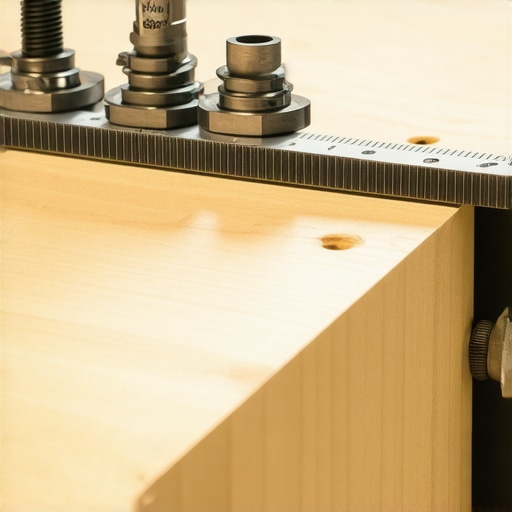
Control the Air to Save the Wood
Beyond the hardware, you need to think about the environment. Wood is an organic, breathing sponge. If your home’s humidity swings wildly between twenty and sixty percent, your innovative storage solutions for modern kitchen remodels will move, swell, and shrink regardless of how well they were built. This constant movement is what causes those dreaded hairline cracks in the paint at the joints. I always tell my clients to invest in a simple ten-dollar digital hygrometer. If you keep your kitchen between thirty-five and forty-five percent humidity, your cabinets will look brand new for a decade. Looking ahead, I see the industry moving toward ‘active’ hardware. We are already seeing motorized opening systems that don’t just close softly but actually assist you in opening heavy drawers when your hands are full. It is the ultimate evolution in smart storage ideas to maximize your kitchen space this year. If your drawers are still giving you trouble after these tweaks, don’t keep forcing them. You can always reach out to us directly to troubleshoot your specific setup before you accidentally break a slide. Give that tension dial one more quarter-turn today and see if it doesn’t change your entire morning routine.
What My Most Frustrating Winter Service Calls Taught Me
After years of troubleshooting hardware in freezing kitchens, I have realized that the most expensive slides are often the most sensitive to temperature. It is a paradox that catches many homeowners off guard. I have learned that a drawer that stops an inch short isn’t a failure of the product, but a signal that the environment has shifted. Another lightbulb moment for me was realizing that humidity control is actually more important than the hardware brand itself. If you manage the moisture in the air, you are essentially protecting your custom cabinets from the physical expansion that causes friction. Lastly, never underestimate the power of a tiny adjustment; 90% of the ‘broken’ drawers I see only need a simple nudge of the tension tab to overcome that cold-weather sluggishness. It is about understanding the physics behind the luxury.
The Maintenance Kit I Keep in My Own Truck
If you want to keep your kitchen running like a well-oiled machine, you need a few specific items. I always recommend the True Position Drill Guide if you are doing your own hardware installs, but for seasonal maintenance, a high-quality dry PTFE lubricant is non-negotiable for built-ins and storage hacks. I also keep a digital hygrometer in my pantry to monitor the air—it is the best ten dollars you will ever spend on your home to prevent wood warping. For those who want to dive deeper into the technical side, the Blum Technical Manual is my go-to source for understanding how tolerances work in innovative storage solutions for modern kitchen remodels. These tools turn frustrating guesswork into a precise science.
Master Your Kitchen’s Seasonal Moods
Your home is a living space that breathes and reacts to the world outside. Don’t let a few cold mornings make you lose faith in your smart storage ideas to maximize your kitchen space this year. By applying these small tweaks—cleaning the tracks, adjusting the tension, and managing the humidity—you are doing more than just fixing a drawer; you are preserving the longevity of your entire investment. It is about working with the wood and the metal, not against them. A little bit of seasonal grace goes a long way in a high-end kitchen. If you ever feel like the problem is bigger than a simple adjustment, you can always reach out to us for professional guidance. A smooth-gliding kitchen is within your reach, regardless of the weather channel. Have you ever struggled with a drawer that just won’t close when the temperature drops? Let me know below.