Why Your Drawer Slides Are Grinding and How to Clear the Ball Bearings
There I was, coffee in one hand, reaching for the heavy cast-iron skillet drawer with the other. I gave it a firm tug, expecting the usual smooth motion, but instead, I got a “crunch.” It wasn’t just a sound; I could feel the metal-on-metal vibration traveling right up my arm. My first thought? “Well, there goes another hundred bucks on hardware.” We spend so much time focusing on modern kitchen remodels featuring custom cabinets and built-ins, yet we often ignore the tiny ball bearings that actually make the whole thing functional. If your drawers are fighting you, don’t reach for the replacement catalog just yet. I’ve been down this road, and usually, the fix is much cheaper—and closer—than you think. Today, we are going to dive into the guts of your cabinetry to stop that grinding for good. I’ll show you how to identify if your bearings are just dirty or actually toast, and I’ll share the exact cleaning method I use to keep my shop drawers gliding like silk.
Your Hardware Might Not Be Broken Just Yet
A few years back, I made the classic “rookie” mistake. My heavy pantry drawer started sticking, so I just grabbed a can of thick automotive grease and packed it in there. I thought more lube meant more smooth, right? Wrong. That grease turned into a magnet for flour, dust, and pet hair. Within a month, the drawer wouldn’t even close. The real reason your cabinet drawer slides are grinding is rarely because they ran out of oil; it’s because the oil they have has turned into an abrasive sandpaper paste that eats away at the tracks.
Is It Actually Possible to Clean These Without Buying New Ones?
It’s a fair question. Most people assume these slides are “sealed for life.” While they aren’t exactly designed to be serviced like a car engine, you absolutely can flush out the gunk. According to industry experts at SKF, contamination is responsible for roughly 25% of all premature bearing failures. If you catch it early, you’re just removing dirt. If you wait, those tiny steel balls will start “pitting” the metal tracks, and then you really are looking at a full replacement. This is especially common on high-use areas. For instance, why your trash pull-out needs a bottom-mount slide for better weight handling often comes down to how much debris falls into the tracks. If you’ve got a why your soft-close slides grind and the quick lubrication fix situation, the process is essentially the same: we need to get the old, dirty grease out before we can put the good stuff back in. Have you noticed a specific drawer in your house that seems to “crunch” more than the others? Usually, it’s the one right under the cutting board or near the stove! Let’s get our hands a little dirty and save those slides.
Get Those Drawers Off the Tracks
Before you can fix the problem, you have to get the drawer out of the box. Most modern built-ins and storage hacks for a sleek functional kitchen use full-extension slides with a small plastic release lever. Pull the drawer all the way out, then look for that tiny black or grey tab. One side goes up, the other goes down. I learned the hard way that if you force it, you’ll snap that plastic faster than a dry twig. I once spent three hours trying to “MacGyver” a broken lever with a paperclip because I was too impatient to just feel for the click. Slow down, find the release, and lift the drawer box away from the cabinet.
Flush the Grit Out with a Degreaser
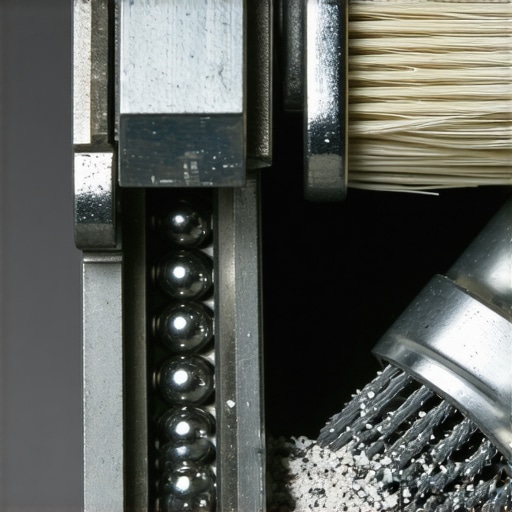
Now that you can actually see the tracks, you’ll likely see a line of black, oily sludge. This is the “sandpaper paste” I mentioned earlier. To get rid of it, don’t just wipe it with a paper towel; you need to dissolve it. I prefer using a citrus-based degreaser or even a bit of mineral spirits on a lint-free rag. Think of your drawer slides like a high-end bicycle chain—if there is grit inside the links, the whole system wears down. 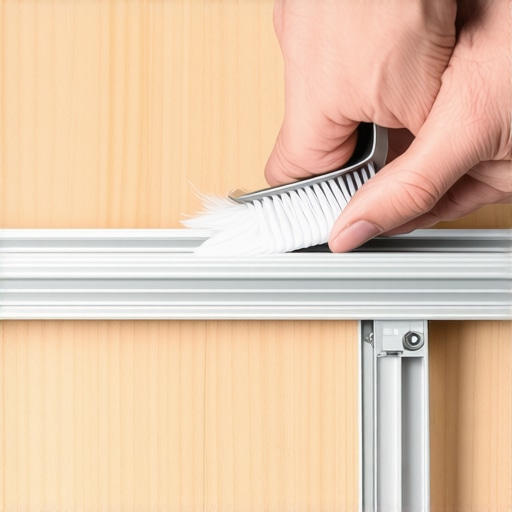 Take an old toothbrush and scrub the ball bearing carriages. These are the small metal balls held in a plastic or metal cage. Move the carriage back and forth as you scrub to ensure you’re reaching every nook. If you are dealing with why your soft-close slides grind and the quick lubrication fix, pay extra attention to the rear of the slide where the soft-close mechanism “catches” the drawer. If that area is gummed up, the piston won’t fire correctly, leaving your drawer hanging open an inch.
Dry It Better Than You Think You Need To
Any leftover solvent will eat your new lubricant. I use a can of compressed air to blow out the tracks after cleaning. This step is non-negotiable. I once rushed a project where I was trying to maximize space with innovative storage solutions for every room, and I applied the new lube while the track was still damp with cleaner. It turned into a milky, useless mess within minutes. Take five minutes, grab a beer, and let the tracks air-dry completely.
Apply the Right Lubricant for the Long Haul
Forget the WD-40 “blue can” and stay away from heavy axle grease. You want a dry PTFE (Teflon) spray or a high-quality white lithium grease. Dry PTFE is the gold standard for innovative storage solutions for modern kitchen remodels because it creates a slick surface that doesn’t attract dust. Spray a light coating along the inner tracks and onto the ball bearings. Slide the carriage back and forth a dozen times to distribute the lube. You’ll feel the difference almost instantly—the “crunch” will be replaced by a faint, metallic whisper.
Reinstall Without Stripping the Screws
When putting the drawer back, align the members carefully. If you feel resistance, stop. You don’t want to bend the ball bearing cage. This is often where people make the cabinet screw mistake that causes heavy drawers to fail by trying to jam the drawer back in and knocking the slide out of alignment. Once it clicks into place, cycle the drawer four or five times to let the bearings find their “home.”Everyone tells you that the look of your kitchen is what matters most for resale. I disagree. I’ve seen $50,000 modern kitchen remodels featuring custom cabinets and built-ins fall apart in five years because the homeowner prioritized the paint color over the structural box construction. There’s a persistent myth that high-density particle board is a suitable substitute for plywood in high-moisture areas. In my experience, that’s a recipe for disaster. Particle board acts like a sponge, especially near the dishwasher or sink. This is why plywood box construction still beats particle board for kitchens every single time. If your base cabinets aren’t rock solid, those expensive slides we just cleaned will eventually bind because the box itself is shifting out of square.
The Weight Rating Trap Homeowners Ignore
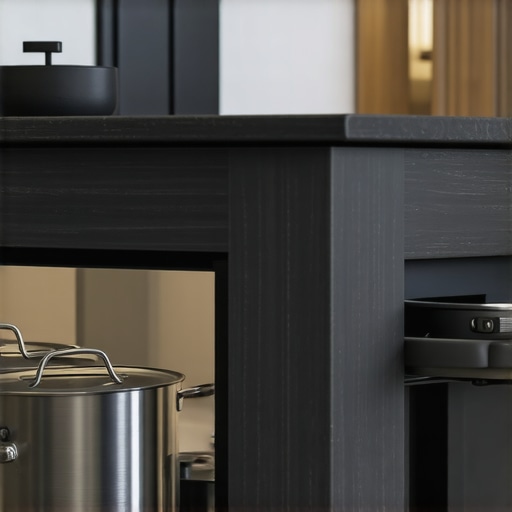
One trap I see professionals fall into—and homeowners unknowingly follow—is ignoring the dynamic weight rating of their hardware. Just because a drawer is wide doesn’t mean it can handle your collection of cast-iron Dutch ovens without consequence. According to the Kitchen Cabinet Manufacturers Association (KCMA), standard-duty slides are typically rated for 75 to 100 pounds. That sounds like plenty until you realize a heavy, 30-inch maple drawer box can weigh 20 pounds empty. Add a set of pans, and you are red-lining your hardware every time you pull it out. If you overload them, you aren’t just grinding bearings; you’re bowing the metal tracks, which no amount of cleaning can fix. 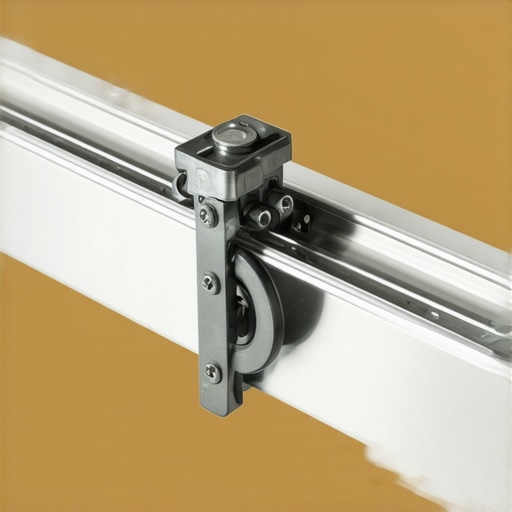 This is often the root of the cabinet screw mistake that causes heavy drawers to fail. People use standard #6 screws when they should be using rugged fasteners that bite deep into the side walls. For serious organization, expert tips on selecting storage solutions for a perfect kitchen upgrade always emphasize matching the slide capacity to the intended contents.
Will My Soft-Close Hinges Fail if I Don’t Adjust the Tension?
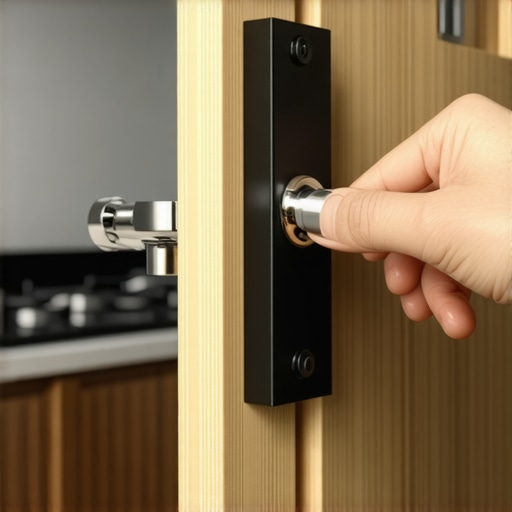
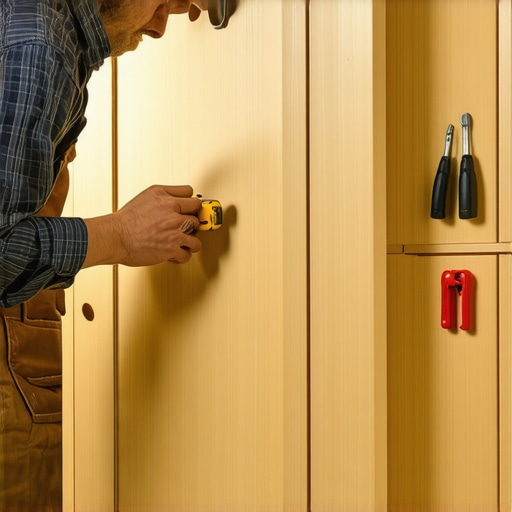
Most people don’t realize their hinges have a manual tension switch or resistance setting. If you have a massive pantry door, one hinge might be doing 80% of the dampening work while the other just follows along. This uneven load leads to an inevitable slam even when you have soft-close technology installed. You need to learn how to adjust European hinges for a perfectly level door reveal to ensure the weight is distributed across the entire frame. If you’ve noticed the reason your cabinet doors are slamming despite having soft-close hinges, it’s often a simple matter of the piston being overwhelmed. Beyond simple maintenance, look for innovative storage solutions for modern kitchen remodels that prioritize longevity, like the removable cabinet back move that simplifies your next drain pipe repair. Building a beautiful kitchen is easy; building one that can actually be serviced is where the real expertise shows. Have you ever fallen into the trap of picking pretty over functional hardware? Let me know in the comments.It’s easy to get distracted by aesthetics, but I’ve seen dozens of high-end modern kitchen remodels featuring custom cabinets and built-ins ruined by a drill bit that slipped. When you are investing in custom cabinets ideas that transform your homes style, the last thing you want is a crooked handle that mocks you every morning. I swear by the Kreg Cabinet Hardware Jig for every project. It is the one tool you need for perfectly-aligned cabinet knobs every time because it removes the risky human error factor of a tape measure. I personally use it because it allows me to set a repeatable stop, ensuring the handle on the first drawer is identical to the last. According to the Blum TANDEM Technical Manual, even a slight misalignment in the cabinet box or hardware can lead to lateral binding, which dramatically increases the friction and wear on those ball bearings we just cleaned. If your hardware is off by even a fraction of an inch, the drawer won’t just look bad—it will literally grind itself down over time. 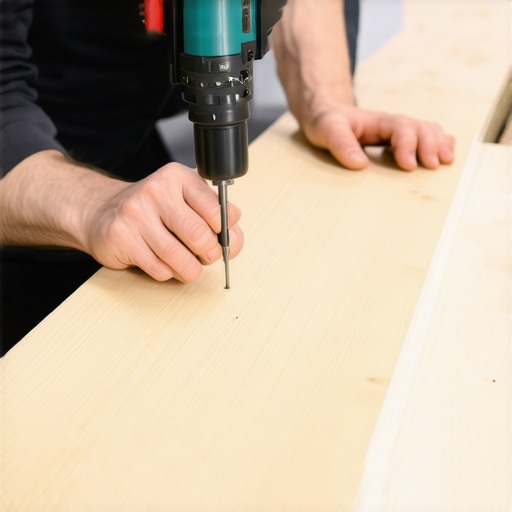
How do I keep my custom cabinets looking new for a decade?
Maintenance isn’t just about the moving parts; it’s about protecting the finish of your cabinetry. I always tell my clients that expert tips on selecting storage solutions for a perfect kitchen upgrade are useless if you use the wrong cleaners. Avoid anything containing ammonia or bleach. I use a simple mixture of warm water and a single drop of Dawn dish soap on a microfiber cloth. For the hardware, a quick wipe with a dry cloth once a month keeps the natural oils from your hands from pitting the metal finish. If you’re looking at smart storage solutions for small kitchens in 2025, you’ll likely see more integrated lighting and motorized components. These require a “listen and look” check every six months. If a motorized lift sounds strained or develops a new hum, it’s usually a sign that the cabinet has shifted slightly out of level.
The Future of Your Kitchen Storage
Looking ahead, I see a massive shift toward “active” storage systems. We aren’t just building wooden boxes anymore; we are building environments that adapt to the user. Trends are moving toward modularity where you can swap out built-ins that elevate your living rooms functionality for different storage needs as your family grows. I predict we will soon see AI-integrated pantry systems that monitor shelf weight to alert you when staples are low, but until that technology becomes affordable, the best thing you can do is stick to the maintenance basics. My advanced tip for you this week: go into your kitchen right now and pull out your heaviest drawer. Check the slide for any black “sludge” and give it a quick wipe with a clean rag. It takes two minutes and can save you a $200 hardware replacement bill next year. Seriously, don’t wait for the “crunch” to happen before you take action.
Lessons from the Trenches: What I Learned the Hard Way About Hardware
After years of building and repairing, I’ve realized that the small stuff is actually the big stuff. The hardest lesson I ever learned wasn’t how to build a box, but how to stop one from failing under pressure. I once ignored a ‘sticky’ drawer in a client’s house, only to have the entire bearing carriage explode a week later, damaging the internal finish. Now, I treat hardware maintenance with the same respect as a car’s oil change. Maintenance isn’t a one-and-done deal; just because you cleaned them once doesn’t mean they’re set for life. I now recommend checking high-traffic drawers every six months to prevent the accumulation of ‘sandpaper paste’ that grinds down steel. Furthermore, always remember that weight is the silent killer. Many homeowners invest in custom cabinets ideas that transform your homes style without verifying if the slides can handle their heavy cast-iron collections. Always over-spec your hardware weight rating to ensure longevity.
The Only Tools I Trust to Keep My Kitchen Running
If you’re serious about maintaining your expert tips on selecting storage solutions for a perfect kitchen upgrade, you don’t need a garage full of power tools. I’ve spent a small fortune on gear, but for hardware, simplicity wins. I trust dry PTFE spray because it dries instantly and won’t attract the dust that ruins bearings. I also keep a set of non-marring plastic scrapers for cleaning tracks without scratching the metal finish. For alignment, I never trust my eyes alone; I use digital calipers to ensure the slides are perfectly parallel. These simple tools ensure that smart storage solutions for small kitchens in 2025 actually stay functional and silent for the long haul.
It’s Your Turn to Stop the Grind
You don’t need to be a master carpenter to have a kitchen that feels brand new. Often, the difference between a frustrating kitchen and a luxurious one is just five minutes of cleaning and the application of the right lubricant. As you plan your next modern kitchen remodels featuring custom cabinets and built-ins, remember that true quality is found in the details that move. Don’t let a little bit of grit stand between you and a perfectly gliding drawer. Go ahead, pull out that heavy pot drawer and check the tracks today—your hardware will thank you for years to come. Have you ever had a drawer slide completely fail on you, or are you catching the grit early? Let me know in the comments below!