Why Brass Hardware is Back: Selecting Finishes That Won’t Tarnish
I remember the first time I installed a beautiful set of brass cabinet handles in my kitchen. Within weeks, they started losing their shine, developing a dull patina that I didn’t quite expect. That lightbulb moment made me realize that not all brass finishes are created equal—and that choosing the right finish can make or break your remodel.
If you’ve ever invested in stunning hardware only to watch it tarnish and lose its charm prematurely, you’re not alone. Many homeowners get caught up in the allure of Brass Hardware and its vintage appeal, but face disappointment when the finish doesn’t hold up. This led me down a rabbit hole of research, experimentation, and yes—early mistakes, like assuming all brass finishes are maintenance-free.
Today, I want to share my insights into selecting finishes that will keep your hardware looking beautiful for years to come. We’ll explore which brass options are truly durable, how to avoid common pitfalls, and what finishes are worth the investment. Whether you’re embarking on a full kitchen overhaul or just refreshing your cabinet knobs, understanding the nuances of brass finishes will save you time, money, and frustration.
The Resurgence of Brass in Modern Design
Brass has made a stunning comeback in interior design, bringing warmth and a touch of luxury that many other finishes can’t match. It’s versatile, pairing well with both sleek modern and classic farmhouse styles. But why are so many people suddenly obsessed with brass again?
Partly because of its vintage charm, but also because manufacturers have introduced a variety of new finishes that promise to be more resistant to tarnish and wear. Still, the key is knowing which ones actually deliver on that promise.
Early in my kitchen projects, I made a mistake I see many others make—assuming all brass finishes are equally long-lasting. I chose a popular brushed brass without considering its composition, and it started showing signs of wear within months. That was a costly lesson.
For a smoother remodel journey, I recommend researching finishes that are specifically formulated for durability. For example, some manufacturers offer clear coats or protective layers that help brass resist corrosion and fingerprints. And when in doubt, consulting experts or reading reviews can help you find finishes that truly stand the test of time.
Curious about which finishes are the best bet? Let’s dive into the options that will ensure your hardware remains stunning, no matter what life throws at it. If you’ve faced the frustration of tarnished hardware, stick around—I’ll guide you through selecting the perfect, lasting brass finish for your space.
Identify Your Style Goals and Finish Preferences
Start by clarifying your aesthetic vision—do you want a vintage look or a sleek modern vibe? Knowing this guides your finish choice. I once aimed for a contemporary feel and initially picked brushed brass without considering its wear resistance. That choice led to early tarnishing, teaching me to align style with durability.
Research Reliable Brass Finish Options
Delve into finishes like lacquered brass, antique brass, or clear-coated options. Look for descriptions mentioning resistance to tarnish, fingerprints, and wear. When I was shopping, I filtered options with protective topcoats, which significantly extended their lifespan. Use resources like manufacturer websites and reviews to assess real-world performance. Learn more about top finishes from hardware finishes.
Consult Manufacturers on Protective Layers
Contact suppliers to inquire if their brass hardware includes protective coatings or clear sealants. In my experience, speaking directly revealed which finishes had added defenses against daily wear. For instance, I requested brass handles with a matte lacquer layer, ensuring easier cleaning and longevity. This step saved me from premature tarnishing.
Evaluate Compatibility with Your Environment
Assess your home’s humidity and cleaning routines. Brass finishes with thin coatings might struggle in humid kitchens or bathrooms. I installed a sealed brass faucet after confirming its coating could withstand steam and splashes, preventing corrosion. Remember, the right finish thrives in the right environment.
Select and Install with Care
Choose hardware with documented durability features. During installation, handle with clean gloves to prevent fingerprints from affecting the finish. After installing, establish a maintenance routine—regular gentle cleaning with a soft cloth preserves the protective layer. I learned this the hard way when neglecting to clean my brass handles, leading to dull spots over time.
Maintain the Finish with Proper Care
Use non-abrasive cleaners and avoid harsh chemicals. A simple mix of mild soap and water is often enough. Periodic application of a protective wax or gear polish can boost longevity. My own routine of wiping hardware weekly kept its shine intact despite daily use. Adopting these practices ensures your chosen finish remains vibrant and resistant to tarnish.
When planning a kitchen remodel, many assume that installing custom cabinets or built-in storage is a straightforward way to optimize space and elevate style. However, even seasoned homeowners can fall prey to misconceptions that lead to costly errors.
One common myth is that larger or more elaborate built-ins automatically provide better functionality. In reality, overestimating the capacity or complexity can backfire, creating cluttered spaces and maintenance headaches. For example, adding overly deep cabinets without considering access can make retrieving items a chore, defeating the purpose of efficient storage. To truly optimize your space, study innovative storage solutions, like those discussed in smart storage ideas for small kitchens, which emphasize proportionate, accessible designs.
Another trap is neglecting the nuances of material choice and environmental factors. Many believe that all wood types perform uniformly, but materials like plywood withstand humidity better than particleboard, especially in moist areas. A hidden nuance is understanding how different finishes and construction techniques impact durability over time. According to industry expert advice, selecting high-quality materials and finishes tailored to your climate can extend the lifespan of your custom cabinetry significantly.
Advanced remodelers understand that even the best plans can overlook the importance of seamless integration. Built-ins should be designed not just for aesthetics but also for natural flow and accessibility. For example, incorporating hidden compartments or pull-out shelves can enhance usability without cluttering the visual space. This is why exploring these seamless storage ideas can reveal innovative ways to maintain clean lines while maximizing utility.
**Why do many built-ins fail to deliver expected benefits, and how can you avoid these pitfalls?** The answer lies in thoughtful planning, understanding materials, and embracing advanced storage strategies. Recognizing that not all solutions are suitable for every environment or user is crucial. Don’t assume that a flashy design guarantees longevity or efficiency. Instead, dig into the specifics of construction quality, environmental compatibility, and usage patterns.
Overlooking these details can result in early wear, difficult maintenance, or wasted space—mistakes that many make without realizing their impact until it’s too late. According to renovation experts, investing in custom solutions that incorporate proper material selection and innovative features like adjustable racks or hidden compartments increases both functionality and satisfaction.
Have you ever fallen into this trap? Let me know in the comments. Remember, a well-informed approach to built-ins and storage can truly transform your kitchen, making it not just beautiful but also remarkably practical.
Invest Wisely in Maintenance Tools for Longevity
When it comes to maintaining your custom cabinets and hardware, having the right tools makes all the difference. Personally, I swear by a high-quality microfiber cloth for daily polishing—it’s gentle enough to avoid scratching finishes but effective at removing fingerprints and dust. Coupled with a soft-bristled brush, I use it regularly to keep surfaces looking pristine without the need for harsh chemicals.
Another indispensable item is a spray bottle filled with a mix of mild dish soap and distilled water. I use this for routine cleaning, ensuring that dirt and grease are gently lifted without damaging protective coatings. For more deep cleaning, I opt for a specialized brass cleaner like Brasso, but only sparingly—overuse can wear down delicate finishes.
Software and Planning Make Maintenance a Breeze
Advanced planning tools can help you keep track of your maintenance routines. I rely on digital checklists created with Trello, setting reminders for cleaning schedules, touch-up treatments, and hardware inspections. Using visual planning helps me stay ahead of wear and tear, especially in high-use areas.
Additionally, keep digital copies of contractor plans, finish specifications, and maintenance manuals. Having this info at your fingertips streamlines touch-ups and proactive care, preventing minor issues from turning into costly repairs. For example, knowing the exact finish type and protective coating used helps you select compatible cleaning agents and touch-up paints.
Long-Term Results Require Consistent Effort
Consistency is key. I’ve found that a weekly wipe-down with a soft cloth and periodic application of a protective wax, like Renaissance Wax, significantly extends the life of my hardware finishes. This habit not only preserves the look but also reinforces the protective barrier against moisture and fingerprints.
In the coming years, technology might introduce smarter maintenance solutions—perhaps nano-coatings that self-heal or detect wear. Until then, regular manual touch-ups and routine cleaning remain your best bet for long-lasting beauty.
How do I keep my built-in storage solutions in top shape over time?
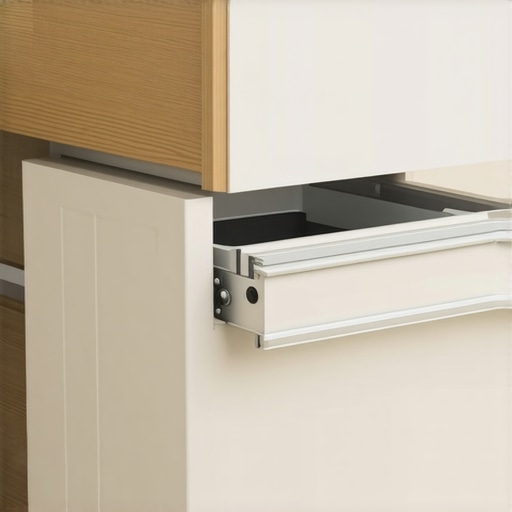
Maintaining your custom storage involves simple practices: routinely inspecting for loose or sticking hardware, cleaning out dust from slides and hinges, and reapplying protective finishes as needed. For example, I periodically lubricate drawer slides with silicone spray to ensure smooth operation and prevent squeaking. Installing soft-close mechanisms and high-quality slides is an investment in durability—regular checks and lubrication help preserve their functionality over years.
If you’re interested in innovative storage ideas that help maintain your space’s efficiency, check out these seamless storage solutions for inspiration.
Remember, regular maintenance not only prolongs the lifespan of your cabinets and hardware but also keeps your remodel looking its best for years to come. Try scheduling a monthly cleaning session and include some protective treatment—your future self will thank you!
Lessons Only Experience Can Teach in Built-Ins and Storage
One of the biggest surprises I encountered was realizing that not all custom cabinets are created equal—some promise durability but fall short, especially if the materials or finishes aren’t properly selected. That epiphany taught me to dive deeper into the quality behind the aesthetics.
I also learned that even the best-designed storage solutions can become impractical if they don’t consider everyday use. For example, organizing a pantry with elaborate pull-outs is fantastic until you realize accessibility becomes cumbersome, making maintenance a chore.
Finally, I discovered that true mastery in kitchen remodels comes from integrating storage seamlessly with the overall design, avoiding the trap of bulky or mismatched built-ins. This insight prompted me to prioritize custom solutions that blend form with function, transforming a space rather than just filling it.
The Toolbox That Changed My Approach to Custom Cabinets and Built-Ins
My essential resource has become the comprehensive guide The Ultimate Guide to Custom Cabinets. It provides detailed insights into choosing the right materials, finishes, and construction techniques—vital when you’re aiming for both style and longevity.
Next, I rely heavily on smart storage ideas for small kitchens. These ideas transformed my small space into a highly functional area without sacrificing style, demonstrating how innovative solutions can make a difference.
For planning long-term maintenance, these integrated storage strategies help me design more resilient, easy-to-maintain built-ins, giving me confidence that the investment will stand against time and use.
Lastly, I consult verified industry experts and project case studies to learn best practices, ensuring my custom solutions are durable, practical, and tailored to my family’s needs.
Your Next Step With Confident Action
Embracing the nuances of built-ins and storage solutions is transformative—not just for your kitchen’s look but for everyday living. Remember, every decision in your remodel should be rooted in quality, practicality, and long-term thinking. Don’t settle for a space that looks great initially but falters under daily use.
As you move forward, consider how you can apply these insider lessons to create a kitchen that’s as functional as it is beautiful. Your perfect space is within reach—equip yourself with knowledge and a clear vision, and don’t hesitate to experiment with innovative storage ideas.
What’s one custom cabinet or built-in feature you’re excited to incorporate into your remodel? Share your ideas below—I love hearing about your projects!