How to Fix a Rattling Kitchen Cabinet Door
It is 11:45 PM. I am sneaking a spoonful of almond butter, trying to be a ghost in my own house. I nudge the cabinet door shut. Snap. Clatter. Bounce. That hollow, rhythmic rattling is the sound of a kitchen that has lost its dignity. I remember my first apartment where every single door sounded like a skeleton falling down a flight of stairs. I tried sticking a folded-up post-it note in the gap, thinking I was a genius. It fell out within twenty minutes and left a sticky mess. We have all been there, tolerate the noise because we think it is a major project to fix. It is not.
Shut the Door on Annoying Kitchen Noises
The truth is, a rattling door is usually a cry for help from your hardware. It is either a loose screw, a missing silicone bumper, or a hinge that has decided to retire early. When you are on a kitchen remodel journey, you expect perfection, but even high-end builds can develop a shimmy over time. I used to ignore it, thinking it was just “character.” It is not character; it is a micro-stressor that subtracts from the peace of your home.
Is a Five-Minute Fix Really Worth the Effort?
I get the skepticism. Usually, home repairs involve three trips to the hardware store and a bruised thumb. But fixing a rattle? It is actually one of the few wins you can get before your coffee gets cold. People often ask if they need to replace the whole door, especially when they also need to fix a squeaky hinge or deal with alignment issues. The answer is almost always a resounding no. You do not need a contractor; you just need to know which screw to turn.
Why the Rattle Matters More Than You Think
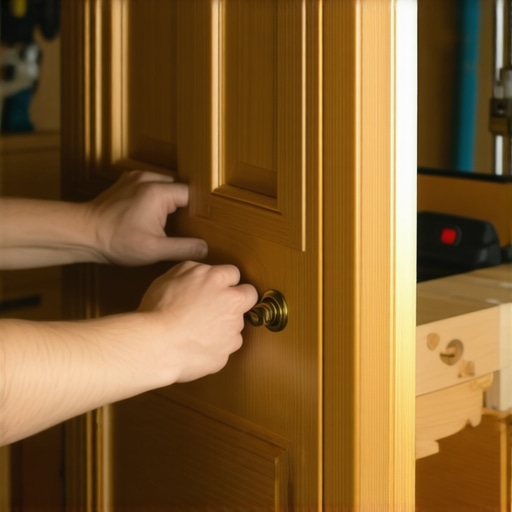
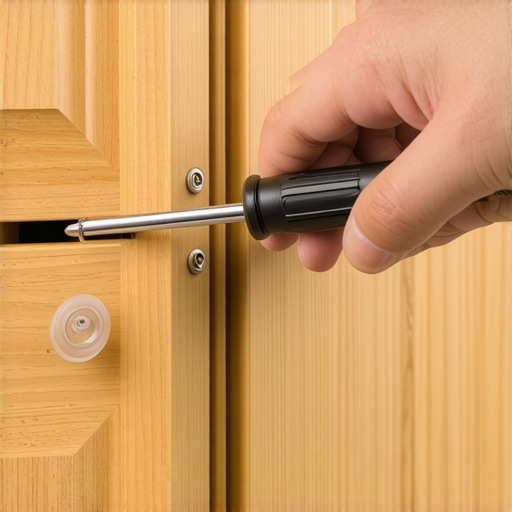
It is not just about the sound. A door that rattles is a door that is not seated properly, which means it is putting uneven stress on the wood. Over time, that tiny vibration can turn into a larger problem, like a stripped screw or a warped frame. I learned this the hard way when a minor rattle eventually led to the entire hinge plate pulling out of the cabinet box. According to the Noise Pollution Clearinghouse, even small, intermittent mechanical noises can trigger a subtle stress response in the brain, making your kitchen feel frantic rather than functional. Have you ever felt that sudden spike of irritation when a door just won’t shut quietly? By learning the secrets to a quiet kitchen, you are not just fixing a noise—you are extending the life of your cabinetry. If you have noticed the door is also dragging, you might need to fix a cabinet door that is rubbing the frame at the same time. Let us get into the practical steps to silence those doors for good.Grab a #2 Phillips screwdriver. It’s the only tool that actually matters here. First, open the door and look at the mounting plate where the hinge meets the cabinet box. If that plate moves even a millimeter when you wiggle the door, you’ve found your culprit.
Tighten Every Screw You See
It sounds obvious, but vibrations from daily use—especially if you have kids who treat doors like frisbees—loosen these over months. I remember working on a set of custom cabinets where the rattle was so persistent I thought the wood was cracked. It turned out to be one tiny screw on the bottom hinge. When you tighten it, don’t go Hercules on it. If the screw keeps spinning without catching, you’ve got a stripped hole. You can fix a stripped screw hole in a solid wood cabinet door by gluing in a toothpick or a small dowel before re-inserting the screw. It’s a classic woodworker’s trick that works every time.
Replace Your Tired Silicone Bumpers
Sometimes the rattle isn’t mechanical; it’s the lack of a buffer. Those little clear dots at the corners of your doors dry out and fall off, leaving the wood to slap against the frame. If you are investing in innovative storage solutions for modern kitchen remodels, don’t let a five-cent piece of plastic ruin the vibe. Peel off the old, crusty ones and replace them with high-density silicone bumpers. They act like shock absorbers for your kitchen. 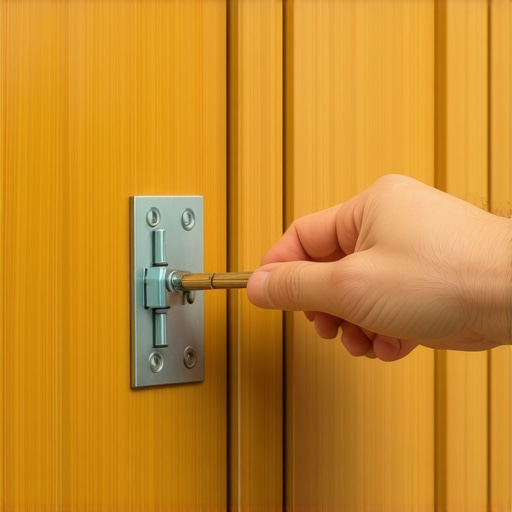
Check the Alignment and Level
If the rattle persists, your door might be hitting the frame unevenly. You need to know how to align cabinet doors when your walls are out of plumb because even a slight tilt can create a gap where the door vibrates. Use the adjustment screws on the hinge arm to move the door in, out, or side-to-side. I once spent an hour chasing a rattle only to realize the cabinet itself wasn’t level. Knowing the proper way to shim cabinets on a high spot in the floor can prevent this entirely. When the door sits perfectly flush against the bumpers, the tension of the hinge spring holds it tight, and the rattle disappears.
Test the Tension of the Hinge Spring
Older hinges lose their ‘snap.’ If the door feels limp, the internal spring is likely fatigued. While you can sometimes lubricate them, usually, the best move is to replace the hinge entirely. This is a common issue when you have built-ins and storage hacks for a sleek functional kitchen that see heavy traffic. A fresh hinge with a strong closing force is the ultimate silencer.But let’s dig deeper. There is a common myth that only budget-grade cabinetry develops these annoying rattles. In my experience, it is often the opposite. High-end modern kitchen remodels featuring custom cabinets and built-ins use hardware with such tight tolerances that even a hair’s breadth of movement causes a vibration. People assume that because they paid for quality, the doors should be set-it-and-forget-it. This is a trap. Wood is a living material, and the weight of heavy, high-quality doors requires constant vigilance rather than just a one-time installation.
Your Custom Cabinets Are Not Immune to Simple Physics
If you find yourself constantly tightening screws every few months, you might be dealing with a weight-to-hinge ratio problem. Many designers prioritize aesthetics over physics, placing massive, solid-oak doors on standard-duty hinges. This lead to the hinge ‘creeping’ out of alignment under the constant load. If you are currently in the planning phase, following expert tips on selecting storage solutions for a perfect kitchen upgrade can help you specify heavy-duty hardware that handles the torque of larger doors.
Is Your Soft-Close Hinge Actually Fighting Your Cabinet Frame?
This is the advanced nuance most homeowners miss. Soft-close hinges work by using a hydraulic piston to resist the internal spring’s closing force. If that piston is too stiff or if the door is too light for the hinge’s rating, the door never actually seats firmly against the silicone bumper. It essentially ‘hovers’ in a state of equilibrium. That hover is exactly where the rattle lives. The Architectural Woodwork Institute (AWI) notes that structural tolerances in high-end cabinetry are often compromised by environmental factors that homeowners overlook. If your doors are misbehaving, you might need to investigate how to pick the right hinge overlay for frameless cabinets to ensure the door has enough clearance to shut fully without the piston creating back-pressure. 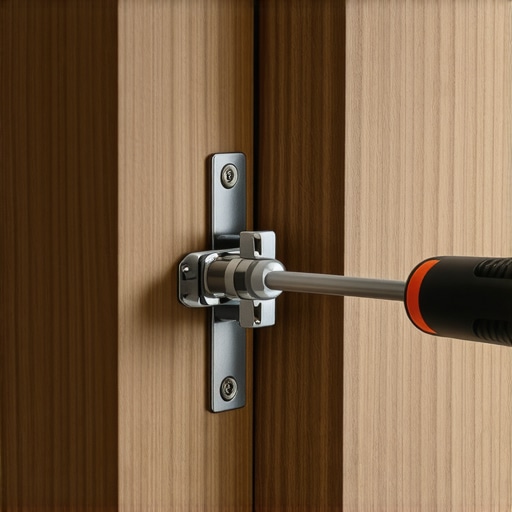
Avoid the Glue Trap That Ruins Modern Finishes
Here is the ‘oops’ factor I see far too often: when a hinge plate gets loose and the screw holes start to fail, homeowners try to ‘weld’ the hardware back into place using construction adhesive or silicone. This is a major mistake. You must understand why you should never use silicone for cabinet joinery or hardware repairs. Silicone prevents any future micro-adjustments and can leach oils into the wood grain that make it impossible to ever refinish or repaint the door. If your rattle is caused by the cabinet box shifting on an uneven floor, skip the adhesive and look at the proper way to shim cabinets on a high spot in the floor. Shimming fixes the structural cause of the rattle, whereas tightening a screw only masks the symptom of a box that is slowly twisting out of square.
The Seasonal Shift You Cannot Ignore
Another advanced mistake is ignoring the seasonal expansion of the wood. I have seen homeowners go crazy trying to silence a door in July, only to have it bind or squeak in January. Wood science experts at the USDA Forest Products Laboratory confirm that wood expands across the grain significantly more than along it. This means your doors are literally changing shape four times a year. If you are noticing changes, check if your cabinet doors are warping in the summer heat before you start replacing hardware. A rattle might just be the door telling you the humidity in your kitchen is too high. Have you ever fallen into this trap of over-tightening screws or using the wrong adhesive to stop a noise? Let me know in the comments.If you want to move past the ‘sticky note’ phase of home repair, you need to curate a specialized toolkit. I do not mean a giant rolling chest in the garage—I mean a small, dedicated kit for your custom cabinets. I personally swear by the Wera Kraftform Kompakt 25. It is a bit-holding screwdriver that fits in a pocket but gives you the torque needed to seat a hinge plate without stripping the wood. I also keep a small bottle of Titebond II and a box of flat-head toothpicks for those stripped holes I mentioned earlier. This is not just about ‘fixing’ things; it is about stewardship. When you invest in built-ins that elevate your living rooms functionality, you are essentially becoming the curator of a precision-engineered machine.
How do I keep my custom storage looking brand new for a decade?
The secret is not a magic spray; it is a quarterly hardware audit. Every few months, I go through and do what I call the ‘finger-tight test.’ I open every drawer and door in my modern kitchen remodel featuring custom cabinets and built-ins and feel for any play in the handles. If a knob spins, I do not just tighten it; I check the screw length. Sometimes a screw is just a hair too long, preventing it from ever truly seating. According to technical documentation from Blum’s ‘Instruction for Assembly,’ a mere 0.5mm misalignment in a runner can increase friction-based wear on the nylon rollers by 40% over its lifespan. This is why precision matters. You should also ensure you are using the right products; for instance, knowing the best way to clean your new granite countertops prevents acidic runoff from hitting your lower cabinet hinges and causing premature corrosion. 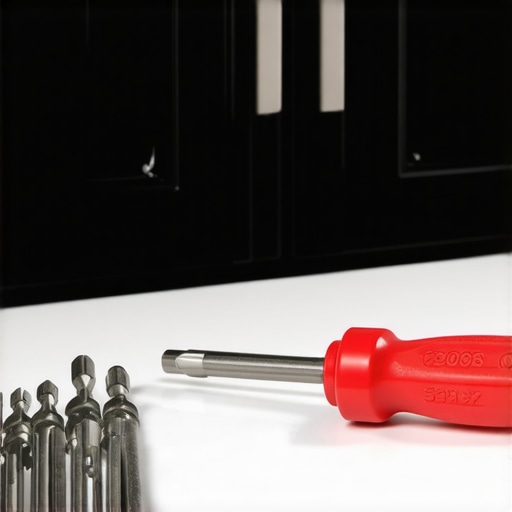
The Future of Cabinets Might Fix Themselves
Looking ahead to 2026 and beyond, I predict we will see the rise of ‘active’ hardware. We already have soft-close, but the next step is self-correcting hinges that use internal tension sensors to notify you via an app when a door has sagged out of plumb due to humidity or weight. Until then, you have to be the sensor. If you are struggling with a complex layout or hardware that just will not behave, do not be afraid to contact us for a professional evaluation. My challenge to you this weekend: Pick the one door that has been ‘clicking’ or ‘rattling’ for months. Do not just ignore it. Grab a screwdriver, check the bumpers, and reset the tension. You will be amazed at how much ‘lighter’ your kitchen feels when the mechanical noise is gone. If you are planning a bigger change, look into expert tips on selecting storage solutions for a perfect kitchen upgrade to ensure your next build is even more robust than the last.
The Hard Lessons That Taught Me to Value a Quiet Hinge
One thing I’ve learned over the years is that a rattle is rarely just a noise; it’s a conversation your house is trying to have with you. Even if you’ve invested in custom cabinets as a game changer in your kitchen remodel journey, the natural movement of wood and the daily gravity of heavy doors will eventually demand your attention. I used to think that high-end meant invincible, but the reality is that the more precise the hardware, the more sensitive it is to the slightest shift in your home’s foundation. It taught me to stop looking for a permanent fix and start embracing a simple rhythm of seasonal stewardship. A quiet kitchen is a sign of a house that is loved.
The Three Things I Keep in My Junk Drawer for Quick Fixes
Forget the massive toolbox in the garage. For maintaining built-ins and storage hacks for a sleek functional kitchen, I keep a dedicated mini-kit right where I need it. First, a high-quality multi-bit driver with a #2 Phillips head to prevent stripping the soft metal of decorative hardware. Second, a packet of extra-thick 1/2-inch clear polyurethane bumpers; these offer a much better shock-absorbing profile than the thin versions that come stock from the factory. Finally, I keep a small digital hygrometer tucked behind a plant to monitor humidity, because most rattles start when the air gets too dry and the wood shrinks. If you are in the planning stages of a renovation, I highly recommend reading expert tips on selecting storage solutions for a perfect kitchen upgrade to ensure you choose hardware that stands up to your family’s lifestyle. #IMAGE_PLACEHOLDER_E#
Make Your Peace with Physics and Claim Your Sanctuary
In the end, your kitchen should be a place of creation, not a source of micro-stress. When you take five minutes to tighten a loose screw or replace a worn-out bumper, you aren’t just doing a chore; you are protecting the integrity of your modern kitchen remodels featuring custom cabinets and built-ins. A quiet kitchen feels more expensive, more intentional, and significantly more peaceful. Don’t let a tiny vibration steal the joy of your morning coffee. Take control of the hardware, and you’ll find that your entire home feels just a little bit lighter. Which door in your house has been driving you crazy the longest? Let me know in the comments if you’re currently dealing with a rattle or a stubborn squeak!