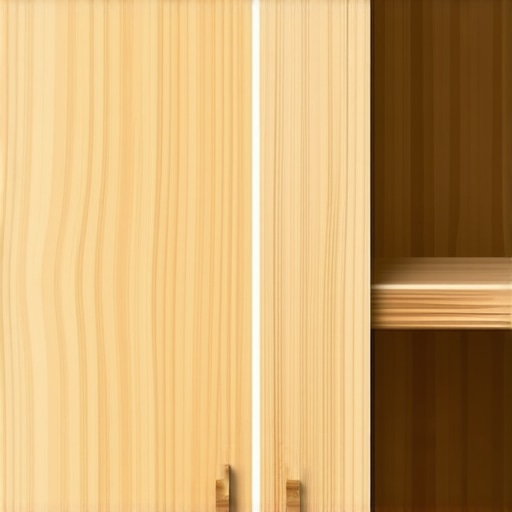
Why Plywood Box Construction Still Beats Particle Board for Kitchens
I still remember the heavy thud of my favorite ceramic Dutch oven hitting the floor. Not because I dropped it, but because the shelf it lived on simply gave up. The furniture board had bowed so much over the years that the plastic clips finally snapped. Looking at the ragged, sawdust-filled edges of that broken shelf, I realized I’d been sold a bill of goods. If you are planning a kitchen remodel, you are going to face this exact crossroads: save a few bucks now with particle board, or invest in plywood. Believe me, I’ve been on both sides of that fence, and I’m here to make sure you don’t make the same expensive mistake I did. We are going to dive into why plywood is the only real choice for a kitchen that actually lasts.
Why Wood Layers Win Every Single Time
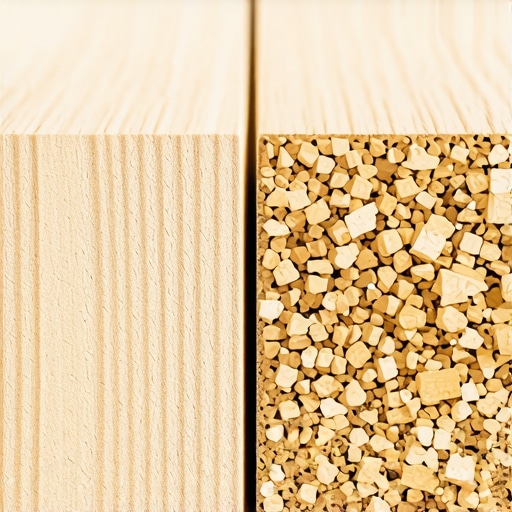
The biggest difference between these two materials isn’t just the price tag; it’s how they handle the everyday chaos of a kitchen. Plywood is constructed from thin layers of wood veneer glued together in a cross-grain pattern. This makes it incredibly strong and stable. When you are installing heavy pantry shelves, you need a material that won’t sag under the weight of forty cans of tomato soup. Particle board, on the other hand, is essentially sawdust and glue pressed together. It’s heavy, brittle, and has the structural integrity of a granola bar when it gets wet.
I once made the mistake of thinking a sink base cabinet made of particle board was good enough because it was hidden behind a door. A tiny leak from the P-trap—something that would have been a five-minute fix—ended up destroying the entire cabinet floor because the board soaked up the water and expanded like a sponge. It’s why I now tell everyone that plywood construction still wins in wet areas without question. This durability is backed by the Kitchen Cabinet Manufacturers Association (KCMA), which notes that plywood has significantly higher screw-holding power and resistance to impact compared to composite alternatives.
Is plywood actually worth the extra cost?
This is the question I get most often from homeowners trying to balance a budget. They see the quote for custom cabinets and start looking for places to trim the fat. But here is the reality: plywood isn’t just about luxury; it’s about mechanical fastenings. This matters every single time you open a drawer or swing a door. Over time, hinges in particle board tend to pull out, leaving you with a hole that is almost impossible to repair properly. Have you ever felt that annoying wobble in a cabinet door that just won’t stay tight? That is often the material failing, not the hardware.
If you want a kitchen that stays square and functional for decades, you need to know how to spot quality plywood before you sign that check. Have you ever had a cabinet shelf fail on you, or are you currently worried about those budget-friendly options? Let me know, because I’ve seen it all and want to help you avoid the sag.
I’ve spent countless hours in kitchens where the floors looked like a gentle rolling hill rather than a flat surface. Last year, I was working on a 1920s bungalow where the subfloor had settled so much that one corner of the kitchen was nearly three inches lower than the other. If we had used particle board boxes, those cabinets would have cracked under the torsional stress of being leveled up and shimmed. Instead, because we chose plywood, we were able to screw directly through the back rails into the studs with total confidence. This is where why every base cabinet needs adjustable feet on uneven concrete becomes a lifesaver, but the material itself must be resilient enough to bridge those gaps without bowing under the weight of the stone countertops.
Look for the Layers to Avoid Cheap Imitations
When you’re vetting a cabinet maker, don’t just take their word that they use ‘all-wood’ construction. That term is often a marketing trap used to hide furniture board under a thin veneer. You want to see at least 7-ply or 9-ply furniture-grade plywood. Lower-end shops sometimes use 3-ply with thick, soft centers that offer no more strength than the particle board you’re trying to avoid. Check the edges of the boxes. If the layers are tight, uniform, and void-free, you’re looking at quality. To really test this, take a sample piece and drive a #8 wood screw halfway in, then try to pry it out. You’ll feel the plywood fight back, gripping the threads with every layer of veneer. This level of craftsmanship is the same reason how to spot quality dovetail joinery before you buy is so important—strong boxes deserve strong drawers.
Build a Barrier Against the Inevitable Sink Leak
The most vulnerable spot in any built-ins and storage hacks for a sleek functional kitchen setup is the sink base. Even if you have the best plumbing, condensation or a tiny drip from a soap dispenser will eventually find its way to the cabinet floor. Plywood will resist that moisture much longer than composite materials, but you shouldn’t stop there. I always recommend that why you need a waterproof liner in your sink base cabinet is the first thing you install. For one project in a high-rise, we even went a step further by using the removable cabinet panel hack for faster emergency plumbing access. It saved the homeowner thousands when a valve let go while they were on vacation, allowing the plumber to fix the issue without gutting the entire island.
Plywood Makes Heavy-Duty Pantry Storage Possible
Kitchen storage has evolved far beyond static shelves. If you’re looking at the pantry pull-out move that saves you from digging for cans, the weight of those mechanisms is significant. A fully loaded pull-out pantry can easily weigh 100 pounds, and particle board simply cannot hold the heavy-duty screws required for these slides over the long term. Eventually, the vibrations and weight turn the screw holes into dust. By using plywood for the cabinet carcass, you provide a solid anchor for these sophisticated custom cabinets. I remember a client who insisted on a heavy mixer lift; we reinforced the plywood sidewalls with extra blocking, and five years later, that lift still operates as smoothly as the day I installed it. This is why plywood is essential for modern kitchen remodels featuring custom cabinets and built-ins—it is the only material that can handle the torque of high-function hardware.
The All-Wood Label is a Marketing Trap
Everyone tells you that ‘all-wood’ is the gold standard for custom cabinets as a game-changer in your kitchen remodel journey, but in my experience, that phrase is often used to hide a lot of manufacturing sins. You might think you are getting solid oak, but often you are getting a cheap veneer over a core that is barely better than compressed paper. If you do not know how to spot quality plywood, you could end up paying premium prices for a material that will not hold a hinge for more than three years. The advanced nuance here is that ‘solid wood’ is actually a terrible choice for the cabinet box itself. Solid wood moves too much with the seasons; plywood, with its cross-laminated layers, provides the essential stability required for modern kitchen remodels featuring custom cabinets and built-ins.
Why do so many expensive custom cabinets still warp within the first year?
The answer usually comes down to acclimation. I have seen homeowners drop forty thousand dollars on the ultimate guide to custom cabinets for a stylish kitchen overhaul only to have the doors bow within six months. This happens because the wood was not allowed to reach ‘equilibrium moisture content’ in the actual home environment before being finished. According to the Forest Products Laboratory, wood is hygroscopic, meaning it constantly exchanges moisture with the air. If your cabinet maker is rushing the process, they are setting you up for failure. This is especially true for why solid wood doors warp and how to prevent it. High-end shops will actually measure the humidity of your home and match the wood moisture level to it before they ever start the saw.
Avoid the Toaster Garage and Appliance Lift Disaster
We all want a clean countertop, but the most common trap in smart storage ideas to maximize your kitchen space this year is ignoring heat and steam. I once saw a beautiful appliance garage where the homeowner kept a high-end toaster. Because they did not understand the toaster garage error why side-swing doors are safer than lifts, the steam from the bread trapped inside the cabinet eventually caused the finish on the upper cabinets to bubble and peel. It is the same reason why we stopped putting wine racks over the refrigerator; the heat from the fridge compressor ruins the wine. Real expertise means thinking about how you live, not just how it looks in a photo. According to the National Kitchen and Bath Association (NKBA), proper ventilation and clearance are the most overlooked aspects of custom cabinetry design. For instance, most people miss the cabinet depth secret for storing large pizza stones and trays, leading to cabinets that look deep but have interior obstructions that prevent the doors from closing. When you are creating seamless kitchen remasters with built-in storage solutions, you have to account for the actual mechanical footprint of every drawer slide. Have you ever fallen into this trap where a clever storage idea actually made your life harder? Let me know in the comments, because these are the details that separate a pretty kitchen from a functional one. Don’t forget that why your cabinet paint bubbles near the stove and how to prevent it is usually a ventilation issue that even expensive cabinets cannot fix if the design is flawed.
Stop Trusting Your Eye and Buy a Precision Laser
When it comes to high-end custom cabinets, the difference between a project that looks ‘okay’ and one that looks like a masterpiece is measured in sixteenths of an inch. I never step onto a job site without my 3-plane green beam laser level. Why? Because floors are never flat, and walls are never plumb. If you try to install a massive bank of built-ins and storage hacks for a sleek functional kitchen by relying on a bubble level, you are going to end up with doors that never quite align. I use the laser to find the highest point on the floor first, then I map out the entire run. This precision is what allows for creating seamless kitchen remasters with built-in storage solutions that look like they grew out of the walls rather than being shoved against them.
Keep the Hardware Moving Smoothly for Decades
I have seen $100,000 kitchens feel like junk because the owner neglected the moving parts. Dust and cooking grease are the enemies of precision engineering. If you notice your drawers acting sluggish, it is likely that why your soft-close slides are failing and the quick cleaning fix is simply a matter of wiping down the rails and applying a dry-film lubricant. Do not use WD-40; it attracts dust and creates a sticky sludge that will eventually ruin the bearings. Instead, use a PTFE-based spray. This is part of the expert tips on selecting storage solutions for a perfect kitchen upgrade that most designers forget to mention: the best hardware still requires a five-minute tune-up every couple of years.

How do I maintain my custom cabinets over time?
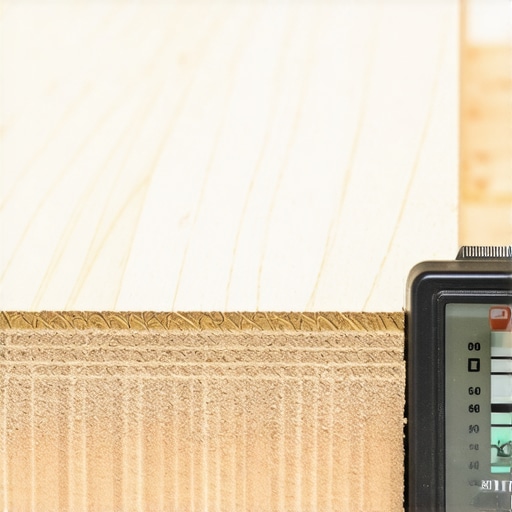
Long-term success with wood is all about environmental control. The Architectural Woodwork Institute (AWI) suggests in their ‘Quality Standards Illustrated’ that keeping your home between 30% and 50% relative humidity is the only way to prevent natural wood expansion and contraction from causing permanent damage. If you let the house get too dry in the winter, those beautiful mitered joints on your doors will open up. If it gets too humid, the wood swells and you’ll find yourself needing to know how to adjust European hinges when your doors are crooked. I personally keep a small hygrometer hidden inside my spice cabinet; it’s a $10 tool that protects a $50,000 investment. If the numbers start drifting, I adjust the HVAC or humidifier immediately.
The Future of Smart Cabinetry Integration
Looking ahead, I predict we are going to see a massive shift toward ‘active’ cabinetry. Imagine smart storage ideas to maximize your kitchen space this year that include built-in sensors to detect leaks before they reach the plywood floor, or LED strips that automatically shift color temperature based on the time of day. We are already seeing this with integrated charging hubs and motorized lifts. My advice? If you are remodeling now, run a dedicated low-voltage wire behind your base cabinets. Even if you don’t use it today, you’ll be ready when the next wave of tech hits the market. My big tip for you today: grab a screwdriver and check the tension on your most-used cabinet door. If it’s loose, follow the steps for why soft-close hinges fail and the simple tension adjustment to prevent the screw from stripping the wood over time. A thirty-second turn now saves a repair bill later.
If there is one thing two decades in the workshop has taught me, it is that the best kitchens are built on the stuff you can’t see. First, never assume the walls are your friend; they are almost always out of plumb, and forcing a cabinet to meet a bad wall is a recipe for a cracked frame. Second, I’ve learned that why you should never glue cabinet doors into the frames is a rule written in the blood of frustrated carpenters; wood needs to breathe. Finally, I’ve realized that choosing custom cabinets as a game-changer in your kitchen remodel journey isn’t just about the aesthetic—it’s about the peace of mind that comes when you don’t have to worry about a sagging shelf.
The Toolkit That Keeps My Kitchens Square
To keep your investment in top shape, I recommend three simple items. A digital hygrometer is non-negotiable for monitoring humidity to prevent warping. For maintenance, a can of PTFE-based dry lubricant will save your slides from the trash heap. And if you’re doing any DIY adjustments, keep a toothpick and some wood glue handy; it is the simplest way how to repair a stripped screw hole in a cabinet door without calling a professional. I also swear by the National Kitchen and Bath Association (NKBA) design guidelines—they are the bible for ensuring your layout actually works for a human being.
Crafting a Kitchen That Outlasts the Trends
Your kitchen is more than a collection of boxes; it is the engine room of your home. When you choose quality plywood and thoughtful smart storage ideas to maximize your kitchen space this year, you aren’t just following a trend; you are building a foundation for years of Sunday dinners and late-night snacks. Don’t be intimidated by the technical details of a kitchen remodel. Focus on the bones of the cabinetry, and the rest will fall into place. Have you ever had a heavy drawer start to dip, and did you know how to fix a sagging pot and pan drawer with a center support? Let me know your biggest storage headache in the comments below!