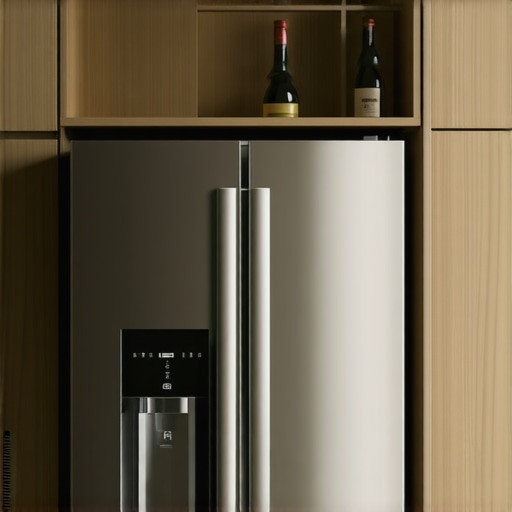
Why We Stopped Putting Wine Racks Over the Refrigerator
I stood there with a corkscrew in one hand and a sixty-dollar bottle of Napa Valley Cabernet in the other. It was my anniversary, and I had been saving this specific bottle in that “handy” lattice wine rack right above my refrigerator for nearly three years. It looked beautiful up there—a perfect centerpiece for my kitchen. I pulled the cork, poured a glass, and took a confident sip. My face immediately puckered. It was not wine anymore; it was expensive, fruit-flavored balsamic vinegar. That was the visceral moment I realized my clever storage solution was actually a slow-motion execution for every bottle I owned. We have all been tempted by that awkward twelve-inch gap above the fridge during a modern kitchen remodel. It seems like the perfect spot to tuck away a few bottles, but as someone who has designed countless built-ins and storage hacks for a sleek functional kitchen, I am here to tell you that this is a mistake I learned the hard way. Today, I want to walk you through why we have officially retired this design trend and how you can actually protect your wine while still maximizing your space.
The Hidden Kitchen Killer Turning Your Merlot into Vinegar
The logic of the over-the-fridge rack seems sound until you understand the basic physics of a kitchen. Your refrigerator is essentially a heat pump; to keep your milk and eggs cold, it must exhaust hot air. In most standard setups, that heat rises directly into the cabinetry above. Wine is a delicate, living thing that requires stability. According to authoritative research from Wine Spectator, the ideal storage temperature for wine is a constant 55°F, and significant fluctuations are the absolute enemy of a good vintage. Above your fridge, temperatures can easily spike to 80°F or even 90°F every single time the compressor kicks on. You are not storing your wine; you are essentially slow-cooking it. When I was just starting out in cabinetry, I made the mistake of installing a massive mahogany lattice in a client’s home right above a high-output professional fridge. Within a year, they had lost an entire collection to oxidation. It was an expensive lesson in functional design versus purely aesthetic choices. Instead of wine, that high-heat zone is much better suited for integrated appliance panels or storing items that are totally heat-insensitive, like heavy stockpots or serving platters.
Is keeping wine in the kitchen actually that bad?
I know what you are thinking: “I only keep cheap bottles up there, so does it really matter?” The answer is still a resounding yes. Even a budget-friendly bottle will lose its flavor profile and develop a metallic, harsh aftertaste when exposed to constant heat cycles and the subtle vibrations of a refrigerator motor. If you are looking for smart storage solutions for small kitchens in 2025, there are far better ways to display your collection without ruining it. We have moved toward more innovative custom cabinet ideas that prioritize the longevity of your goods over just filling a hole in the wall. Have you ever noticed your favorite red tasting a bit “off” after sitting in that top rack for a few months? I would love to hear if you have run into this same problem in your own home. Let’s look at how we can fix that dead space and move your wine to a place where it can actually thrive.
Reclaiming the High Heat Zone for Better Use
Stop thinking of that awkward gap above the fridge as a wine cellar. In reality, it is a prime location for storing things that do not mind a bit of a fever. When we execute modern kitchen remodels featuring custom cabinets and built-ins, we now suggest using that space for deep, heavy items like Dutch ovens or seasonal serving platters. If you want a cleaner look, you can use the secret to a seamless built-in look using integrated appliance panels to hide the clutter entirely. Think of your kitchen like a climate map: the fridge and stove are the tropical zones, and your wine needs a temperate basement vibe. To keep the aesthetic but lose the heat, I once helped a client convert their old lattice rack into a dedicated storage slot for baking sheets and cooling racks. We simply removed the diagonal inserts and replaced them with vertical dividers. It went from a wine-killing zone to the most organized spot in her kitchen for flatware and trays.
Move Your Bottles Closer to the Floor
Because heat rises, the most logical place for wine storage in a standard kitchen is actually the base cabinets. If you do not have the budget for a dual-zone cooling fridge, the next best thing is to utilize smart storage solutions for small kitchens in 2025 that focus on the lower half of the room. A base cabinet on an interior wall—away from the dishwasher and the oven—stays significantly cooler than anything at eye level. 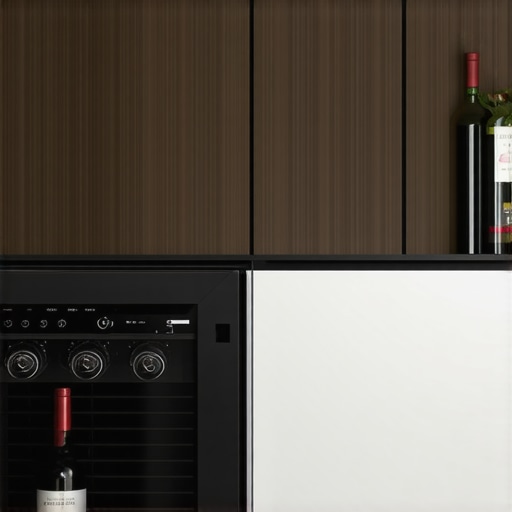
Why 15-Inch Deep Uppers Change the Game
Another way to handle the fridge transition is by changing the depth of your cabinetry. Traditionally, cabinets above the fridge are 12 inches deep, leaving a massive recessed gap that collects dust and heat. We are seeing a major shift where why 15-inch deep upper cabinets are replacing the standard 12-inch models to provide a more flush look. By bringing the cabinet face forward, you can actually install better insulation or a dead-air gap behind the cabinet back, which helps shield the contents from the rising heat of the refrigerator’s coils. I remember a project where a homeowner was devastated to lose her display space; we solved it by building a slim, 6-inch spice wall style pull-out for her oils and vinegars elsewhere, which are far more heat-tolerant than a delicate Pinot Noir. This approach keeps the kitchen functional without sacrificing your expensive ingredients. If you are struggling with a layout that feels cramped, focusing on these innovative storage solutions for modern kitchen remodels ensures that every square inch serves a purpose that actually makes sense for the items being stored.Most people approach a remodel with the mindset that more cabinet space equals better storage. I see it every single day: homeowners requesting deep, cavernous cabinets thinking they are winning the storage game. In reality, they are just building bigger graveyards for their Tupperware. A common myth I have to debunk constantly is that depth is your friend. Without the right internal architecture, a 24-inch deep base cabinet is just a place where you lose your favorite soup pot for three years. In my experience, efficiency beats volume every single time. This is where expert tips on selecting storage solutions for a perfect kitchen upgrade become vital; you need to stop thinking about how much you can fit and start thinking about how much you can actually reach.
Stop Obsessing Over Total Cabinet Inches
When you are planning your seamless kitchen remaster with built-in storage solutions, the ‘Oops’ factor usually comes from the blind corner. People hate ‘wasted space,’ so they insist on a standard L-shaped cabinet. This is a trap. Unless you are using a specialized insert, you will likely never touch anything in the back of that cabinet again. Instead, I often suggest ‘dead-ending’ the corner to allow for larger, more functional drawers on either side. It feels counterintuitive to leave a square foot of space empty, but gaining two sets of wide, accessible drawers is a massive upgrade in daily usability. We have found that the pantry pull-out move that saves you from digging for cans is a much better use of your budget than trying to salvage a dark corner with a cheap, plastic spinning rack.
Can your drawer slides actually handle that heavy stand mixer?
This is the advanced question most people forget to ask. Standard drawer slides are usually rated for about 75 to 100 pounds. That sounds like a lot until you factor in the weight of the drawer box itself, a heavy set of cast-iron pans, and the force of someone leaning on the drawer. According to standards set by the National Kitchen & Bath Association (NKBA), heavy-duty storage requires specialized hardware to prevent the ‘sag’ that eventually ruins the alignment of your custom cabinets as a game-changer in your kitchen remodel journey. If you are planning a dedicated baking zone, you absolutely need to look into the heavy mixer lift to save your back and your counter space, which uses spring-loaded mechanisms designed for 150-pound loads. 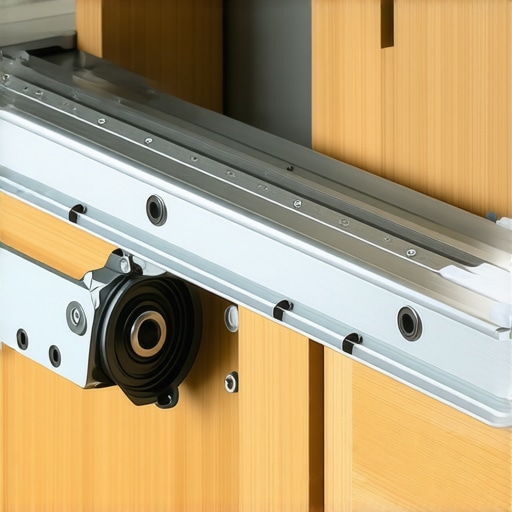
Why material choice dictates your storage longevity
Another nuance that beginners miss is the difference between aesthetics and structural integrity in high-moisture zones. I have seen beautiful custom-built pantries fail because the shelves were made of thin MDF that bowed under the weight of glass jars. This is why we recommend plywood cases over particle board for heavy pantry shelves. Plywood has cross-grain strength that prevents that embarrassing ‘smiley face’ curve in your shelving over time. If you want a look that lasts decades rather than years, you should also consider the built-in bookcase trick of using adjustable pins instead of fixed shelves, which allows your storage to evolve as your family grows. Have you ever fallen into the trap of choosing a ‘pretty’ design that ended up being a nightmare to actually use? Let me know in the comments. We are all here to learn from those expensive ‘oops’ moments!I have spent years fixing “professional” installs that failed after six months because the installer used cheap drywall screws. If you take one thing away from my ramblings, let it be this: you must prioritize the skeleton of your storage. I exclusively use T-25 Torx head screws with a “nibbed” head that sinks itself perfectly into the wood without splitting the frame. This might seem like a minor detail, but understanding why you should never use standard wood screws for cabinet installation is the difference between a shelf that stays level and one that sags once you load it with your heavy porcelain. In my own workshop, I treat every screw as a structural commitment. Using the wrong hardware is how you end up with a project that looks great for the photos but fails the reality of daily life.
How do I maintain my custom cabinets over time?
The biggest mistake homeowners make is assuming that high-end built-ins are maintenance-free. Wood is a natural material that breathes, and your hardware is a mechanical system that needs periodic calibration. I recommend a “six-month checkup” where you grab a screwdriver and check your alignment. If you notice a door is dragging, you need to learn how to adjust European hinges when your doors are crooked before the wood starts to chip. According to the technical specifications from Blum, a global leader in furniture fittings, their high-end hinges are tested for 200,000 opening and closing cycles. However, that longevity is only possible if the tension is correct. If your drawers are losing their snap, it is often a matter of why soft close hinges fail and the simple tension adjustment required to bring them back to life. I personally use a dry silicone spray on my drawer slides once a year; it keeps the motion fluid without attracting the dust and grime that a heavy oil would. 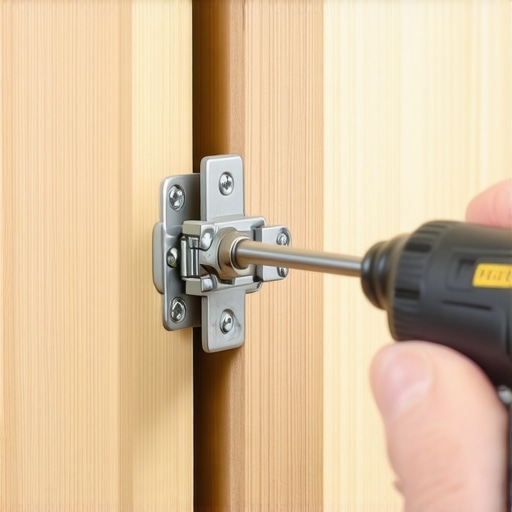
The next decade of kitchen design
Looking ahead, I predict we are moving away from the “bigger is better” storage philosophy and toward highly specialized, tech-integrated zones. We are already seeing a massive surge in requests for the built-in charging station that finally clears your countertops of cord clutter. The future of modern kitchen remodels featuring custom cabinets and built-ins is about hidden utility—think moisture sensors under the sink that alert your phone to a leak before the wood rots, or integrated LED lighting that adjusts color temperature based on the time of day. If you want a kitchen that scales with your life, focus on these small, high-impact upgrades rather than just adding more boxes to the wall. I strongly encourage you to grab a screwdriver this weekend and check the alignment of your most-used cabinet door. It takes two minutes to adjust, but it adds years to the life of your kitchen. If you find yourself in over your head with a failing layout, feel free to contact us to discuss a more permanent solution.
The Storage Secrets Only a Cabinet Maker Would Know
After decades of sawdust and screw-driving, I’ve realized that the best storage solutions aren’t the ones that look best on a showroom floor; they are the ones that save your sanity on a busy Tuesday night. First, always assume your needs will grow. That slim gap today is the ‘where do I put the air fryer?’ crisis of tomorrow. Second, never sacrifice accessibility for volume. I’ve seen homeowners insist on deep, dark corner units only to eventually find the pot lid nightmare is real when you have to crawl on your knees to find a matching set. Finally, remember that your kitchen is a workspace, not a museum. The most functional built-ins and storage hacks for a sleek functional kitchen are those that put your most-used tools at waist height, not tucked behind a lattice rack above the fridge.
The Gear and Guides That Never Let Me Down
If you are planning your own upgrade, I suggest looking at the Blum Technical Manual. It’s the industry bible for understanding hardware longevity and clarifies why soft close hinges fail and the simple tension adjustment needed to fix them. For layout planning, the NKBA Guidelines are essential—they explain critical details like why your kitchen island needs a 4-foot clearance rule to prevent traffic jams. I also swear by T-25 Torx head screws; if your contractor is still using Phillips head screws for your custom cabinets, they are inviting stripped heads and sagging frames into your home.
Stop Waiting for a Perfect Layout and Start Building One
The journey toward a better home doesn’t have to start with a sledgehammer. Sometimes, it starts with simply deciding that you deserve a space that works for you, rather than against you. Whether you are knee-deep in a modern kitchen remodel or just swapping out a few old shelves, prioritize quality materials and thoughtful placement. Investing in the ultimate guide to custom cabinets for a stylish kitchen overhaul will pay dividends in the years of smooth-gliding drawers and organized pantries to come. You have the tools and the knowledge now—it is time to reclaim your kitchen. Have you ever found a storage ‘shortcut’ that ended up backfiring like my wine rack? Let me know about your biggest kitchen design ‘oops’ in the comments below!