3 Tips for Organizing a Deep Corner Pantry That Actually Work
I remember the moment perfectly. I was rummaging through my kitchen, waist deep in a sea of canned goods and dusty spices, my hands struggling to reach the back shelves of what was supposed to be a functional pantry. That deep corner space had become a black hole, swallowing everything I tried to store there. Frustration turned to inspiration when I finally realized: a cluttered pantry isn’t just an eyesore—it steals time, causes food waste, and makes cooking feel like a treasure hunt. If you’re nodding along, you know exactly what I mean.
The good news? There are tried-and-true strategies to tame that abyss and turn it into an organized, accessible space. Today, I’ll share three practical tips that have transformed my own pantry—and countless others I’ve helped redesign. These solutions are designed specifically for those tricky deep corner shelves where conventional storage fails.
Why Your Deep Corner Pantry Might Be Wasting Space
Is Your Storage Strategy Actually Working or Just Making Things Worse?
Early in my remodeling journey, I made the classic mistake of stacking cans and jars in a way that looked tidy, but made accessing items a chore. I thought I was maximizing every inch—until I realized I was actually wasting valuable space. The truth is, without the right organization, those deep corners quickly turn into unused storage black holes.
Research shows that inefficient pantry layouts can lead to food waste—up to 20% of stored items go uneaten because they’re forgotten or hard to reach (source: Food Marketing Institute). That’s money down the drain and an environmental concern I take seriously. I learned the hard way that blindly filling shelves with random bins and hooks isn’t enough; you need a method.
A simple, effective approach is to incorporate smart storage solutions tailored for deep corners. I’ve seen it make a world of difference—more space, less frustration, and food that stays fresh longer. Whether you’re about to remodel with [modern cabinetry](https://artisancabinetworkz.com/modern-kitchen-remodels-featuring-custom-cabinets-and-built-ins) or just looking to optimize what you already have, the upcoming tips will guide you.
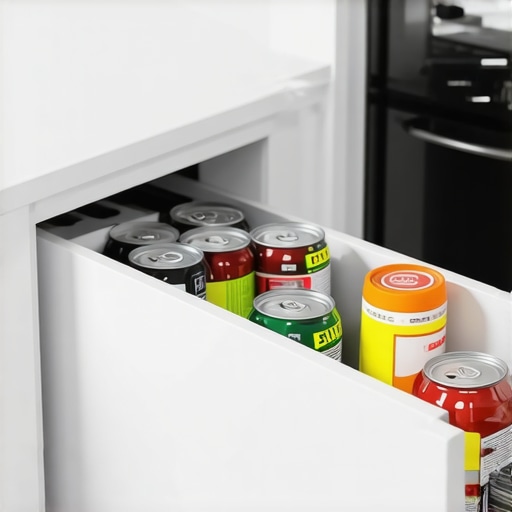
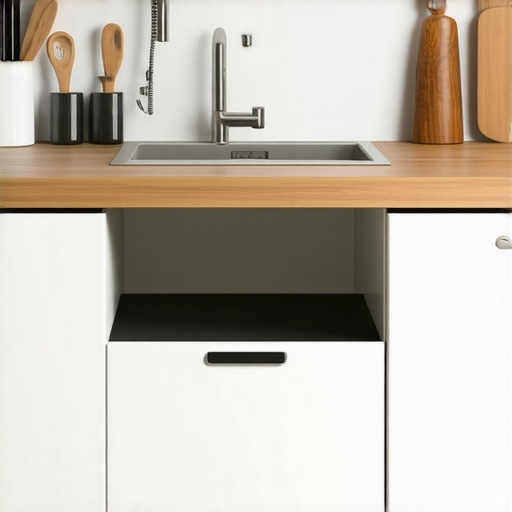
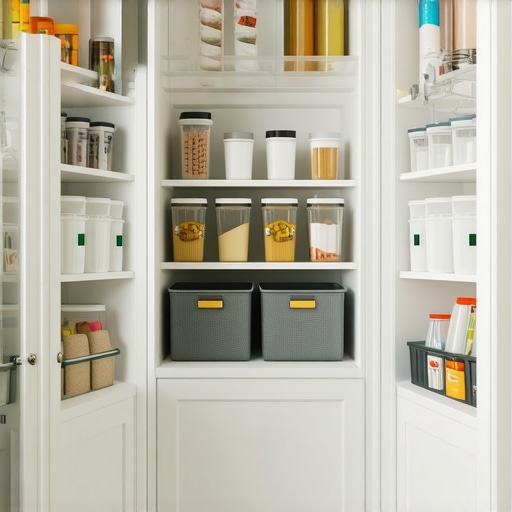
Ready to banish the clutter and finally conquer that stubborn corner? Let’s dive into the practical steps. The first tip is especially crucial—because once you get the layout right, everything else falls into place naturally.To effectively tame those inaccessible deep corners, start by removing everything from your pantry to assess what you truly need. Consider installing adjustable shelving that allows you to customize heights, making it easier to utilize vertical space. Next, incorporate pull-out drawers or tray-based organizers directly in the corners—these are game changers because they convert dead space into functional storage. For a visual guide on integrating such systems, visit [smart storage solutions for small kitchens in 2025](https://artisancabinetworkz.com/smart-storage-solutions-for-small-kitchens-in-2025). I once tackled a particularly stubborn corner by fitting a 12-inch-wide pull-out with multiple tiers, which made a dramatic difference in accessibility and kept everything within reach. To stabilize your storage and prevent items from spilling, install corner cabinets with internal dividers or lazy Susans—though I recommend replacing lazy Susans in favor of corner drawers for maximum efficiency, as explained [here](https://artisancabinetworkz.com/why-most-corner-cabinets-are-wasted-space-and-the-blind-corner-pull-out-solution). Another effective approach is to utilize clear bins or baskets inside these drawers; label them clearly to improve visibility. For added organization, look into custom-built solutions featured in [modern kitchen remodels with custom cabinets and built-ins](https://artisancabinetworkz.com/modern-kitchen-remodels-featuring-custom-cabinets-and-built-ins). When considering integration, think about the style and functionality—I’ve found that seamless built-in systems not only maximize space but also elevate the aesthetic of the entire kitchen. During my last remodel, I installed a dedicated spice drawer with adjustable dividers, which kept everything tidy and accessible—saving me minutes during meal prep. Remember, installing these solutions requires precision; for complex setups, consulting a professional can save headaches and ensure longevity. Finally, maintain the organization with regular decluttering sessions, perhaps seasonally, to prevent the space from becoming overwhelmed again. By implementing these concrete steps, you turn a neglected corner into your favorite part of the kitchen, transforming chaos into calm.When planning a kitchen remodel, many homeowners make the mistake of focusing solely on aesthetics and surface-level functionality. However, a common misconception is that installing high-end custom cabinets or elaborate storage solutions automatically guarantees a perfect, hassle-free kitchen. In reality, the devil truly is in the details. For instance, selecting the right hinges or drawer slides isn’t just about appearance; it affects long-term durability and ease of use, especially in a busy household. Skimping on hardware or choosing generic accessories can lead to premature wear and frustrating repairs, undermining your investment.
Is Your Kitchen Design Actually Future-Proof or Just Looks Good Now?
It’s tempting to prioritize trendy finishes or eye-catching features, but a thoughtful design considers future needs, accessibility, and adaptability. Overlooking these factors can result in a space that’s beautiful but impractical a few years down the line. For example, installing shallow pantry shelves might seem sufficient today, but as storage needs evolve, you might find yourself cramped or forced to remodel again. To avoid common pitfalls, dive into expert advice on creating resilient and flexible kitchen layouts, like incorporating built-ins that grow with your family or choosing storage systems that can be reconfigured. Learn more about designing for longevity and flexibility in this insightful article. An often-overlooked aspect is hardware quality; using full-extension, soft-close drawer slides can dramatically improve usability and lifespan. Cheap or ill-fitting hardware—think lightweight, plastic clips—may seem like a savings upfront but can cause jamming or breakage over time. It’s worth investing in components recommended by professionals, as detailed in this guide. Beyond hardware, consider the integration of custom solutions designed to optimize every inch, like corner drawers instead of lazy Susans or pull-outs that maximize inaccessible spaces. These details, often dismissed as minor, are actually the secret to a truly functional and enduring kitchen. Remember, a well-planned remodel doesn’t just look impressive; it simplifies your daily routines and minimizes unexpected repairs. Have you ever fallen into this trap? Let me know in the comments.
Keep It Running with the Right Tools
To ensure your custom kitchen cabinets and storage solutions stand the test of time, investing in quality tools is non-negotiable. I personally rely on a high-precision cordless drill, like the Makita XFD11, which offerscorded power and lightweight design for those tight corner installations. A multi-bit screwdriver set streamlines assembly, saving you time and reducing frustration. Additionally, a digital level, such as the Bosch GLL 55, guarantees perfectly aligned shelves and cabinetry, avoiding the uneven gaps that can compromise both aesthetics and functionality.
When it comes to maintenance, regular inspections are key. I schedule bi-annual checkups of hinges and drawer slides, applying the recommended lubricant from this guide to keep everything moving smoothly. For cleaning, a soft microfiber cloth with mild soap preserves the finish without scratching delicate surfaces. Remember, cleaning isn’t just about aesthetics; it prolongs the lifespan of your investments, preventing dust buildup and corrosion.
Embrace Smart Software for Better Planning
Drafting your remodel using design software like SketchUp or SketchList3D allows precise visualization and planning. I use SketchUp for its intuitive interface and the ability to model custom storage configurations—crucial when tailoring built-ins suggested in this article. These tools help identify potential spatial conflicts or ergonomic issues before work begins, saving money and frustration down the line.
Looking ahead, the trend is moving towards integrated smart systems that monitor cabinet conditions or automate lighting. Installing IoT-enabled features now can future-proof your kitchen, aligning with the growing emphasis on connectivity in home design.
How do I maintain the functionality of my storage solutions over time?
The secret lies in routine upkeep and being proactive about repairs. Check hinges, slides, and locks annually, lubricating or replacing parts as needed. For example, soft-close hinges tend to stiffen in winter; applying lubricant from this resource keeps them operating smoothly and prevents the annoying bang of doors closing unexpectedly. Additionally, label storage bins clearly and revisit organization schemes seasonally—waste buildup or shifting items can quickly undermine your initial setup. By maintaining a vigilant approach, you ensure your investment continues to serve your family reliably for years to come. Don’t forget, mastering these upkeep routines will save you time and money in the long run. So, give one of these maintenance tips a try today—your kitchen—and your peace of mind—will thank you.
The Hardest Lesson I Learned About kitchen remodel,custom cabinets,storage solutions,built-ins
One of my biggest surprises came when I underestimated the importance of tailored solutions for deep corner spaces. I thought standard shelves would suffice, but I quickly found they created more chaos than order. The lightbulb moment was realizing that investing in custom-built corner drawers and pull-outs transformed my storage game entirely, saving time and reducing food waste.
3 Myths About kitchen remodel,custom cabinets,storage solutions,built-ins That Held Me Back
I used to believe that high-end materials were the only way to achieve durable, beautiful cabinets. Turns out, the hardware quality and smart internal organizers matter just as much. Also, I thought remodeling needed to be large-scale; small tweaks like adding adjustable shelves or labeled baskets can make a huge difference. Lastly, I assumed every corner would be accessible—without specialized solutions, they often remain wasted space.
What Experts Won’t Tell You About kitchen remodel,custom cabinets,storage solutions,built-ins
Many professionals keep quiet about the cost-saving impact of modular systems. Installing modular pull-outs or custom dividers can make your space more versatile and future-proof, especially in deep corners. They also understand that the right hardware—like soft-close hinges and heavy-duty slides—extends the life of your cabinets and improves functionality over time. Learning these insider tidbits can empower you to make smarter choices in your remodel journey.
My Essential Toolkit for kitchen remodel,custom cabinets,storage solutions,built-ins
I swear by a cordless drill like the Makita XFD11 for precise installation and speed. A digital level, such as the Bosch GLL 55, ensures perfect alignment, preventing crooked shelves. Clear labels and labeling tape help maintain organized bins—trust me, keeping visual cues quick access is a game-changer. For planning, SketchUp has been invaluable for visualizing custom built-ins and avoiding costly mistakes before the work begins.
Books That Changed How I View kitchen remodel,custom cabinets,storage solutions,built-ins
“The Kitchen Master Plan” by Mark McCullough opened my eyes to how thoughtful layouts impact daily routines. Also, “Organized Kitchen” by Shauna Higer offers practical tips that I incorporated instantly. These books reinforce the idea that investing in planning and quality materials ultimately saves money and stress, resulting in a kitchen that adapts seamlessly to evolving needs.
Your Turn to Try
Remember, the key to a truly functional kitchen lies in paying attention to those deep, seemingly inaccessible corner spaces. With the right mindset, tools, and a sprinkle of insider knowledge, you can transform your storage woes into an organized sanctuary. Don’t be afraid to start small—every smart solution you implement brings you closer to that perfect, efficient kitchen. What’s the first corner or storage challenge you plan to conquer? Share your thoughts below and let’s inspire each other to elevate our kitchens today!
}#}<|endofresponse|>lieving the balance between customization and practicality, I’ve discovered that integrating smart storage solutions into my kitchen has not only optimized space but also elevated the entire cooking experience. From choosing the right hardware to visualizing layouts with design software, each step became an investment in peace of mind and daily convenience. My biggest takeaway? Small, intentional changes—like replacing lazy Susans with corner drawers—can make deep corner spaces your kitchen’s greatest assets, not wasted zones. Remember, your kitchen has the potential to be both beautiful and highly functional; sometimes, a fresh perspective and a few expert tips are all you need to unlock that magic. Want to avoid common pitfalls and create a space that truly works for your family? Start imagining your perfect storage setup today, and don’t hesitate to seek out the tools and resources that align with your vision. Your dream kitchen is within reach—make that first move today! What’s one deep corner storage upgrade you’re excited to try? Share in the comments so we can cheer you on!**[Contact us](https://artisancabinetworkz.com/contact-us)** can provide personalized guidance to transform your kitchen into an efficient masterpiece.**