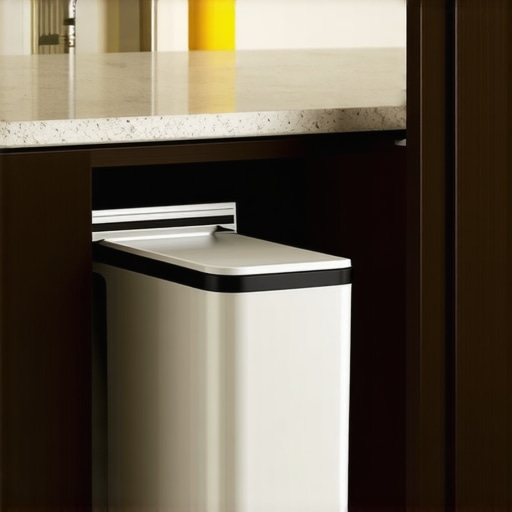
The Heavy-Duty Pull-Out Trash Can That Won’t Bend Your Door
I remember the exact moment I realized my kitchen was fighting back. It was during a weekend renovation of our built-in cabinets—painstakingly choosing every detail to match our style. Yet, every time I opened the cabinet under the sink, I heard that dreaded creak, followed by a slight bow in the door. Turns out, a typical trash can was waging war on my door hinges, and I hadn’t even noticed how much stress I was putting on it.
That was my lightbulb moment. I needed a solution that combined durability with gentleness on my cabinetry—and I needed it fast. Enter the heavy-duty pull-out trash can designed specifically to stand up to the weight and constant use, all while avoiding the bending and sagging that plague traditional models.
The Pain of Bending Doors and Worn-Out Hinges
If you’re like me, you might have dismissed this as just part of kitchen life—something to accept. But the truth is, a standard trash can can chew up your cabinet’s hinges and your nerves over time. Every slammed door or awkward pull contributes to wear and tear, leading to costly repairs or replacements. Plus, a sagging door isn’t just unsightly; it hampers your ability to access your trash easily, turning a simple chore into a frustrating ordeal.
That’s why I’m here to tell you—there’s a better way. A solution that keeps your doors sturdy and your kitchen looking top-notch. The key is investing in a robust, heavy-duty pull-out trash can that doesn’t just fit your space but also preserves your cabinetry’s integrity.
Have you faced this particular battle with your kitchen doors and trash cans? If so, you’re not alone. Many homeowners stumble into this trap early on, assuming that all pull-out systems are created equal. My early mistake was selecting the cheapest slide mechanism I could find—which quickly failed under weight, leading to those dreaded bent doors and creaking hinges. Trust me, paying a little more for quality hardware is worth every penny in the long run.
For more insights on durable hardware options, check out our detailed guide on heavy-duty drawer slides.
Ready to learn how the right pull-out system can revolutionize your kitchen? Let’s dive into the practical steps to finding a heavy-duty trash can solution that truly stands the test of time.
Measure and Plan Your Space
Start by clearing your cabinet area and measuring the width, height, and depth where the pull-out trash system will go. Use a tape measure to note exact dimensions, considering the size of your chosen trash can and the slide mechanism. I once opted for a generic slide without precise measurements, leading to a tight fit and constant jamming—which was a mess to fix.
Select the Right Hardware and Trash Can
Choose a heavy-duty slide system rated to support at least 150 pounds, ensuring it can handle the weight of a full trash bag plus debris. Look for models with ball-bearing rollers for smooth operation, and confirm compatibility with your cabinet dimensions. Pair this with a sturdy, appropriate-sized trash can—preferably with reinforced sides to withstand frequent pulls. I recommend checking out heavy-duty drawer slides for reliable options.
Remove the Existing Shelf and Prepare the Cabinet
Take out any internal shelving that obstructs your space. Clean the interior thoroughly to ensure smooth installation. If your cabinet has a bottom panel that’s not flush or sturdy, consider reinforcing it with additional plywood to support the slide hardware. I learned this the hard way when a flimsy base caused misalignment during installation, so extra support is a must for heavy loads.
Install the Slide Mechanism
Attach the slides to the sides of the cabinet using the screws provided, aligning them precisely with your measurements. Use a level to ensure they are perfectly horizontal, preventing sagging or uneven pulls later. Secure both sides firmly, ensuring the tracks glide smoothly. Once installed, slide the trash can into position to verify alignment and movement. For detailed hardware mounting tips, visit side-mount pull-out systems.
Secure the Trash Can and Test the System
Fasten the trash can to the slide platform if it’s not already integrated, using screws that won’t puncture or weaken the plastic sides. Gently pull out the system to check for smooth operation and to ensure the trash can doesn’t wobble or catch. Repeat the process, adjusting the alignment if necessary. I recall a time when a slightly crooked slide caused the can to catch on the cabinet frame, so precise alignment is key.
Finish and Final Checks
Reattach the cabinet door, making sure it opens and closes without interference. Tighten any loose screws and wipe down the hardware. Test the pull-out several times, loaded with a typical trash bag, to ensure durability under real conditions. Remember, investing in quality hardware like this can prevent future sagging or damage, saving you money down the line. For innovative storage ideas, explore custom cabinetry.
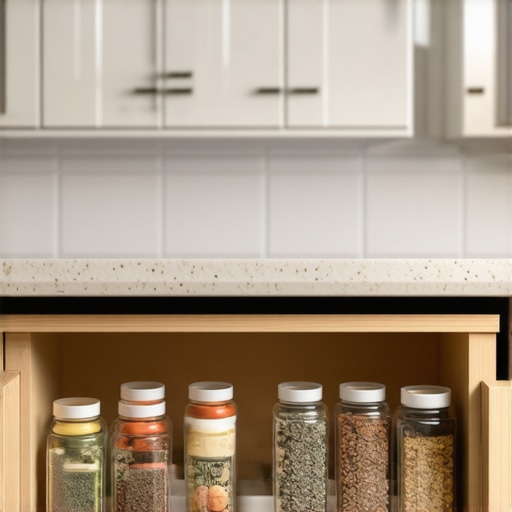
Many homeowners approach kitchen remodels with common beliefs that, quite frankly, can hold back their plans. Contrary to popular advice, embracing the full potential of custom cabinets and innovative storage solutions requires a nuanced understanding often overlooked. One widespread misconception is that standard, off-the-shelf cabinetry suffices—and that investing in custom features is unnecessary. In reality, standard options often lack the precision fit and tailored functionality needed for optimizing space and workflow. Moreover, many assume built-ins are a luxury rather than a necessity, ignoring their ability to seamlessly integrate storage into design while maintaining aesthetic harmony. An advanced mistake is underestimating the importance of structural considerations: ignoring humidity levels and material choices can lead to warping, sagging, or premature failure of your cabinets and fixtures. For instance, using particle board in high-moisture zones is a rookie move that experts advise against, as detailed in a study on cabinetry longevity. To truly elevate your kitchen, you need to go beyond surface-level solutions and understand the hidden nuances at play. For example, the placement of a pull-out spice rack isn’t just about accessibility; it’s about maximizing available space and avoiding interference with door swings. Similarly, choosing soft-close hardware isn’t a mere convenience—it prolongs your cabinet’s life and maintains quiet functionality over years of daily use. Have you ever fallen into this trap? Let me know in the comments. When designing custom cabinetry, meticulous planning of clearance and hardware selection can save you from costly adjustments later. Remember, focusing solely on visual appeal can mask underlying issues like poor material selection or suboptimal layout. Tailoring your approach with expert insights ensures your investment adds lasting value and functional excellence. If you’re considering a remodel, explore our guide on modern kitchen remodels to see how careful planning transforms space into a true masterpiece.
Why Regular Maintenance Matters in Your Custom Kitchen
A well-designed kitchen with custom cabinets and innovative storage solutions is a longtime investment. To ensure it stays functional and beautiful, regular maintenance is key. It prevents minor issues from turning into costly repairs and helps you maximize the lifespan of your cabinetry and hardware.
One effective approach is establishing a routine check-up schedule—monthly or quarterly—to inspect hinges, slides, and seals. Spotting wear early allows you to address issues like loose hinges or sticky drawers before they compromise your entire setup.
Tools I Swear By for Long-Term Kitchen Care
Having the right tools simplifies maintenance significantly. I rely on a few specific items that save me time and keep my cabinets operating smoothly.
- Microfiber Cleaning Cloths: These are gentle yet effective for wiping down cabinets, removing dust, fingerprints, and kitchen grease without scratching surfaces. I always keep a couple handy in my cleaning arsenal.
- Silicone Spray Lubricant: For hinges and slides, I prefer silicone-based lubricants because they don’t attract dust and grime like oil-based options. Regular application prevents sticking and squeaks, especially in high-use areas. I recommend using a high-quality spray, like WD-40 Specialist Silicone Lubricant, and applying it about twice a year.
- Adjustable Hex Key Set: Cabinets, especially inset or soft-close types, often need periodic adjustments. With a compact set of hex keys, I can tighten or re-align hinges quickly, maintaining perfect door fit. It’s a small investment that pays off in long-term durability.
Furthermore, investing in a digital level or laser guide helps during installation and adjustments, ensuring your hardware stays perfectly aligned. Proper alignment reduces strain on hinges and slides, prolonging their usability.
The Future of Kitchen Maintenance: Smarter Solutions
Looking forward, I predict an increased integration of smart systems for kitchen maintenance. Sensors that detect moisture, temperature shifts, or hardware wear could alert homeowners before a problem arises. This preemptive approach aligns with broader trends toward automation and connected devices in home improvement.
Ever Wonder How to Keep Your Custom Cabinets Looking and Functioning Like New?
Implementing a simple quarterly maintenance routine with the right tools can make a significant difference. For example, periodically lubricating hinges and slides with silicone spray keeps everything operating smoothly, preventing premature wear. If you want to learn more about innovative storage solutions that complement your maintenance efforts, check out smart storage ideas.
Why not try applying a silicone lubricant to your hinges this weekend? It’s a quick step that can save you from frustrating squeaks and costly repairs down the line, ensuring your kitchen remains a joy to use for years to come.
Over the years, I’ve learned that many of the pitfalls in kitchen remodeling stem from overlooked details and assumptions. One crucial lesson I wish I had embraced sooner is that investing in high-quality hardware isn’t just about luxury—it’s about longevity. Choosing premium, heavy-duty pull-out slides and hinges has saved me countless headaches, proving that quality hardware is an investment in durability and peace of mind.
Another insight centers around comprehensive measurements and planning. Rushing the initial steps often leads to misalignments or ill-fitting components down the line. Taking the time to measure precisely and double-check before installation can make the entire process smoother and more satisfying. It’s a reminder that patience and meticulous planning pay off in the long run.
Lastly, embracing continuous maintenance transformed my kitchen’s functionality. Regularly lubricating hinges with silicone spray and inspecting hardware for wear keeps everything operating seamlessly. This proactive approach prevents minor issues from escalating into costly repairs, extending the life of my cabinets and storage solutions.