The Blind Corner Solution That Actually Recovers Every Inch
If you’ve ever opened a kitchen cabinet and faced that frustrating, unyielding corner where nothing seems to reach, you’re not alone. I remember countless hours trying to retrieve a spice jar or clean that stubborn dead space, only to give up in irritation. One day, during a remodel, I had my lightbulb moment: this blind corner wasn’t a lost cause; it was a treasure trove waiting to be tapped. That realization set me on a quest to find a solution that truly recovers every inch of storage, rather than wasting space behind unreachable doors.
The Hidden Potential of Your Kitchen Corners
It’s astonishing how much space is hidden in those awkward corners. Early on, I made the mistake of ignoring them entirely—thinking installing expensive shelves was pointless because access was too limited. But the truth is, with the right hardware and clever design, these corners can be transformed into highly functional zones. This is where custom-built solutions shine, turning dead zones into efficient storage. If you’re tired of losing lids, spices, or small appliances in the abyss, you’re about to learn how to reclaim that space effectively. Check out built-ins that elevate your home’s functionality to get inspired.
Is the Blind Corner Solution Overhyped?
Initially, I doubted whether investing in specialized hardware or custom cabinetry was worth it. I feared it might be another costly trend that would just clutter my kitchen further. One common mistake I made was underestimating the sturdiness of pull-out systems—assuming they wouldn’t last or support heavy loads. After installing a few premium hardware options, I noticed how much smoother and more reliable they became. According to industry experts, choosing quality hardware can significantly extend the life of your storage solutions, saving you money in the long run. Don’t let skepticism stop you. With careful planning, you can turn your blind corner into an efficient, accessible space that finally works for you.
Next, I’ll guide you through the practical steps to unlock this hidden potential, starting with assessing your space and choosing the right hardware to make it work seamlessly. Ready to transform that neglected corner into your kitchen’s best feature? Let’s dive into the details.
.
Assess Your Space with Precision
Begin by removing all items from the corner and measuring the exact dimensions, including height, width, and depth. Use a tape measure and a level to determine any irregularities or uneven walls. I once made the mistake of assuming the corner was a perfect 90 degrees, only to find out later that slight deviations impacted the fit of my custom pull-out. Document these measurements carefully to inform your hardware choices and cabinet designs.
Select the Right Hardware for Your Needs
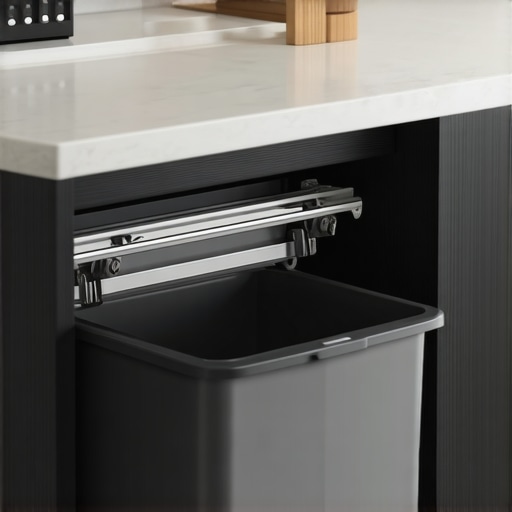
Think of hardware like the joints in a well-crafted puzzle—critical for smooth operation and durability. For tight blind corners, I recommend weighted, ball-bearing slide systems that can handle heavy load without jamming. Visit this guide to understand which hardware suits different scenarios. Remember, investing in quality hardware prevents frustrating jams and supports long-term use.
Installing pull-out shelves
Securely anchoring these shelves involves screwing into solid backing, such as metal studs or thick plywood. I once attempted to install a pull-out system into a hollow drywall section—disaster ensued with sagging shelves. Instead, I drilled holes through the backing and used heavy-duty anchors compatible with my hardware. Use a drill with a level indicator to ensure alignment, reducing the need for adjustments later.
Crafting Custom Cabinets for Seamless Fit
Custom cabinetry acts as a tailor-made suit for your kitchen. To achieve a flush look, scribe the cabinet edges to the wall using a pencil and a flexible ruler—similar to tracing patterns for clothing. I once had to custom cut a panel to hide an uneven wall protrusion, which required careful sanding and fitting. Aim for a gap of just 1/8 inch for ease of opening while maintaining a sleek appearance. For heavy-duty regions, opt for plywood instead of particleboard, which can warp over time and lead to sagging, as explained here.
Optimizing Access with Deep and Narrow Pullouts
Deep drawers for pots or narrow pullouts for spices increase accessibility dramatically. I installed a deep drawer with full-extension slides for my cast iron collection, making them easy to reach without the awkward shoving. Use these techniques to maximize space. For smaller items, vertical dividers can prevent lids from slipping to the back, saving you time hunting for that elusive matching lid.
Attaching Cabinets Securely to Supports
Securing heavy cabinets involves anchoring into sturdy wall framing. Use toggle bolts or lag screws into metal studs for added strength. I once compromised by relying only on drywall anchors—quick fix turned into a disaster when the cabinet started shifting. Prioritize fastening into the studs, and for floor-to-ceiling units, consider steel brackets like the recommended method. This ensures stability and safety for your precious stored items.
Seal, Finish, and Test
After installation, seal gaps with caulk to prevent dust entry and finish with a durable coating suitable for kitchen environments. I once painted my cabinets and discovered uneven gaps, which I fixed with shims and relaminating. Test each drawer and door multiple times, adjusting hinges and slides as needed to achieve a perfect, gap-free closure—this last step guarantees a professional look and seamless operation.
Many homeowners assume that installing built-ins or opting for custom cabinets guarantees a perfect, hassle-free kitchen. However, a common misconception is that more complex, tailored solutions inherently eliminate storage woes. In my experience, this isn’t always true. Often, the real challenge lies in understanding the nuances of design and material choices. For instance, selecting the trending matte black hardware might seem stylish, but without considering fingerprint resistance, it could lead to constant cleaning chores. According to industry expert Jenna Block, choosing finishes that suit your lifestyle is crucial—otherwise, your beautiful remodel could become a maintenance nightmare.
What advanced mistakes do people often overlook when planning custom cabinets?
One critical oversight is neglecting future accessibility needs, especially in open-concept kitchens where pantry items or appliances become harder to reach over time. Many fall into the trap of designing for today’s needs but forget to plan for aging-in-place requirements or evolving family size. Additionally, overlooked ventilation considerations can cause problems with integrated appliances, leading to costly retrofits later. Studies show that integrating proper airflow and placement strategies from the outset can prolong cabinetry life and maintain aesthetics. Moreover, relying solely on standard hardware or superficial aesthetics often results in functional shortcomings. For example, a sleek, fold-away spice rack might look elegant but cause difficulties when trying to access spices quickly during cooking. The lesson here is: prioritize function over form where it counts. Exploring innovative storage solutions, like those detailed here, can transform your space beyond visual appeal.
Another common trap is underestimating the importance of structural support, especially for heavy countertops and built-ins. Installing a statement island without reinforcing support can lead to sagging and damage over time—an avoidable mistake, but frequently overlooked. Proper bracing, like steel supports outlined here, is vital for durability. Ultimately, even the most beautiful kitchen won’t sing if it isn’t built on solid footing. When designing your space, think long-term and consult experts who understand these hidden nuances. Doing so ensures that your investment adds lasting value and functionality, not just visual appeal. So, before finalizing your remodel, double-check that you’re avoiding these subtle but costly pitfalls. Have you ever fallen into this trap? Let me know in the comments.
Keeping It Working: Essential Tools and Maintenance Tips
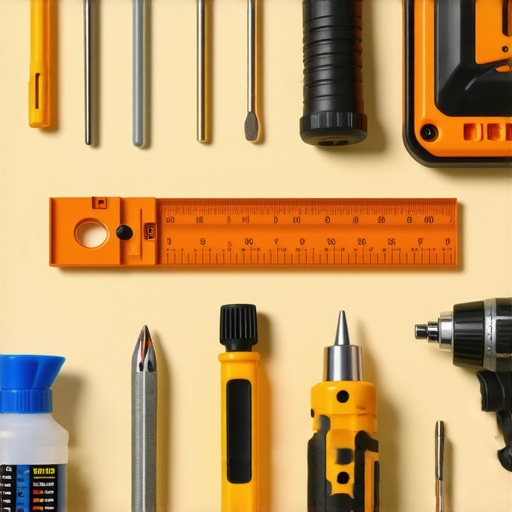
Creating innovative kitchen storage solutions is only part of the journey; maintaining them to ensure long-term functionality is equally important. I recommend investing in high-quality cleaning and adjustment tools to keep your cabinetry and hardware performing at their best. For precision adjustments, a Turret Screwdriver Set with various bits is invaluable. It allows for fine-tuning hinges and slides, especially after seasonal shifts that can cause misalignments. Additionally, a Magnetic Level ensures your shelves and cabinets stay perfectly aligned over time, preventing issues like binding or uneven gaps. Regular inspection of hardware for wear and tear can prevent bigger problems; I’ve found that routine checks can extend the lifespan of custom-built storage compartments by years.
Furthermore, employing a Lubricant Spray such as silicone-based lubricants on hinges and slides helps maintain smooth operation. In my experience, applying lubricant twice a year, particularly before and after seasons with significant humidity changes, keeps components moving effortlessly. For more comprehensive maintenance, investing in a Power Drill with a Bit Set can assist in quick repairs and adjustments, saving time and frustration. Remember, using durable hardware and applying proper care not only preserves your remodel investments but also ensures safety and convenience.
How do I maintain custom cabinets over time?
A key to lasting cabinetry is periodic cleaning with gentle, non-abrasive cleaners and checking for shifts or loosened screws. I like to use a soft microfiber cloth combined with natural wood cleaners, especially on stained wood surfaces. Tightening hardware and resealing edges with appropriate caulks every couple of years prevents moisture intrusion and wood warping. For a future-proof approach, explore innovative storage upgrades like the ones discussed here, which can be added incrementally to extend the utility of your existing setup.
Looking ahead, the trend in kitchen maintenance shifts toward smart monitoring systems that alert you when components need attention, much like smart home devices. Although still emerging, integrating simple sensors into key areas of your cabinetry could revolutionize upkeep, minimizing unexpected failures. Starting with simple tools now ensures your space remains functional and beautiful for years to come. Don’t forget to regularly check your hardware, apply lubricants, and keep your tools handy to respond quickly to minor issues before they escalate. Want to streamline your maintenance? Consider setting a biannual inspection routine, focusing on hinges, slides, and seals.
Tool Up for Seamless Kitchen Performance
Remember, having the right tools makes all the difference in maintaining your custom solutions. Well-maintained storage not only extends the life of your remodel but also keeps your kitchen running smoothly for everyday use. If you’re interested in more detailed techniques to optimize your storage, check out modern remodel ideas that emphasize durable, easy-to-maintain features. And if you’re considering adding new elements, doing so with the proper tools will save you time and frustration. Ready to upgrade your maintenance routine? Start by grabbing a quality screwdriver set and schedule regular hinge and slide inspections—your kitchen will thank you!
What I Wish I Knew When Starting My Kitchen Remodel
- Never underestimate the power of precise measurements—small deviations can turn a smooth install into a frustrating puzzle. Learning this the hard way taught me to always double-check and document every inch before purchasing hardware or cutting materials.
- Quality hardware is an investment that pays off over time. Opting for sturdy, well-reviewed slides and hinges saved me headaches and ensured my built-ins lasted for years, showcasing the importance of trusting expert recommendations.
- Custom cabinetry isn’t just about looks; it’s about function. Tailoring storage to specific needs—like spice pull-outs or deep pot drawers—transformed my kitchen into a highly efficient space I love working in.
- Thinking long-term means considering future accessibility and maintenance. Incorporating features like easy-to-reach pullouts and simple-to-clean finishes keeps your kitchen beautiful and usable for years to come.
- Don’t skip the detailed planning of junctions and supports. Reinforcing heavy countertops and anchoring tall cabinets into studs prevented sagging and wobbling, saving money and effort down the line.
Tools and Resources That Changed My Game
- Premium hardware brands like Blum or Hettich—trusted for durability and smooth operation, they made my installation seamless.
- High-quality plywood—a game-changer for sturdy, long-lasting shelves that support heavy loads without warping.
- Design software or templates—helped me visualize the space and plan custom features precisely, reducing costly errors.
- Practical hardware guides—practical resources that provided insight into hardware selection and troubleshooting, ensuring my solutions remained reliable.
- Expert consultation from seasoned cabinetmakers—taught me to focus on structural support and detailed finishing touches that elevate the entire project.
Your Turn to Make It Happen
Embarking on a kitchen upgrade focused on smart storage solutions and custom cabinetry unlocks potential you might not have realized was there. By combining careful planning, quality materials, and the right tools, you can create a space that’s not only stunning but also incredibly functional. The secret lies in appreciating the nuances—those small details that turn a good kitchen into a remarkable one. If you’re ready to take your storage game to the next level, start with a detailed assessment and don’t shy away from expert advice. Remember, every inch reclaimed is a step toward a more enjoyable and efficient kitchen experience. Are you prepared to reimagine your space and unlock its full potential? Share your ideas or questions below—let’s build something extraordinary together.