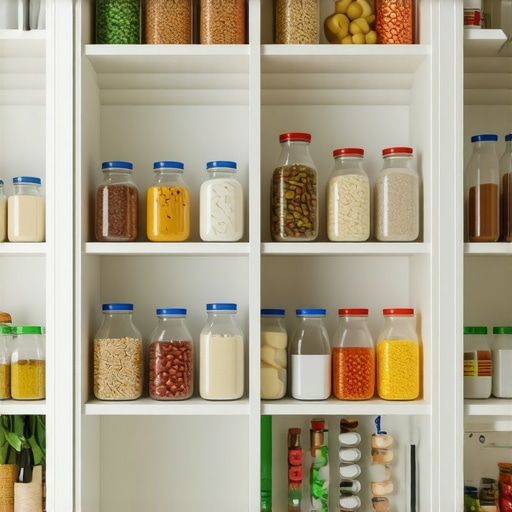
The Pantry Depth Trap: Why 24-Inch Shelves Guarantee Lost Food
I vividly remember the moment I opened my pantry and realized I couldn’t find that jar of peanut butter I bought just a week ago. Instead, I found a dusty bag of rice buried behind a stack of oversized cereal boxes, forgotten and nearly expired. That daily frustration was my lightbulb moment: standard 24-inch deep shelves are quietly sabotaging my kitchen organization. If you’ve ever thrown a tantrum over lost lids, expired spices, or a mismatched set of Tupperware, then you’re not alone.
Why So Many of Us Fall Into the Shelf Depth Trap
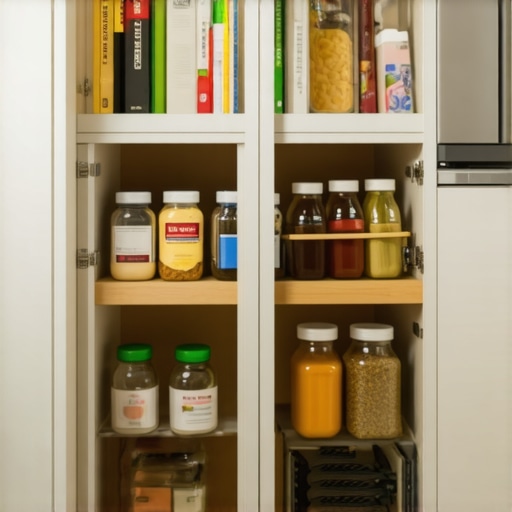
It seems so logical at first—more depth, more storage, right? But the truth is, those deep shelves, often 24 inches or more, turn into black holes for your food. Items get pushed to the back, forgotten, and eventually go bad. According to a recent study, nearly 30% of pantry foods go unused because they’re hidden behind other items, contributing to waste and frustration. I learned this the hard way early on—by stacking cans and boxes in ways that made retrieval a full-blown treasure hunt.
This challenge isn’t just about clutter; it impacts your budget, your health, and your sanity. Imagine the savings if you could see everything at a glance or reach every item easily. The good news? There are smarter storage designs that can help us overcome this. To see how innovative solutions can transform your space, check out these smart storage ideas.
Are you tired of losing track of what’s in your pantry? Have you faced the disappointment of expired snacks or the chaos of stacking and unstacking? You’re not alone, and the good news is—there’s a way to fix this. Next, we’ll explore practical strategies to avoid the common pitfalls of standard built-in shelves, starting with how to design your pantry to truly serve your needs.
Design for Accessibility Before You Install
Picture this: I once attempted to install a custom spice rack on a whim, only to realize mid-project that the wall space was riddled with hidden pipes. To avoid this, use a stud finder and map your walls. Mark the positions of studs, pipes, and electrical wiring with painter’s tape. This planning step prevents costly mistakes and ensures your built-ins sit securely, making every inch count. Consider visiting modern kitchen remodel examples for layout ideas.
Choose the Right Materials for Durability and Style
Opt for high-quality plywood or MDF for your cabinet boxes and shelves. These materials are like the backbone of your storage; they need to support weight without warping. I once used low-grade particle board in a pantry project, which sagged within a year. Instead, selecting ¾-inch plywood with a veneer finish not only offers longevity but also a refined look. To match your aesthetic, explore cost-efficient inset doors that complement your design.
Implement Vertical Dividers and Pull-Outs for Deep Shelves
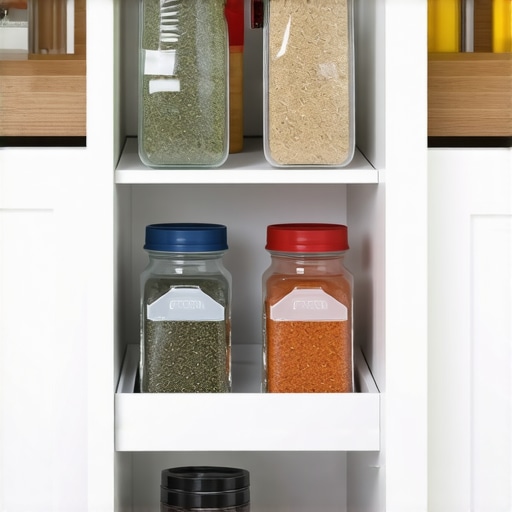
Deep shelves can hide dozens of cans and boxes, but retrieving them is a hassle. I tackled this by installing vertical dividers in my deep drawers, turning a chaotic pile into a tidy arrangement. Vertical dividers prevent lids from tumbling and keep cans upright, making everything visible at once. For seconds on these solutions, check vertical divider ideas. Additionally, pull-out trays or baskets can turn inaccessible back corners into usable space, much like turning a hidden alley into a bustling street.
Utilize Drawer Organizers and Custom Inserts
Standard drawers often become dumping grounds. Insert dividers for utensils, or customize with foam or wood inserts to hold specific items like baking sheets or spices. I once crafted a custom insert for my baking tools, which saved me hours searching amid a jumble of pans. You can mimic this with simple DIY plywood heavy-duty slides and adjustable dividers, turning a plain drawer into a well-organized station.
Maximize Waste Space with Hidden Storage
Every nook and cranny can be converted into storage. Toe-kick drawers or hidden compartments under cabinets can store baking sheets, cleaning supplies, or rarely used items. I installed a toe-kick drawer beneath my oven that holds sheet pans, freeing up precious cabinet space. For expert techniques on this, explore toe kick drawer tips. This approach keeps your kitchen looking sleek while adding valuable storage.
Plan for Future Growth and Flexibility
Anticipate how your needs might evolve. Incorporate adjustable shelves, removable dividers, and modular units that can adapt as your collection or lifestyle changes. Once, I designed a shelf system with multiple heights, accommodating everything from wine bottles to tall cereal boxes. Flexibility ensures your built-ins stay functional long-term, like future-proofing your home. To see design inspirations, visit innovative storage solutions. Proper planning ensures that your investment continues to pay dividends in convenience and satisfaction.When it comes to designing built-in storage and cabinets, many assume that following popular trends or sticking to standard sizes guarantees success. However, as an expert in custom cabinetry and space optimization, I can tell you that this approach often misses critical nuance. One common misconception is that bigger, deeper shelves always mean better storage. In reality, excessively deep shelves, like the typical 24-inch ones, create blind spots where items can get lost or forgotten, leading to clutter and waste. Studies, such as those highlighted by the National Kitchen and Bath Association, show that poor accessibility and improper storage planning contribute significantly to homeowner frustration and increased costs.
A hidden trap I frequently see is the belief that uniformity in cabinetry style is more important than functional adaptability. While matching aesthetics is appealing, sacrificing flexibility—like adjustable shelves or modular inserts—limits your ability to optimize space for changing needs. For instance, incorporating vertical dividers or pull-outs in deep drawers transforms chaotic piles into organized systems, saving time and reducing cabinet damage over time.
Why do even seasoned designers overlook the importance of space flexibility in built-ins?
Quite often, they underestimate the impact of future needs or neglect to plan for expansion, which results in tearing out and rebuilding cabinetry prematurely. According to industry expert Matt Risinger, integrating adjustable components and custom inserts at the planning stage is essential for long-term satisfaction. Don’t fall into the trap of assuming a one-size-fits-all approach works for every home; instead, invest in tailored solutions that anticipate growth and lifestyle shifts.
Another advanced nuance is the role of door hardware and hinge selection in achieving a seamless, flush finish. Many overlook the importance of European hinges and precise adjustments, which can make or break the visual appeal of inset and overlay doors. Proper alignment not only enhances aesthetics but also prevents issues like sticking or gaps that diminish durability. For those interested in elevating their cabinetry, exploring hinge adjustments is a worthwhile step.
Furthermore, choosing materials wisely plays a subtle but significant role. While MDF or particleboard may seem cost-effective initially, they often warp or sag under weight, especially in humid environments. High-quality plywood with proper veneer finishes offers durability and a refined look, ensuring your investments stand the test of time. For more on material selection, see cost-efficient inset doors.
In conclusion, understanding these nuances—whether it’s the depth of shelves, the importance of modular flexibility, or material selection—can dramatically impact your satisfaction and the longevity of your built-in storage. Don’t blindly follow popular trends; instead, tailor your approach based on detailed planning and expert insights. Have you ever fallen into this trap? Let me know in the comments and share your experiences with storage solutions. For more tips on customizing your space, explore custom cabinet ideas. Remember, strategic upgrades today prevent costly revisions tomorrow.Maintaining your custom-built cabinetry and storage solutions is essential to preserve their aesthetic appeal and functionality over time. One of my favorite tools for ongoing maintenance is a high-quality digital moisture meter. It helps me detect subtle humidity changes in wood surfaces, preventing warping or mold growth—especially in humid environments like kitchens and bathrooms. Investing in a reliable moisture meter from brands like Extech ensures accuracy and durability. Additionally, using a soft microfiber cloth combined with gentle, pH-balanced cleaners keeps surfaces spotless without causing damage or streaks, extending the life of painted or stained finishes.
When dealing with hardware adjustments or minor repairs, a precision Phillips-head screwdriver and a set of Allen wrenches are indispensable. I personally keep a compact toolkit with these essentials in my maintenance box, allowing me to fine-tune hinges, pull-outs, and door alignments as needed. Regularly inspecting drawer slides and hinges with a flashlight can uncover early signs of wear, enabling proactive fixes before costly replacements become necessary.
For ongoing organization and to adapt to evolving needs, I recommend software solutions like SketchUp or Cabinet Vision. These programs allow me to map out modifications or additions digitally, ensuring that any future scaling aligns perfectly with existing built-ins. Predicting shifts in storage needs—such as adding pull-out shelves or adjusting cabinet heights—becomes straightforward and cost-effective.
Looking ahead, I believe the trend toward smart maintenance tools will grow, integrating sensors into cabinetry for real-time monitoring of humidity, weight, or usage patterns. This proactive approach minimizes damage and maximizes lifespan, turning maintenance from reactive to preventive.
How do I maintain my built-in storage systems to ensure they last for decades?
Regular cleaning with microfiber cloths and moderate detection of humidity through moisture meters are key. Also, scheduling annual inspections for hardware integrity can prevent small issues from escalating. Incorporating adjustable components and modular inserts not only makes future modifications easier but also prolongs the functionality of your cabinets. For example, upgrading hinges with soft-close European models or installing removable dividers can adapt your space to changing needs.
To stay ahead, I personally experiment with new, durable finishes like urethane or powder coating, which resist scratches and moisture better than traditional paints. Exploring innovations like concealed support brackets from these experts can provide extra peace of mind.
Think about scheduling semi-annual maintenance using your digital tools to schedule reminders for cleaning and hardware checks. Over time, these practices will become second nature, ensuring your built-ins continue to serve beautifully and reliably for years to come. Don’t forget—trying out one advanced tip, like installing humidity sensors, can make all the difference in your long-term satisfaction.
What I Wish I Knew About Built-In Storage Before I Started
One of the most valuable lessons I learned is that more space doesn’t always mean better organization. Deep shelves, while tempting, can become black holes for items, hiding your favorite dishes or pantry staples and leading to waste. Trust me, planning with accessibility in mind—like adjustable shelves and pull-out trays—changes everything. Another insight is the importance of materials; choosing high-quality plywood over particle board can save you headaches down the line. Lastly, incorporating flexible features like removable dividers means your built-ins can adapt as your needs evolve, preventing the need for costly remodels in the future.