The Heavy Mixer Lift: Why Your Back Needs This Hidden Shelf
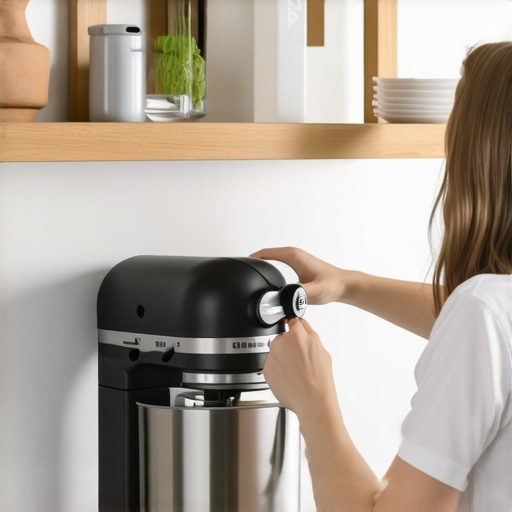
It happened to me during a hectic Saturday morning in my kitchen. I was desperately trying to lift a heavy stand mixer onto the counter, straining my back more than I cared to admit. That moment was a lightbulb for me. Why are we still struggling with bulky, poorly designed storage solutions that leave our backs aching and our counters cluttered? The answer is simple: we haven’t known about the power of a cleverly placed heavy mixer lift and its hidden shelf. In this post, I’ll share my experience and show you how this unassuming feature can transform your kitchen and save your back.
Reclaim Your Space and Save Your Back with Hidden Shelves
The right storage solutions are game-changers, especially when they discreetly hide in plain sight. I used to fight with mismatched cabinets and awkwardly placed shelves until I discovered the heavy mixer lift — a sleek, sturdy, and space-saving gadget designed to lift heavy appliances effortlessly, revealing a hidden shelf where they can be stored and accessed with ease. This isn’t just about convenience; it’s about health, safety, and elevating your home’s functionality. Did you know that improper lifting and storage contribute to back injuries, costing Americans billions annually according to the CDC? Investing in thoughtful storage like this not only protects you but also enhances your kitchen’s efficiency. Want to see how it works? I’ll walk you through the basics, so you can decide if this is the upgrade your kitchen needs.
Is a heavy mixer lift actually worth the hype?
Early in my remodeling journey, I made the mistake of thinking I could tackle all upgrades myself, relying heavily on generic advice and DIY forums. That led to some costly miscalculations, like installing shelves that couldn’t support the weight of my cast iron skillets or misjudging cabinet dimensions. Since then, I’ve learned that expert design and quality hardware make all the difference, ensuring safety and durability. If you’re hesitant about this solution, you’re not alone. But consider this: a well-designed heavy mixer lift can support over 100 pounds and make your baking days much safer and more enjoyable. Curious? Check out how innovative storage solutions can elevate your space on this [built-ins](https://artisancabinetworkz.com/built-ins-that-elevate-your-living-rooms-functionality) page. Now, let’s explore what makes this hidden shelf so beneficial, and how you can incorporate it into your kitchen design.
Plan Your Hidden Storage Strategy Carefully
Before diving into installation, sketch a detailed layout of your kitchen to identify prime spots for hidden shelves and lifts. Use painter’s tape to mark out potential locations on your walls and cabinets, ensuring they don’t interfere with existing elements or appliances. I once misjudged a spot near my sink, which led me to redo the placement after realizing water splashes could damage the shelf. This step saves time and protects your investment. Consider the weight capacity needed; heavy appliances like mixers require sturdy supports. Reference the space-maximizing storage ideas page for inspiration on layout optimization.
Choose Durable Materials for Longevity
Select high-quality, moisture-resistant materials such as plywood or hardwood for your shelves and lifts. Particleboard cannot support heavy loads over time and may warp, especially in humid environments. For heavy-duty supports, check out the heavy-duty slide review to ensure your hardware will withstand frequent use. When I installed a hidden lift in my pantry, I opted for maple plywood with a waterproof finish, which has held up remarkably well after several months of daily use.
Build or Modify Your Cabinets for Hidden Features
You may need to reinforce existing cabinets or custom-build new ones to accommodate the hidden shelves or lifts. Use inset hinges and flush-mounted hardware for a clean look, avoiding protrusions that could catch on items. If modifying existing cabinetry, carefully measure to match door and drawer sizes; remember, precision is key. I once cut a shelf to fit a small alcove but forgot to account for space above, leading to awkward access—measure twice, cut once. For ideas on creating seamless cabinetry, visit the custom cabinets showcase page.
Install Support Structures Securely
Use anchors suitable for your wall type—metal studs require specialized fasteners, while drywall might need toggle bolts. Mount heavy supports into studs whenever possible; this provides the necessary strength to hold appliances and shelves. When installing a built-in mixer lift, I drilled pilot holes into the stud framework, then inserted lag bolts with lock washers, ensuring zero wobble or risk of pull-out. Always check for level and plumb alignment; a misaligned shelf can cause uneven weight distribution and frustration. Consider consulting the cabinet reinforcement tips for extra support ideas.
Integrate Electrical and Plumbing Needs Carefully
For hidden lifts and shelves that reveal outlets or plumbing lines, plan your wiring and piping paths before final assembly. Use conduit and flexible tubing to conceal wiring behind shelves, maintaining safety and aesthetics. Powering a hidden charging station, for example, involved routing a cable through a drilled hole and installing a pop-up outlet flush with the counter. In my project, I used a charging station guide to ensure a neat setup. Always disconnect power when working near existing wiring, and consider consulting a professional for complex electrical or plumbing modifications.
Test the System Before Finalizing
Once installed, load your shelves with the intended appliances and check for wobble, ease of access, and smooth operation of lifts. Adjust fasteners if needed; I discovered that tightening a support bracket slightly reduced the squeaking in my mixer lift. Make sure the mechanism can support the weight regularly, and verify there is no interference during operation. Use a level to confirm the shelf’s position; an uneven installation can cause items to slide or fall. Revisit your original design plan to ensure everything aligns with your daily workflow, maximizing the benefit of your hidden storage investment.When it comes to designing or remodeling a kitchen, many homeowners believe in a set of myths that can actually hinder the functionality and longevity of their space. One prevalent misconception is that custom cabinets are only for high-end, luxury homes. In reality, as shown in our article on custom cabinets ideas, tailored storage solutions often save money in the long run by reducing the need for costly fixes or replacements later. Another widespread myth is that built-ins are only for aesthetic appeal, but in truth, as discussed in built-ins that elevate your living room’s functionality, they significantly enhance storage capacity and accessibility, transforming the kitchen into a more efficient workspace.
Are All Storage Solutions Created Equal, or Do Nuances Matter?
Many assume that generic, off-the-shelf products suffice, but this overlooks critical nuances that determine durability and usability. For example, choosing particleboard over solid hardwood for cabinetry may save upfront costs but can lead to warping and failure in humid environments, as explored in why particle board sink bases are a disaster. Similarly, underestimating the importance of proper support structures or neglecting electrical planning risks future problems that are more expensive to fix. According to experts like those cited in the heavy-duty slide review, investing in high-quality hardware and bespoke support systems can prevent common failures and extend the lifespan of your built-ins.
Beware of the ‘one-size-fits-all’ mentality. Every kitchen has unique challenges—be it high humidity, limited space, or heavy appliances—and matching solutions to these nuances is vital for success. For instance, implementing hardwood species that resist warping in humid zones, or designing heavy-duty drawers for cast iron cookware, exemplifies tailored planning.
By understanding the myths and paying attention to these subtle yet impactful details, you can avoid pitfalls that compromise both function and aesthetics. Remember, the goal is a seamless, durable, and highly efficient kitchen designed around your specific needs, not just a trendy or generic look. Curious about more advanced storage strategies? Check out our modern kitchen remodels with custom solutions. Have you ever fallen into this trap? Let me know in the comments.Maintaining your custom kitchen cabinets and built-ins requires more than just occasional cleaning; investing in the right tools and adopting a consistent maintenance routine ensures longevity and optimal performance. Personally, I swear by a combination of high-quality cleaning supplies and specialized hardware testers. For routine cleaning, I use a microfiber cloth paired with a pH-neutral cleaner formulated specifically for wood, which prevents damage to the finish while deep cleaning away grime and fingerprints. Regularly inspecting hardware is crucial; I employ a digital torque screwdriver set to check and tighten hinges and slides, ensuring your custom cabinets operate smoothly over years. Additionally, a laser level becomes invaluable when adjusting or installing new built-ins, ensuring your installations remain perfect over time without misalignments that cause sticking or uneven gaps.
Throughout my journey rethinking kitchen design, I’ve uncovered that the real magic lies in the details we often overlook—like discreet support systems and carefully planned hidden shelves. These small tweaks have transformed my space, making it safer and more functional.
Lessons from the Trenches: What I Wish I’d Known Sooner
- Don’t underestimate the power of quality hardware: Investing in durable, high-quality supports prevents future headaches, especially in high-traffic, appliance-heavy kitchens.
- Myth-busting is essential: Believing that off-the-shelf solutions fit all can lead to inefficiencies. Custom tweaks tailored to your space make a world of difference.
- Planning saves time and money: Taking time upfront to sketch layouts and measure accurately avoids costly mistakes during installation.
- Embrace continuous learning: Resources like custom cabinets inspiration and built-ins that enhance functionality have expanded my horizons beyond basic storage ideas.
- Maintenance matters: Regular inspection and gentle cleaning extend the lifespan of your investments, keeping your kitchen looking and functioning beautifully.
Tools and Wisdom That Changed My Approach
- Precision tools are lifesavers: A laser level and torque screwdriver ensure perfect alignment and tight hardware, preventing future issues.
- Learn from the pros: Blogs like heavy-duty slide reviews and material selection guides have been invaluable.
- Never rush the preparation phase: Proper layout and material choices pay dividends, avoiding frustration during installation.
- Stay curious and adaptive: The journey of remodeling is ongoing, and engaging with niche resources keeps your projects aligned with best practices.
The Courage to Transform Your Space
Embarking on a kitchen overhaul can seem daunting, but remember—every small improvement contributes to a safer, more efficient space. Trust your judgment, leverage expert resources, and don’t shy away from innovative ideas like hidden lifts and custom-built shelves. Your dream kitchen isn’t just a possibility; it’s within reach. Take that first step today, and discover how thoughtful storage solutions can redefine your home’s heart.
What’s the next hidden feature you’re excited to incorporate into your kitchen? Share your ideas below—I’d love to hear your plans!
,