7 Hardware Finishes That Hide Fingerprints Better Than Polished Chrome
I remember the first time I installed a set of shiny polished chrome handles on my new cabinets. They looked stunning in the showroom, gleaming under the lights. But once they found a home in my busy kitchen, the reality hit — fingerprints, smudges, and water spots became impossible to ignore. Every day felt like a battle to keep them looking pristine, and honestly, it was exhausting.
That lightbulb moment made me realize something: my choice of hardware finish was more than just about style; it directly impacts my daily frustration. I started exploring finishes that could better withstand my family’s fingerprints and everyday grime. The GOOD news? There are several finishes out there—beyond the usual polished chrome—that do a much better job hiding fingerprints and maintaining a clean look.
Why Finishes Matter More Than You Think
Choosing the right hardware finish isn’t merely about aesthetics. It affects your maintenance routine, the overall vibe of your kitchen, and even your mood. Fingerprints and smudges can turn a sleek, modern space into a constant reminder of the chaos, especially when you’re in a rush.
Over the years, I’ve tested out different finishes, and I’ve got to say—some hide fingerprints better than others. Matte, brushed, and textured finishes are game changers when it comes to longevity and cleanliness. And trust me, making the right choice can save you time and frustration in the long run.
Before we dive into the top finishes that help keep your cabinets and hardware looking fresh, I want to share an important mistake I made at the start. Early in my renovations, I opted for the glossy, high-shine look without considering how much finger grease it would attract. That oversight led me down a rabbit hole of constant cleaning, which wasn’t worth the aesthetic payoff.
Are you tired of battling fingerprints on your hardware? If so, you’re not alone. The good news is, with a few strategic choices, you can significantly reduce the visible grime—making your kitchen easier to maintain and more inviting.
Now, let’s explore the finishes that truly make a difference, and how they can transform your space into a low-maintenance haven.
Map Out Your Space Before Installing Custom Cabinets
Start by measuring your kitchen thoroughly, noting ceiling heights, wall lengths, and existing obstructions. Use a tape measure and a level to ensure accuracy. Visualize traffic flow and work zones to optimize layout. I once neglected this step and ended up with cabinets that blocked doorways, causing frustration. To avoid this, create a scaled floor plan or use online design tools. For inspiration, browse custom cabinet ideas that maximize functionality in small spaces.
Select Storage Solutions Tailored to Your Needs
Integrate Deep Drawers for Heavy Items
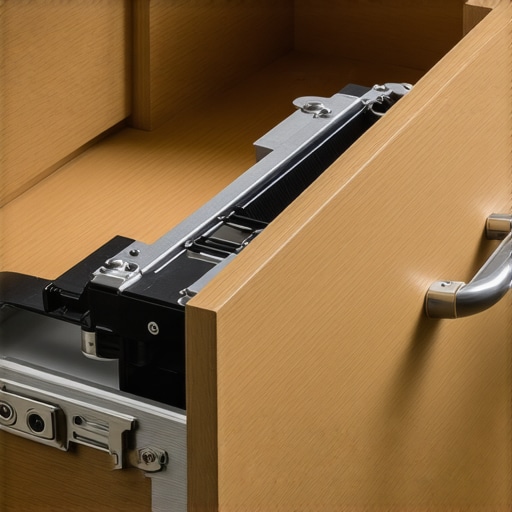
Replace traditional shelves with full-extension deep drawers for pots, pans, and small appliances. These drawers provide easy access and reduce clutter, especially when equipped with specialized slides. I installed a set of these in my own kitchen and was amazed at how much more organized my cookware became, saving me time and effort.
Use Vertical Dividers for Sheet Pans and Baking Sheets
Vertical dividers turn a chaotic stack into an accessible, tidy storage area. They are inexpensive and easy to install—simply slot them into existing cabinets. When I first added a vertical divider, I recovered several inches of wasted space, making it easier to find what I needed without digging through piles.
Design Built-Ins for Seamless Functionality
Consider custom built-in media consoles to hide cords and electronics, or a sleek coffee station to keep countertops clutter-free. These features can be crafted to fit your specific lifestyle, increasing efficiency. I once integrated a hidden charging drawer into my kitchen, which kept cables hidden and protected during food prep, illustrating how thoughtful built-ins can streamline daily routines.
Maximize Upper Cabinet Space with Clever Details
Install adjustable shelves or add a toe-kick drawer beneath base cabinets to utilize every inch. Using a toe-kick drawer turned out to be a game-changer, providing hidden storage for seldom-used items. My experience with this modification showed how small changes can significantly boost storage capacity and reduce clutter.
Optimize Small Nooks with Custom Solutions
Turn awkward corners into functional storage with custom corner units. For instance, I added a swing-out tray in my lazy corner cabinet, transforming a black hole into an accessible pantry. Sketch out these spaces and plan for pull-out shelves, vertical dividers, or even a hidden spice rack to make every inch count.
Implement Practical Accessories for Daily Routines
Incorporate adjustable racks, pull-out trash cans, or spice drawer inserts to improve workflow. For example, I replaced my standard under-sink organizer with a waterproof tray and custom bins, preventing leaks and making cleaning easier. Think about how each accessory can reduce steps during meal prep and clean-up — a small investment that pays off in convenience.
When it comes to kitchen renovations, many home owners fall prey to misconceptions that can lead to costly mistakes or unsatisfactory results. One widespread myth is that all built-in storage solutions are created equal. In reality, the nuances between high-quality custom cabinets and off-the-shelf options are profound, affecting durability, functionality, and long-term satisfaction. For instance, choosing DIY-ready modular units might seem convenient but often sacrifices the fine craftsmanship and precise measurements that bespoke custom cabinets provide, resulting in wasted space and recurring repairs.
A common misconception is that bigger is always better in storage. While spacious cabinets are appealing, overestimating your needs can clutter your space and make it harder to access essentials. Careful planning and understanding smart storage solutions are key to maximizing efficiency without sacrificing style.
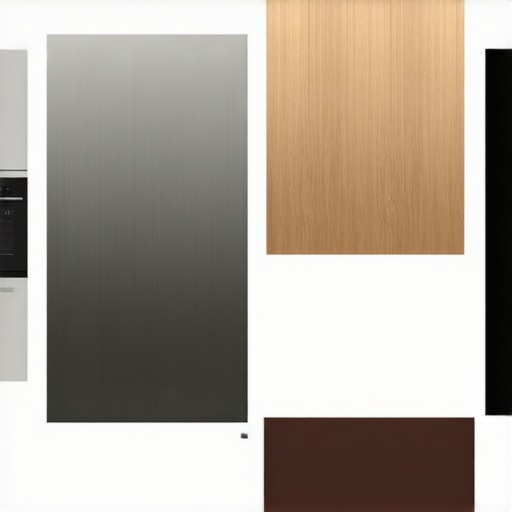
Beware the trap of uniformity—believing matching hardware and finishes are always optimal. Contrarwise, mixing materials and hardware can add character and hide fingerprint smudges, especially with finishes like matte black or textured metals. For example, a popular mistake is selecting glossy finishes for their reflective appeal, but these surfaces tend to show grease and fingerprints more easily, requiring frequent cleaning. Experts recommend considering finishes designed to resist fingerprints, such as fingerprint-resistant materials.
One more nuance often overlooked is the importance of properly planning for electrical and plumbing access within built-ins. Underestimating the complexity of wiring hidden tech or water lines can lead to future headaches and costly retrofits. Incorporating advanced planning and consulting with specialists during design helps avoid these pitfalls.
So, what advanced mistake might you unknowingly make during your remodel? A significant one is neglecting to account for future needs—like added appliances or changing lifestyle habits. For example, installing a built-in coffee station without considering electrical outlets or ventilation will limit its usefulness or require future renovations. Anticipating growth and integration into your design leads to a more versatile, satisfying space.
Understanding these nuances and avoiding common traps require a keen eye and experienced judgment. That’s why engaging with professional custom cabinetry experts and thoroughly researching your options is invaluable. Remember, a well-thought-out kitchen isn’t just about aesthetics but about creating a functional, enduring space that adapts with you over time.
Have you ever fallen into this trap? Let me know in the comments. For more insights into creating a cohesive, long-lasting kitchen, check out our built-ins that elevate your living areas.
Keeping It Working: Tools I Recommend for Longevity and Efficiency
In my experience, investing in the right tools is crucial for maintaining the quality and functionality of your kitchen over the years. I personally rely on a set of precision measuring devices, quality lubricants, and specialized cleaning products to ensure that built-ins, cabinets, and storage solutions stay in top shape. For example, I swear by a digital caliper for verifying hinge and drawer slide clearances, which helps me achieve perfect alignment during installation. Regular lubrication with a silicone-based spray keeps moving parts smooth, preventing squeaks and wear.
Another indispensable tool is a power drill with a variable speed control and a comprehensive set of drill bits. It’s vital for making small adjustments, installing new hardware, or repairing worn components. I also recommend a quality torque screwdriver to prevent over-tightening hardware, which can damage delicate finishes or strip screws. Managing your tools well not only extends their lifespan but also ensures safety and efficiency during ongoing maintenance tasks.
How do I maintain my built-ins and cabinets over time?
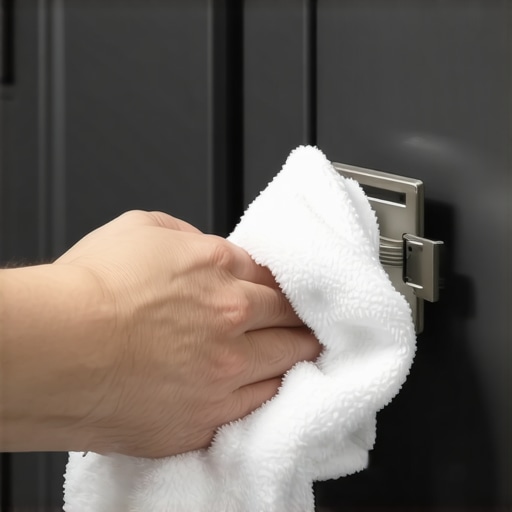
Routine maintenance is key. Dusting with a soft microfiber cloth prevents buildup, while occasional cleaning with a mild, pH-neutral cleaner preserves the finish. For hinges and slides, applying lubricant every six months keeps movements smooth. It’s also wise to inspect for loose screws or misalignments, tightening and adjusting as needed. Keep an eye on moisture levels; high humidity can cause wood expansion or warping, especially in high-end cabinetry. For comprehensive guidance, I recommend consulting specialized resources like experts’ advice to develop your long-term upkeep plan.
Looking ahead, I believe the trend in kitchen maintenance tools will shift toward smart humidity sensors, automated lubricators, and app-connected cleaning systems. These innovations could provide real-time insights and timely interventions, extending the life of your investment with minimal effort. As technology advances, staying informed about these developments will empower you to keep your kitchen not just beautiful but also resilient over decades.
Finally, don’t underestimate the importance of proper training. Learning how to adjust hinges, replace drawer slides, or seal surfaces correctly can save you significant repair costs down the line. I encourage you to try out a simple but effective tip: regularly inspect and lubricate your cabinet slides with a silicone spray to ensure effortless operation and prevent squeaks. Doing so now will save you frustration and keep your kitchen running smoothly for years to come.
An Unexpected Turn: The Cost of Aesthetic Choices
One of my biggest realizations was that prioritizing style over function often leads to hidden costs. Choosing glossy finishes for the sake of a sleek look seemed like a good idea until I faced constant fingerprint battles and frequent cleaning. This taught me to weigh aesthetics against practicality, reminding everyone that beauty shouldn’t come at the expense of daily convenience.
Small Changes, Big Impact
I discovered that minor modifications, like adding vertical dividers or toe-kick drawers, can dramatically improve storage and accessibility. These upgrades didn’t just solve existing problems—they transformed how I interacted with my space daily, emphasizing that thoughtful details make all the difference in a successful kitchen remodel.
It’s All About Long-Term Planning
Trying to future-proof my kitchen by considering potential needs forced me to think ahead—installing outlets for tech devices, designing adaptable storage, and contemplating lifestyle shifts. This experience highlighted the importance of planning beyond the present, ensuring that the space remains functional and welcoming years from now.
How I Keep My Kitchen Looking Fresh
Regular maintenance, like lubricating hinges and cleaning surfaces with gentle products, extends the lifespan of custom cabinetry and built-ins. Investing in quality tools and staying consistent with upkeep has proven essential in preserving the beauty and functionality of my remodel. If you’re interested in my tool recommendations, I highly trust insights shared in this resource.
The Power of Knowledge: Resources That Guided Me
Throughout my journey, I leaned on trusted tools and expert advice to make informed decisions. Books like those from renowned cabinet designers and online tutorials helped me understand materials and techniques. Additionally, I found that engaging with professional blogs and forums provided real-world insights that DIY guides often miss, underscoring the value of curated knowledge in a successful remodel.
Your Turn to Take the Next Step
Embarking on a kitchen renovation can feel overwhelming, but with the right mindset and resources, you can create a space that’s both beautiful and practical. Remember, every thoughtful choice now saves you time and frustration later. The key is to blend good design with strategic planning—your future self will thank you! Are you ready to start transforming your kitchen into the space you’ve always envisioned?