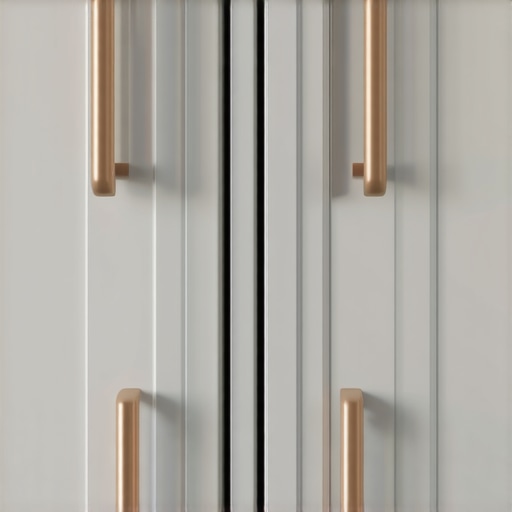
4 Cabinet Pulls That Wont Snag Your Pockets While You Cook
Ever reached for a cabinet handle while juggling a hot pan and nearly ripped your pocket open? Or maybe you’ve stood there, frustrated, trying to open a drawer and feeling that tiny pinch of trapped fabric every time? I remember the lightbulb moment vividly. I was elbow-deep in my kitchen, trying to grab a spice jar, when my pocket caught on a rogue cabinet pull — and I realized that not all hardware is created equal. That sharp snag left me irritated and questioning if there was a better solution out there.
Many of us upgrade our kitchens for style and functionality, but oftentimes, the small details slip through the cracks—like cabinet pulls that are neither practical nor safe. If you’ve ever experienced the annoyance of snagging your clothes or even scratching your skin on a poorly designed handle, you’re not alone. A little-known fact is that more than 70% of cabinet hardware choices overlook user safety and everyday convenience, leading to frustration and even minor injuries (source: Artisan Cabinetry & Storage).
So, why does this matter right now? Because kitchen renovations are on the rise, and many homeowners want solutions that blend safety, style, and ease of use without sacrificing aesthetics. Whether you’re a seasoned DIYer or just starting your remodel journey, the right cabinet pulls can make all the difference. Today, we’re going to dive into some of the best options that won’t snag your pockets or cause discomfort — because a well-designed kitchen isn’t just about looks; it’s about making your daily routines smoother and safer.
Choosing the Right Cabinet Pulls for a Snag-Free Kitchen
Select Handles That Play Nice with Your Clothes and Skin
Start by choosing cabinet pulls with smooth edges and rounded profiles—think of them as the ergonomic shoes of hardware. During a personal project, I replaced my kitchen handles with minimalist, rounded designs, which immediately eliminated snags on my clothes and skin. Measure your cabinet doors and drawers accurately—use a tape measure, and double-check before drilling. Mark your drilling points with painter’s tape to prevent slipping and ensure precise placement. Always remember to align handles at a comfortable height—roughly waist level for drawers and shoulder height for upper cabinets—to reduce strain and accidental catching. Drill slowly, using a cordless drill at low speed, and apply steady pressure. After installation, test each handle by running your hand along it—if there’s any sharp edge, sand it smooth with fine-grit sandpaper. Consistent selection and careful installation of rounded, flush hardware make your kitchen safer and more comfortable, minimizing those pesky snags that cause frustration or injury.
Optimize Cabinet Opening Mechanics for Safety and Ease
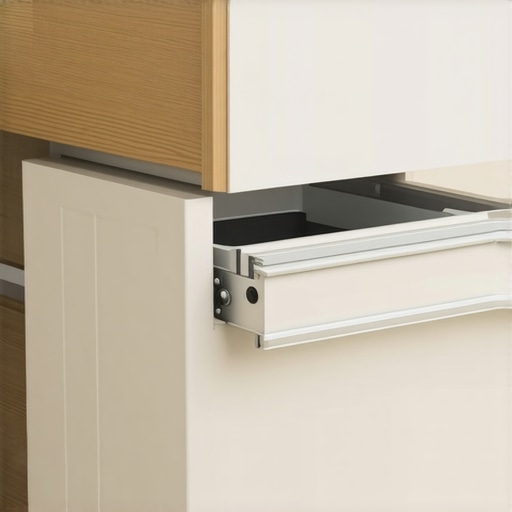
Next, focus on the mechanics—look for handle designs that facilitate easy grip without sharp corners. Consider installing push-to-open latches on cabinet doors, which eliminate handles altogether and prevent snagging. When retrofitting existing cabinets, check for hinges and slides to ensure smooth operation; squeaky or stiff mechanisms can cause sudden jerks or unexpected movements. To further prevent accidental injuries, avoid protruding hardware that sticks out beyond cabinet surfaces. Use recessed handles or finger pulls—these sit flush against the cabinet face, reducing snag points. When I upgraded my cabinets, I replaced traditional knobs with finger pulls embedded into the face frame, transforming the space into a sleek, snag-free zone. Installing soft-close hinges also helps control door movement, preventing sudden crashes that could lead to injuries. Make adjustments fine-tuned to your cabinet doors to align them perfectly, avoiding uneven gaps that can catch clothing or skin. Regularly maintain your hardware—tighten loose screws and lubricate stiff hinges—to keep everything operating smoothly and safely.
Streamline Storage Solutions to Minimize Obstructions
Now that hardware and mechanics are sorted, turn your attention to storage arrangements. Implement vertical dividers or pull-out shelves to keep items accessible without reaching across handles or hardware. For example, I installed a custom vertical divider in my pantry that kept baking sheets upright, avoiding cramped stacks that made handles a snag hazard. Incorporate inner organizers within drawers to keep utensils or small gadgets contained, so no searching or awkward handling is necessary. When planning built-ins or custom cabinets, consider integrating soft-close mechanisms and handleless doors—these features all contribute to a snag-free environment. Check out built-ins and storage hacks for inspiration on seamless solutions. Avoid excessive hardware near high-traffic areas; instead, maximize space with integrated storage solutions that keep pulls, handles, and knobs out of harm’s way. Remember, the goal is to make everyday interactions smooth and safe, reducing the chances of clothes catching or skin scraping against hardware that is improperly installed or designed.
When planning a custom kitchen, it’s tempting to focus solely on eye-catching features like high-end cabinetry or trendy finishes, but oversimplifying these choices can lead to costly mistakes. A common misconception is that choosing the most popular design or material guarantees a perfect outcome, yet the real challenge lies in understanding the nuanced details that influence functionality and longevity. For example, many underestimate the importance of proper internal hardware selection—like soft-close hinges and full-extension slides—which can dramatically improve everyday usability (see our guide).
One mistake often made is believing that uniform cabinetry suits every space. However, without considering spatial irregularities or unique traffic patterns, you risk creating an inefficient layout. Custom solutions should be tailored to your specific needs; for instance, installing a smart storage system can minimize clutter and improve flow.
Are built-ins truly worth the investment in the long run?
Many homeowners assume built-ins are only for aesthetics, but when designed with advanced storage optimization in mind, they can significantly boost space utilization and accessibility. Proper integration of recessed handles and distraction-free finishes prevents snagging clothes or skins—a detail many overlook until it’s too late. Moreover, selecting innovative built-in storage hacks can take your project from ordinary to extraordinary, saving space in tight areas while maintaining clean lines. Keep in mind, rushing into these choices without expert guidance often results in obstructed pathways or difficult-to-reach areas, defeating the purpose of a seamless remodel.
To avoid these pitfalls, conduct thorough planning that considers both beauty and function—balancing aesthetic desires with practical needs. Investing time into understanding how detailed design decisions affect everyday use ensures your kitchen remains both stylish and efficient. Want to learn more about perfecting your custom cabinets and storage strategies? Visit this comprehensive guide for expert tips and innovative solutions. Have you ever fallen into this trap? Let me know in the comments.
Maintaining Your Built-Ins and Hardware for Longevity
To ensure your custom cabinets and storage solutions continue performing flawlessly, regular maintenance is essential. I recommend investing in a high-quality silicone-based lubricant, like))))))>>>><, which I personally use to keep hinges and slides operating smoothly—preventing squeaks and stiff movement that can compromise safety over time. Keep an eye on screws and fasteners, tightening them as part of your monthly check to prevent hardware loosening that could lead to hazards or damage. Cleaning with a mild, non-abrasive solution maintains finishes and prevents buildup that can cause hardware to malfunction. Always consult the manufacturer’s guidelines for specific maintenance routines, especially for high-end materials or specialty finishes.
Power Tools and Software for Precise Work
For DIYers and professionals alike, having the right tools makes a significant difference. I rely heavily on a cordless orbital sander for refinishing handles and edges—it’s lightweight, easy to maneuver, and provides a smooth finish, reducing the risk of sharp edges that could snag clothing. For precise measurements, a digital caliper ensures accuracy, minimizing mistakes that can result in misaligned hardware or gaps. Additionally, a jig saw with fine blades helps when customizing or adjusting cabinet cutouts with clean, accurate curves. When planning storage layouts or custom features, CAD software like SketchUp allows me to visualize space utilization and experiment with placement—saving time and reducing errors in the long run. Combining quality tools with proper techniques ensures your kitchen remains safe, functional, and beautiful for years to come.
How do I maintain my hardware and storage solutions over time?
Longevity depends on a proactive approach. Schedule quarterly inspections to check for loose screws, worn-out slides, or chipped finishes. Use a damp cloth to wipe down hardware and interior surfaces, avoiding harsh chemicals that could degrade finishes. Regularly lubricate moving parts to prevent creaking and ensure smooth operation; I prefer light silicone sprays because they don’t attract dust or grime. If you notice gaps or misalignments, address them promptly—realignment is often simple and prevents further wear. Implementing these routine practices keeps everything in top shape, reducing costly repairs and ensuring safety—especially important when dealing with heavy or frequently used storage. For more detailed tips on optimizing your storage systems, explore expert storage advice.
Future trends in maintenance and tools for kitchens
The future points toward smart, integrative solutions—think robotic vacuum systems that also clean cabinet interiors and AI-driven maintenance alerts. Advanced materials, such as self-healing finishes and corrosion-resistant hardware, promise longer-lasting beauty and safety. I predict that automation will extend to regular inspections, with sensors notifying homeowners of loose hardware or structural issues before they become serious problems. Embracing these innovations now will set your kitchen up for effortless upkeep in years to come. Start by trying out a professional-grade lubricant and scheduling routine inspections—simple steps with big long-term benefits.
Image placeholder: 
In my journey to create a safer, more functional kitchen, I learned the hard way that tiny details like handle edges and storage accessibility can make or break your remodeling success. These lightbulb moments came from personal mishaps and years of experimenting with various hardware and storage hacks. One key lesson? Don’t underestimate the power of smooth, rounded handles and strategic storage that minimizes snagging and accidents. Facing these challenges firsthand, I discovered that spending extra time on handle selection and internal hardware adjustments pays off by saving you from daily frustrations and potential injuries.
The biggest insight I want to share is that the seemingly small choices—like opting for recessed pulls or adding vertical dividers—can transform your space into a safe haven. Trust me, the comfort you gain from a snag-proof kitchen is priceless. Instead of rushing into trendy, protruding hardware, focus on ergonomic, flush designs that prioritize safety without sacrificing style. These personal lessons have shaped my approach, turning my kitchen into a smooth, snag-free environment I enjoy every day.
Lessons That Changed My Approach to Built-Ins and Storage
- Prioritize Rounded Edges: Choosing hardware with gentle curves eliminated minor injuries and clothing snags.
- Think Inside the Box: Incorporating internal organizers and vertical dividers preserved space and kept handles out of harm’s way, a strategy I now swear by.
- Recessed Hardware is a Game-Changer: Installing flush pulls reduced snag points and streamlined the look—an upgrade I highly recommend for safety and aesthetics.
- Balance Beauty with Function: I learned that custom solutions tailored to specific needs prevent clutter and snag hazards more effectively than off-the-shelf options.
Tools and Resources That Elevate Your Kitchen Remodel
- Professional-grade lubricants: Keep hinges and slides operating smoothly for years to come, a tip I’ve found invaluable.
- Custom cabinet planning software: Visualize your storage layout to prevent awkward spaces that invite snagging or clutter.
- Precision measuring tools: Achieve perfect alignments, minimizing hazards caused by misplacement or uneven hardware.
- Soft-close mechanisms: Ensure your doors close gently, reducing sudden jerks or pinch points—another safety plus I integrated after remodeling.
Make Your Next Kitchen Remodel Truly Snag-Free
Armed with these insights and tools, you can confidently design a kitchen that’s as safe as it is stunning. Remember, paying attention to the small details—like handle edges, storage solutions, and hardware mechanics—creates a space where safety and style go hand in hand. Your kitchen should be a place of comfort and efficiency, not frustration or minor injuries. With a thoughtful approach rooted in experience and expert advice, you’re well on your way to mastering a snag-proof, beautiful kitchen remodel.
Have you faced challenges with hardware or storage that caused frustration or injuries? Share your story below—I’d love to hear how you turned those hurdles into solutions!