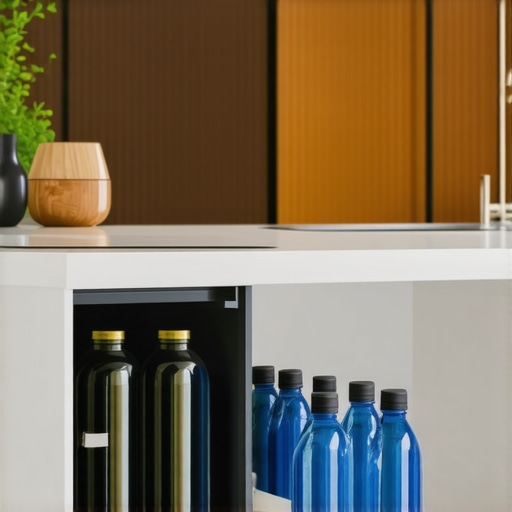
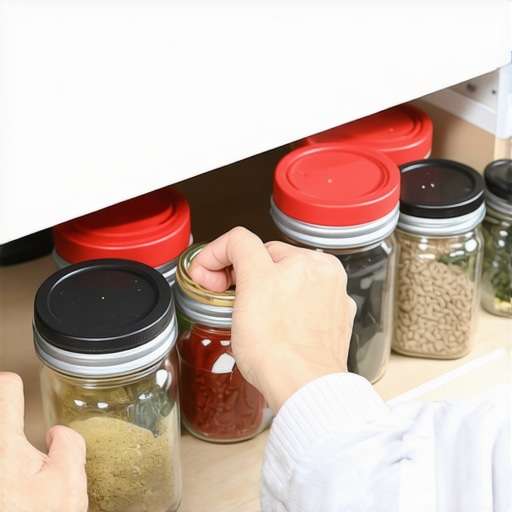
How to Stop Your Spice Jars from Sliding Every Time You Open the Drawer
It happened again this morning. I reached for that jar of oregano, only to have the entire row of spice jars tumble out of their neatly organized shelf in my kitchen drawer. The moment I saw spices spilling all over my freshly cleaned countertop, I realized I was tired of fighting this battle every time I cooked. Does this sound familiar? If your spice jars behave like mischievous children—sliding, toppling, and falling every time you open your drawer—you’re not alone. That nagging frustration can turn a simple meal prep into a chaotic mess.
Why Your Spice Jars Just Won’t Stay Put
From shaky shelves to slippery containers, many kitchen storage solutions are designed without considering everyday use. Early on, I made the mistake of relying solely on standard drawer inserts without considering the size, weight, and the way my jars moved when I opened and closed the drawers. That oversight was a rookie mistake, but I learned the hard way that smart storage requires more than just dividers—especially in a busy kitchen. Did you know that poor organization can add up to 20 minutes of extra prep time weekly, according to kitchen efficiency studies? Investing in better storage isn’t just about tidiness; it’s about saving time and reducing stress.
But what’s really happening under the surface? As I dug deeper, I discovered that the key to keeping those spice jars in place lies in customized, built-in storage solutions designed specifically for your needs. You can learn more about how to revolutionize your kitchen with these strategies by visiting [creating seamless storage solutions](https://artisancabinetworkz.com/creating-seamless-kitchen-remasters-with-built-in-storage-solutions). With the right approach, not only can you keep your spices from sliding, but you can also reclaim that precious drawer space for other essentials.
Up next, we’ll explore simple yet effective ways to turn this common annoyance into a thing of the past. No more spilled spices, no more frustration—just a kitchen that works smarter for you.
Fabricate Custom Cabinets Tailored for Your Space
Begin by measuring your available kitchen space meticulously, accounting for door clearance and appliance placement. Use these measurements to design custom cabinets that fit like a glove, eliminating gaps and awkward overlaps. I once sketched out a layout on graph paper, then consulted with a professional to ensure the design maximized storage while maintaining aesthetic harmony. This hands-on approach led to a clutter-free kitchen where every inch served a purpose. For a comprehensive guide, explore [creating seamless storage solutions](https://artisancabinetworkz.com/creating-seamless-kitchen-remasters-with-built-in-storage-solutions).
Choose Smart Shelving and Dividers
Implement vertical dividers within your cabinets to prevent spice jars from toppling over. Think of them as the partitions in a filing cabinet—organized compartments for different categories. I installed adjustable dividers in my pantry, which made it easy to adapt as my collection of spices and baking supplies grew. This simple tweak transformed my chaotic shelves into orderly rows, making it effortless to find what I need. Check out [smart storage ideas](https://artisancabinetworkz.com/smart-storage-ideas-to-maximize-your-kitchen-space-this-year) for innovative ways to optimize space.
Incorporate Pull-Out and Lazy Susan Accessories
Invest in pull-out shelves and lazy Susans for hard-to-reach corners or deep cabinets. These accessories act like extendable arms, bringing items to you rather than forcing you to reach into the abyss. I retrofitted my lower cabinets with full-extension slides, which allowed me to access stored pots and pans without crawling on the floor. The upgrade was messy initially, as I had to remove old shelves and install new hardware, but the result was worth it. For more tips on hardware and installation, visit [hardware recommendations](https://artisancabinetworkz.com/4-hardwood-species-that-handle-kitchen-steam-without-warping).
Optimize Drawer Organization with Custom Inserts
Replace generic trays with custom inserts designed for utensils, spices, or cleaning supplies. Think of these inserts as tailored compartments, turning clutter into order. I once spent a Sunday crafting a multi-level insert for my utensil drawer, which initially looked chaotic, but now everything has its place—knives, spatulas, and even measuring spoons—all neatly separated. This dedicated organization saves me time during busy mornings and keeps utensils from scratching each other. Learn more at [drawer organization tips](https://artisancabinetworkz.com/3-drawer-front-styles-that-wont-collect-dust-and-grime).
Create a Hidden Power Strip Zone
Integrate power strips into your built-ins to keep electronics charged and out of sight. Embed a receptacle inside a shallow compartment in your cabinet or drawer, with a discreet cord routing system. I recently added a hidden charging station inside a false bottom drawer, which kept cords tucked away and reduced visual clutter. This method is particularly useful for minimizing cable mess behind appliances or in workstations. For detailed instructions, see [hidden charging station](https://artisancabinetworkz.com/the-hidden-charging-station-inside-your-kitchen-junk-drawer).
Finish with Quality Hardware and Finishes
Upgrade your built-ins with hardware resistant to fingerprints and wear—think matte black or brushed nickel. These finishes not only look sleek but also stand up to the rigors of everyday use. I replaced my cabinet pulls with non-fingerprint finish handles, which kept them looking pristine despite frequent handling. Pair this with durable, water-resistant finishes, and your storage will endure years of daily use. For more on hardware choices, visit [hardware finishes](https://artisancabinetworkz.com/3-hardwood-species-that-handle-kitchen-steam-without-warping).Many homeowners assume that opting for built-in and custom cabinets automatically guarantees a perfect, long-lasting kitchen upgrade, but let’s dig deeper. A common misconception is that all custom solutions are inherently better than stock options; in reality, without nuanced planning, these upgrades can fall prey to overlooked pitfalls. One often-ignored nuance is the importance of cagey detail in the construction process—such as how frames are reinforced or how wood movement is accommodated—which can significantly impact durability and functionality over time. For instance, relying solely on builder-grade hardware or neglecting to incorporate proper ventilation can lead to premature warping or mechanical failure, contradicting the common myth that high-quality materials alone ensure longevity. Experts suggest that a detailed understanding of material behavior, especially in high-moisture environments, is crucial—see [maximize space with innovative storage solutions](https://artisancabinetworkz.com/maximize-space-with-innovative-storage-solutions-for-every-room) for more insights. An advanced mistake I’ve seen homeowners make is underestimating the complexity of integrating these systems seamlessly into existing architecture, often resulting in visual dissonance or awkward access points. For sophisticated users, the real game-changer lies in meticulous planning of joinery and hardware—since even a small misalignment can compromise entire cabinetry sets, leading to costly replacements. Have you ever fallen into this trap? Let me know in the comments. To get ahead, consider exploring [creating seamless storage solutions](https://artisancabinetworkz.com/creating-seamless-kitchen-remasters-with-built-in-storage-solutions) to understand how expert design anticipates these nuanced issues, ensuring your investment truly pays off long-term.
Maintaining a well-organized kitchen requires more than just initial planning; it involves consistent upkeep and the right tools to adapt as your needs evolve. One tool I swear by is a digital caliper. Accurate measurements are crucial when customizing storage units, especially in tight or oddly shaped spaces. I use my caliper to verify that every custom cabinet or drawer insert fits snugly, ensuring long-term functionality. This prevents gaps that can trap debris or cause hardware wear over time. Additionally, I rely on high-quality wood moisture meters—such as the Protimeter MMS2—to assess the wood’s moisture content during installation and periodic checks. This helps prevent warping or swelling, especially in humid climates, extending the lifespan of your cabinetry.
Software plays a vital role too. I recommend SketchUp for designing detailed cabinet layouts. Its precise modeling capability enables you to visualize every inch, anticipate potential fit issues, and communicate clearly with craftspeople. For ongoing maintenance, digital project management tools like Trello keep track of repairs, upgrades, or reconfigurations, streamlining your workflow and ensuring nothing slips through the cracks.
Long-term results hinge on routine inspections. I set quarterly reminders to check for loose hardware, worn slides, or any signs of moisture intrusion. Addressing these early is much easier and cheaper than late-stage repairs. For example, replacing soft-close dampers before they fail prevents the annoying slamming sound and preserves cabinet integrity.
Looking ahead, the trend is moving toward smart storage systems integrated with home automation. Sensors that monitor humidity, weight, or item usage are becoming more affordable and user-friendly. Imagine a spice drawer that alerts you when a jar is nearly empty or a pantry that automatically adjusts shelving based on your items’ sizes. Early adopters who start using these tools now will benefit from a smoother kitchen lifespan and less frustration in the future.
How Do I Maintain My Built-Ins Over Time?
To keep your built-ins functioning flawlessly, establish a routine maintenance schedule. Regularly cleaning hinges and slides with appropriate lubricants—like silicone spray—helps prevent sticking and squeaking. Inspect for signs of moisture damage, especially near sinks or boilers, and address issues swiftly by sealing gaps or reinforcing vulnerable joints. Additionally, updating hardware finishes to resistant materials, such as bronze or matte black, can withstand daily wear and tear better than standard options. Finally, staying vigilant about potential wood movement and ensuring proper environmental controls in your kitchen prolongs the beauty and utility of your custom cabinets. Remember, embracing a proactive approach, combined with the right tools, is key to enduring kitchen storage excellence. Try incorporating a moisture meter into your routine to catch early signs of warping or swelling—saving you money and hassle down the line. For more tailored advice on maintenance routines, explore [creating seamless storage solutions](https://artisancabinetworkz.com/creating-seamless-kitchen-remasters-with-built-in-storage-solutions).
The Quiet Wisdom of Personalized Storage
One of the hardest lessons I learned about built-ins and custom cabinets is that the devil truly is in the details. Skipping proper ventilation or rushing through hardware choices can turn a beautiful kitchen into a maintenance nightmare. Paying attention to these nuances early on saves countless headaches and remakes down the line. This insight transformed my approach from a DIY beginner to a confident designer who values longevity and quality. When in doubt, consult resources that emphasize long-term strategy, like the comprehensive guides available at creating seamless storage solutions.
Tools That Elevate Your Kitchen Game
Over time, I discovered that investing in the right tools—such as a precise digital caliper or moisture meter—turns a good project into a great one. These aren’t just accessories; they’re game-changers that prevent costly errors. Reliable software like SketchUp has also become an indispensable part of my planning process, bridging the gap between imagination and reality. These resources empower homeowners like you to visualize, measure, and execute with confidence, leading to results that last years beyond initial installation. For additional guidance, consider exploring tools and ideas at the ultimate guide to custom cabinets.
Your Next Step Brings Real Change
The future of kitchen storage is about more than just aesthetics—it’s about making your space work seamlessly for your life. Whether you’re upgrading existing built-ins or designing from scratch, remember that the right decisions today set the foundation for years of trouble-free use. Don’t let old habits or assumptions hold you back; instead, embrace the possibility of a smarter, more organized kitchen that excites you every time you step inside. Your journey toward transforming your kitchen starts now. Want to explore how to make your space truly personalized? Visit transform your kitchen with custom cabinets for expert insights.