Why European Style Frameless Cabinets Give You More Storage Space
Ever opened your kitchen cabinets and felt like you were rummaging through a cluttered attic? I know that struggle all too well. There was a time when my kitchen felt more like a storage war zone than a culinary haven. Despite investing in what I thought were top-tier cabinets, I kept running out of space, struggling to find that one spice jar or the right Tupperware lid. One day, during a frustrating sweep of my drawers and cabinets, I had a lightbulb moment—maybe the problem wasn’t the amount of storage but how I was utilizing it.
Discovering the Space-Saving Power of European Frameless Cabinets
This realization led me down a path of research and experimentation, ultimately transforming my kitchen into a model of efficiency and sleekness. What I found was remarkable: European style frameless cabinets offer more storage than traditional framed designs—and they bring a lot more to the table than just aesthetics. These cabinets have been a game-changer, enabling me to maximize every inch of space without sacrificing style or accessibility.
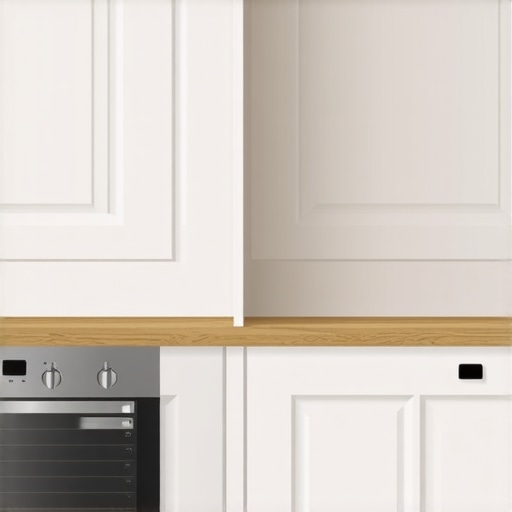
Unlike traditional framed cabinets with their bulky face frames, frameless designs utilize full overlay doors that fit seamlessly to the cabinet box. As a result, you gain more usable interior space, making every cabinet feel larger. Plus, the clean, modern look suits almost any kitchen remodel, especially if you’re aiming for that sleek European vibe.
But what really caught my attention was how these cabinets can help declutter and organize. With the right internal storage accessories—like those detailed in smart storage ideas—your space transforms into a highly functional area that works for your lifestyle.
Initially, I made a mistake by choosing standard overlay doors without considering their internal configuration, which limited my storage potential. This early misstep taught me the importance of planning the internal layout to truly capitalize on the cabinet design. If you’re considering a kitchen upgrade, understanding these nuances can save you time, money, and frustration.
Is the Hype About Frameless Cabinets Just Marketing? Not Quite
Many skeptics worry that frameless cabinets might be less durable or harder to install. I was one of them. But I learned from experience that, with the right materials and professional installation, they stand up remarkably well—and make your kitchen look incredibly streamlined. Don’t fall for the misconception that style compromises function. A well-made frameless cabinet can be as sturdy as traditional options, with the added benefit of more space.
If you’re wondering how to approach your remodel with these sleek designs, or worried about losing accessibility, rest assured: there are plenty of solutions and tips to get the most out of your new cabinets. Ready to explore the nuts and bolts of optimizing your storage? Let’s dive into the how-to’s that will make your kitchen more spacious and organized than you ever imagined.
So, have you faced the challenge of limited cabinet space despite your best efforts? If so, you’re not alone—and the good news is, practical solutions like European style frameless cabinets could be exactly what you need to revolutionize your kitchen.
Start with Precise Measurements and Planning
Before purchasing any cabinets or storage solutions, measure your kitchen’s dimensions meticulously. Use a tape measure to record wall lengths, ceiling height, and door swing clearance. Sketch a layout considering existing plumbing, electrical outlets, and appliances. I recall a time when I skipped this step, leading to mismatched cabinets and a frustrating redo, which taught me the value of thorough planning. Accurate measurements prevent costly mistakes and set a solid foundation for a functional kitchen.
Select the Right Cabinet Styles for Efficiency
Opt for European frameless cabinets that optimize interior space by eliminating bulky face frames. Imagine fitting a suit seamlessly—these cabinets give a sleek, uniform appearance and more room inside. When I redesigned my kitchen, choosing frameless models allowed me to install deeper shelves without protrusions, significantly increasing storage capacity. Decide on full overlay doors to maximize accessible space and ensure a modern look.
Optimize Internal Storage with Smart Accessories
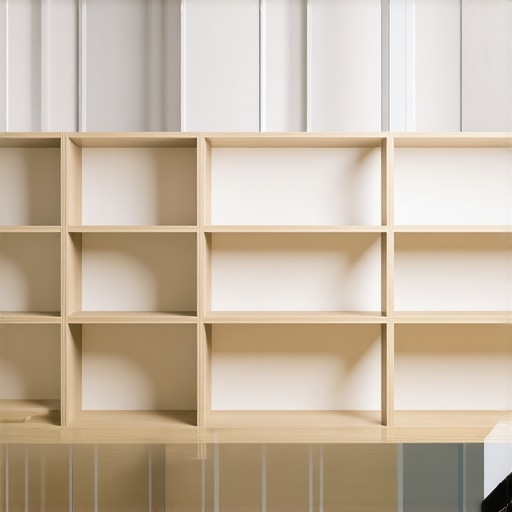
Invest in internal accessories like adjustable shelves, pull-out trays, and vertical dividers. These additions turn static cabinets into versatile storage hubs. I added a vertical spice rack inside a narrow cabinet, transforming a cluttered one into an organized station — saving me time reaching for that elusive thyme jar. Explore ideas at smart storage solutions to tailor your cabinets to your needs.
Implement Lazy Susans and Corner Solutions
Corner cabinets often become black holes for pots and pans. Use lazy Susans and swing-out trays to access these deep spaces. I once installed a half-moon lazy Susan in my corner unit; it instantly doubled my storage accessibility. These turns make bulky items reachable without sacrificing cabinet space, preventing frustration and wasted time.
Use Proper Hardware to Enhance Functionality
Choose high-quality soft-close slides for drawers and hinges to improve durability. Heavy-duty slides support cast iron cookware, preventing sagging. I upgraded my drawers with 7-heavy duty slides, which handle the weight smoothly and silently — a noticeable improvement. Hardware quality directly impacts cabinet longevity and ease of use, especially in high-traffic kitchens.
Seize the Power of Built-in and Recessed Features
Integrate built-in appliances and recessed panels to streamline design and save space. For example, a built-in microwave station replaces cluttered countertops. I custom-built a hidden pet station into my mudroom bench, which cut down hallway mess and kept pet accessories handy. These custom touches make your kitchen more purposeful and organized.
Focus on Hidden and Out-of-the-Way Storage
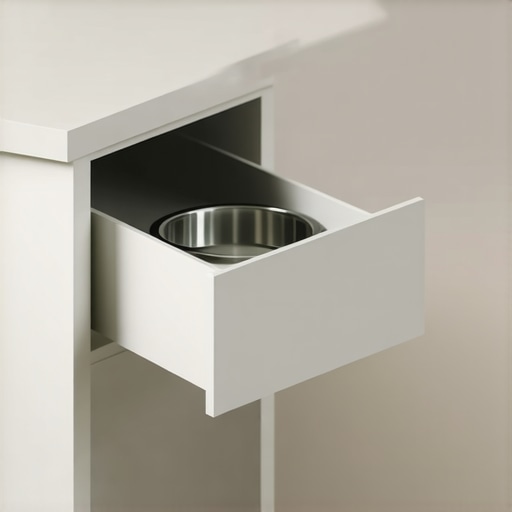
Make use of toe kick drawers, toe kick shelves, and under-sink solutions to utilize every inch. Toe kick drawers tucked beneath cabinets store cleaning supplies discreetly. I added a toe kick spice rack, which freed up counter space and made cooking more efficient. You can learn more about creating seamless storage at built-in storage ideas.
Refine Your layout to Fit Your Lifestyle
Arrange your cabinets and appliances based on workflow—think of your kitchen as a work triangle connecting the sink, stove, and refrigerator. This setup minimizes unnecessary movement. I reconfigured mine to have dishware close to the sink and prep area, which increased efficiency during cooking. Adapting your layout to your habits saves time and effort in daily routines.
Regular Maintenance and Adjustments
Keep hinges, slides, and hardware in top condition through periodic cleaning and adjustments. An oiling schedule prevents squeaks, and realignment keeps doors closing flush. I noticed my cabinet doors sagging after a year; a quick tweak with a screwdriver restored perfect alignment. Maintenance ensures your investment continues to perform seamlessly over time.
Many homeowners believe that selecting the most expensive cabinetry will automatically lead to the best results, but in my experience, budget and quality can be carefully balanced through thoughtful design choices. A prevalent misconception is that built-ins are only for aesthetic appeal, when in fact, they can dramatically improve functionality if planned correctly—a detail overlooked by many during their kitchen renovations.
Are Custom Cabinets Worth the Extra Effort and Cost for Advanced Storage Needs?
Considering complex storage solutions often leads to questions about the true value of custom versus ready-made options. Experts like those at Artisan Cabinetry emphasize that custom cabinets offer tailored solutions that maximize space and integrate seamlessly with your unique kitchen layout, minimizing wasted areas and enhancing overall efficiency. However, a common trap is neglecting to allocate sufficient planning time, resulting in mismatched dimensions or inconvenient access points, which can turn a sleek design into a daily frustration. This oversight emphasizes the importance of meticulous measurement and detailed conceptualization before choosing any cabinetry style, especially when dealing with complex layouts that include recessed areas or odd angles.
Additionally, many assume that built-ins are static, yet the best designs incorporate adjustable shelving and modular panels that adapt over time. This flexibility ensures your storage solutions evolve with your needs, avoiding the sneaky pitfall of obsolescence—an issue highlighted in recent studies on kitchen longevity and user satisfaction. When integrating such advanced storage features, consulting with a specialist can prevent costly reconfigurations down the line, and resources like support pages can offer invaluable insights.
Finally, keep in mind that the allure of a visually stunning kitchen can sometimes overshadow the necessity for practicality. A beautiful, high-end finish on cabinetry might tempt some to cut corners on internal hardware, but I’ve found that choosing quality soft-close hinges and durable slides significantly extends the lifespan of your investments. One mistake I see often is neglecting the potential for underutilized space, especially in corners or toe-kicks, which can harbor hidden storage—turning ‘dead zones’ into functional assets. Incorporating these nuanced details can make your remodel not just beautiful but truly smart, transforming your kitchen into a well-oiled, highly efficient space.
Have you ever fallen into this trap? Let me know in the comments and share your experiences with custom cabinetry, built-ins, or your kitchen upgrade journey.Maintaining your custom cabinets and built-ins is essential to ensure they remain functional, beautiful, and durable for years to come. One of the most effective ways to do this is by implementing regular inspections and targeted cleaning routines. I personally swear by using a microfiber cloth and a gentle, pH-neutral cleaner to wipe down surfaces weekly, preventing buildup of dust and grease that can degrade finishes over time. Additionally, applying a silicone-based lubricant to hinges and slides every six months keeps operation smooth and reduces squeaks. Invest in quality hardware—like soft-close hinges and heavy-duty slides—as they are designed to stand the test of time, especially when properly maintained.
To keep your cabinetry hardware working flawlessly, keep an eye out for signs of wear such as loose screws or sticking components. Tightening screws and replacing worn-out parts promptly can extend the lifespan significantly. If your cabinets feature recessed or built-in elements, periodic checks for structural integrity are recommended. For instance, supporting heavy countertops with reinforced bases ensures your cabinets don’t sag—particularly crucial if you have quartz or granite surfaces. As Peter Parquet, a cabinetry specialist, notes in his technical guide, consistent upkeep prevents small issues from escalating into costly repairs.
Looking ahead, smarter tools and technology will likely play a larger role in cabinet maintenance, such as AI-powered sensors that alert you to hinge misalignments or hardware failures before they become noticeable. In the meantime, incorporating these routine practices will keep your setup functioning seamlessly. Consider trying out a professional-grade silicone spray on hinges; it’s easy to apply and makes a tangible difference in operation. Regular attention to these details will maximize the long-term results of your kitchen remodel, ensuring your investment remains stunning and efficient. For more detailed tips on preserving your built-ins, explore how to use specialized lubricants and maintenance products tailored for cabinetry hardware.
Embarking on a kitchen remodel can feel overwhelming, but my personal experiences have taught me invaluable lessons that go beyond the typical do’s and don’ts. If you’re considering upgrading your space with custom cabinets and smart storage solutions, these insights might just save you time, money, and frustration.
What I Wish I Knew About Strategic Planning Before Starting
- Initial excitement often leads to rushing measurements; I learned the hard way that meticulous, double-checked dimensions prevent costly mistakes down the line. Taking time to sketch detailed layouts with accurate measurements ensures your cabinets fit perfectly and optimize space effectively.
- Understanding your daily workflow can dramatically influence cabinet placement. My biggest revelation was arranging storage based on actual usage patterns rather than aesthetics alone, making cooking and cleaning more efficient.
Why Small Details Make or Break Your Kitchen’s Functionality
- Shelf heights, hardware quality, and internal accessories can seem minor but significantly impact usability. I discovered that investing in high-quality soft-close hinges and adjustable shelving transformed my cabinets from cluttered to organized.
- Corner solutions like lazy Susans and swing-out trays turned tricky spaces into treasure troves of storage, saving me from endless rummaging. Small upgrades like these emphasize the power of thoughtful design choices.
How Personal Experience Shapes Better Design Choices
- My early misstep in choosing generic overlays taught me the importance of internal layout planning. Customizing internal configurations allowed me to maximize every inch—something I now recommend to everyone aiming for a truly tailored kitchen.
- Understanding that durability isn’t sacrificed with modern frameless cabinets changed my perspective. When installed professionally with quality materials, they provide both sleek aesthetics and sturdy performance, breaking misconceptions about their reliability.
Where Practicality Meets Style in Storage Solutions
- Out-of-sight features like toe kick drawers and concealed outlets keep clutter at bay. I integrated a hidden spice drawer into my toe kick area, which freed up counter space and made my kitchen look cleaner and more spacious.
- Adapting my layout to prioritize accessibility—like having frequently used items within easy reach—proved invaluable. It’s a reminder that a well-designed kitchen balances beauty with everyday functionality.
Turning Lessons into Lasting Benefits
- Regular maintenance, such as tightening hardware and applying lubricants, extends the life of your cabinets. This proactive approach, learned from early issues, preserves beauty and function over time.
- Choosing quality hardware and thoughtful features makes a difference. Investing in sturdy slides and hinges ensures your kitchen remains smooth and silent, even under daily duress.
Every step of my kitchen remodel enhanced my understanding of space optimization, durability, and personal comfort. These lessons underscore that a successful renovation is less about matching trends and more about intentional design tailored to your unique needs.
How to Keep Moving Forward with Confidence
If you’re ready to take control of your kitchen transformation, remember that the most effective upgrades stem from careful planning and a willingness to learn from experience. Your kitchen’s potential is waiting to be unlocked with thoughtful choices, just like I discovered through trial and error. For comprehensive guidance on customizing storage or selecting the right materials, explore resources like this article and these insights.
Your Turn to Transform
Have you encountered a hidden challenge in your kitchen upgrade or discovered a clever storage hack? Share your stories below—I’d love to hear how your journey unfolds and help you make your dream kitchen a reality.