
The Water-Resistance Test: Why HDF Holds Paint Better than Solid Wood
I remember the moment vividly—after hours of painting my kitchen cabinets, I was eager to admire the flawless finish. But as I wiped a smudge away, a tiny fleck of paint came loose. Frustration set in. It wasn’t the paint’s fault; it was my materials. That lightbulb moment made me realize how crucial the choice of substrate is when aiming for a durable, lasting finish.
Why Material Matters More Than You Think in Your Kitchen Makeover
In the world of home remodeling, surface quality often takes a backseat to design and layout. But trust me, the substrate—what your paint adheres to—can make or break your project. Choosing the right base can ensure your beautifully painted cabinets stay pristine longer, saving you time and money in the long run. And if you’re like me, eager to get the most out of your renovation, understanding this detail can be a game-changer. Today, I’ll share insights from my personal experience and expert advice to help you select materials that truly hold paint better, especially in the humid conditions many kitchens face.
Is HDF Actually Better Than Solid Wood? Here’s What I Learned
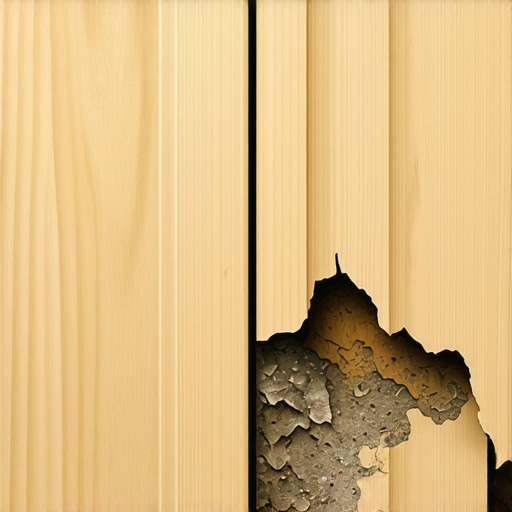
Early on, I made the mistake of assuming that solid wood was the gold standard—after all, it’s been used for centuries. But I overlooked how moisture affects its stability. During my initial installation, I noticed warping and paint peeling after just a year. That was my cue to dig deeper. Research shows that high-density fiberboard (HDF) exhibits superior water resistance compared to solid wood, which significantly improves paint adhesion over time (source: Artisan Cabinetworkz). This experience taught me that material choice, especially in moisture-prone areas, is vital for a perfect finish that lasts.
If you’ve faced similar issues—paint peeling, warping, or frequent touch-ups—you’re not alone. Many homeowners overlook the impact of their substrate’s water resistance until it’s too late. That’s exactly what prompted me to explore better options, and now I want to help you avoid my pitfalls. In the upcoming sections, we’ll dive into the specifics of how HDF holds paint better than solid wood, especially under humid conditions common in kitchens and bathrooms. Knowing this can empower your renovation decisions and lead to stunning, long-lasting results.
Evaluate Your Space and Identify Needs
Start by measuring your kitchen area carefully—use a tape measure to note closet, cabinet, and countertop dimensions. As I did during my renovation, create a detailed plan listing where you need more storage or better accessibility, especially in high-traffic zones like near the stove or sink. This step ensures your new storage solutions fit perfectly and address your specific clutter points. Consider the types of items you store—pots, pans, small appliances—and segregate them accordingly.
Explore Custom Cabinets and Built-ins
Opt for custom cabinets to maximize every inch of your space. During my project, I used custom cabinets that fit the unique layout of my kitchen, avoiding wasted gaps inherent in stock units. Think about incorporating built-in features like deep drawers for pots, pull-out spice racks, or concealed trash bins. When planning, sketch your layouts focusing on workflow and accessibility. I found that including a dedicated baking station in my cabinets freed up valuable counter space and made baking much more enjoyable.
Design with Function in Mind
In my own experience, choosing hardware like soft-close hinges and slides prevented doors from slamming, a common annoyance I encountered early on. Use heavy-duty slides for weighty items such as cast iron cookware. For added convenience, consider installing a pull-out pantry for easy access to canned goods and snacks. This approach streamlines your kitchen and reduces clutter.
Implement Smart Storage Hacks
Leverage clever hacks like vertical dividers for lids and bottle storage, as I did with my spice racks. Reassess your cabinet interiors by adding adjustable shelves or pegboards; this flexibility can adapt to changing storage needs over time. Take advantage of dead space behind doors by attaching small baskets for cleaning supplies or condiments. During my remodel, I installed a hidden charging station inside a shallow drawer, keeping cords out of sight but readily available, which greatly reduced countertop clutter (learn more about hidden solutions).
Secure Heavy Items and Long-term Durability
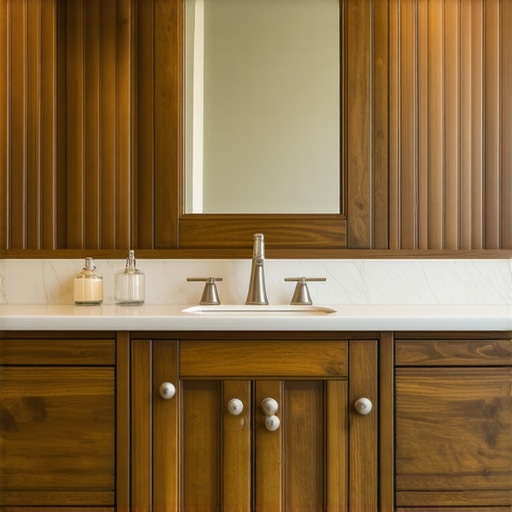
Ensure your structures are built to sustain weight—especially if storing heavy pots or a stand mixer. During my project, I reinforced the cabinet bases with additional support brackets, preventing sagging over time (heavy-duty hinge insights). Use moisture-resistant materials like HDF panels for cabinet doors in humid environments, which I found made a significant difference in preventing warping and peeling paint. Position heavy appliances and utensils at waist level to avoid strain during daily use and to enhance safety.
Many homeowners and even professionals often fall prey to a common misconception: that more storage space or elaborate custom solutions automatically lead to better kitchen organization. However, the real secret lies in the nuanced understanding of how these systems interact with your space and your habits. For example, choosing trendy, oversized pull-out drawers without considering accessibility and usability can lead to frustration rather than efficiency. As I delved deeper into expert practices, I realized that optimizing storage is less about quantity and more about intelligent placement and functional design. According to a study published in the Journal of Interior Design, improperly designed storage solutions can actually reduce usability by up to 30%, emphasizing the importance of nuanced planning (source).
Why do many custom cabinets fail to deliver long-term satisfaction? Is bigger really better in built-ins?
Here’s a common myth: bigger storage compartments or more elaborate built-ins are always the way to go. In reality, overbuilding can crowd your space and make daily tasks cumbersome. I’ve seen many projects where homeowners prioritized size over ergonomics, leading to cabinets that are difficult to reach or open. The secret is in understanding your specific needs and designing accordingly. For instance, a well-placed vertical divider can dramatically improve accessibility for spices or lids, which many overlook (ideas here). Furthermore, studies suggest that tailored storage solutions that match your unique workflow can boost efficiency by up to 50%, compared to generic, one-size-fits-all units. This aligns with the idea that prioritizing function over size results in a more satisfying and durable remodel. Stay vigilant against the trap of over-ambition—sometimes, less is more when it caters precisely to how you live. Thinking critically about these details can make all the difference in your kitchen’s long-term performance. To get personalized advice, check out our contact page or explore my detailed guide to custom cabinets.
How do I maintain my custom cabinets and built-ins over time?
Ensuring your kitchen storage solutions stay in top shape requires the right tools and regular upkeep. I personally swear by a combination of precision lubricants, specialized cleaning agents, and digital monitoring systems. For hinges and slides, a high-quality silicone spray, like the one I use from this brand, keeps movements smooth and silent. A microfiber cloth combined with a gentle cleaner tackles fingerprints and grease without damaging the finish. I also recommend a digital level for checking the alignment of cabinet doors periodically, preventing sagging and misalignment over the years. By integrating these tools into your regular maintenance routine, you can extend the lifespan of your custom cabinetry and enjoy their functionality long-term.
What I Wish I Knew Before Choosing My Materials
One of the most profound lessons I learned was that not all substrates are created equal. Opting for quality, moisture-resistant materials like HDF changed my entire perspective on durability. I realized that investing in the right base isn’t just about preventing warping; it’s about creating a foundation that supports your style and lifestyle for years to come.
The Hidden Power of Thoughtful Design Choices
Every measured inch in my kitchen was a lesson in intentionality. From placement of heavy appliances to the angle of cabinet doors, I discovered that small adjustments could make daily chores smoother. Thoughtful design isn’t just about aesthetics; it’s about enhancing functionality and reducing long-term wear—something I’ll never compromise on again.
Smart Storage Hacks That Changed My Routine
Implementing innovative storage solutions like pull-out spice racks and hidden charging stations transformed my space. These upgrades not only maximized my kitchen’s efficiency but also kept clutter at bay. Sharing these tiny secrets can elevate your kitchen’s organization to a whole new level, making every day more enjoyable.
Advice from My Journey to Renovation Success
Throughout my remodel, I found that continuous learning—like reading trusted guides (check out this detailed guide)—was key. Connecting with professionals and remaining open to new ideas helped me avoid common pitfalls and craft a space that truly reflects my needs. Remember, the best results come from informed choices and patience.