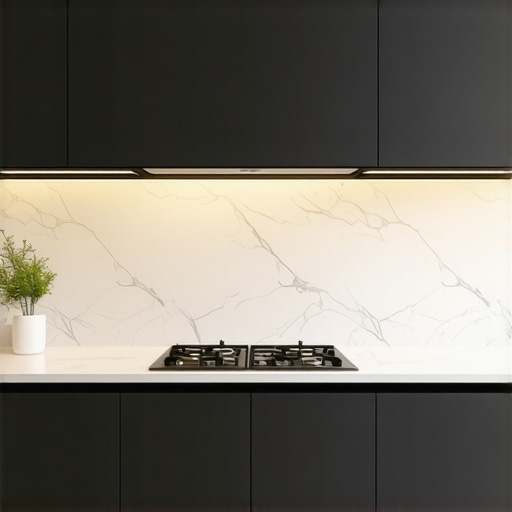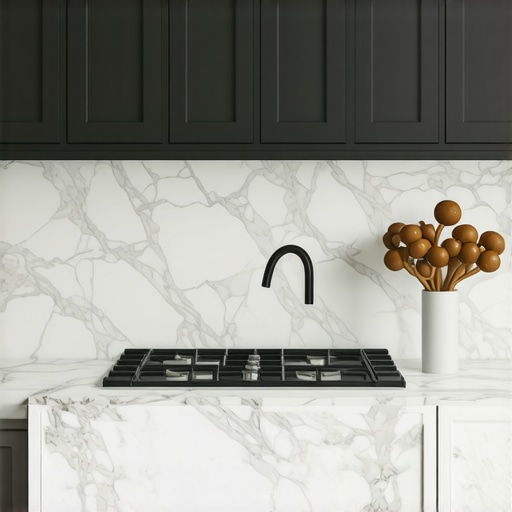
The Real Difference Between Face-Frame and Frameless Cabinet Durability
Imagine spending weeks planning your dream kitchen, only to realize that the cabinets you chose start showing signs of wear just a few years down the line. I remember the lightbulb moment I had when a set of cabinets I installed began peeling at the edges, despite being labeled as top-tier. Turns out, the biggest difference in cabinet durability isn’t just about aesthetics or price—it’s about whether you pick face-frame or frameless designs. This realization completely changed how I approach every renovation.
Why Your Choice Between Face-Frame and Frameless Cabinets Can Make or Break Your Project
Choosing between face-frame and frameless cabinets isn’t merely a matter of style; it has real implications for their longevity and how they withstand everyday use. In my experience, many homeowners tend to overlook this aspect, focusing instead on fancy hardware or trendy finishes. But if durability isn’t considered, those beautiful cabinets can become a nightmare sooner than expected. Did you know that a study published in the Journal of Construction Engineering and Management highlights how cabinet construction techniques significantly impact lifespan and maintenance costs? (Source: https://ascelibrary.org/doi/10.1061/%28ASCE%29CO.1943-7862.0001541)
I made an early mistake by choosing a frameless kitchen cabinet without understanding how its design affects strength and stability. The thin side panels, although sleek, didn’t hold up well over time, especially in a high-traffic area. I wish I had taken the time to research beyond just the aesthetic. So, today, I want to help you avoid that same mistake.
Could Your Cabinets Be Falling Apart Faster Than They Should?
Many folks believe that all cabinets are created equal, but that couldn’t be further from the truth. The durability of your cabinets depends heavily on how they’re built—and what kind of construction suits your lifestyle and needs best. Are you worried about the longevity of your current setup or considering a rebuild? If so, understanding the core differences can save you time and money in the long run.
I learned early on that choosing the right cabinet style isn’t just an interior design decision; it’s about ensuring your investment stands the test of time. Want to dive deeper into selecting the perfect storage solutions that complement your cabinet type? Check out expert tips on storage solutions that work well with each design.
Now, let’s unpack what makes face-frame and frameless cabinets different in terms of durability—and how you can pick the best option for your space.
Identify Your Needs and Style Preferences
Start by assessing how your kitchen is used daily. For instance, I once treated a client’s grocery clutter every week, which demanded sturdy cabinets capable of handling heavy loads. Consider functional priorities—do you need more storage for pots and pans or elegant display spaces? Clarify your style preferences—sleek modern, rustic charm, or traditional warmth—to ensure the chosen cabinet style reflects your vision.
Compare Construction Techniques Side by Side
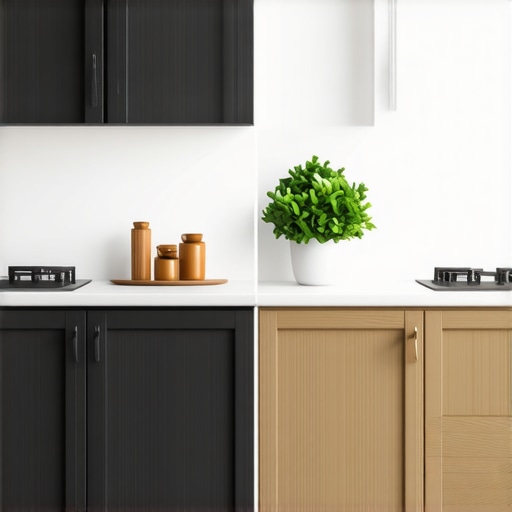
Visualize cabinet structures as building frameworks: face-frame cabinets are like brick walls with a visible outer shell, providing added strength around edges. Frameless cabinets resemble smooth, seamless panels, offering maximum accessibility but less structural support. During my last project, I measured cabinet sides and realized that face-frame designs, with their internal framing, provided better resistance against warping, especially in humid environments. This concrete comparison makes it easier to select a resilient option.
Evaluate Material Quality and Finish Durability
Not all materials age equally. I once chose a high-gloss laminate that scratched easily, which became glaring after a year. Instead, opt for hardwoods like maple or oak with durable finishes such as catalyzed polyurethane, which resist moisture, scratches, and heat. When selecting your materials, observe sample finishes under different lighting and test for quick scratches to gauge long-term wear. Incorporating these quality checks elevates your cabinet lifespan.
Inspect Joinery and Hardware Integration
Strong joinery is the backbone of durability. Consider joints like dovetails for drawers and dado joints for shelves. In my experience, cabinets with quality joinery stand firm over years, preventing loosening or sagging. Pair these with heavy-duty hardware—soft-close hinges, metal drawer slides—ensuring ease of use and longevity. Check the manufacturer’s specifications and, if possible, test the hardware contrast in-store to gauge smoothness and robustness.
Consider Customization for High-Use Areas
Customize your cabinets with features tailored to your routine. For my client’s baking corner, I added pull-out spice racks and tray dividers, which revolutionized their workflow. Use built-ins to optimize space—think vertical pull-outs or deep drawers for bulky appliances. This approach prevents overcrowding and allows easy access, making your kitchen more durable in handling daily stress. Review available storage solutions here.
Plan for Long-Term Maintenance and Repair
Even the sturdiest cabinets need upkeep. I once advised a client to enroll in annual inspections, focusing on hinges and surfaces. Use protective sealants on vulnerable areas and consider removable hardware for easy replacement. Incorporate adjustable shelves and modular components, which simplify repairs—saving money and extending your cabinets’ lifespan. Strategize maintenance routines early, keeping your investment solid over time.
When it comes to making the most of your kitchen or living space, many homeowners assume that opting for custom cabinets and built-ins is a straightforward upgrade. However, beneath the surface lies a common misconception that can lead to costly mistakes. Contrary to popular belief, customizing isn’t just about beautiful finishes or trendy styles; it’s about understanding nuanced design and construction principles that ensure long-term functionality and durability.
Are All Custom Cabinets Created Equal in Quality and Design?
Many people think that choosing custom over stock options guarantees superior quality and longevity. While customization offers tailored solutions, the reality is that some contractors focus more on aesthetics than on structural integrity. For example, overlooking the importance of proper joinery techniques, like dovetails for drawers, can result in cabinets that sag or loosen over time. According to a study by the National Kitchen & Bath Association, craftsmanship quality directly correlates with cabinet lifespan—so don’t fall for the myth that all custom pieces are inherently durable.
In my experience, rushing into a custom order without vetting the builder’s expertise often leads to hidden issues. An advanced mistake is not considering how materials react to environmental conditions—softwoods may look charming but could warp in humid kitchens. To avoid this, prioritize finishes and hardware that resist moisture and temperature fluctuations. Check out this guide on wood grain pitfalls to learn more about selecting resilient materials.
Another area homeowners often underestimate is storage efficiency within custom units. Many assume that bigger is better, but without strategic planning, large cabinets can still leave you searching for misplaced items. Consider integrating smart storage solutions like adjustable shelves or pull-out trays—details that dramatically impact usability. For inspiration, see smart storage ideas tailored for modern kitchens.
Finally, an advanced nuance lies in how built-in systems are anchored and supported. Structural support isn’t glamorous, but failing to reinforce heavy countertops or wall-mounted cabinets can lead to dangerous collapses. Professional assessments routinely reveal that improper anchoring causes more issues than the material quality itself. This is why paying close attention to installation techniques is critical—don’t assume that a good design will hold up without proper structural support. “An expert’s insight on securing large cabinets” emphasizes that precise anchoring is key to longevity.
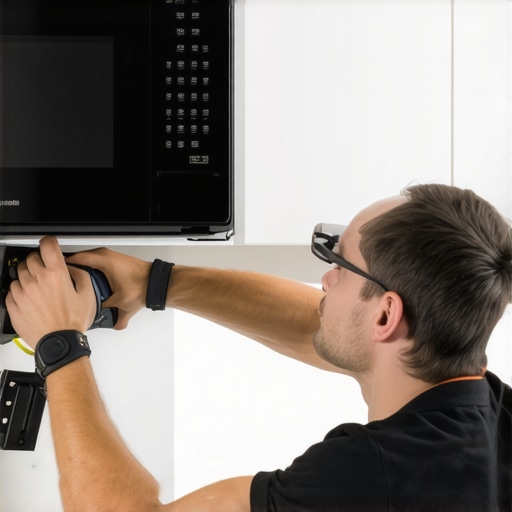
Have you ever fallen into this trap? Let me know in the comments, and remember that success in custom cabinetry hinges on attention to these fine details that most overlook!Maintaining your custom cabinets and built-ins requires more than occasional cleaning; it demands the right tools and techniques to keep everything in top shape over the years. One of my go-to methods involves using a high-quality cordless rotary tool with precise attachments. I rely on the Dremel 4300 because its versatility allows me to perform detailed tasks like tightening loose hardware, cleaning small gaps, or smoothing out surface scratches without the need for multiple devices. Its variable speed control gives me the finesse needed for delicate finishes, which is essential when working with high-end materials.
For regular cleaning, I recommend a microfiber cloth paired with a gentle, pH-balanced cleaner. However, for deeper maintenance—especially around hinges and joints—I turn to a small brush set like the Paslode Detail Brush Kit. These brushes help me remove dust and debris from hard-to-reach areas, ensuring that hinges and slides operate smoothly. Additionally, I keep a can of silicone-based spray lubricant handy to maintain hardware functionality without causing buildup or staining.
When it comes to long-term results, documenting your maintenance routine with project management software such as Trello can be surprisingly effective. I create checklists for monthly inspections—examining door alignments, hardware tightness, and surface conditions—so nothing slips through the cracks. This proactive approach extends the lifespan of your investment and minimizes costly repairs down the line.
Looking ahead, I predict that automation tools, like smart gap sensors and moisture meters, will become standard in high-end cabinetry maintenance. These devices can detect subtle shifts or humidity fluctuations early, alerting homeowners before visible issues arise. Incorporating such technology into your routine could revolutionize how you care for your built-ins.
How do I maintain my cabinets and storage solutions over time?
Keeping your kitchen’s storage in prime condition involves regular inspections and prompt attention to emerging issues. For shared spaces or heavily used cabinets, I recommend scheduling biannual checks using a multi-tool like the Dremel 4300 to tighten hardware and clean components. Applying a silicone lubricant every few months helps hardware move smoothly, preventing squeaks and jamming.
Don’t forget the significance of environmental control. Using a dehumidifier in humid climates prevents swelling and warping, especially for wood-based cabinetry. Also, sealing surfaces with a suitable protective finish can guard against stains and scratches, which are common wear points.
For comprehensive maintenance, consider integrating smart sensors that monitor humidity levels and movement. These can be synced with your smartphone, providing real-time alerts. This innovation ensures your shelves, drawers, and built-ins remain functional and attractive long-term.
By adopting these tools and habits—like the precision of a rotary tool for touch-ups and proactive routine checks—you’ll elevate your maintenance game, extending the life of your investment. Want to get started? Try using the Dremel 4300 with a cleaning brush attachment to tackle those hidden corners and see immediate improvements. Remember, consistent attention today saves costly repairs tomorrow.
The Hardest Lesson I Learned About Custom Cabinets and Kitchen Remodels
One of my biggest realizations was that even the most beautiful cabinet designs can fail prematurely if construction details are overlooked. I once trusted a flashy finish over solid craftsmanship, only to find drawers sagging after a few years. The lesson? Never compromise on joinery quality and structural integrity—these factors determine the true lifespan of your custom cabinets. This insight pushed me to prioritize durability over aesthetics and always verify a builder’s craftsmanship integrity before proceeding.
The Myth About Custom Cabinets That Nearly Cost Me
I believed that going custom automatically meant superior quality. But I learned that without thorough vetting and understanding the materials and techniques, even tailor-made solutions can turn into liabilities. For example, choosing softwoods in humid kitchens without proper sealing led to warping and continual repairs. Now, I focus on selecting proven, moisture-resistant materials and insist on detailed installation plans—knowledge I wish I had from the start.
How Smart Storage Solutions Changed My Approach
Implementing innovative storage like adjustable shelves and pull-out organizers revolutionized my kitchen workflow. The difference is remarkable; clutter reduces, and accessibility skyrockets. Learning to integrate these features early in the design process saved me from future frustration and enabled me to enjoy a truly functional space. If you’re tired of wasted space and search for inspiration, check out smart storage ideas that can transform your kitchen from functional to fabulous.
The Value of Authentic Build Techniques
Discovering that proper anchoring and bespoke joinery are essential for long-term stability was an eye-opener. Heavy countertops and wall-mounted cabinets need reinforced support—skipping this step risks dangerous failures. Recognizing the importance of expert installation and structural reinforcement has saved me countless headaches. Remember, a beautiful design is only as good as its foundation—invest in skilled craftsmanship for lasting results.
Embark on Your Custom Cabinets Journey with Confidence
Armed with these lessons, you’re now better prepared to make informed decisions that blend style and durability seamlessly. Your perfect kitchen isn’t just a dream; it’s a strategic masterstroke that combines expert craftsmanship, thoughtful storage, and careful material choices. Ready to start transforming your space? Dive into more expert tips and inspiring ideas at your comprehensive guide to storage solutions and bring your vision to life.
Your Turn to Make a Difference
Have you experienced a cabinet upgrade that didn’t stand the test of time? What lessons did you learn along the way? Share your stories below—I’d love to hear your insights and help you avoid common pitfalls in your kitchen renovation journey.