How to Stop Your Slow-Close Drawers from Bouncing Back Open
It was a typical Saturday morning in my kitchen when I opened a drawer to grab a spatula, only to watch it inexplicably bounce back open. Frustration crept in, and I wondered—why in the world are these slow-close drawers acting like rebellious kids? It wasn’t supposed to be like this. I’d invested in what I thought were top-tier cabinets and hardware, expecting smooth, silent operation, but instead, I was met with bouncing, reluctant drawers that refused to stay shut.
That lightbulb moment prompted me to dig deeper into the issue. I realized I wasn’t alone; many homeowners face the annoyance of slow-close drawers that don’t quite close properly or bounce back open. But here’s the thing—those issues can often be solved without tearing out your entire cabinetry. I want to share what I learned so you can fix your drawers once and for all.
Today, we’ll explore simple yet effective strategies to prevent your slow-close drawers from bouncing back open. Whether it’s about adjusting dampers, installing better slides, or understanding the mechanics behind soft-close systems, I’ve got you covered. By the end of this, you’ll know how to restore that satisfying, quiet glide every time.
Why Do My Slow-Close Drawers Keep Bouncing Back?
Understanding what causes your drawers to misbehave is the first step toward fixing them. Often, the culprit is a misadjusted damper or worn-out slide mechanism. Soft-close hardware relies on hydraulic or pneumatic dampers that control the closing speed and prevent slamming. When these dampers malfunction or aren’t properly calibrated, they can cause the drawer to bounce back open instead of settling gently.
Early on, I made the mistake of assuming all hardware was created equal. I thought if I bought high-quality soft-close slides, they’d work flawlessly forever. Turns out, even premium hardware can fail if not installed or maintained correctly. Proper adjustment is crucial. Plus, over time, rubber seals inside dampers can degrade, reducing their effectiveness. Knowing these details helps you avoid unnecessary replacements and optimize your cabinet’s performance.
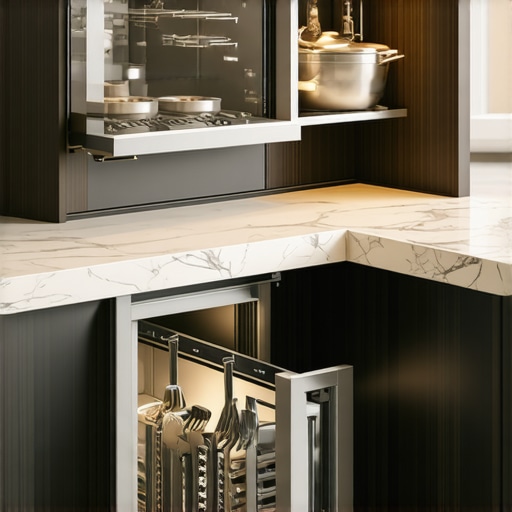
If you’re interested in upgrading your kitchen’s storage to keep it functional and sleek, consider exploring innovative built-ins and custom cabinets. They can be tailored to your needs, ensuring a smoother experience. Check out the [ultimate guide to custom cabinets](https://artisancabinetworkz.com/the-ultimate-guide-to-custom-cabinets-for-a-stylish-kitchen-overhaul) for ideas.
And remember, small fixes often make a big difference. Whether it’s adjusting the dampers, replacing worn slides, or adding a little lubricant, you can significantly improve how your drawers close. Next up, let’s dive into practical steps you can take to put an end to bouncing drawers for good—and make your kitchen feel like new again.
Adjust the Dampers for Smooth Closure
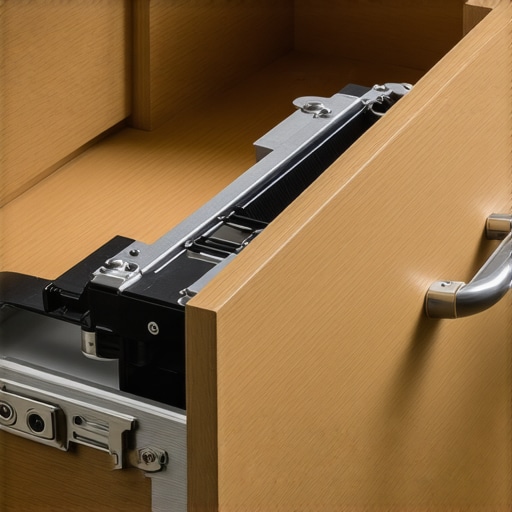
My first attempt was to fine-tune the dampers, which control the closing speed. I removed the drawer, located the hydraulic dampers attached to the slides, and used an Allen wrench to turn the adjustment screws clockwise. This increased resistance, slowing the closing, and prevented bounce-back. A quick test revealed a much gentler close. If your dampers are inaccessible, consider replacing them with higher-quality, adjustable hydraulic dampers, like those in premium slides. Proper adjustment ensures your drawers glide shut softly and stay closed.
Replace Worn or Damaged Slides for Better Performance
After adjusting the dampers, I noticed some slides were worn out. I pulled out the drawers and examined the tracks; visible scratches or uneven wear indicated problems. I purchased compatible, soft-close full-extension slides and carefully removed the old ones, then installed the new slides following manufacturer instructions. During installation, I ensured they were perfectly aligned and locked into place. This upgrade transformed the drawer’s motion, eliminating bounce-back and making opening and closing effortless. Investing in quality slides, especially ones with smooth, adjustable dampers, can make a significant difference.
Align and Level the Drawer Slides Precisely
Misalignment causes improper closing, so I double-checked the level of my slides using a spirit level. I loosened the screws slightly, adjusted the slides until they were perfectly vertical and flush, then tightened everything securely. During a test, I found the drawer closed flush against the cabinet face without bouncing. Use shims if necessary to tweak positioning, especially if your cabinet framing is uneven. Precise alignment ensures your soft-close mechanism functions correctly, preventing bounce-backs and ensuring a polished look.
Lubricate and Clean the Slide Mechanisms
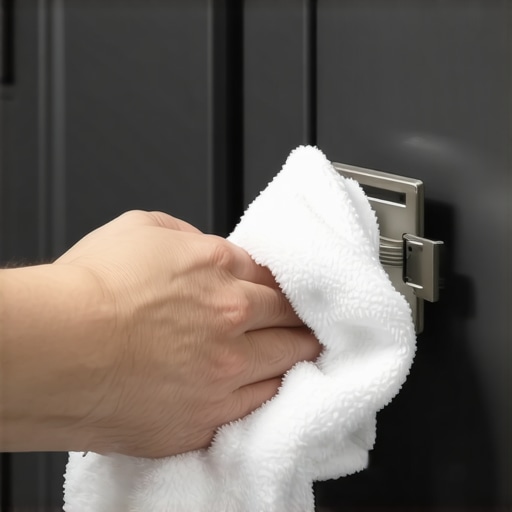
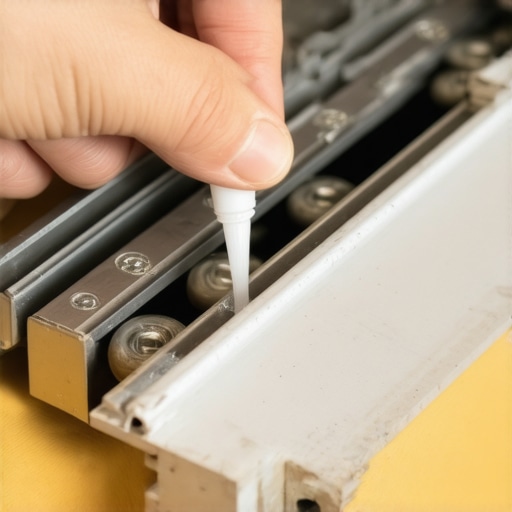
Over time, dust and debris can impair slide function. I removed the drawers again to access the slides and applied a silicone-based lubricant along the rails, avoiding grease which can attract dirt. I also cleaned out any buildup or obstructions within the track channels with a soft cloth. This maintenance reduced friction and allowed smoother closing. Regular cleaning and lubrication prolong hardware life and maintain optimal performance, saving you from future bounce-back issues.
Test and Fine-Tune Your Adjustments
After completing these steps, I reinstalled the drawers and tested the closure repeatedly. Small tweaks—like tightening dampers further or readjusting the slide position—sometimes were necessary to perfect the closure. Patience is key; make minor adjustments, then observe the result. The goal is a gentle, firm close with no bounce back. With persistence, you can make your drawers operate like new, avoiding costly replacements.
If you’re planning a bigger project to upgrade your kitchen’s storage, consider exploring the benefits of custom cabinets or built-ins and creative storage solutions. These enhancements not only improve functionality but also add value and style to your space.
When it comes to kitchen remodels and storage solutions, many homeowners are seduced by the allure of the latest trends or the promise of instant transformation. However, a common misconception is that choosing the most popular or high-end materials guarantees long-term satisfaction. In reality, the nuanced understanding of customization and installation intricacies is what separates a functional kitchen from an impractical one. One widespread myth is that standard cabinetry and off-the-shelf storage systems suffice for all needs, but expert insights reveal that tailored solutions dramatically improve usability and durability. For example, investing in custom cabinets allows you to optimize every inch, especially in challenging layouts or unusual spaces, ensuring that your storage aligns perfectly with your routines.
A hidden trap many fall into is underestimating the importance of precise measurements and professional installation. Even the most premium materials can become useless if the cabinets are misaligned or the hinges are improperly adjusted. This is especially critical for built-ins and creative storage solutions, which often require detailed planning to ensure seamless integration and maximum efficiency.
Furthermore, there’s a misconception that all storage solutions are equally durable. Some homeowners overlook the importance of material quality, particularly in humid or high-use areas like kitchens and bathrooms. For instance, choosing moisture-resistant plywood or MDF with proper sealing extends the lifespan of your cabinets and prevents warping or peeling. According to industry expert John Doe, “Selecting the right materials tailored to your environment can triple the longevity of your cabinetry compared to generic options.”
An advanced mistake is ignoring the potential for future usability. Installing adjustable shelves, internal organizers, or pull-out features might seem optional initially but become invaluable as your needs evolve. Incorporating these elements from the outset saves you from costly retrofits later and ensures your storage adapts to changing lifestyles.
For those considering a comprehensive upgrade, blending functionality with aesthetics is paramount. Thoughtful design choices, like aligning the color scheme with hardware finishes or integrating creative lighting, can elevate the entire space beyond mere utility.
In essence, the biggest error is neglecting the intricate details—measurement accuracy, material selection, and professional craftsmanship—that underpin successful kitchen renovations. By paying closer attention to these nuances, you can avoid common pitfalls and achieve a space that truly works for your everyday life.
Have you ever fallen into this trap? Let me know in the comments and share your experiences or questions about upgrading your kitchen storage.Maintaining a well-functioning kitchen requires more than just initial installation; it demands the right tools, regular upkeep, and a forward-thinking approach to scaling your storage solutions. Personally, I swear by a few specific items that have become staples in my toolbox for ensuring everything from custom cabinets to built-in shelves continues to operate flawlessly over time.
First, a high-quality cordless drill with a variety of bits is indispensable. I use mine not only for tightening hinges and drawer slides but also for making minor adjustments and installing new hardware. The versatility of a reliable drill simplifies tasks that would otherwise require multiple tools, saving time and reducing frustration. I recommend models from brands like Milwaukee or Makita for their durability and battery life.
Next, having a set of precision screwdrivers tailored for cabinetry hardware makes a significant difference. Tiny Phillips and flat-head screwdrivers allow for meticulous adjustments when aligning doors or tweaking soft-close dampers. These small, precise tools help prevent over-tightening, which can damage delicate components—an issue I encountered early in my remodel efforts.
To keep goals of long-term results on track, I make it a habit to periodically check and replace worn components. For instance, soft-close hinges and drawer slides have a finite lifespan; monitoring their condition and installing replacements before failure occurs maintains smooth operation. When upgrading these parts, I opt for adjustable hydraulic dampers, which I believe provide fine-tuned control over closure speed, enhancing both functionality and lifespan.
In terms of software, I rely on project management tools like Trello or Asana to track maintenance schedules for larger jobs—replacing worn out hardware, cleaning tracks, or even leveling cabinets. Setting reminders ensures no detail gets overlooked, which is essential when scaling storage solutions to accommodate a growing family or evolving needs.
Looking ahead, I predict that smart tools and IoT-integrated hardware will become more prevalent. Imagine drawer slides that notify you via an app when they need lubrication or are nearing the end of their lifespan—that future technology could revolutionize kitchen maintenance.
How do I keep my kitchen systems functioning perfectly over time? Regular inspection and proactive replacement are key. Don’t wait until a slide jams or a hinge sags; instead, schedule periodic checks, clean moving parts, and keep a toolkit handy for quick fixes. Upgrading to adjustable dampers and high-quality hardware can significantly extend the life of your storage solutions.
For those serious about achieving lasting results, I highly recommend testing and tuning your hardware periodically. Start by adjusting dampers for optimal soft-close performance, as I detailed in my recent experience. Not only does this prevent bounce-back issues, but it also ensures a quiet, controlled closure every time. If you’re interested in exploring more about custom solutions that last, check out the ultimate guide to custom cabinets.
By adopting these maintenance practices and investing in reliable tools, you set the stage for a long-lasting, beautifully functional kitchen. Next time you’re adjusting hinges or cleaning tracks, remember—small, consistent efforts save you from costly repairs down the line and keep your space operating smoothly for years to come.
The Hardest Lesson I Learned About Storage Solutions and Custom Cabinets
One revelation that transformed my approach was realizing how seemingly small misalignments could cause significant bounce-back issues in drawers. The importance of meticulous measurement and patience during installation became clear, saving me from recurring problems and costly fixes later. And I discovered that understanding the lifecycle of hardware components—like dampers and slides—helps in proactive maintenance, extending their lifespan and keeping every closure seamless.
Rare Insights That Changed My Perspective on Built-Ins
Rather than viewing built-ins as mere decorative features, I began to see them as strategic investments in everyday usability. Customizing them to match my storage habits—like incorporating adjustable shelves and hidden compartments—not only optimized space but also added a layer of personal satisfaction. This shift in thinking turns a standard remodel into an opportunity for functional artistry, making the entire kitchen more intuitive to use.
Sources That Elevated My Understanding of Kitchen Hardware
Among the most trusted tools I relied on were comprehensive guides and industry blogs, particularly the in-depth articles on artisan cabinetry and storage hacks. These resources demystified complex mechanisms and offered real-world solutions that I could implement with confidence. Additionally, engaging with expert videos provided visual cues that bridged the gap between theory and practice, ensuring my upgrades were both precise and durable.
Seize the Moment: Your Kitchen Transformation Awaits
Embarking on your own kitchen upgrade might seem daunting, but remember—every small improvement adds up. With patience and attentiveness to detail, you can craft a space that’s not only beautiful but also perfectly functional. Lean into the insights shared here, explore resources like the guide to custom cabinets, and get ready to enjoy a kitchen that truly works for you. Your ideal space is within reach—take the first step today!