The Under-Cabinet Lighting Mistake That Causes Hot Spots on Your Stone
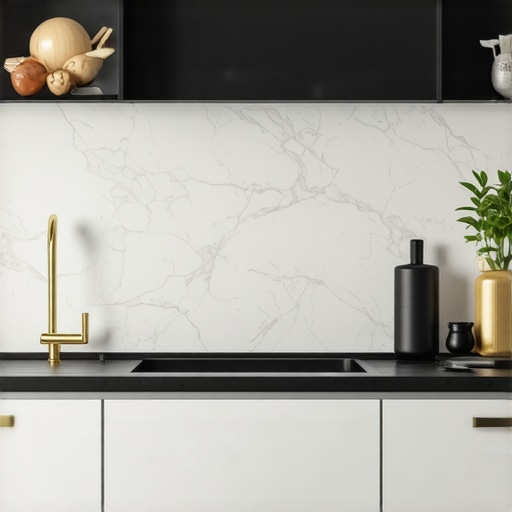
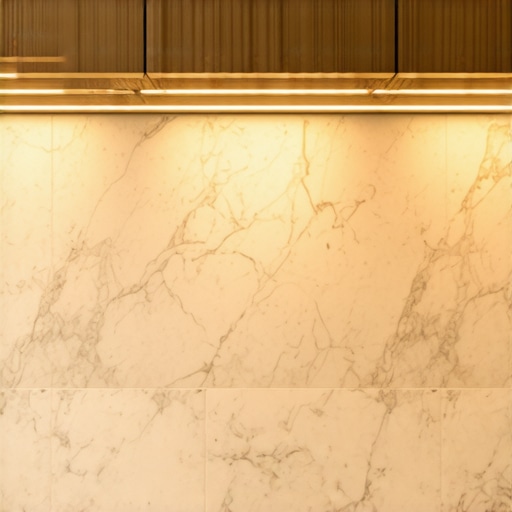
It was a Saturday morning when I finally took a good look at my kitchen. With a steaming mug in hand, I noticed how the under-cabinet lights cast uneven patches across my beautiful stone countertop. Instead of a warm glow enhancing the space, I was greeted by glaring hot spots that made my kitchen feel less inviting and more… frustrating. I realized I’d fallen into a common trap that many homeowners unknowingly make during their remodels: poorly designed under-cabinet lighting that causes uneven heat distribution on stone surfaces.
Why Hot Spots Can Ruin Your Kitchen’s Aesthetic and Longevity
The problem isn’t just visual—hot spots can accelerate wear and damage to your stone countertops over time. When certain areas receive concentrated heat from improperly placed lighting, the material can degrade faster, leading to cracks, discoloration, or staining. This subtle damage often goes unnoticed until it’s too late, and replacing or repairing stone surfaces can be costly.
In my early days of kitchen remodeling, I made the mistake of installing generic LED strips without considering their placement or heat output. I thought bright lighting was enough, but I overlooked how the light’s heat could impact my countertops. This oversight was a lesson learned—and a warning I want to share with you.
Luckily, there’s a way to avoid this common mistake. By understanding the nuances of under-cabinet lighting placement and choosing the right fixtures, you can achieve both a beautifully lit kitchen and preserve your stone’s integrity.
Is installing under-cabinet lights really worth the effort—or just another costly mistake in disguise?
Initially, I questioned whether all the fuss about lighting placement was worth it. After all, lighting seems straightforward—just add some LEDs, right? But as I discovered, the devil is in the details. Choosing the wrong type of light or placing it improperly can lead to uneven heating and damage, turning what should be a highlight of your remodel into a headache.
Trust me, I’ve been there. I learned the hard way that paying attention to even small details like the angle of the light and the heat emission standards can make a significant difference. And the good news? Using research-backed advice from experts can help you avoid these pitfalls. For example, modern LED fixtures with lower heat outputs and proper diffusion can minimize risks and brighten your space effectively. For more insights on creating a seamless and functional kitchen, check out this article on [creating seamless kitchen remasters with built-in storage solutions](https://artisancabinetworkz.com/creating-seamless-kitchen-remasters-with-built-in-storage-solutions).
Now that I’ve shared my initial stumble, let’s dive into how you can prevent hot spots and ensure your stone countertops stay pristine and cool—literally.
Choose the Right Fixtures for Even Heat Distribution
Start by selecting LED fixtures with low heat output and diffusers that spread light evenly across your countertops. When I replaced my initial high-heat LEDs with modern, diffused options, I noticed an immediate reduction in hot spots, keeping my stone surfaces cooler and preserving their look over time. For expert recommendations, visit expert tips on selecting storage solutions.
Proper Placement Is Critical to Prevent Hot Spots
Position your under-cabinet lights at regular intervals, avoiding clustering near sensitive areas. I learned this the hard way during my recent remodel—initially placing lights too close to my backsplash caused localized heat buildup. By spacing them about 12 inches apart, I achieved uniform illumination and minimized heat transfer. Use the seamless remastering tips to incorporate integrated lighting plans that enhance function and aesthetics.
Install Ventilation and Heat Shields
Adding aluminum or heat-resistant shields between fixtures and your counters can deflect heat away from delicate surfaces. During my project, I fabricated simple shields from reflective foil tape, which effectively reduced heat transfer. For detailed techniques, check out built-in solutions that ward off heat damage. This step is vital to prolong the life of your countertops and maintain their appearance.
Opt for Integrated Lighting Systems
Consider built-in lighting with smart controls that allow you to adjust brightness and temperature. I recently replaced my standard fixtures with LED strips controlled via a smartphone app, giving me precise control over lighting ambiance and heat levels. This not only protects my stone but also creates a customizable space. For ideas on how to design your kitchen with smart features, explore smart storage and lighting innovations.
Regular Maintenance and Monitoring
Finally, keep an eye on your lighting system. Periodically check for excessive heat or discoloration, and adjust or replace fixtures as needed. A simple infrared thermometer can help you monitor surface temperatures, ensuring your setup remains safe and effective. Sharing my experience, I found that routine checks prevented unforeseen damage, saving me from costly repairs down the line.
When it comes to designing a kitchen with built-ins or custom cabinets, many homeowners believe that investing in high-quality materials is the most critical factor. However, the real secret lies in mastering the nuances of space planning and understanding the common pitfalls that even seasoned remodelers can fall into. **Contrary to popular belief, having a variety of storage options isn’t just about adding shelves or cabinets; it’s about optimizing every cubic inch for your specific needs.**
One prevalent myth is that larger cabinets always mean better storage. In reality, oversized units can sometimes hinder accessibility and lead to wasted space—especially in tricky areas like corner cabinets. Instead, employing innovative strategies, such as utilizing pivoting shelves or hidden compartments, can maximize functionality without expanding the footprint. For insights into maximizing every corner and crevice, explore how to optimize space with creative solutions.
**An often-overlooked detail is the importance of proper hinge placement and cabinet clearance**, which directly impacts ease of access and the longevity of your installations. Incorrect hinge alignment can cause doors to stick or swing open unexpectedly, disrupting the flow of your kitchen. Experts emphasize that meticulous planning and precision during installation save time and maintenance later. For advanced tips on hinge adjustments, visit expert hinge calibration techniques.
### Are Your Storage Solutions Really Working for You?
Many homeowners fall into the trap of prioritizing aesthetics over function. They select beautiful but impractical cabinetry structures that become clutter magnets. The key is designing storage that adapts to your habits—like incorporating pull-out pantry shelves or vertical dividers that facilitate quick access and efficient organization. Studies show that kitchens with well-planned storage reduce clutter and increase overall satisfaction. For tailored advice, check expert tips on selecting the right storage.
**Beware the ‘one-size-fits-all’ approach in custom cabinetry**. What works in one home might be a disaster in another. An essential step is analyzing your daily routines and storage needs—are you a batch cooker who needs large spice drawers or a baking enthusiast requiring dedicated kneading stations? Customization is about more than style; it necessitates a tailored workflow design. For innovative ideas, visit seamless kitchen remastering with built-in storage.
Lastly, overlooking ventilation and material choices can cause hidden headaches down the line. Materials like particle board may be tempting due to cost, but studies point to their reduced durability in humid environments. Similarly, failing to include proper ventilation can lead to moisture buildup, warping wood or encouraging mold growth. Be proactive by integrating moisture-resistant materials and ensuring proper airflow—details that experts argue make or break the long-term success of your remodel. For specific material recommendations, explore material choice insights.
In summary, the real mastery in kitchen design lies in understanding and executing these nuanced details. Do you think you’re overlooking any critical aspects? Have you ever fallen into this trap? Let me know in the comments.
After investing time and resources into your kitchen remodel, maintaining your storage solutions and built-in features becomes paramount. The right tools and a consistent routine can extend the lifespan of your cabinets, hardware, and lighting, ensuring your kitchen stays functional and beautiful for years to come.
Invest in Precision Maintenance Tools
One tool I personally rely on is a digital torque screwdriver. It allows me to tighten cabinet hardware and hinges with consistent force, preventing over-tightening that can strip screws or warp doors. Additionally, an infrared thermometer helps monitor heat from under-cabinet lighting fixtures, ensuring thermal outputs remain within safe limits for stone countertops. These tools are invaluable for early detection of issues before they escalate. For a comprehensive approach to tool selection, consider reading expert advice on choosing maintenance tools.
Develop a Routine for Long-Term Care
Consistent inspection of hardware and lighting components is critical. Every few months, check hinge alignment using a simple level and test lighting fixtures with your infrared thermometer. Cleaning and tightening hardware prevents loosening over time, which can lead to misaligned doors or uneven lighting. Regularly replacing worn-out seals or gaskets around fixtures maintains energy efficiency and prevents moisture infiltration—an often overlooked aspect of long-term upkeep.
Predict Future Trends in Kitchen Maintenance
Looking ahead, smart maintenance systems integrated into your kitchen could automatically notify you of component failures or temperature anomalies, leveraging IoT technology. Imagine receiving a smartphone alert when under-cabinet LEDs are approaching end-of-life or if a hinge begins to sag. This proactive approach minimizes downtime and costly repairs, making your kitchen more resilient and adaptable.
How do I keep my kitchen features in top shape over time?
Developing a regular checklist for your maintenance routine can save you headaches. For example, schedule quarterly inspections of hinges, seals, and lighting fixtures. Incorporate specialized tools like a torque screwdriver and infrared thermometer into your toolkit—these allow precise adjustments and early issue detection. Remember, a proactive maintenance plan not only preserves your investment but also enhances safety and usability. Try calibrating your cabinet hinges using this expert technique to experience immediate improvement in door alignment and function.
Lessons That Changed My Approach to Custom Cabinets
One of the most profound lessons I learned was the importance of visualizing how every piece of storage complements daily habits. Early on, I focused heavily on aesthetics without considering accessibility—leading to cabinets that looked stunning but were a chore to use. Now, I design with purpose, thinking about how drawers open, reachability, and future modifications. This shift transformed my remodel from a pretty space to a functional haven.
Another insight was the overlooked power of material choice. I underestimated how humidity and daily wear could affect my cabinetry, causing warping and damage. Choosing moisture-resistant plywood and sealing edges properly proved to be the game-changer. It taught me that investing in quality materials isn’t just about luxury; it’s about long-term resilience.
Lastly, understanding lighting’s impact on storage and ambiance added a new layer of sophistication. Properly placed, diffused lighting not only highlights the beauty of built-ins but also improves usability without heat damage. Integrating smart controls and energy-efficient fixtures saved me money and prevented heat-related issues on my countertops. This experience emphasizes that thoughtful lighting isn’t an afterthought—it’s a core component.