The Hidden Storage Spots You Are Missing in Your Kitchen Layout
It hit me one lazy Sunday afternoon—standing in my cluttered kitchen, desperately trying to find a clean spatula amidst a mountain of mismatched lids and half-empty spice jars. Despite my new cabinets and fancy appliances, something was still missing. That lightbulb moment revealed a frustrating truth: I was overlooking some of the most effective storage solutions hiding right in plain sight. If your kitchen feels cramped, chaotic, or just not working for you, it’s time to look beyond the obvious. Today, we’re going to uncover those secret spots that can dramatically boost your storage without a costly remodel.
Unlocking Hidden Storage in Your Kitchen
Is Your Kitchen’s Potential Being Wasted?
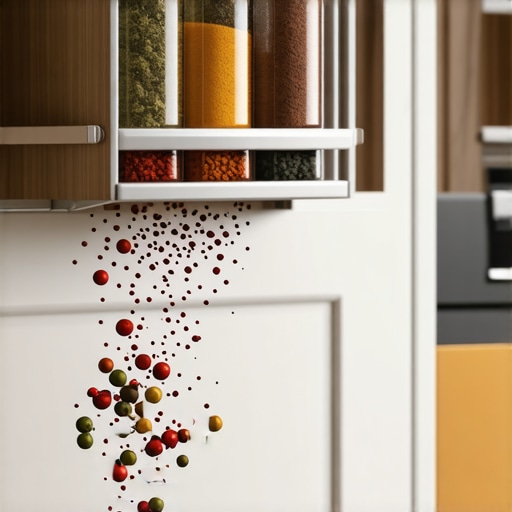
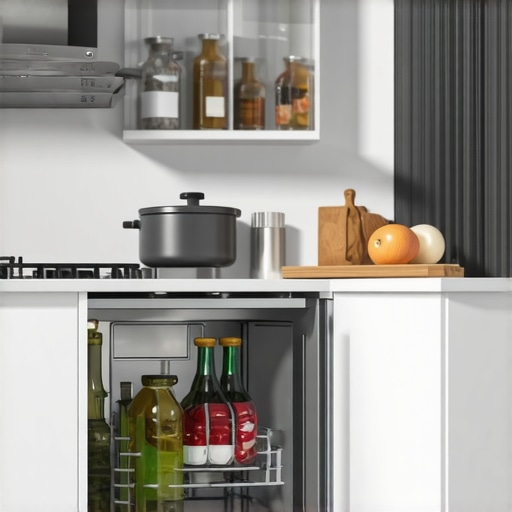
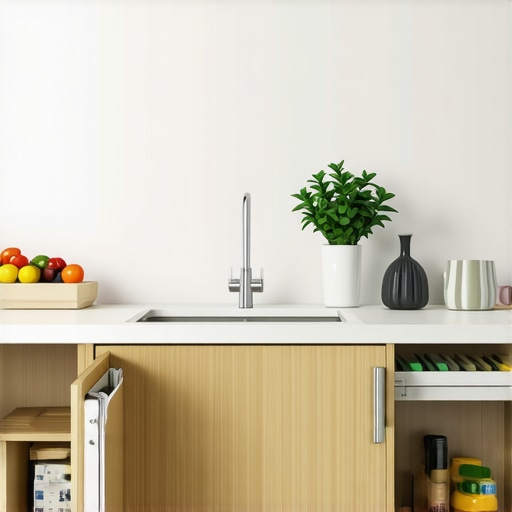
One mistake I made early on was assuming that maximizing cabinets and pantry shelves alone would solve all my storage woes. Turns out, many of us overlook simple yet ingenious spots that, with a little customization, can hold a surprising amount of items. For example, did you know that the space beneath your toe kick can hide a pull-out drawer for baking sheets or cleaning supplies? Or that the inside of cabinet doors can serve as mounting points for spice racks or utensil holders? These overlooked areas, if properly utilized, can free up much-needed space and make your kitchen more efficient.
According to a report by the National Kitchen and Bath Association, smart storage solutions not only increase functionality but also significantly enhance homeowner satisfaction. Yet, many still fall into the trap of relying solely on traditional shelving, missing out on these clever adjustments. Understanding these hidden spots is key to transforming your kitchen from cluttered to organized.
Curious if your space hides more potential than you realize? Let’s explore some of these hidden storage options and how they can work for your unique layout, leading to a more practical and enjoyable cooking environment.
Identify and Assess Hidden Spaces Carefully
Start by examining your current kitchen layout, looking for overlooked spots. Use a flashlight to peek inside cabinets, beneath appliances, and above ceiling cabinets. Take notes of empty or underused areas such as the toe kick, inside door panels, and unused wall spaces.
Plan Custom Storage Solutions Aligned with Your Needs
Create a detailed list of items you need to store, categorizing them by size and usage frequency. Match each category to potential hidden spots. For example, store baking sheets in a pull-out drawer beneath the oven or inside the toe kick with a specially designed pull-out. This is similar to designing a wardrobe layout to optimize every inch.
Implement Built-In Storage with Precision and Care
For a seamless look, consider built-in storage solutions. Hire professionals to construct custom pull-out shelves, narrow cabinets, or hidden drawers integrated into existing structures. During installation, ensure surfaces are perfectly aligned and hardware is securely mounted to support weight.
Utilize door and wall Space Innovatively
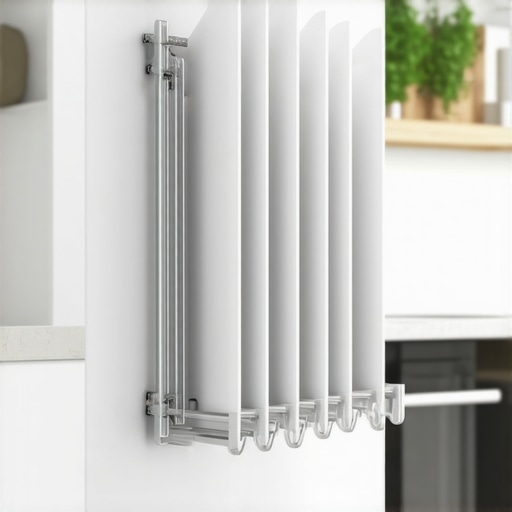
Attach spice racks, utensil holders, or knife strips on the inside of cabinet doors. For vertical spaces, install slim shelves or hooks on unused wall sections. Use modular storage hacks to maximize cubic inches without crowding the countertop.
Optimize the Toe Kick for Hidden Storage
This strategy worked wonders for me. I removed the existing panel and added a custom pull-out drawer beneath the cabinets. I secured it with high-quality slides and finished with matching trim. This gave me instant access to baking sheets and cleaning supplies, freeing up cabinet space. For detailed guidance, see toe kick storage techniques.
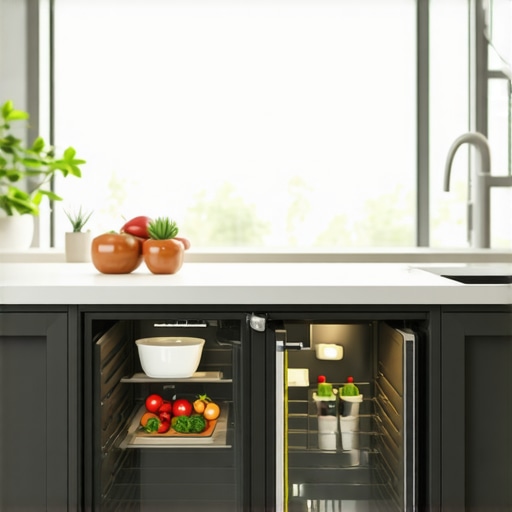
Here’s a visual showcasing a discreet toe kick drawer with effective organization.
Ensure Smooth Operation and Durability
Test each storage component for ease of access and sturdiness. Adjust hardware as needed. Reinforce weak points to handle the weight of stored items, preventing future sagging or malfunction. Regular maintenance ensures your hidden storage remains functional and accessible over time.
Many homeowners believe that opting for built-in cabinets and custom storage instantly guarantees an efficient, clutter-free kitchen. However, this mindset often overlooks key nuances that can make or break your remodeling success. Let’s dig deeper into these critical details that even seasoned renovators sometimes miss.
One common myth is that custom cabinets alone solve all storage challenges. While they can dramatically improve functionality, their effectiveness hinges on strategic placement and thoughtful design. For example, incorporating hidden compartments or leveraging vertical space on interior cabinet doors can maximize storage without expanding your footprint. According to expert tips on storage solution selection, a nuanced approach elevates simple cabinets into sophisticated organizational tools.
Another misconception is that built-ins are a one-size-fits-all answer. Homeowners often underestimate how variations in lifestyle, appliance sizes, and even cooking habits necessitate bespoke solutions. Relying solely on off-the-shelf layouts can lead to clutter or inefficiencies. Instead, customizing solutions tailored to your unique usage patterns—like specialized spice drawers or appliance garages—can dramatically improve daily convenience.
Beware of the trap of over-customization without considering future needs. Overly intricate designs may look elegant but can become problematic if your household grows or your needs change. For example, installing a narrow pantry might seem ideal now, but if you host big family dinners later, you’ll appreciate adjustable shelving or modular units that can evolve.
Advanced kitchen design isn’t just about adding features; it’s about smart integration. Incorporating elements like built-in storage hacks ensures seamless operation and longevity. Properly secured hardware, durable materials, and precise measurements prevent common issues like sagging doors or misaligned drawers.
Furthermore, the popularity of open shelves has led many to believe they always enhance space. Contrarily, open shelving can contribute to visual clutter and dust accumulation if not carefully curated. It’s essential to balance open elements with closed cabinetry, optimizing aesthetics without sacrificing practicality.
So, what are the pitfalls to avoid? Overlooking these nuances can turn your kitchen remodel into a costly lesson rather than a smart upgrade. Always plan for flexibility, personalized solutions, and future-proofing to truly capitalize on custom cabinetry and built-ins.
Have you ever fallen into this trap? Let me know in the comments. For in-depth guidance on creating a cohesive, functional kitchen space, explore resources like seamless built-in storage or modern remodel inspirations. Thinking beyond the basics ensures your investment not only looks great but works perfectly for years to come.To ensure your newly renovated kitchen continues to function flawlessly over the years, investing in the right tools and establishing reliable maintenance routines is crucial. Personally, I swear by a high-quality cordless power drill with various attachments, which makes adjusting and tightening hardware effortless, especially when dealing with custom cabinets. Additionally, a digital level ensures all shelves and appliances are perfectly aligned, preventing issues like door misalignments or wobbling countertops. For cleaning, I recommend a microfiber cloth combined with a gentle, non-abrasive cleaner; this combo keeps surfaces like quartz and laminate looking pristine without damage.
When it comes to long-term results, software like 20-20 Retrofit can be a game-changer for planning future upgrades or visualizing storage adjustments. It allows you to model different configurations, ensuring your storage solutions evolve with your needs. Regularly inspecting hinges, slides, and seals is vital—loose hinges can cause doors to sag, while worn seals may lead to moisture damage. I recommend setting reminders every six months to check these components and lubricate moving parts with a silicone-based spray.
Looking ahead, the trend points toward smart, connected storage systems. Integrating IoT-enabled cabinets that notify you when supplies are running low is gaining popularity and can drastically reduce clutter and waste. As these technologies become more affordable and reliable, I anticipate a future where our kitchens are not just beautiful but also self-maintaining.
How do I maintain built-ins and custom storage over time? The key lies in routine inspections and prompt adjustments. For example, gently tightening mounting screws during periodic checks can prevent hardware failures. Keeping hinges and slides lubricated with manufacturer-specific lubricants extends their lifespan and maintains smooth operation. Also, cleaning concealed areas like toe kicks and internal cabinet corners prevents dust accumulation, which can cause mechanical wear.
For those interested in streamlining their maintenance, I highly recommend trying out a magnetic screwdriver set combined with a durable small LED flashlight—these tools make reaching tight spaces much easier. Regular maintenance prolongs functionality, ensures safety, and keeps your kitchen looking and working great. Remember, a well-maintained kitchen not only conserves your investment but also enhances your daily cooking experience. To dive deeper into optimizing your storage and hardware, explore tailored solutions at https://artisancabinetworkz.com/built-ins-that-elevate-your-living-rooms-functionality.
Eye-Opening Secrets That Changed My Approach
One of the biggest lessons I learned was to scrutinize every nook and cranny before starting a remodel. Initially, I believed that only large cabinets and shelves mattered, but uncovering tiny spaces like inside cabinet doors or beneath appliances revealed untapped potential that transformed my kitchen’s functionality. This experience taught me that small tweaks can lead to massive gains in storage efficiency.
Secondly, I realized that customization is key—off-the-shelf solutions often fall short of unique household needs. By designing specific compartments like a spice drawer inside the door or a hidden toe kick drawer, I optimized space and made daily routines smoother. Personalization truly elevates your kitchen to a new level of practicality and style.
Another lightbulb moment involved the importance of durable hardware and precise measurements. Investing in high-quality slides, hinges, and custom-fit components means your hidden storage will perform reliably over years, preventing frustrations and costly repairs down the line. Precision truly pays off in creating seamless, functional built-ins.
Tools and Resources That Made the Difference
My go-to reference was The Ultimate Guide to Custom Cabinets, which offered expert insights into maximizing space through smart design choices. I also rely on smart storage ideas that helped me think outside the box for even the tightest spots. For practical hardware recommendations, expert tips on selecting storage solutions guided me to choose quality components that last. These resources collectively empowered me to craft a kitchen that functions flawlessly today and for years to come.
Embrace Your Kitchen Transformation Journey
Remember, the path to a perfectly organized kitchen starts with bold decisions and a willingness to explore hidden spaces. Each small change builds toward a space that truly supports your lifestyle, making cooking, cleaning, and entertaining more enjoyable. Don’t hesitate to experiment with inventive storage ideas—your ideal kitchen is within reach. To see more inspiring transformations and practical solutions, visit this curated collection. Now’s the time to turn those hidden storage dreams into reality—your kitchen deserves it!