Why We Prefer HDF Over Solid Wood for Painted Cabinet Centers
It all started with a simple kitchen renovation that turned into a frustrating lesson. I vividly remember standing in my cluttered kitchen, watching a freshly painted cabinet door sag just a few days after I installed it. The paint peeled, the wood warped, and I couldn’t shake the feeling that I had overlooked something crucial. That moment was my lightbulb—solid wood, which I had always trusted for cabinets, wasn’t the best choice for painted finishes in high-traffic areas. From then on, I dove into research and experiments, trying to find materials that would stand the test of time and look flawless under paint.
Understanding the Material Wars in Cabinet Centerst
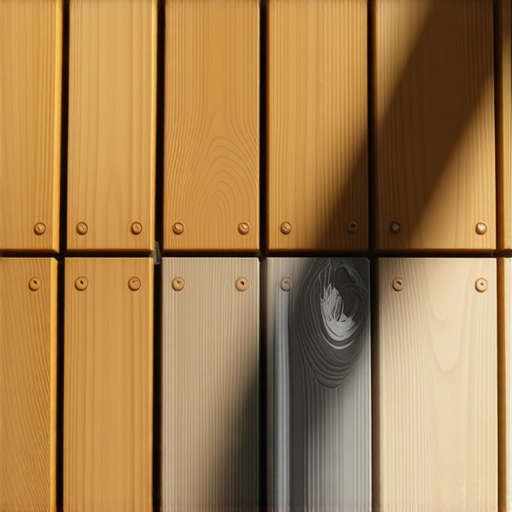
After many trial-and-error projects, I discovered that High-Density Fiberboard (HDF) offers some compelling advantages over traditional solid wood, especially when it comes to painted cabinet centers. HDF’s uniform surface makes it less susceptible to warping, swelling, or cracking—issues that solid wood often faces due to moisture and temperature fluctuations. Plus, with recent advances, HDF can be finished with smooth, paint-ready surfaces that mimic the elegance of solid wood without its drawbacks. This realization changed my entire approach to cabinet design, saving me time, money, and countless headaches.
If you’re considering updates or remodeling, I encourage you to evaluate the material choices for painted surfaces carefully. Sometimes, what seems like a traditional preference might actually be limiting your kitchen’s durability and beauty.
Is HDF Really Worth the Buzz?
Many folks remain skeptical about replacing solid wood with engineered options like HDF. I admit, I too had doubts initially. Early in my learning curve, I made the mistake of assuming that solid wood was always superior. I underestimated how much moisture, heat, and general wear and tear could compromise its integrity over time. Only after experiencing chipping paint, swelling edges, and uneven surfaces did I realize the importance of choosing the right material. Thanks to this mistake, I now advocate for HDF in painted cabinet centers, especially in areas prone to humidity and frequent use.
Do you have a similar story of choosing materials that didn’t quite live up to expectations? Share your experience or explore some of the innovative storage solutions that can complement your new material choices, like those detailed in this guide.
Selecting the Right Materials to Stand the Test of Time
Start by analyzing your environment. If your kitchen experiences high humidity, opt for moisture-resistant materials like high-density fiberboard (HDF) for painted cabinet centers. When applying paint, ensure surfaces are properly sanded and primed—skipping this step often leads to peeling. I once rushed through sanding a cabinet door, which resulted in uneven paint and quick chipping—an easy mistake that affected the entire project. Proper surface prep is essential for durability.
Designing Built-In Storage That Fits Like a Glove
Map Your Space and Count Your Needs
Measure twice, cut once. Use a tape measure to mark areas where built-ins will go—think of these like tailoring a suit: precision is everything. For example, I once sketched out the dimensions of a custom refrigerator surround, accounting for clearance and appliance handles, which prevented fitting issues later. Draft detailed plans, and double-check measurements before cutting any materials.
Prioritize Functionality Over Aesthetics
While choosing materials and finishes, focus on how you’ll use the space daily. Incorporate features like pull-out trays or adjustable shelves—these are like built-in butlers, providing easy access to stored items. I installed a series of pull-out spice racks in a corner cabinet, transforming what was unused space into a practical storage zone. This not only improved access but also kept countertops clutter-free.
Building Custom Cabinets That Elevate Your Home’s Style
Select Hardware That Works Hard and Looks Good
Hardware is the jewelry of cabinets. Pick finishes like brass or matte black, which hide fingerprints better than stainless steel—especially in busy kitchens. When installing drawers, use full-extension slides; these make reaching items easier and are worth the investment. I added soft-close dampers to prevent slamming, which extended the life of my cabinetry and maintained a quiet ambiance.
Seamless Integration with Existing Structures
Achieve a uniform look by scribing cabinetry to fit uneven walls or ceilings. Use a pencil and scribing gauge to transfer wall contours onto cabinet sides, then cut slightly inside the line. I remember struggling with uneven brick walls; careful scribing hid gaps and created a flush appearance. For electrical outlets or plumbing, build removable panels or backing to allow easy access without sacrificing design integrity. This approach prevents future headaches when repairs are needed, aligning with concepts discussed in built-ins that elevate your living room.
Enhancing Storage with Creative Solutions
Use toe-kick drawers to utilize space under cabinets efficiently—it’s like having a hidden cabinet floor that holds your rarely used items. Floor-mounted pull-out trash bins simplify waste management, keeping it out of sight. For small items like spice jars or baking sheets, vertical storage racks prevent pile-ups and make retrieval intuitive—think of them as vertical filing cabinets for your kitchen.
Mastering Installation for Stability and Finish
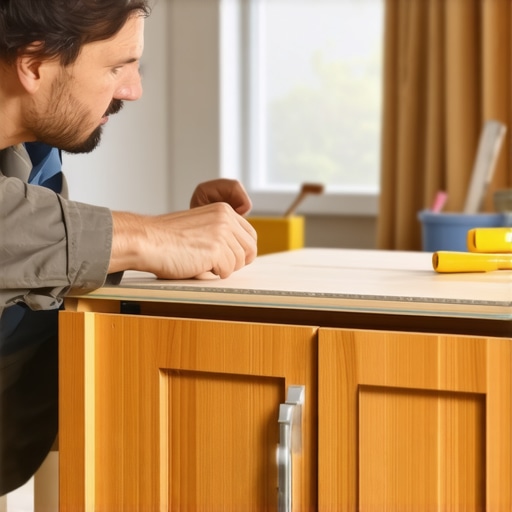
Secure heavy items with reinforced brackets—much like building a sturdy bridge. When hanging tall cabinets, use anchors suitable for your wall type, whether wood or metal studs. For example, I once installed a full-height pantry and drilled into metal studs, opting for toggle bolts designed for heavy loads, which kept the cabinet sturdy over years of use. SandAll surfaces before finishing to ensure a smooth, professional look, and avoid gaps by meticulously aligning doors and drawers during installation.
Many homeowners assume that installing more shelves or opting for off-the-shelf solutions automatically enhances their kitchen’s functionality, but this common misconception can lead to inefficient space use and hidden costs. A prevalent mistake is overlooking the importance of tailored storage solutions that are specifically designed for your space, rather than relying solely on generic racks or cabinets. For example, forget about simply stacking items into existing cabinets without considering their sizes or usage patterns; instead, invest in customized interiors that maximize every inch, like those discussed in built-ins that elevate your living room. The nuance often missed is that built-in storage isn’t just about appearance—it’s about integrating functionality seamlessly into your daily routines.
Are standard solutions undermining your kitchen’s potential?
One critical error is neglecting advanced space planning principles, such as vertical utilization or hidden compartments, which can dramatically increase storage capacity without expanding footprint. Incorporating features like toe-kick drawers or custom pull-outs, as highlighted in innovative storage solutions, often yields better results than superficial upgrades. Moreover, many underestimate the impact of proper material selection; for example, choosing high-quality MDF or HDF over cheap particleboard can prevent sagging or warping over time, ensuring longevity and maintaining your investment’s value. According to kitchen design expert John Morgan, “Material integrity is the backbone of any durable cabinetry, especially when used for customized solutions that endure daily wear and tear.”
Another trap is assuming that larger or more ornate cabinets always equal better storage. In fact, intentional design—like interior dividers, adjustable shelving, and specialized racks—can unlock unused spaces and adapt to your storage needs as they evolve. Scratched or mismatched hardware, for instance, can mar the cohesiveness of a well-planned layout. Opting for hardware finishes like brushed brass or matte black not only enhances aesthetics but also reduces fingerprint and stain visibility, as suggested by hardware trend analysis.
Thinking about integration, many fail to consider how built-ins can flow naturally with your existing architecture, creating a seamless look without feeling bulky. Scribing cabinetry—carefully aligning furniture to uneven walls or sloped ceilings—can make a significant difference. Skilled builders, such as those discussed on seamless remaster guides, emphasize that tailored solutions often cost less than retrofitting or extensive repairs later.
Are you leveraging the full potential of your space with intelligent storage? Or are hidden pitfalls holding you back? Remember, proper planning and material choices are the pillars of a successful renovation. If you’re contemplating your next upgrade, I encourage you to consult with experts who prioritize customization and precision—so you avoid common mistakes and create a kitchen that’s both beautiful and highly functional. Want more tips tailored for your project? Check out transformative cabinet ideas or reach us today to discuss your plans.Maintaining your well-crafted kitchen requires more than occasional cleaning—it demands the right tools, consistent methods, and foresight to ensure longevity. Personally, I swear by a combination of high-quality equipment, smart software, and routine checks to keep everything functioning flawlessly. For example, I rely on a digital angle finder to ensure cabinet doors stay perfectly aligned over time, avoiding the misalignments that can turn a sleek kitchen into a frustrating space. Regularly updating and calibrating your hardware, like soft-close hinges and drawer slides, prevents wear and tear from becoming a costly issue. If you’re considering optimizing your kitchen’s durability, I recommend investing in a torque screwdriver tailored for cabinetry hardware, which makes annual adjustments straightforward and precise.
In the future, I predict a rise in smart maintenance tools—such as IoT-enabled sensors embedded in cabinetry—that alert you to potential issues before they become noticeable. Staying ahead with these innovations can save you significant time and expense.
How do I maintain my built-ins and custom cabinets over time?
Routine inspections are essential. Check hinges, margins, and seals every six months, and apply a silicone-based lubricant to moving parts to keep everything smooth. Cleaning with a microfiber cloth and gentle cleaner preserves finishes and prevents buildup. For more advanced care, I use a specialized cabinet touch-up kit to address minor scratches before they worsen, which maintains the aesthetic integrity and resale value of my investment. Incorporating protective finishes during installation, like UV-resistant topcoats, further safeguards your cabinetry against sun damage.
To streamline maintenance, consider scheduling quarterly reviews of your storage systems with digital checklists—this habit ensures nothing slips through the cracks. And if you want to make a substantial impact on your long-term storage results, exploring innovative solutions like pull-out pantries or custom drawer dividers can greatly enhance accessibility and organization, as detailed in this guide.
Don’t forget—using the right tools for installation and ongoing care ensures your kitchen retains its beauty and functionality for years to come. For example, investing in a quick-release hinge alignment tool is a game-changer for quick adjustments after seasonal shifts. I recommend trying this technique to avoid common alignment issues, and see how it can extend the life of your cabinetry.
What I Wish Someone Told Me Before Starting my Kitchen Remodel
The biggest lesson I learned is that material choices matter more than aesthetics in the long run. Opting for engineered wood like HDF over solid wood for painted cabinet centers dramatically reduces warping and peeling, saving headaches over time. Trust me, not all finishes age equally—prioritizing durability can make or break your project’s success.
Another insight was the importance of meticulous planning. Buying off-the-shelf storage solutions might seem convenient, but tailoring interiors with adjustable shelving or custom pull-outs unlocks hidden space and adapts to evolving needs. It’s worth investing in detailed measurements and thoughtful layouts to maximize utility.
I also discovered that hardware selection is often overlooked, yet it contributes significantly to both appearance and longevity. Choosing soft-close hinges, matte black finishes, or brass hardware enhances style and reduces fingerprints, maintaining a pristine look with minimal effort.
The Secrets That Experts Keep Close to Their Chests
Industry pros swear by the power of scribing cabinetry to uneven walls, which ensures a seamless, professional look. Incorporating removable panels for plumbing and electrical access prevents future headaches, making maintenance effortless and preserving aesthetic integrity. If you’re serious about your renovation, delve into these techniques to elevate your build.
Furthermore, strategic use of toe-kick drawers and vertical storage transforms wasted space into highly functional zones. Combining these with built-in charging hubs or hidden compartments can dramatically boost your kitchen’s efficiency—see how innovative storage ideas can be game changers in this comprehensive guide.
Embracing the Art of Continuous Improvement
Maintaining your custom cabinets doesn’t end at installation. Regular inspections, cleaning with microfiber cloths, and minor touch-ups keep everything looking new. I recommend scheduling Quarterly reviews and staying ahead with smart maintenance tools—soon, IoT-enabled sensors might alert you to issues before they escalate, making upkeep a breeze.
Remember, the journey to a beautiful, durable kitchen is ongoing. By embracing smart storage, selecting materials wisely, and executing precise installation techniques, you can create a space that truly works for you—and lasts for years to come. Whether you’re planning a full remodel or just refreshing a corner, the right choices lay a solid foundation for success.