Why Your Lazy Susan Is a Waste of Space and What to Put There Instead
Ever opened your kitchen cabinet and immediately felt overwhelmed by the clutter swirling inside? I’ve been there too—pushing aside stacks of mismatched lids, struggling to find that elusive spice jar, and realizing my lazy Susan wasn’t actually doing me any favors. It was a classic case of a storage solution that promised efficiency but delivered chaos instead.
Why I Finally Ditched My Lazy Susan
One day, after wasting ten minutes hunting for a specific baking pan, I had a lightbulb moment. I thought, “There has to be a smarter way.” That realization was the start of my journey toward better kitchen organization. Lazy Susans, while charming in concept, often become crammed with everything from can cans to plastic containers, making them more of a space hog than a helpful feature. According to recent kitchen renovation trends, personalized storage solutions can significantly increase both functionality and aesthetics—something I wish I had known earlier. For instance, customized pull-out cabinets can allow for better organization and easier access, turning wasted space into an asset rather than a black hole of clutter.
Do You Fear That Customized Storage Will Break the Bank?
Early on, I made the mistake of assuming that investing in high-end storage meant breaking my budget. But I learned that with inspired design, you don’t need to spend a fortune to transform your space. There are smart, affordable alternatives that can make a big difference—like innovative drawer inserts or modular shelving—that serve your needs without draining your savings. Curious about options that balance cost and function? Check out this guide for ideas on upgrading your kitchen storage on any budget.
If you’re tired of battling your lazy Susan and are ready to reclaim your kitchen space, keep reading. I’ll share practical tips that I’ve tested and trusted—ways to maximize every inch of your cabinets with clever, personalized solutions, turning a chaotic kitchen into your favorite room in the house.
Pull Out Every Last Inch
Start by removing all items from your cabinets to assess what you truly need. Use this time to identify dead space and prioritize items that are used frequently. Install custom pull-out shelves in deep cabinets. These trays slide smoothly and make accessing items at the back easy, like turning a dark closet into a well-lit hallway. I once replaced a fixed shelf with a pull-out tray to access my baking sheets, which previously had me crawling into the cabinet like a treasure hunt. The results? Quicker cooking prep and a clutter-free look.
Implement Vertical Storage Strategies
Stack with Purpose
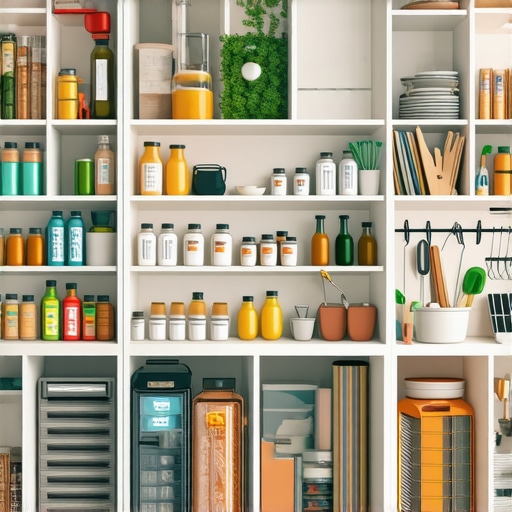
Use stacking systems for cans, spices, and small jars. Metal risers or tiered racks turn vertical space into organized layers, much like a multi-tiered cake that’s easy to cut. In my kitchen, I added a built-in vertical spice rack, freeing up countertop space and making my spices accessible without digging through a jumble. It was a game-changer, transforming chaos into clarity in minutes.
Customize with Smart Hardware
Invest in high-quality hardware that maximizes the utility of your cabinets. Heavy-duty hinges and soft-close dampers prevent slamming and ensure durability. For reaching high cabinets, consider a pull-down rack system that turns unreachable shelves into accessible spaces with the push of a button. I personally installed one in my upper cabinets, and now I grab rarely-used items without a step stool—saving time and preventing spills.
Create Dedicated Zones
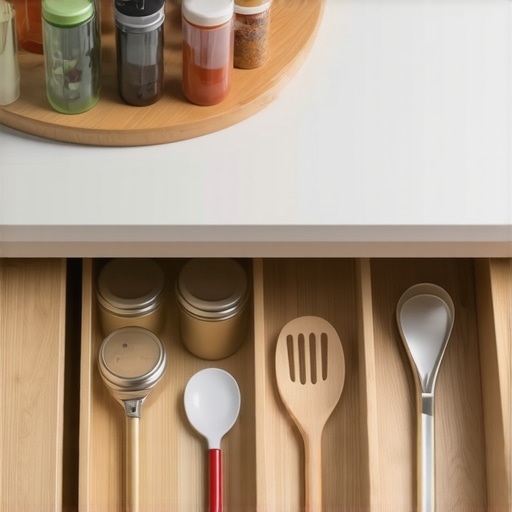
Segment your kitchen into zones—baking, prep, cooking, cleaning—to streamline workflows. Use custom cabinets tailored to each zone, with drawers for utensils, pull-out trays for baking sheets, and concealed trash bins. I designed a baking zone with shallow drawers for measuring cups and a hidden mixing bowl storage; it made my baking sessions run smoother and less cluttered.
Use Hidden Storage Spaces
Think beneath the toe kick or above ceiling cabinets. A toe-kick drawer can hide bulky pans or cleaning supplies, reclaiming wasted space. I once converted my toe kick into a secret storage spot for cleaning products—keeping clutter out of sight but within reach, while maintaining a sleek look. This approach is perfect for small kitchens where every inch counts.
Optimize Door and Drawer Organization
Use adjustable dividers, door-mounted racks, and lazy Susans for corner cabinets. Although lazy Susans are popular, I prefercorner drawers. They turn the dead space in your corners into ultra-functional storage for pots, pans, or bulky appliances. When I replaced my lazy Susan with a corner drawer, I gained easy visibility and access to everything, reducing frustration during busy mornings.
Plan for Flexibility
Finally, incorporate adjustable shelves and removable containers to adapt over time. As your needs change, so should your storage. I added modular shelving in my pantry, which I could reconfigure seasonally—demonstrating that a well-thought-out plan can evolve without costly remodels. These small but impactful steps can turn your kitchen into a space that works for you today and tomorrow.
Many homeowners assume that selecting built-in storage solutions or custom cabinets is a straightforward process—just pick a style, choose a finish, and install. However, this oversimplification often masks critical nuances that can make or break your kitchen’s functionality and aesthetic. One prevalent myth is that all built-ins are created equal—believing that standard models or off-the-shelf options can deliver the same tailored benefits as bespoke designs. In my experience, the real game-changer lies in understanding the complexities behind customizations, such as framing, material compatibility, and hardware selection, which drastically influence durability and ease of use.
A common trap is underestimating the importance of integration with existing architecture. Many rush into new cabinets without considering how they clash with ceiling heights, wall layouts, or electrical placements. This oversight leads to costly modifications down the line. For example, incorporating flexible zones with adjustable shelving and hidden compartments can optimize space and adapt to changing needs over years. This is especially relevant given recent research emphasizing the importance of adaptability in smart home environments—studies show that flexible storage significantly boosts satisfaction and usability (source: Home Innovation Research Labs).
How Do I Avoid Costly Mistakes When Choosing Custom Cabinets?
It’s tempting to focus solely on the initial design and overlook long-term maintenance or compatibility issues. For instance, using materials that don’t withstand kitchen humidity can cause warping or finish deterioration, leading to expensive replacements. I recommend consulting with experts who understand the nuances of cabinetry materials and hardware—like those found in custom cabinet specialists. They can guide you on selecting moisture-resistant veneers or modern hardware options that prevent common pitfalls. Additionally, ensuring your design accounts for future upgrades—such as adding integrated charging stations or soft-close mechanisms—can be a subtle yet impactful way to future-proof your investment.
Another underrated aspect is the misconception that larger cabinets always equate to better storage. In reality, overly deep or wide units can become inaccessible and cluttered, negating their benefits. Instead, focusing on smart, compartmentalized designs like pull-out trays or vertical dividers maximizes space efficiency and functionality. For advanced homeowners, exploring innovative storage solutions can provide the perfect blend of aesthetics and practicality.
Remember, the key to a successful remodel isn’t just in the visual impact but also in avoiding hidden pitfalls that might surface later. Engaging with experienced designers and understanding the underlying principles of materials and hardware can save you time and money while elevating your kitchen’s performance. Have you ever fallen into this trap? Let me know in the comments.
Investing in Reliable Tools for Long-Term Success
To ensure your custom cabinets and storage solutions stand the test of time, having the right tools is crucial. I personally swear by a high-quality cordless drill, such as the Makita XFD10Z, which offers impressive runtime and power, making installation and adjustments much easier. Paired with a set of precision screwdrivers, you can fine-tune hinges and hardware without hassle. A digital caliper is invaluable when measuring for custom-fit inserts or shelving, ensuring perfect dimensions every time. For maintaining finishes and smooth operation of hardware, a soft microfiber cloth coupled with specialty lubricants (like silicone-based sprays) keeps everything functioning seamlessly.
Streamlining Maintenance with Smart Storage
Keeping your tools organized simplifies ongoing maintenance. Use dedicated wall-mounted pegboards or drawer organizers to keep frequently used hardware and lubricants within easy reach. This approach not only saves time but also helps you spot worn or damaged components early, preventing costly repairs later. Regularly cleaning hinges, slides, and handles with a damp cloth and applying protective lubricants prolongs their lifespan. Remember, a little proactive care now can save you from major headaches down the line.
Predicting Future Trends in Kitchen Storage Management
As smart home technology advances, expect to see integration of IoT-enabled storage systems that monitor usage, suggest reorganization, or even reorder supplies automatically. Installing sensor-equipped drawers or cabinets with built-in maintenance alerts will become more commonplace. Embracing these innovations early will keep your kitchen at the cutting edge of convenience and efficiency, providing peace of mind and fewer surprises.
How do I maintain built-in storage and custom cabinets over time?
Consistent upkeep involves regular cleaning with non-abrasive products and periodic hardware checks. For example, tightening loose screws or lubricating moving parts every six months prevents creaks and jams. Monitoring the condition of finishes—especially in high-humidity spaces—allows you to apply touch-ups or re-seal surfaces as needed. Consulting maintenance guides from manufacturers or experts can provide specific instructions; in fact, according to the Home Innovation Research Labs, routine preventative care is key to extending the life of your cabinetry and storage solutions. Try integrating a maintenance checklist into your annual kitchen review, and schedule time to inspect hinges, slides, and sealing finishes for optimal performance.
The Hidden Pitfalls That Nearly Cost Me Thousands
One of the toughest lessons I learned was underestimating the importance of seamless integration between new custom cabinets and existing kitchen architecture. A rushed decision to settle for off-the-shelf solutions led to gaps and the need for costly future modifications. Ensuring precise measurements and consulting with expert cabinet makers beforehand saved me from repeating this mistake. Also, I discovered that overlooking material compatibility—like choosing moisture-resistant veneers—can drastically impact durability, especially in high-humidity areas. These insights taught me that meticulous planning and expert guidance are invaluable investments that pay off in both longevity and aesthetics.
The Power of Personal Experience Over Generic Tips
While browsing online, I noticed many advice articles promoting one-size-fits-all solutions, but my remodeling experience proved otherwise. Customizing zones for baking, prepping, and cleaning transformed my cluttered space into an efficient workspace—that’s something generic guides rarely address. Installing pull-out shelves and vertical storage tailored to my needs made everything from spices to baking sheets instantly accessible, encouraging me to stay organized long-term. The key takeaway? True functionality stems from understanding your unique habits and modifying storage solutions accordingly, rather than relying solely on conventional wisdom.
Where I Found Unexpected Inspiration
Seeking innovation, I turned to specialty design blogs and niche woodworking forums that delved into the nuances of cabinet hardware and layout optimization. Their detailed discussions about soft-close dampers, concealed storage, and structural reinforcement inspired me to go beyond basic upgrades. For example, I installed a toe-kick drawer—an underrated feature I now can’t live without—that provided hidden space for bulky cleaning supplies. These niche resources offered creative ideas I hadn’t encountered elsewhere, demonstrating that inspiration often arrives from the most specialized communities.
My Top Recommendations for Elevating Your Kitchen Already
First, invest in high-quality hardware like durable hinges and soft-close mechanisms, which ensure smooth operation and longevity. Second, consider flexible storage options like modular shelving that can adapt as your needs evolve. Third, explore hidden solutions such as toe-kick drawers or fridge panel integration for aesthetic cohesion and maximized space. And finally, don’t hesitate to consult expert cabinet specialists—personalized guidance is the best way to avoid pitfalls and achieve a truly tailored kitchen. For more ideas on innovative storage, check out this guide.
Transform Your Space, Transform Your Life
Remodeling your kitchen with thoughtful, personalized storage solutions is more than a beauty upgrade—it’s a lifestyle change. When you optimize every inch, you’ll find cooking becomes more enjoyable, cleaning less stressful, and your space more inviting. Remember, every great transformation begins with a single step. Whether it’s adding a corner drawer or upgrading your hardware, these small changes accumulate into the kitchen you’ve always envisioned. So, why wait? Your improved, organized kitchen is just around the corner—embrace the process and enjoy the journey.