4 Ways to Maximize Storage in a Very Small Galley Kitchen
Picture this: I was elbow-deep in a chaotic, cluttered galley kitchen, trying to find my favorite spice, only to knock over a array of pots and pans. The frustration hit me like a brick wall. It was in that moment I realized my tiny space was fighting back, and I had to find a smarter way to store everything. If you’ve ever felt like your small kitchen is more of a obstacle course than a cooking haven, you’re not alone.
Why Small Galley Kitchens Demand Creative Storage Solutions
Having a compact kitchen can be charming, but it quickly turns into a nightmare when every inch counts. My lightbulb moment? Discovering that traditional cabinets and shelving just aren’t enough for such tight quarters. Effective storage isn’t just about fitting in more—it’s about making what you have work harder for you. According to HomeAdvisor, bad storage planning can waste up to 30% of your kitchen space, making it feel cramped and disorganized. So, the question is: How can we transform this space into an efficient cooking oasis? Well, I’ve found that the secret lies in creative, tailored solutions that maximize space without sacrificing style.
Is Custom Storage Really Worth the Hype?
Early on in my remodel journey, I made the mistake of assuming standard cabinetry would be enough. Spoiler: It wasn’t. Custom cabinets and built-ins became a game-changer, providing tailored solutions that fit my unique space perfectly. Curious about how to select the right storage options for your kitchen? Check out these expert tips on storage solutions. Now, let’s explore four practical ways to unlock every ounce of space you’ve got — starting today.
Measure and Map Your Space Carefully
Begin by taking precise measurements of your kitchen, noting the dimensions of walls, existing cabinets, and open areas. Use a tape measure and create a scaled sketch to visualize potential storage zones. I remember wrestling with a tape measure while crouched under the sink, trying to get accurate data, which saved me from costly design mistakes later. This step ensures your custom cabinets and built-ins will fit perfectly, avoiding the frustration of miscalculations.
Identify Underutilized Areas and Think Vertically
Look Up and Down
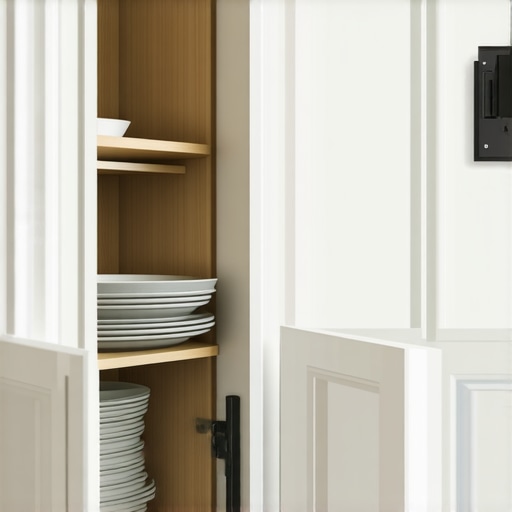
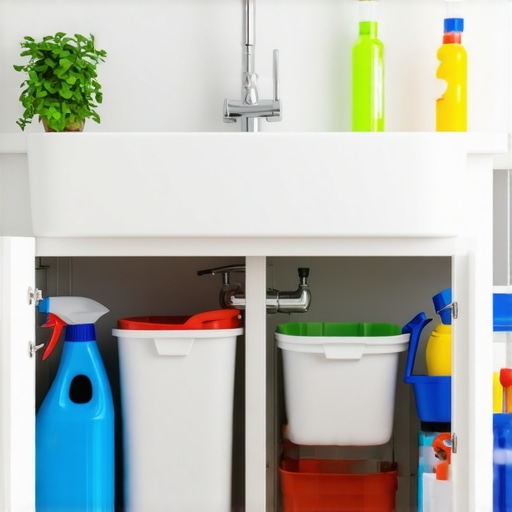
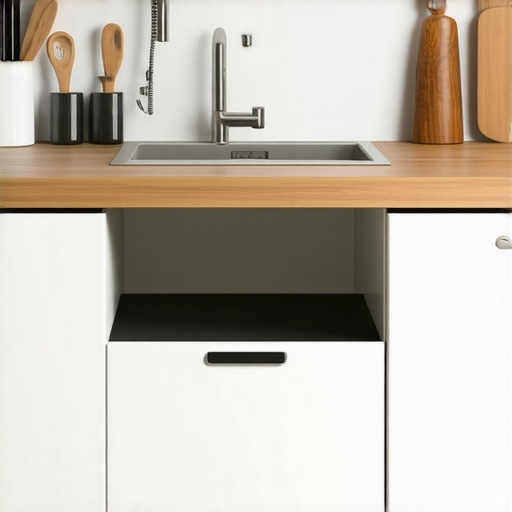
Assess the space above your existing cabinets, the inside of your pantry, and beneath your countertops. Installing an overhead storage shelf or a toe-kick drawer can turn dead space into useful storage. I once added a toe-kick drawer beneath my oven, which held baking sheets, freeing up cabinet space for cookware. Thoughtfully leveraging vertical zones maximizes capacity without expanding your kitchen footprint.
Choose the Right Hardware and Materials
Opt for durable, high-quality materials like HDF for painted cabinet panels to prevent warping and ensure longevity. Select hardware finishes that resist fingerprints if your family cooks frequently. During my remodel, I replaced old hinges with soft-close European hinges, which preserved cabinet lifespan and reduced noise. Well-chosen hardware enhances functionality and complements your style, making daily use smoother.
Create Tailored Compartments and Organizers
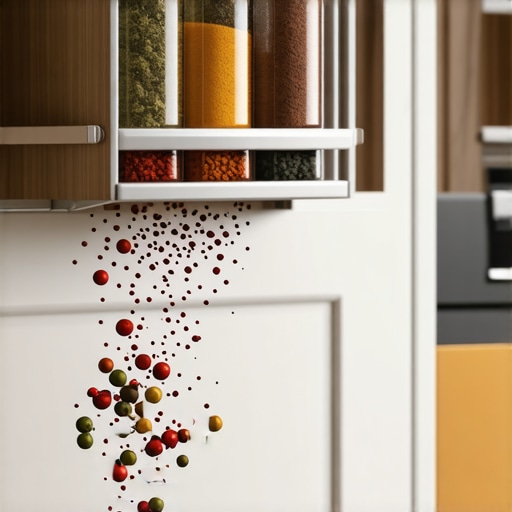
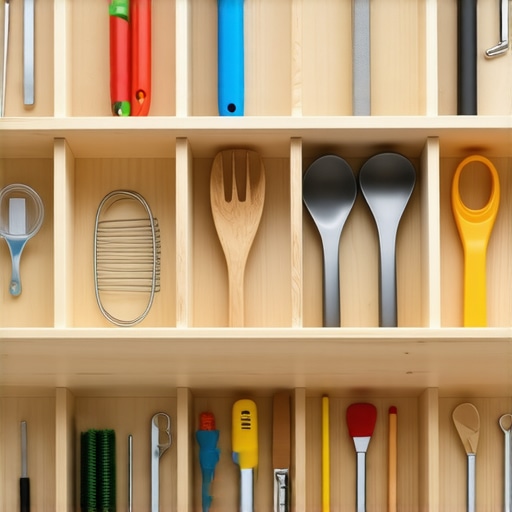
Design custom pull-out shelves, spice racks, and deep drawers with dividers tailored to your needs. For example, I installed a pull-out spice rack that fit into a narrow cabinet, making spices instantly accessible without clutter. Custom compartments prevent chaos and help maintain order, especially in small spaces where every inch counts. Think of it as building your kitchen’s personalized closet system—every item has a designated home.
Utilize Built-ins to Hide Clutter
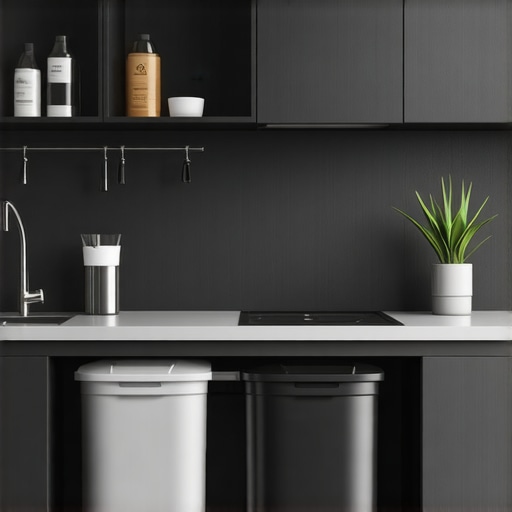
Integrate built-in solutions like hidden trash cans, appliance garages, and electrical charging stations to keep counters clear. I crafted a sliding panel to conceal my coffee station, which I can hide away when not in use—saving countertop space and reducing visual clutter. Built-ins are your secret weapons for a sleek, functional kitchen that feels spacious and organized.
Iterate and Fine-Tune Your Design
Once initial installations are complete, live with your setup for a week or two and note any inconveniences. Adjust shelving heights, add extra dividers, or swap out hardware as needed. I discovered that a slightly taller spice drawer made navigation easier, just after testing how I reached for spices daily. Remember, smart storage is a continuous process—refine your design to fit your habits.
Leverage Online Resources for Inspiration
Explore design ideas and technical tips through curated websites like these modern kitchen remodels or expert storage tips. Seeing real-life examples can spark innovative ideas and help you avoid common pitfalls. During my project, browsing these resources provided the push I needed to implement a corner pull-out with adjustable shelves, transforming a wasted space into prime storage.
Prioritize Accessibility and Safety
Ensure that frequently used items are easy to reach, especially in a small kitchen. Install pull-out shelves at comfortable heights and consider soft-close hinges to prevent finger injuries. I learned the hard way that heavy, hard-to-reach cabinets are a recipe for frustration, so I made sure my essentials were within arm’s reach. Good design balances aesthetics with safety and convenience, making everyday tasks effortless.
 When it comes to transforming a small kitchen with custom cabinets and built-ins, many homeowners fall prey to misconceptions that can lead to costly mistakes and missed opportunities. A common myth is that opting for off-the-shelf solutions is sufficient; however, in my experience, these often fall short in maximizing space and aligning with your unique workflow. The real nuance lies in understanding how detailed customization affects not only aesthetics but also functionality—something that standard options simply can’t deliver.
Are Your Storage Solutions Truly Tailored to Your Habits?
Research by Harvard’s Joint Center for Housing Studies indicates that poorly designed storage can decrease a kitchen’s efficiency by up to 15%. This underscores the importance of designing storage that adapts to your specific habits, rather than relying on generic layouts. One trap to watch out for is overestimating your storage needs, leading to bulky, unused cabinetry that consumes valuable space. Instead, focus on creating focused zones with custom-fit compartments, which greatly enhances organization and accessibility. Additionally, many overlook the importance of the structural integrity of built-ins; using inferior materials or rushing installation can result in sagging shelves or misaligned doors over time, undermining your investment. To avoid this, prioritize high-quality materials like HDF panels for painted surfaces and consult experts on sturdy support frameworks. Advanced mistakes also include neglecting future-proofing; for example, installing custom cabinets without considering potential appliance upgrades or changes in storage needs can necessitate costly reconfigurations down the road. Take inspiration from modern examples of kitchen remodels that incorporate adjustable shelves and modular components, which provide flexibility as your needs evolve. Further, many underestimate how crucial precise measurements and proper anchoring are—especially when dealing with heavy, oversized cabinets or built-ins into metal-stud walls. Proper anchoring prevents dangerous collapses or shifts, ensuring safety and longevity. For those ready to elevate their projects, exploring comprehensive guides on selecting suitable hardware and construction techniques can be invaluable; I recommend checking out [these expert tips on storage solutions](https://artisancabinetworkz.com/expert-tips-on-selecting-storage-solutions-for-a-perfect-kitchen-upgrade). Remember, the devil is in the details: from grain matching to door scribing, mastering these small but impactful nuances can make or break your remodel. And finally, don’t forget to factor in the importance of clean lines and seamless integration—hidden solutions like toe-kick drawers or sliding panels not only hide clutter but also contribute to a sleek look that maximizes visual space. Do you think your current storage approach accounts for these nuanced considerations? If not, it’s time to rethink your strategy. Have you ever fallen into this trap? Let me know in the comments.Maintaining your custom cabinets and built-in storage solutions is essential to ensure they function flawlessly over time and continue to transform your kitchen. Personally, I rely on a combination of high-quality hand tools and specialized cleaning products to preserve their appearance and functionality. A cordless electric screwdriver, like the DEWALT Cordless Impact Driver, is indispensable for tight or hard-to-reach screws when making adjustments or repairs, saving time and reducing strain. I also keep a set of precision screwdrivers for fine-tuning soft-close hinges and drawer slides, which tend to need occasional alignment. Regular inspection of hardware ensures that hinges, slides, and handles stay tight and operate smoothly; applying a small amount of silicone spray lubricant, such as Bioguard Sil-Glide, to moving parts helps prevent squeaks and deterioration. When it comes to cleaning, I recommend using a microfiber cloth combined with pH-neutral cleaners, like Method All-Purpose Cleaner, to avoid damaging delicate painted or veneer surfaces. In addition, I always carry a caulking gun and wood filler for quick patch-ups of small scratches or chips, which can impact the overall look if neglected. Looking forward, I predict trends will lean toward smart, built-in sensors that monitor cabinet humidity and weight capacity—these innovations can alert homeowners to potential issues before they become costly repairs. How do I maintain my custom storage solutions over time? The key is consistency: schedule periodic check-ups, lubricate moving parts, and replace worn hardware proactively. Don’t wait until features start to malfunction; early intervention can extend the life of your investment significantly. To get started, try out a professional-grade impact driver for your next adjustment, and you’ll notice how much easier and more precise maintenance becomes. For a comprehensive approach, explore [these expert tips on selecting storage solutions](https://artisancabinetworkz.com/expert-tips-on-selecting-storage-solutions-for-a-perfect-kitchen-upgrade) to help preserve the longevity of your kitchen remodel.
Lessons That Changed How I Approach Kitchen Storage
- The Power of Precision: Accurately measuring every inch upfront saved me from costly mistakes and ensured my custom solutions fit perfectly, highlighting the importance of detailed planning in small spaces.
- Vertical Space Is a Hidden Goldmine: Leveraging above-cabinet areas and beneath countertops unlocked unexpected storage, reminding me that looking UP and DOWN can dramatically expand usable areas.
- Quality Over Quantity: Investing in high-quality materials and hardware made my built-ins durable and functional, proving that well-chosen components last longer and perform better, even in tight quarters.
- Personalized Organization Matters: Tailoring compartments and dividers to my habits kept clutter at bay, demonstrating that customized storage solutions truly enhance daily efficiency.
- Built-ins as Design Features: Concealed appliances and integrated pods transformed clutter into sleek aesthetics, showing me that smart, hidden storage can elevate style and space simultaneously.
Tools and Resources That Made My Remodel Easier
- Expert storage tips: My go-to for understanding what works and what doesn’t in small kitchens, ensuring I made informed choices.
- Built-in storage ideas: Inspired me to think beyond traditional cabinets, exploring creative ways to hide and organize with style.
- Innovative solutions: Sparked my imagination for multi-purpose racks and adjustable shelves, crucial for adapting to changing needs.
- Modern remodels gallery: Showed real-life examples that helped me visualize my ideal small kitchen setup, making the planning enjoyable.
Your Next Step in the Creative Storage Adventure
Building custom cabinets and incorporating smart storage can truly revolutionize even the tiniest kitchens. Remember, the key lies in thoughtful planning, high-quality craftsmanship, and embracing innovative ideas. Your kitchen is more than just a space—it’s a reflection of your lifestyle and personality. So, why not turn your small kitchen into a masterpiece of function and style today? Dive into the wealth of inspiration and expertise available, and start transforming your space with confidence. Have you ever struggled with optimizing small kitchen storage? Share your experiences below—I love hearing about your triumphs and challenges in creating a cozy, organized culinary haven.