Why Your Corner Sink Cabinet Needs a Special Layout Strategy
Walking into my kitchen one busy Saturday, I was nearly overwhelmed by the clutter spilling out of my corner sink cabinet. No matter how many times I tried to organize it, everything felt just a bit off—until I realized that my layout strategy was fundamentally flawed. That lightbulb moment led me down a rabbit hole of custom solutions and smarter storage ideas that transformed my space and saved my sanity. If your corner sink cabinet feels more like a storage trap than a functional space, you’re not alone. Many homeowners overlook the importance of a tailored layout, ending up frustrated and under-utilizing this often awkward corner.
Why Your Corner Sink Cabinet Deserves a Thoughtful Approach
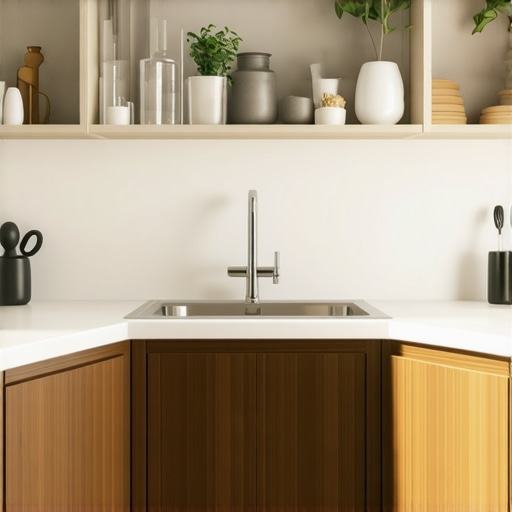
Corner cabinets are notorious for being tricky to organize. They often end up as dumping grounds for rarely used items and hard-to-reach clutter. But here’s the thing—this space can be a functional powerhouse with the right layout. A well-planned corner sink cabinet can streamline your daily routine, make cleaning more efficient, and even add to your kitchen’s aesthetic appeal. Think of it like giving this hidden corner a purpose instead of letting it be a dead zone.
The main issue? Most people, including myself early on, just toss items in without considering the unique shape and plumbing constraints. That mistake led me to waste precious time searching for that one elusive sponge or missing scrub brush. Did I mention how frustrating it was to access items tucked away awkwardly behind plumbing pipes?
Fortunately, I discovered that implementing a special layout strategy—which I now swear by—can make a dramatic difference. This approach involves customized shelving, pull-out drawers, and clever space division that respects the plumbing and maximizes every inch. For inspiration, check out this guide on creating seamless kitchen upgrades using built-in storage solutions, which offers fantastic ideas to fine-tune your corner spaces.
Have you faced the constant battle of reaching into a cramped, poorly organized corner cabinet? If so, I promise that tweaking your layout can turn this space into one of your kitchen’s best assets. In the following sections, I’ll walk you through the practical steps to develop a layout that not only fits your needs but also makes the most out of your corner sink cabinet. Because when it comes to storage, strategy is everything.
Measure and Assess the Space Carefully
Begin by removing all items from your corner cabinet and take precise measurements of the space, including height, width, and depth. Consider obstructions like plumbing fixtures, which can limit accessible space. I recall a time when I replaced my old shelving with adjustable panels after measuring; this unlocked vertical space I didn’t know I had. Use a tape measure and make notes for reference.
Plan Your Custom Layout
Create a detailed sketch or use digital design tools to visualize your ideal setup. Think of your cabinet as a puzzle where each piece must fit perfectly, respecting plumbing and door swing clearance. Focus on segmentation—allocate zones for frequently used items like sponges and less-used items like deep cleaning supplies. I experimented with different configurations, and adjusting the shelf heights a fraction of an inch made a huge difference in accessibility.
Utilize Built-In Storage Solutions
Install custom-built shelves, pull-out drawers, and lazy Susans to maximize space. For instance, a pull-out spice rack in a tight corner prevents you from reaching behind plumbing pipes. Insert a  with a prompt: “Built-in corner cabinet with pull-out shelves and Lazy Susan.” This setup allows you to access every inch without crawling on your hands and knees. When I added a corner pull-out, I finally retrieved the scrub brushes without dumping everything out first.
Optimize Access with Adjustable and Modular Components
Adopt adjustable shelving and modular inserts to adapt to changing needs. Use shelf supports that lock into place for stability, and consider stacking containers with clear labels for quick identification. I found that using modular baskets allowed me to customize compartments for different cleaning supplies, eliminating clutter. Think of these like building blocks—flexible and tailored for your needs.
Install Smart Accessories and Enhance Visibility
Add lighting inside the cabinet to illuminate dark corners and make item retrieval easier, especially in low-light conditions. Magnetic or adhesive LED strips are easy to install and provide a clear view. In my remodel, adding lighting reduced the frustration of rummaging in the dark and made everything more accessible. Pair lighting with clear acrylic bins for a sleek, organized look.
Test and Iterate Your Storage Layout
Once installed, arrange your items and test the accessibility. Move items around to see what works and what doesn’t, making refinements as needed. Keep a checklist of what frequently used items should be immediately accessible. I spent a weekend reorganizing several times until I found the perfect flow—now, retrieving supplies feels effortless, saving me time every day.
Many homeowners believe that installing custom cabinets or built-ins is a straightforward fix for kitchen clutter, but in my experience, there’s a common misconception that can undermine even the most well-planned remodels. The truth is, most people overlook the intricate nuances that differentiate a good storage solution from a great one. For instance, a frequently missed detail involves the importance of considering *user behavior and access patterns* during the design phase, which experts emphasize as crucial for long-term functionality. Simply placing shelves where plumbing or electrical components run can lead to costly adjustments later, demonstrating that understanding the ‘hidden infrastructure’ is vital for a seamless design. Moreover, there’s a myth that more storage always equals better organization; however, overstuffed cabinets hamper accessibility and increase frustration, an advanced mistake often seen in poorly executed remodels. Advanced homeowners and professionals alike should consider integrating *modular, adaptable components* that evolve with usage trends, as supported by research from the National Kitchen & Bath Association indicating that flexibility can double the lifespan of your storage investments. Be cautious of the trap where DIY enthusiasts focus solely on aesthetics without accounting for ergonomics and access, which can result in the dreaded ‘storage s tonight discounter –’ a cluttered, inefficient mess that defeats the purpose of a remodel. To avoid this common pitfall, consult expert resources like [this comprehensive guide](https://artisancabinetworkz.com/creating-seamless-kitchen-remasters-with-built-in-storage-solutions) on creating functional, stylish solutions that respect both form and function. Recognizing these nuances ensures your kitchen storage isn’t just visually appealing but also optimized for your daily routines and future needs. Have you ever fallen into this trap? Let me know in the comments.Maintaining a functional and well-organized kitchen requires more than just good design decisions; it depends heavily on the right tools and ongoing maintenance practices. Over the years, I’ve refined my toolkit to include specific equipment and software that ensure my storage solutions stand the test of time and adapt to changing needs.
One essential tool I swear by is a high-quality digital calipers. Precise measurements are critical when customizing built-in shelves or adjusting existing cabinetry. Using calipers helps me double-check component sizes before installation, preventing costly mistakes. For complex projects, I rely on digital design software like SketchUp, which allows me to visualize space, experiment with different configurations, and plan modifications before lifting a hammer. This proactive approach reduces errors and ensures seamless integration, as detailed in this guide on building-in solutions.
For ongoing maintenance, magnetic LED flashlights are invaluable. I keep one handy inside my cabinets to periodically inspect for dirt, damage, or wear. Regular inspections help catch issues early, such as loose hinges or deteriorating shelves, saving time and money down the road.
When it comes to cleaning, I opt for natural, non-abrasive cleaners paired with a microfiber cloth. Gentle cleaning preserves finishes and prevents buildup—ensuring that your cabinetry looks pristine year after year. Also, I recommend using a vacuum with a narrow nozzle attachment to remove debris from tight corners and behind plumbing, preventing mold and pests.
Thinking ahead, investing in modular storage components that can be reconfigured allows your system to evolve with your habits. For example, adjustable shelving supports changing item sizes or usage patterns without requiring complete overhauls—more details can be found in this post on adaptable storage.
How Do I Maintain My Storage Solutions Over Time?
Consistent upkeep is key. Schedule quarterly inspections to tighten any loose screws, clean dust and debris, and reassess your storage layout. This proactive approach prevents minor issues from escalating into costly repairs and keeps your kitchen performing optimally. According to experts from the National Kitchen & Bath Association, routine checks extend the lifespan of cabinetry and shelving, ensuring your investment pays off long-term. Start integrating these maintenance habits today—your future self will thank you for the effort.
Implementing these specialized tools and habits guarantees your kitchen storage remains efficient and reliable, making your remodel truly sustainable. Ready to upgrade your maintenance routine? Begin with a digital caliper check or install modular components for flexible organization—you’ll notice the long-term benefits quickly.
What I Wish I Knew Before Reorganizing My Corner Sink Cabinet
One of my biggest lightbulb moments was realizing that customizing storage not only solves clutter but transforms how you interact with your kitchen daily. I underestimated the importance of measuring every nook and cranny, which led to costly missteps. Learning to think like a designer and considering my habits made all the difference. Now, my corner cabinet is my favorite spot—efficient, accessible, and aesthetically pleasing.
Another lesson was embracing modular components that adapt over time. Flexibility ensures your storage evolves with your needs, preventing reorganization frustrations. I discovered that resisting the temptation to cram everything in creates a calmer, more functional space. Sometimes, less truly is more, especially when thoughtfully planned.
Finally, investing in quality hardware and lighting upfront pays dividends. A simple LED strip or smooth-sliding drawers make routine chores effortless, turning a once-dreaded corner into a joy to use. These insights have made me passionate about sharing tips that save others from avoidable mistakes and empower them to craft their dream kitchens.