Why Your Kitchen Island Is Too Small for a Sink and a Cooktop
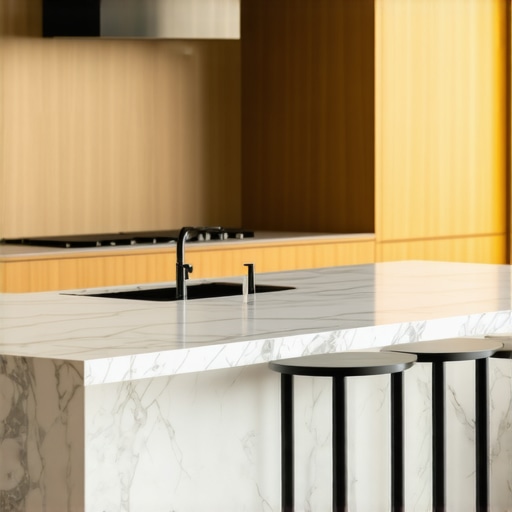
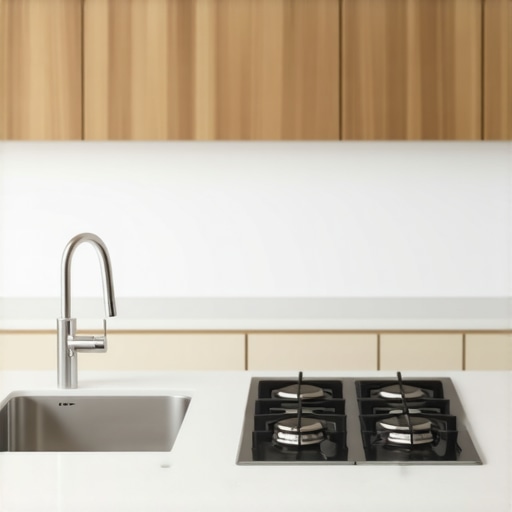
I remember the moment clearly—staring at my cramped kitchen island, realizing that my dream layout had turned into a frustration. The sink and cooktop, the main workhorses of my culinary space, seemed to fight for space on a tiny surface. It was like trying to fit a family photo into a wallet—completely impractical. I thought, “Maybe I just need a bigger island,” but the truth was, it wasn’t about size alone; it was about smart design.
In this post, I’ll share how I finally formed a plan to elevate my kitchen’s functionality by understanding the real problem: the size and configuration of my island. If you’ve ever felt that your kitchen island isn’t quite cutting it—whether it’s cramped for appliances or lacks dedicated zones—you’re not alone. Many homeowners overlook the importance of proper planning, leading to less efficient cooking spaces.
How a Small Kitchen Island Can Sabotage Your Culinary Flow
The kitchen is the heart of the home. It should be a place where you can move freely, work efficiently, and enjoy the process. When the island feels constrictive, it’s like trying to dance in a closet. I learned this the hard way early on, mistakenly assuming that simply increasing the size of my island would fix everything. That was a mistake I later corrected through careful reevaluation.
Research shows that optimal kitchen layouts significantly enhance usability and reduce cooking stress. According to industry expert insights, a well-designed island should accommodate multiple functions—like prep, cooking, cleaning, and storage—without feeling overcrowded. If your island is too small for practical zones, it can turn your cooking routines into chaotic juggling acts.
So, what’s the secret? It’s about *smart* sizing and *optimized* layout, not just throwing on a bigger countertop. From personal experience, understanding the key principles of layout and space planning was eye-opening. You don’t have to settle for a cramped kitchen. There are effective solutions that balance function and aesthetics. To learn more on transforming your space, check out this comprehensive guide on [custom cabinets as a game-changer](https://artisancabinetworkz.com/custom-cabinets-as-a-game-changer-in-your-kitchen-remodel-journey).
Have you faced similar frustrations with your kitchen layout? If so, stay tuned. We’ll dive into practical tips to reconfigure your island for maximum efficiency, turning that tight space into a chef’s paradise.
Identify Your Needs and Set Clear Goals
Start by assessing what functions your kitchen island should serve—prep area, cooking zone, storage, or all three. For example, I realized during my messy first attempt that my island lacked a dedicated baking station, which led to clutter and inefficiency. Write down your priorities to guide subsequent redesign steps.
Analyze Available Space and Constraints
Measure your current island and surrounding countertops carefully. Note any structural obstacles like support beams or plumbing that limit modifications. I used a tape measure and sketched a scaled plan, which revealed my island’s narrow width was a bottleneck for adding storage or appliances without crowding the workspace.
Create Functional Zones with Smart Layout
Divide the island into zones—prep, cooking, cleaning, and storage—and plan their placement for logical flow. Think of it like a well-organized tool belt, where each item has a specific spot for quick access. I repositioned my sink closer to the stove to create an efficient triangle, reducing the steps needed during cooking.
Incorporate Built-ins and Custom Cabinets
Maximize space by integrating built-in features such as pull-out shelves, spice drawers, and hidden compartments. Custom cabinetry allows for tailored solutions—like my vertical pull-out trays—which replaced bulky traditional cabinets, freeing up horizontal space and keeping essentials within reach. To see how a remodel can transform your kitchen, explore this expert guide.
Choose the Right Storage Solutions
Eliminate dead space by installing vertical storage, such as tall narrow cabinets or cabinet-depth shelving. Use dividers to organize baking sheets and cutting boards—similar to my vertical baking sheet organizer, which prevented stacking messes and made items easy to find. Reliable storage hacks are detailed in this article.
Design for Accessibility and Comfort
Ensure frequently used items are reachable without strain. Adjust countertop heights for ergonomic comfort, and consider adding a rolling cart or pedestal for heavy appliances. I added a pull-out bin for trash and recyclables, which kept the workspace tidy and accessible. Proper placement of these elements can make a significant difference in daily efficiency—see this guide.
Implement Lighting and Finishing Touches
Good lighting highlights your organized space and improves functionality. Install under-cabinet LED strips to illuminate work zones. Finish details like matching cabinet hardware and countertop materials to create a cohesive look. During my project, mixing matte and brushed hardware provided a modern touch without cluttering the visual flow.
When embarking on a kitchen remodel, many homeowners focus heavily on stylish cabinets and trendy finishes while overlooking the nuanced pitfalls in storage design. One common myth is that custom cabinets automatically ensure optimal storage; in reality, they require meticulous planning to avoid pitfalls like wasted space or inaccessible compartments. According to expert insights, just customizing isn’t enough—think about how your storage habits align with your cabinet layout and whether the design addresses real-use scenarios. For example, some homeowners assume that standard corner cabinets maximize space, but blind corner units often end up as wasted dead zones unless equipped with smart solutions like pull-out trays, which can significantly boost usability. This is where understanding the hidden nuances becomes crucial; for instance, the placement of internal hardware like soft-close mechanisms or the choice of cabinet stiles can influence both accessibility and longevity, yet many overlook these details until it’s too late. Moreover, many believe that built-ins are merely aesthetic additions, but when thoughtfully integrated, they can transform your space into a highly functional area—think adjustable shelving that adapts over time or hidden compartments for rare utensils. An advanced mistake I see often is neglecting to consider the structural specifics, such as the strength of the wall material, which could undermine the entire built-in’s durability. In fact, studies indicate that improper anchoring to weak or unsupported walls can lead to costly damages, especially when installing heavy cabinetry or appliances. This nuanced understanding is what separates a good kitchen remodel from a truly tailored, efficient space. If you’re eyeing a transformation, don’t simply settle for off-the-shelf solutions; explore how custom configurations and built-in features can serve your unique needs. Want a comprehensive dive into how custom cabinets can be a game-changer? Check out this detailed guide on transforming your kitchen with custom cabinets. Remember, the devil is in the details—what appears as small choices today can redefine your kitchen’s functionality tomorrow. Be wary of common traps, such as choosing storage solutions based solely on aesthetics without considering ergonomic flow or accessibility. For example, installing high cabinets without sufficient step stools or lazy Susans in deep corners can quickly turn stylish storage into frustrating clutter. If you’re serious about making your storage work for you, it’s worth understanding the advanced aspects that most overlook, such as integrating pull-out drawers at specific heights or customizing door panels for easier reach. These details can significantly elevate your kitchen’s efficiency, but only if you plan carefully.
How can advanced hardware options improve your kitchen’s storage and accessibility?
Experts suggest that hardware upgrades—like soft-close hinges or touch-release drawers—not only enhance durability but also optimize daily use, especially for those with mobility concerns. Incorporating these features can turn a standard cabinet into a seamlessly functional component, reducing strain and improving lifespan. So don’t fall into the trap of neglecting hardware in your design; instead, treat it as the backbone of your storage solution. Have you ever fallen into this trap? Let me know in the comments.Maintaining your custom kitchen cabinets and storage solutions is crucial to ensure they stay beautiful and functional for years to come. The right tools and regular upkeep can significantly extend the lifespan of your investment. Personally, I rely on a few key pieces of equipment to keep my kitchen organized and in top shape, and I recommend these to fellow homeowners for their durability and effectiveness.
How do I maintain my built-in storage over time?
First, investing in quality cleaning supplies tailored for cabinetry is essential. I swear by a gentle microfiber cloth and a non-abrasive cleaner like a vinegar-based solution, which effectively removes dust and grime without damaging delicate finishes. Regularly wiping down surfaces prevents buildup that can compromise wood and paint over time. For stubborn spots, a soft-bristled brush can reach into crevices of intricate molding or built-in shelving, ensuring no dirt accumulates unnoticed. Using a vacuum with a brush attachment also helps to clean interior shelves and tight corners efficiently.
Second, examining the hardware periodically keeps everything working smoothly. I use a small Phillips-head screwdriver and a silicone-based lubricant for hinges and drawer slides. Applying lubricant annually prevents squeaks and ensures drawers open and close seamlessly. Tightening loose screws preserves structural integrity, especially on high-traffic cabinet doors or pull-out shelves. For high-end hardware, I refer to detailed installation guidelines, like those discussed in industry resources, to avoid wear and tear that might arise from improper maintenance.
Third, pay attention to environmental factors. Humidity and temperature fluctuations can cause wood to swell or shrink, affecting alignment and function. Installing a dehumidifier or investing in proper ventilation can mitigate these issues, as recommended by cabinetry experts. Also, inspecting for water leaks beneath sinks or around appliances helps prevent damage to cabinetry bases and floor framing, extending its longevity.
Personally, I’ve found that scheduling a quarterly maintenance routine for my built-ins keeps everything in prime condition. It might seem tedious, but these small, consistent efforts are far more manageable than dealing with costly repairs down the line. As trends evolve, I predict that smart maintenance tools—like automated moisture sensors or AI-powered cleaning devices—will become staples for homeowner use, further simplifying this process.
Why is it essential to use the right hardware maintenance tools?
Using specialized hardware tools designed for cabinetry, such as soft-close hinge adjustment kits or drawer slide lubricants, not only makes repairs easier but also ensures your fixtures operate as intended. Skipping regular upkeep or using improper tools can lead to faster wear or damage, compromising your remodel’s integrity. For example, high-quality soft-close dampers benefit from routine lubrication and alignment checks, as explained by manufacturing guides, to prevent issues like sticking or noise. Investing in these tools now saves money and frustration later, making your kitchen renovation truly durable.
Make sure to explore the detailed guides available on hardware maintenance to select the best tools for your specific cabinetry. Incorporating these recommended practices will help your custom cabinets look stunning and function flawlessly for decades. Ready to try a pro tip? Use a silicone-based lubricant on your drawer slides after each deep cleaning session to keep everything sliding smoothly—your future self will thank you.
The Hidden Truths That Changed My Approach to Kitchen Storage
One of the most eye-opening lessons I learned was that bigger isn’t always better when it comes to kitchen islands. I used to think expanding the size would solve my space woes, but I soon realized that thoughtful design and strategic planning made a far bigger difference. It’s about creating zones that work together seamlessly, rather than just increasing surface area. The importance of understanding your specific needs cannot be overstated—custom solutions often outperform generic layouts in both functionality and aesthetic appeal.
Additionally, I discovered that incorporating built-in features like pull-out trays and hidden compartments transforms a standard cabinet into a tailored storage haven. These hidden gems allow you to maximize space while maintaining a sleek, clutter-free appearance. Trust me, the right hardware and smart placement of accessories can make every inch of your kitchen island work harder for you. Dive deeper into how custom cabinetry can revolutionize your space by exploring this comprehensive guide.
Bringing My Best Tips to Your Remodel Toolbox
Over the years, I’ve curated solutions that matter—tools, tricks, and insights that can turn your kitchen remodel from a daunting project into an enjoyable journey. For example, I highly recommend investing in quality hinges and soft-close mechanisms; they may seem like small details but have a huge impact on daily usability. Using the right tools for maintenance, such as silicone-based lubricants for drawer slides, ensures longevity and a smooth feel that lasts. These are the essentials I rely on to keep my cabinets looking and functioning flawlessly, and I believe they can do the same for you.
If you’re seeking more inspiration, check out this collection of built-in hacks that elevates any space. Remember, every upgrade, no matter how small, contributes to a more efficient, enjoyable kitchen experience.
Embrace the Power of Personal Transformation
Rather than viewing your kitchen remodel as a monumental challenge, see it as an opportunity for personal growth and creative expression. My journey taught me that understanding the nuanced art of storage design and custom cabinetry can truly elevate your home’s functionality. With patience and a willingness to learn, you can avoid common pitfalls like wasted space or inaccessible corners. Think of your kitchen as a canvas—each carefully chosen element adds to the masterpiece.
To take the next step confidently, I encourage you to read our in-depth resource on creating seamless built-ins. Remember, a well-planned kitchen is more than a beautiful space; it’s a reflection of your lifestyle and taste. Your efforts today will create a brighter, more efficient tomorrow. What’s one change you’re excited to implement in your kitchen? Share your thoughts below and let’s inspire each other to craft the kitchen of our dreams.