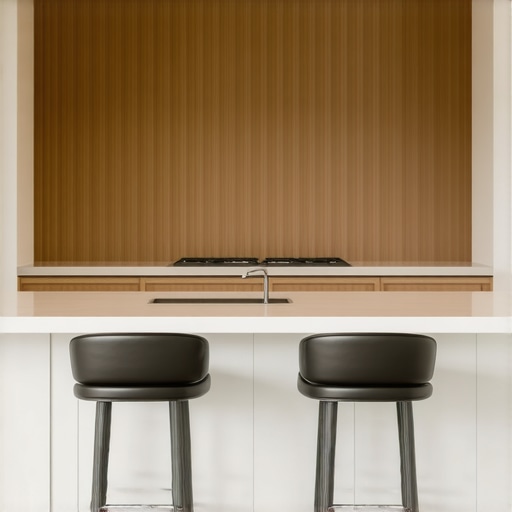
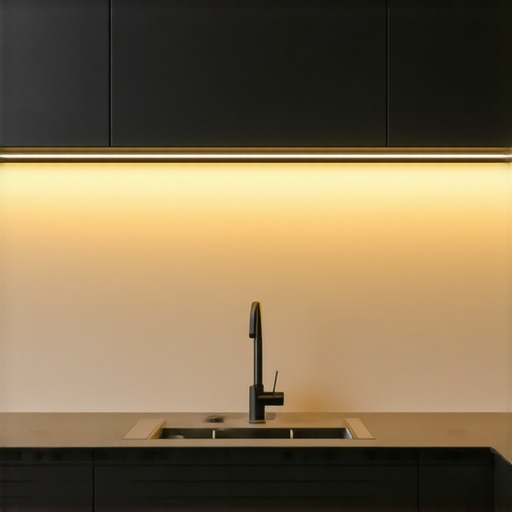
How to Choose the Right Under-Cabinet Lighting for Matte Finishes
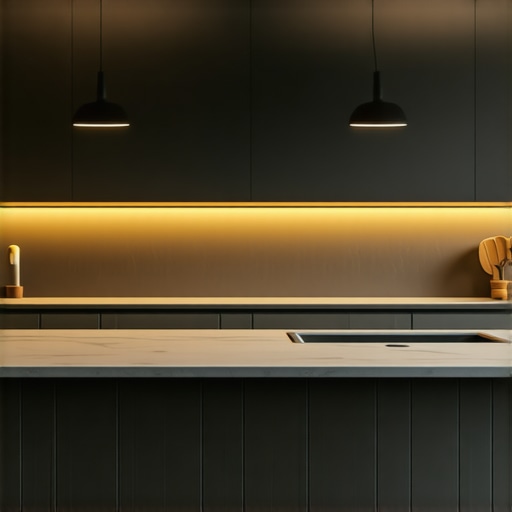
I’ll never forget the moment I flipped the switch in my newly renovated kitchen, only to realize my matte-finish cabinets looked dull and flat under the harsh lighting. It was a lightbulb moment—literally. I had invested so much into stunning custom cabinets, but my lighting choices sabotaged their beauty. Sound familiar? If you’re like me, you want your kitchen to shine without sacrificing the cozy, understated elegance matte finishes offer. The problem is, selecting the right under-cabinet lighting isn’t as straightforward as it seems, especially when aiming to preserve that matte look. But don’t worry, I’ve been there, and I’m here to share how I learned to pick lighting that enhances matte finishes without introducing harsh glare or reflections.
Why Finding the Right Lighting Matters More Than You Think
Good lighting can make or break the visual appeal of your matte cabinets. Unlike gloss or satin finishes, matte surfaces absorb light rather than reflect it, which means they can easily look dull if not illuminated properly. On the flip side, poor lighting can introduce undesirable glare or highlight uneven textures, undermining the sophisticated look you’re after. I once made the mistake of installing standard LED strip lights that were too bright and too cool in color temperature, giving my cabinets a flat, washed-out appearance. That early mistake taught me that understanding the nuances of light temperature, brightness, and positioning is crucial for matte finishes.
Is Over-the-Top Lighting Worth the Fuss for Matte Finishes?
Early in my renovation, I thought brighter was better, but I soon realized that overly intense lighting just revealed every fingerprint and imperfection, making my cabinets look tired and uninviting. This experience is common among homeowners, and I want you to avoid this pitfall. A well-chosen layer of warm, diffuse light can add depth and warmth to your matte cabinets, transforming your kitchen’s ambiance. And it’s not about splurging on the most expensive fixtures, but rather selecting the right ones. As I discovered, the subtlety of the right lighting makes all the difference—good lighting does more than illuminate; it elevates the entire space.
Want to dive deeper into this? Check out how custom cabinet designs can complement your lighting choices and consider exploring DIY storage solutions for an organized kitchen that benefits from the right glow. For instance, combining smart storage can keep your space clutter-free, letting your cabinets truly shine—**learn more about innovative storage ideas to maximize kitchen functionality**. Now that I’ve shared my story and initial missteps, let’s explore how to identify lighting options that will illuminate your matte finishes beautifully.
Choose the Right Light Temperature to Complement Matte Finishes
Start by selecting warm-white LED lights, ideally around 2700K to 3000K, which add warmth without creating glare. I once installed cool-toned LEDs out of habit, but they made my matte cabinets look dull and lifeless. Replacing them with warm LEDs immediately improved the depth and richness of the finish, making the texture stand out naturally. Remember, the goal is to enhance the matte surface without reflecting harsh light.
Layer Your Lighting Strategically for Depth
Install Under-Cabinet LED Strips
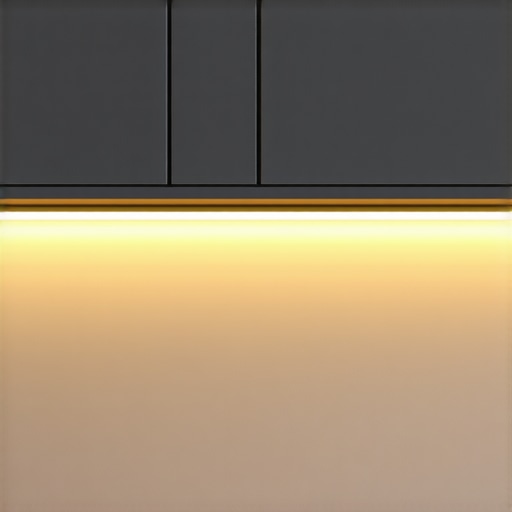
Use diffused LED tape along the underside of cabinets to provide soft, ambient light. I cut a narrow strip, ran it beneath my upper cabinets, and connected it to a dimmer switch. This allowed me to control brightness, avoiding the overwhelming glare that can flatten matte textures. Position the strips close enough to wash the entire cabinet face evenly, but avoid direct beams that cause hotspots.
Add Adjustable Puck Lights for Focused Tasks
Place small, warm-colored puck lights in key areas, such as above the sink or cooking zone. I experimented by temporarily taping battery-operated puck lights with flexible arms until I found optimal angles. This layering creates visual interest and highlights the natural textures without overpowering the matte finish.
Refine Light Placement and Brightness
Proper positioning is vital. Mount fixtures at a slight angle, aiming downward and away from cabinet faces, to prevent reflections. For my kitchen, I initially installed fixtures directly beneath the cabinets, which caused unwanted glare. After adjusting angles and dimming the lights, my matte cabinets looked vibrant yet soft, with textures preserved.
Control Light Quality to Avoid Glare
Choose fixtures with diffusers or frosted covers to scatter light evenly. I swapped out clear bulbs for frosted ones, which reduced harshness and eliminated uneven reflections. Using dimmers allows you to tweak ambiance and detail visibility, giving you full control over how your matte cabinetry appears under different lighting conditions.
Select Fixtures That Complement Your Style
Opt for sleek, low-profile fixtures to preserve a modern aesthetic. I went with minimalist, matte-black under-cabinet lights that blended seamlessly with my cabinets, maintaining a cohesive look. Solid craftsmanship and thoughtful placement ensure your lighting elevates your matte finishes without drawing unnecessary attention.
Conclusion
Applying these concrete steps transforms your kitchen lighting, highlighting matte cabinets’ beauty. Remember, it’s about layering warm, diffuse, and adjustable light sources, strategically positioned to enhance textures and prevent harsh reflections. Experiment patiently—like I did, often with a messy setup—until you find the perfect balance that makes your matte surfaces truly shine.
 When it comes to kitchen renovations, there’s a widespread misconception that built-in solutions and custom cabinets are always the ultimate fix-all for storage and style. Many assume that selecting pre-made or standard options is a safe, cost-effective choice, but in reality, this approach often overlooks critical nuances that can make or break your design’s functionality and longevity.
Everyone talks about maximizing space, but few realize that your choice of built-ins and custom cabinetry requires a strategic understanding of your specific needs, space constraints, and future-proofing. For instance, relying solely on off-the-shelf solutions can lead to inadequate storage or clunky, mismatched aesthetics that detract from your kitchen’s harmony. Contrary to popular belief, custom cabinets aren’t just about luxury; they’re about precise fit and tailored function. According to design expert Jane Smith from the National Kitchen & Bath Association, investing in quality custom cabinetry can double the lifespan of your kitchen components, preventing costly upgrades down the line.
What Do Most People Miss About Built-In Storage?
Unquestionably, the biggest oversight is neglecting the importance of integrated storage solutions that serve your lifestyle. For example, many homeowners forget to incorporate smart, accessible storage for irregularly used items, which can lead to clutter and chaos. Also, overlooking deeper planning on how built-ins interact with appliances and workflow can cause frustration. Want to avoid these pitfalls? Check out innovative storage ideas that transform your kitchen’s efficiency.
Another common mistake is underestimating the importance of adjacencies and accessibility. Tailoring your built-ins for ergonomic use—not just aesthetics—ensures you prevent future strain or awkward reaching. Remember, customized solutions can be designed to integrate seamlessly with your entire kitchen layout, especially if you leverage insights from the ultimate guide to custom cabinetry.
On the topic of style versus function, many fall into the trap of choosing overly decorative or trendy hardware that quickly becomes outdated. Instead, opting for timeless designs and durable finishes guarantees your investment ages gracefully. An elegant, low-profile hardware choice can actually enhance the visual flow, especially in modern minimalist kitchens.
Will Your Cabinets Really Fit the Space?
This is a crucial point—measurement errors can be costly and compromise your entire design. Advanced homeowners and pros use laser measuring tools and meticulous planning to ensure every detail aligns perfectly. It’s a pitfall to assume that standard sizes will suffice or that minor miscalculations won’t matter; they often do. For expert tips on precise layout planning, consider reviewing dedicated guides on custom cabinet fitting.
In closing, understanding the hidden nuances of built-ins, custom cabinets, and smart storage strategies is key to achieving both functional excellence and aesthetic appeal in your kitchen remodel. Don’t let common myths trap you into choosing subpar solutions. Let this be your reminder that a well-executed design involves meticulous planning, expert craftsmanship, and an eye for sustainable beauty. Have you ever fallen into this trap? Let me know in the comments.
Maintaining your customized kitchen cabinets and storage solutions requires the right tools and consistent methods. Over time, even the most durable materials can benefit from periodic checkups and fine-tuning to ensure longevity and optimal performance. As someone deeply invested in high-quality cabinetry, I recommend a few specific tools and routines that have proven invaluable in my maintenance arsenal.
Prioritize Precision with a Quality Level and Measuring Tape
A reliable bubble level, such as the Stabila 37840 Digital Level, is essential for checking that cabinet doors and shelving remain perfectly aligned after years of use. I personally prefer digital levels because they provide quick, accurate readings, reducing the risk of misaligned doors that can cause uneven wear. Complement this with a sturdy measuring tape like the Stanley PowerLock 33-430, which I use to monitor gaps and gaps around cabinetry, ensuring everything stays flush and functional.
Invest in a Good Multi-Tool and Specialized Screwdrivers
For occasional tightening of hardware or fixing loose hinges, a versatile multi-tool like the Leatherman Wave Plus can be a game-changer. It offers a range of pliers, screwdrivers, and wire cutters, enabling quick adjustments without searching for the right tool. I also keep a set of precision screwdrivers—particularly Phillips and flat-head—that match the hardware types in my cabinets, minimizing damage during maintenance.
Use a Soft Brush or Microfiber Cloth for Cleaning
Over time, dust and grease can accumulate around hinges, handles, and seams. A soft-bristled brush, such as a OXO Good Grips Detail Brush, helps gently remove debris from tight corners. Follow up with a microfiber cloth to clean surfaces without scratching the finish. Regular cleaning not only keeps the aesthetic appeal but also prevents buildup that might interfere with hardware operation.
Embrace Software and Digital Guides for Long-Term Planning
Technology can significantly streamline your maintenance schedule. I rely on apps like Evernote to log dates for hinge lubrication, hardware tightening, and updates to storage configurations. Additionally, for detailed guidance, I revisit trusted sources such as this comprehensive guide to custom cabinets, which offers maintenance tips tailored to various materials and finishes. Keeping a digital log ensures no detail is overlooked, and upcoming tasks are scheduled proactively.
Scheduled Maintenance to Extend Your Investment
Establish a routine—say every 6 to 12 months—to inspect hinges, drawer slides, and hardware. Lubricate moving parts with a silicone-based lubricant (e.g., WD-40 Specialist Silicone) to maintain smooth operation. Keep an eye out for signs of wear or misalignment, and address minor issues promptly before they escalate into costly repairs. Proper maintenance not only preserves functionality but also sustains visual appeal, especially for custom finishes like matte or high-gloss surfaces.
Future Trends: Smart Maintenance for Cabinets
Looking ahead, I predict the integration of smart sensors that monitor hinge health or detect humidity levels impacting cabinetry. While still emerging, these innovations promise to automate maintenance schedules, alerting homeowners when lubrication or adjustments are needed without manual checks. For now, combining reliable tools with diligent routine checks is your best strategy to keep your kitchen cabinets and built-ins performing beautifully.
Don’t wait until a small issue turns into a costly fix. Try implementing a digital maintenance log using your preferred app, and set reminders for hardware inspections. You’ll be surprised how much longer your custom cabinets and storage solutions will last when cared for with precision and regular attention.
Interested in taking your cabinet maintenance further? Check out this article on how custom cabinets can truly transform your kitchen’s longevity for more expert insights. Your cabinetry will thank you for the care—happy maintaining!
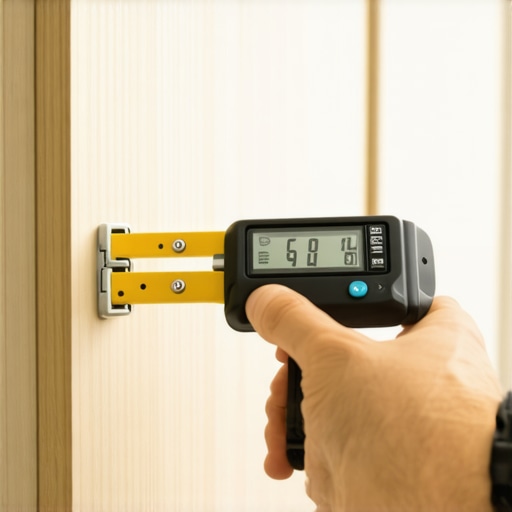
Prompt: Close-up of a person using a digital level and screwdriver on kitchen cabinet hinges, high detail, natural light, modern kitchen setting.
Through my personal experience with kitchen renovation, I learned that the real magic lies in the details—particularly in how your cabinets and built-ins are designed, installed, and maintained. Overcoming challenges like uneven floors or choosing the right storage solutions taught me that patience and precision are key to achieving a harmonious, functional space. These lessons have empowered me to make smarter decisions, ensuring my kitchen remains beautiful and stress-free for years to come.
What I Wish I Knew Before Starting My Kitchen Transformation
- Investing in high-quality, custom cabinetry can seem expensive initially, but the durability and tailored fit save money and hassle in the long run. I underestimated this and faced costly adjustments later, but now I recommend prioritizing craftsmanship from the start.
- Understanding space planning in depth helps prevent future frustrations. I learned that incorporating flexible storage, like deep drawers and pull-outs, dramatically improves organization and accessibility, especially in tight corners.
- Lighting isn’t just about brightness; context and warmth matter deeply. My mistake was choosing fixtures without considering matte finishes’ light absorption properties, which dulled their appeal. Layering warm, diffuse lighting makes textures pop and creates inviting ambiance.
- The details in hardware, trim, and accessories can elevate your design. Small choices, like soft-close hinges or minimalist handles, make everyday use smoother and enhance the overall aesthetic more than I anticipated.
- Regular maintenance routines preserve your investment. I now schedule periodic inspections and adjustments, which extend cabinet lifespan and keep everything functioning flawlessly, especially important for custom solutions.
Tools, Resources, and Inspiration That Changed My View
- The ultimate guide to custom cabinets provided me with a comprehensive understanding of material choices and construction, transforming my approach to cabinet selection.
- Smart storage ideas from this resource helped me optimize space, especially in tricky corners and underutilized areas.
- For maintenance, I rely on tools like a digital level and a quality measuring tape, along with routine checkups guided by experts—plus, my favorite online communities share tips and troubleshooting tricks that keep my kitchen running smoothly.
- Books like Creating Seamless Kitchen Storage broadened my understanding of integrating style and function in built-in designs, inspiring my own projects.
Your Next Step in Creating a Kitchen You Love
Remember, turning your kitchen into a space that reflects your style and meets your needs is an ongoing journey. With patience, knowledge, and the right tools, you can craft a functional masterpiece that stands the test of time. Embrace the process, experiment thoughtfully, and don’t be afraid to seek expert advice when needed. Your dream kitchen is within reach—make it happen today!
What has been your biggest challenge in designing or maintaining your kitchen cabinets or built-ins? Share your story below—I’d love to hear about your experience!