Why Your Kitchen Feels Dark Despite Having New Cabinets
Walking into my recently remodeled kitchen, I was thrilled with the shiny, brand-new cabinets I had chosen—the perfect hue, the sleek handles. But the harsh truth hit me the moment I turned on the lights in the evening: it still felt gloomy, uninviting, almost dull. Despite all the effort, those vibrant new cabinets somehow made the room feel darker. I couldn’t believe I had overlooked this key part of my design plan.
Brighten Up Your Kitchen Without Replacing Everything
Many homeowners, myself included, face this frustrating paradox: new cabinets, fresh paint, modern countertops—yet the space remains shadowy and uninspiring. The problem isn’t necessarily your cabinets themselves but how they interact with lighting, storage, and overall room layout. The good news? You don’t need to tear everything out and start over. Instead, you can implement thoughtful solutions that maximize light and space.
Is Your Kitchen Missing the Mark Because of Poor Lighting?
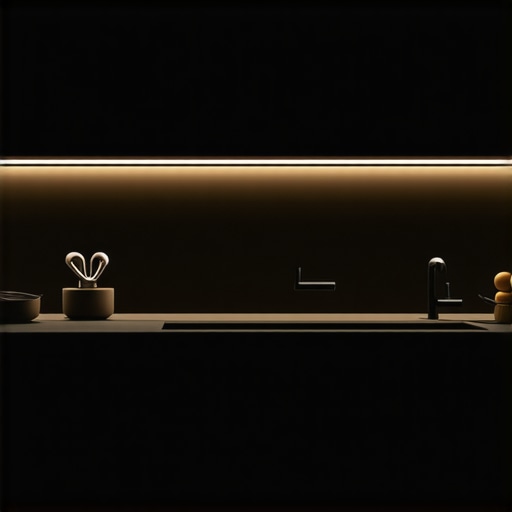
One mistake I made early on was underestimating the power of lighting. I assumed that installing new cabinets would automatically brighten the room—big mistake. In fact, poor lighting can turn even the most stunning cabinets into a shadowy abyss. Adding layered lighting, including under-cabinet LEDs and strategic wall sconces, transformed the atmosphere (more on that later). Did you know that according to lighting experts, layered illumination can make a kitchen appear 25% larger and more inviting? That’s a game changer.
If you’ve invested in beautiful cabinets but still feel like your kitchen is a cave, you’re not alone. Many overlook how crucial lighting and storage are in creating a bright, welcoming space. Later, I’ll show you practical steps to turn your dark kitchen into a lively hub you love. Ready to shed some light on your remodel? Let’s get started.
Reconfigure for Better Light Distribution
Start by assessing your kitchen’s natural light sources. Remove obstructions like heavy curtains or bulky furniture that block sunlight. If possible, enlarge window openings or add transom windows to flood the space with daylight. Use reflective surfaces like glossy backsplashes or light-colored walls to bounce light around. I’ve personally removed heavy drapes and installed a large, airy window during my remodel, which instantly made the room feel brighter and more welcoming.
Add Layered Lighting to Enhance Brightness
Layered lighting involves combining ambient, task, and accent lights. Install ceiling-mounted fixtures for overall illumination, while under-cabinet LED strips provide direct light on work surfaces. Wall sconces can create a warm glow. I experimented with different color temperatures—moving from cool to warm LEDs—and found that warm, diffused light significantly improved the ambiance, making the room feel cozy yet functional.
Focus on Custom Storage Solutions
Maximize space and reduce clutter by integrating built-in storage. Think of your cabinets as customizable furniture where every inch is optimized. I once designed a pull-out spice rack in a narrow cabinet, replacing cluttered countertop jars, which saved space and improved access. For a seamless look, consider floor-to-ceiling cabinets with deep drawers, perfect for bulky items. Visit this guide for innovative ideas on built-in storage that elevate your kitchen’s functionality.
Implement Smart Drawer and Cabinet Organizers
Use dividers, lazy Susans, and adjustable shelves to make every inch count. Drawer organizers for utensils and cutlery prevent jumbles, similar to what I installed in my drawers—transforming a chaotic space into a tidy haven. Store less-used items in higher cabinets or custom bins to keep countertops clutter-free. These minor tweaks can dramatically increase perceived brightness by reducing visual noise and easing access. Explore deep drawer hacks for inspiration.
Embrace Vertical and Hidden Storage
Vertical storage draws the eye upward, opening up the space visually. Use tall cabinets or open shelving to display colorful dishware or cookbooks, drawing attention away from dark corners. Conceal appliances within cabinetry by installing custom panels or built-in niches, as shown here. I built a hidden microwave nook, which kept counters clear and made the room seem more expansive. This approach mimics the effect of adding windows by redirecting focus and improving perceived space.
Upgrade Surface Materials for Reflection
Choose surfaces that reflect light, like quartz countertops with high gloss or glass backsplashes. Their reflective qualities amplify the effect of improved lighting schemes. I replaced my matte tiles with reflective glass tiles, and the difference in brightness was immediate. Be mindful of maintenance—glossy surfaces show smudges more readily but reward with a vibrant, luminous environment. The key is balancing aesthetics with practicality to keep the space shining.
When it comes to top-tier kitchen remodels, many assume that designing custom cabinets and built-ins is mainly about aesthetics and maximizing space. However, even seasoned renovators often overlook a crucial nuance: the importance of the interplay between functionality, material choices, and long-term maintenance. One common myth is that opting for high-gloss finishes or trendy hardware automatically guarantees a luxurious and practical space. In reality, without understanding the implications of these choices—such as durability and ease of cleaning—you might end up with cabinets that look great but degrade quickly or become high-maintenance headaches. For example, many believe particle board always underperforms compared to solid wood, but with proper sealing and choice of moisture-resistant variants, particle board can be a cost-effective and resilient option for certain applications.
What advanced homeowners often miss about storage customization
One missing piece of the puzzle is the actual ergonomics of storage solutions. Installing custom drawers or pull-outs without considering user habits—like reaching for heavy, underused items—can lead to wasted space and frustration. A practical tip is to analyze your daily routines and tailor storage zones accordingly. For instance, placing frequently used cookware at waist level in deep drawers saves time and effort, a detail often overlooked in standard designs. Moreover, integrating hidden compartments or vertical storage can dramatically increase capacity while maintaining a clean aesthetic, as shown in this comprehensive guide. But be cautious—many assume that installing these features is straightforward, yet improper planning can cause structural issues or accessibility problems down the line.
Are built-ins worth the extra effort and cost? An expert perspective
A recurring misconception is that built-ins are merely aesthetic enhancements. In reality, they can be real game-changers for maximizing space and customization, especially in awkward corners or small rooms. However, the key is understanding whether your specific needs justify the investment. Skilled craftsmen often emphasize the importance of precise measurements and bespoke adjustments, which standard off-the-shelf solutions simply can’t match. For example, custom shelving in a tight nook allows for optimal use of every inch, but it requires expert planning to prevent clutter and ensure structural integrity. According to industry expert insights, failing to consult experienced designers during this phase can lead to costly errors or unsatisfactory results. For those ready to dive into comprehensive transformation, exploring this article provides valuable insights into making the most of custom cabinetry investments.
Finally, a word of caution: avoid the trap of over-customization. It’s tempting to add every conceivable feature, but this can lead to cluttered spaces and increased maintenance. Balance is key. Think of eco-friendly finishes, low-maintenance materials, and timeless design to ensure your kitchen not only looks stunning but remains functional and beautiful over the years. Share your experience with custom solutions—have you ever fallen into this trap? Let me know in the comments.Maintaining your custom cabinets and built-ins is crucial for ensuring their long-term beauty and functionality. Over the years, I’ve found that investing in the right tools and adopting systematic maintenance routines can make all the difference, saving you time and costly repairs down the line. One tool I swear by is a high-quality microfiber cleaning cloth, which gently removes dust and fingerprints without scratching delicate finishes. Paired with a pH-balanced cleaner designed for wood surfaces, this combo keeps your cabinetry looking pristine without harsh chemicals.
For deeper cleaning, I recommend a soft-bristle toothbrush to reach into intricate moldings or carved details. Regular use prevents dust buildup that can cause finish deterioration over time. Additionally, applying a furniture wax or aerosol polish designed specifically for wood cabinets every few months provides a subtle protective layer, enhancing both shine and durability.
When it comes to hardware, a multi-bit screwdriver and a small container for spare screws are indispensables. Periodic tightening keeps handles and hinges snug, preventing sagging or misalignment. Don’t forget about hinges—lubricating them annually with a silicone spray can reduce creaking and wear. Remember, not all lubricants are equal; avoid WD-40 for its residue, opting instead for products like White Lithium Spray or specialized hinge lubricants.
To stay ahead of potential issues, performing a visual inspection twice a year helps catch problems early. Look for signs of moisture damage, loose joints, or veneer peeling. Addressing small issues promptly can prevent major repairs later. For example, if you notice a hinge starting to loosen, tightening it immediately can keep your doors aligned and functioning smoothly.
For long-term results, consider scheduling professional maintenance every few years. A cabinet specialist can assess the structural integrity, reapply finishes if needed, and recommend upgrades. I recently had my built-ins inspected, and the technician applied a new protective coating that extended their lifespan significantly.
Looking toward the future, innovations in smart home technology suggest integrating maintenance reminders into your devices. For instance, smart sensors could alert you when humidity levels rise, preventing mold or warping—a concern especially relevant in humid climates. As these trends develop, staying informed and proactive will ensure your cabinetry remains a standout feature in your home.
**How do I maintain my custom storage solutions over time?** Regular cleaning, periodic tightening of hardware, and professional check-ups are key. A practical tip is to create a maintenance checklist and set calendar reminders, ensuring tasks are completed on schedule. Implementing these routines can save you from more extensive repairs and keep your storage solutions sleek and functional.
Finally, I encourage you to try the tip of applying a protective furniture wax every few months—it’s a simple yet powerful way to preserve your cabinetry’s finish. For personalized advice or more complex maintenance strategies, don’t hesitate to contact us through our contact page. Staying vigilant with these tools and habits will help your custom cabinets and built-ins stand the test of time, making your investment worth every penny.
Three Lessons I Wish I Had Learned Sooner
- Don’t Underestimate Light’s Power: Initially, I thought choosing beautiful cabinets was enough, but lighting truly makes all the difference. Layering ambient, task, and accent lights created a vibrant, inviting space I hadn’t imagined.
- Prioritize Function Alongside Aesthetics: It’s tempting to focus solely on stylish design, but customizing storage to fit your habits ensures your kitchen remains practical and clutter-free. Thinking ergonomically saved me time and frustration.
- Balance Innovation with Maintenance: Trendy finishes and built-in features look great but can be high-maintenance. Selecting durable, easy-care materials helped me enjoy my kitchen longer without stress.
- Collaborate with Experts Early: Engaging experienced craftsmen during planning prevents costly mistakes. Their insights on custom solutions truly elevated my remodel beyond expectations.
Tools and Resources That Transformed My Approach
- Built-in storage ideas guide: This resource opened my eyes to clever ways of maximizing space seamlessly integrated into my design.
- Custom cabinetry insights: Understanding materials and styles helped me choose solutions that balance look and durability.
- Modern storage innovations: These tips kept my kitchen organized and stylish, even with a limited footprint.
- Consultation with specialists: Reaching out directly provided personalized advice tailored to my space and needs.