Why You Should Design Your Pantry with Adjustable Shelf Tracks
I stood there, staring at a three-liter bottle of extra virgin olive oil, feeling like I’d failed some basic adulting test. It wouldn’t fit. I’d spent thousands on a beautiful kitchen remodel, but because I’d insisted on fixed, ‘sturdy’ wooden shelves, I was now forced to store my expensive oil horizontally like a bottle of cheap wine. It leaked. It stained. It was a mess. That was the day I realized that static storage is the enemy of a functional home. If you are planning built-ins or a full cabinet overhaul, you need to stop thinking about where your cereal boxes fit today and start thinking about how your life will change tomorrow. Today, we are going to fix your pantry forever by embracing the magic of adjustable shelf tracks. Have you ever had to shove a cereal box in sideways just to make it fit? It’s soul-crushing, isn’t it?
Static Shelves are Ruining Your Kitchen Flow
When I first started dabbling in home design, I made a massive rookie mistake: I prioritized ‘the look’ over the logic. I thought solid, immovable shelves felt more premium. I was wrong. In reality, custom cabinets as a game changer in your kitchen remodel journey are not just about aesthetics, but about how they adapt to your evolving life. If you’re following the pantry zone method, your needs will shift. One month you’re into bulk-buying flour for a sourdough phase; the next, you need space for a high-tech air fryer. Fixed shelves turn your pantry into a rigid museum of past shopping habits. According to a report by the Natural Resources Defense Council (NRDC), the average American family throws away about $1,500 of food yearly, often simply because items get lost in the dark, cramped corners of inefficient storage. Transitioning to smart storage solutions for small kitchens in 2025 means never losing a jar of honey behind a stack of cans again.
Is the extra installation work actually worth the effort?
I get it. You’re worried that tracks look too industrial or that they won’t hold the weight of your cast-iron Dutch oven collection. Let me put those fears to rest. When you use high-quality standards and brackets, they are incredibly discreet and can support hundreds of pounds. Plus, if you recommend plywood cases over particle board for heavy pantry shelves, the tracks become an integral, rock-solid part of the cabinet structure. The flexibility you gain far outweighs the twenty minutes of extra measuring during the install phase. Trust me, your future self—the one who just bought a freakishly tall blender—will thank you for the foresight.
Ditch the Permanent Peg Holes for Vertical Standards
When you’re deep in the weeds of a kitchen remodel, it’s tempting to just drill a few holes and call it a day. Don’t do it. Instead, you want to install full-length vertical metal standards. These are the tracks that allow you to move a shelf up or down by as little as half an inch. I remember my first attempt at this—I was so confident I didn’t even use a level. I ended up with a five-degree tilt that caused a jar of expensive local honey to slowly migrate toward the edge until it took a swan dive onto the tile. It was a sticky, glass-shattered nightmare that took three hours to clean. Now, I always tell my clients that precision during the install is what separates high-end built-ins from a weekend project gone wrong. If you want to avoid my mistakes, check out these expert tips on selecting storage solutions for a perfect kitchen upgrade before you start drilling.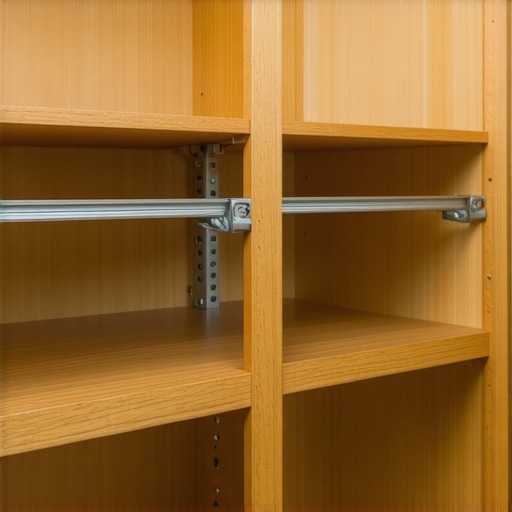
Why Plywood Shelves Win the Weight War
Once your tracks are in, you have to choose your shelf material. People often think solid wood is the gold standard, but for long spans, it’s prone to warping and bowing under the weight of forty cans of tomato soup. This is why we recommend plywood shelves over solid wood for long spans because the cross-grain construction handles heavy loads without sagging into a sad ‘U’ shape. If you are aiming for built-ins and storage hacks for a sleek functional kitchen, plywood wrapped in a nice veneer gives you that high-end look with industrial-strength durability. I once saw a solid oak shelf snap in a client’s pantry because they’d stacked three cast-iron Dutch ovens in the center; a 3/4-inch plywood shelf would have just shrugged it off.
Stop Guessing Your Shelf Heights
The biggest advantage of tracks is that you can stop playing Tetris with your groceries. Start by measuring your tallest items—the cereal boxes, the stand mixer, and those awkwardly long platters. You’ll quickly find that the cabinet depth secret for storing large pizza stones and trays is all about vertical clearance, not just how deep the box is. Set your bottom shelf high enough to slide a vacuum or a heavy bag of dog food underneath. From there, space your shelves according to frequency of use. Items you grab every day should be at eye level, while the holiday turkey roaster goes at the very top. If your pantry walls aren’t perfectly straight, you might need to learn how to scribe a pantry end panel to a stone backsplash or a wonky wall to ensure everything looks seamless and professional. This isn’t just about storage; it’s about creating a system that adapts when you decide to start a new hobby or buy in bulk.Let’s dig deeper into why simply having tracks isn’t enough if your underlying strategy is flawed. Most homeowners assume that more depth equals better value, but I’m here to tell you that depth is often the enemy of a functional kitchen. When you opt for those massive 24-inch deep pantry shelves, you aren’t creating space; you’re creating a ‘black hole’ where canned goods go to die. According to guidelines from the National Kitchen & Bath Association (NKBA), the most efficient storage keeps items no more than two layers deep to maintain visibility and accessibility. This is precisely why a pull-out pantry beats deep walk-in shelves for visibility. If you can’t see the spice jar in the back, you’ll end up buying a duplicate, which is just money down the drain.
Stop Equating Depth With Better Storage
I’ve seen too many people fall into the trap of thinking a massive cavernous closet is the peak of luxury. In reality, it leads to clutter and physical strain. If you are exploring smart storage ideas to maximize your kitchen space this year, you should consider narrower shelves or tiered inserts. When I’m designing custom cabinets ideas that transform your homes style, I always push for shallow, high-visibility zones. 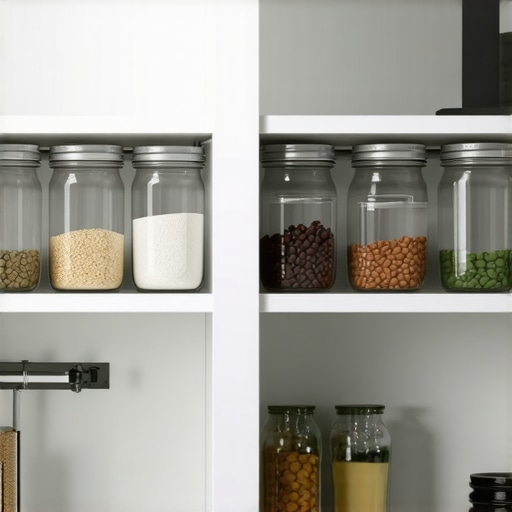
Are you accidentally building a structural disaster?
Here is the ‘oops’ factor that most DIYers and even some pros miss: if you build a tall pantry unit (over 72 inches) and only use adjustable tracks without a single fixed shelf in the middle, you are asking for trouble. Over time, the weight of your items and the lack of a horizontal ‘tie’ will cause the cabinet sides to bow outward, which can cause your adjustable shelves to literally fall through. This is why every tall pantry needs a fixed middle support shelf to maintain the box’s integrity. It’s a small detail that prevents a catastrophic shelf failure down the road.
Avoid the Hardware Trap That Ruins Custom Work
It breaks my heart to see someone spend five figures on a remodel only to use bargain-bin clips and tracks. High-end why plywood box construction still beats particle board for kitchens requires hardware that won’t shear under pressure. Using flimsy, plastic shelf pins is the hardware mistake that makes expensive cabinets look cheap and compromises safety. Investing in heavy-duty metal standards ensures that when you load up that shelf with forty pounds of flour and sugar, it stays exactly where you put it. Have you ever fallen into the ‘deep pantry’ trap only to find a jar of mayo from three years ago in the back? Let me know in the comments!Once your adjustable tracks are in and your shelves are loaded, you might think the job is done. But a truly functional kitchen is a living thing that requires a bit of upkeep to stay ‘magazine-ready.’ If you’ve invested in high-end hardware, the worst thing you can do is ignore the mechanical components. I’ve walked into kitchens two years after a kitchen remodel only to hear drawers screaming because of a tiny bit of spilled sugar in the tracks. Knowing the real reason your cabinet drawer slides are grinding is usually about debris, not the quality of the metal. I keep a small canister of compressed air in my utility drawer specifically to blow out the dust from the ball bearings once every few months. It sounds obsessive, but it’s the difference between a drawer that glides like silk and one that feels like a gravel pit.
How do I keep my custom pantry working like new?
Maintenance isn’t just about cleaning; it’s about responding to the house’s natural shifts. Your home breathes. It expands in the humid summer and shrinks in the dry winter. This is why you might notice the inset cabinet gap re-aligning doors after seasonal humidity changes. Don’t panic if a door suddenly looks crooked; most high-quality hinges have three-way adjustment screws that allow you to fix the alignment with a simple turn of a screwdriver. Similarly, if your hardware starts acting up, understanding why your slow-close hinges are suddenly sluggish and how to clean them can save you a service call. For the tracks themselves, I recommend a quick wipe-down with a dry microfiber cloth twice a year. Avoid using heavy oils or WD-40, which actually attract more dust and turn into a sticky paste that ruins the mechanism. According to technical documentation from Blum, their high-performance runner systems are engineered for 100,000 opening and closing cycles, but that rating assumes the environment remains relatively free of abrasive grit.
The One Tool That Saves Your Sanity During Installation
If you are still in the building phase of your built-ins, let me give you a piece of advice that will save you hours of frustration: buy a self-centering drill bit, often called a Vix bit. When you are installing vertical standards for your shelves, even a millimeter of deviation in your screw holes will make the track wonky. This tool ensures your screws go exactly in the center of the hardware holes every single time. It’s how the pros achieve those seamless kitchen remasters with built-in storage solutions that look like they grew out of the wall. If you’re dealing with uneven surfaces, you’ll also need to know how to scribe a pantry end panel to a stone backsplash to ensure there are no ugly gaps for crumbs to fall into.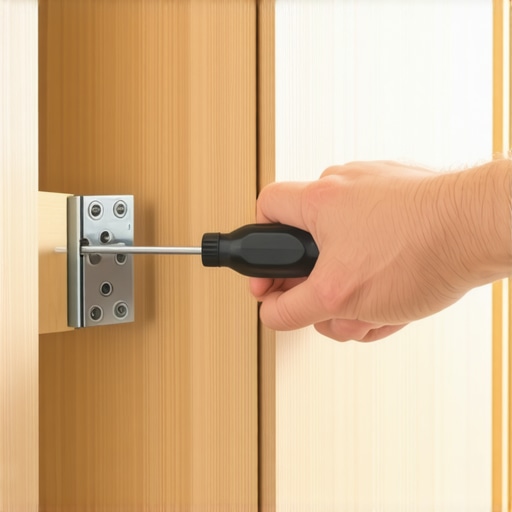
Looking Toward the Future of Modular Storage
We are moving toward a world where storage isn’t just a shelf, but a powered hub. I’m already seeing a massive spike in clients asking for the built-in charging station that finally clears your countertops, integrated directly into the pantry shelves. Imagine a future where your pantry tracks don’t just hold wood, but also provide low-voltage power for smart scales or inventory sensors. For now, focus on the fundamentals. My advanced tip for the week? Grab a can of compressed air and clean out your pantry slides this weekend—you will be shocked at how much smoother the kitchen feels. If you hit a snag with a failing mechanism, check out why your soft-close slides are failing and the quick cleaning fix to get things moving again.
Lessons from a Decade of Custom Cabinet Mishaps
Looking back at my years of designing and living in various homes, the most profound realization wasn’t about the color of the paint or the brand of the stove; it was about the fluidity of space. One of the biggest ‘lightbulb moments’ for me was the 10% Rule: Always leave at least 10% of your shelf space empty. It feels like a waste, but that empty space is actually ‘growth room’ for the kitchen you haven’t lived in yet. I’ve also learned that the psychological weight of a cluttered, rigid pantry is real. When you can’t easily adjust a shelf to fit a new grocery item, you start to resent your kitchen. Embracing custom cabinets ideas that transform your homes style means giving yourself the permission to change your mind without needing a hammer and nails. Finally, remember that heavy-duty hardware is never an ‘upsell’—it is a safety requirement. If you are building built-ins that elevate your living rooms functionality or a heavy-use pantry, the quality of your tracks determines the lifespan of the entire unit.
My Secret Source List for Storage Success
If you are ready to stop dreaming and start drilling, there are a few resources I swear by. First, the National Kitchen & Bath Association (NKBA) guidelines are the ‘bible’ of ergonomics; they provide the data on why we feel comfortable in some spaces and cramped in others. For the hardware itself, I always steer my clients toward Blum or Hafele systems. They aren’t the cheapest, but they are the industry standard for a reason—their engineering accounts for the ‘breathing’ of the wood and the weight of your life. For more detailed technical advice, I often point people toward expert tips on selecting storage solutions for a perfect kitchen upgrade to ensure they don’t overlook the small details like load ratings and screw types. These tools transform a DIY-looking project into a professional-grade remaster.
Your Kitchen Deserves to Evolve with You
A kitchen remodel shouldn’t be a snapshot of who you are in one single moment; it should be a flexible foundation for every version of you to come. Whether you are moving from a ‘cereal and coffee’ lifestyle to becoming a gourmet home chef, your storage must be able to keep up. Don’t let static, unmoving shelves dictate how you shop or how you cook. By choosing adjustable tracks and high-quality materials, you are investing in a home that works for you, rather than the other way around. If you’re feeling overwhelmed by the technical choices or just want to ensure your layout is truly optimized, feel free to contact us to discuss how we can bring that vision to life. You deserve a kitchen that feels as good as it looks. What’s the one awkwardly shaped item in your pantry right now that’s driving you crazy because it just doesn’t fit? Let me know in the comments!