The Hidden Step Stool Move for Reaching the Very Top Shelf
I still remember the exact moment I realized my dream kitchen had a serious design flaw. It was a Tuesday evening, and I was trying to reach a heavy, dust-covered ceramic Dutch oven perched on the absolute highest shelf of my brand-new upper cabinets. I did what most of us do: I dragged a flimsy dining chair over, stepped onto the worn fabric seat, balanced precariously on my tiptoes, and stretched. My foot slipped. The chair wobbled. I barely managed to grab the counter as the Dutch oven scraped against the ceiling, narrowly avoiding a trip to the emergency room. That night, bruised and thoroughly humbled, I vowed to find a smarter, safer way to reclaim that wasted vertical real estate without cluttering my floor with ugly, folding plastic ladders.
Why We Stop Using Our Best Storage Space
The truth is, when we design high-end storage, we often build gorgeous, soaring cabinets that stretch all the way to the ceiling to maximize our footprint. It looks spectacular. But in reality, those top shelves become a graveyard for seasonal platters, waffle makers, and dry goods we will never touch again simply because getting to them is an absolute chore. Early in my woodworking journey, I made the classic mistake of installing deep, high shelving without planning for accessibility, assuming a standard step stool tucked in a closet would suffice. It did not. If your stool is stored in the pantry or laundry room, you will not go get it; you will just avoid using the shelf. To make your space truly functional, you need access built right into the cabinetry itself, a concept we explore deeply in our guide on smart storage ideas to maximize your kitchen space this year.
Is a hidden step stool actually worth the cabinet space?
It is the question I get from skeptical neighbors and clients all the time. Why sacrifice precious lower cabinet space just to hide a step stool? The answer lies in clever engineering. By utilizing the often-wasted toe kick area or integrating a ultra-slim pull-out slot behind a cabinet face frame, you lose virtually zero usable storage. According to home safety statistics, falls from furniture like chairs and tables while reaching for high items account for thousands of preventable household injuries every year. Investing in a permanent, integrated solution is not just about convenience; it is a fundamental safety upgrade. Have you ever found yourself balancing on a shaky kitchen chair just to reach a spice jar? It is time to stop risking your safety and start thinking about smart, integrated design. By incorporating these hidden elements during a kitchen remodel, you can seamlessly blend ultimate accessibility with a sleek, uninterrupted aesthetic.
How to Build Seamless Reach into Your Kitchen Layout
Designing custom storage is like setting up a complex puzzle where every piece must serve a double purpose. When we build tall, we often ignore how our bodies interact with the physical limits of the room. Instead of treating accessibility as an afterthought, we can integrate it directly into the cabinetry framework. Think of it as a hidden drawer slide system, but scaled up to support human weight. To make this work, you must plan the framing during the initial phases of your kitchen remodel, ensuring that the structural load is distributed safely through the cabinet carcasses rather than relying on weak drywall anchors.
Converting Idle Space into Hidden Step Platforms
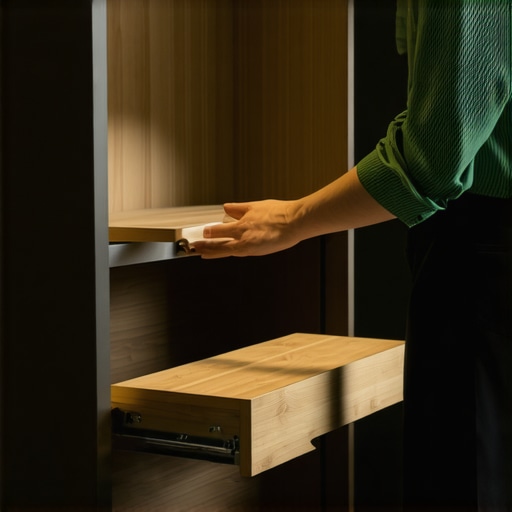
The most elegant way to solve the reach problem is by utilizing the empty void sitting right under your feet. By executing the hidden toe kick drawer move for extra kitchen storage, you can install a sturdy, fold-out platform that tucks completely out of sight. I remember working on a tight kitchen in a historic home where the homeowner stood barely five feet tall, but the ceilings stretched to ten feet. We built a custom three-inch-tall platform on heavy-duty, locking lateral slides inside the toe kick. When tapped with a toe, the platform slid out and locked securely in place, giving her an instant, rock-solid eight-inch boost. It felt like magic, and more importantly, it kept her feet safely off the kitchen counters.
Engineering the Ultra-Slim Cabinet Pull-Out
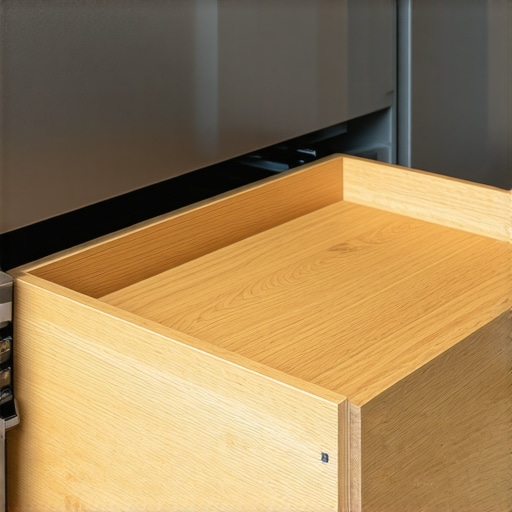
If you prefer a full-height step stool, the trick is to design a dedicated, ultra-slim vertical slot right next to a major work zone, such as the range or refrigerator. Instead of sacrificing a wide cabinet, you only need three to four inches of width. This slot can be disguised behind a decorative filler panel that matches your custom cabinets ideas. By mounting the panel on full-extension ball-bearing slides, the entire narrow face frame pulls forward to reveal a lightweight, aluminum folding step stool clipped securely inside. It is an incredibly efficient way to use those awkward gaps that often crop up when balancing a symmetrical cabinet layout.
Why Sturdy Hardware is Non-Negotiable
When you are building built-ins meant to support human weight, standard drawer slides will not cut it. This is where many DIY enthusiasts run into trouble. You must use heavy-duty, load-rated hardware that can handle dynamic forces. For toe kick steps, we utilize heavy industrial slides rated for at least 250 pounds. This prevents the mechanism from sagging and scraping against your expensive flooring. Just as we learn why we stopped using standard drawer slides for heavy pantry pull-outs, choosing the correct commercial-grade hardware ensures that your custom step solutions remain smooth, safe, and operational for decades without binding or failing under pressure.
While many designers will tell you that maximizing vertical space is the golden rule of storage, they often overlook how real people actually live in their homes. Let’s dig deeper. The standard industry advice is to build as many tall cabinets as your budget allows, but I have come to realize that adding storage volume without built-in access is actually a design failure disguised as a feature. It looks impressive on a 3D rendering, but in reality, you are just building hard-to-reach closets that collect dust and clutter.
The Great Vertical Space Myth Most Designers Won’t Tell You
The standard belief in residential remodeling is that more cabinet volume equals a better kitchen. However, in my years of crafting high-end spaces, I have discovered that volume is useless without ergonomics. Designing soaring storage units without integrated steps or pull-outs is a major oversight that homeowners pay for daily. Industry research published by the National Kitchen & Bath Association (NKBA) consistently highlights that physical comfort and ease of movement within a workspace are far more critical to overall satisfaction than raw cabinet cubic footage. When you prioritize sheer volume over accessibility, you end up with a high-end kitchen that feels incredibly frustrating to cook in. Have you ever fallen into this trap? Let me know in the comments.
Why should you avoid using standard step stools in a luxury kitchen?
Beyond the obvious aesthetic clash of a plastic folding ladder leaning against your gorgeous island, freestanding stools present a massive structural and safety hazard in high-traffic cooking zones. They slide easily on polished hardwood or tile floors, and they lack the stability of a built-in step. When we integrate a pull-out or a toe-kick step, we tie the load-bearing mechanism directly to the cabinet’s heavy wood framing, ensuring absolute stability. By planning this during your initial kitchen remodel, you construct a system that is engineered for safety rather than relying on a flimsy, freestanding afterthought.
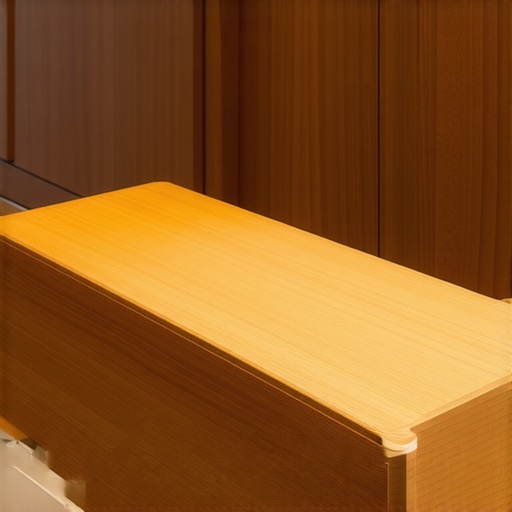
The Trap of Choosing Standard Hardware for Human Weight
The biggest technical mistake I see DIYers and even inexperienced contractors make is treating weight-bearing hidden platforms like standard drawers. When you are planning these specialized smart storage ideas to maximize your kitchen space this year, you cannot use standard drawer slides. Normal drawer slides are designed for static loads—meaning objects that sit still. When a human steps onto a platform, they apply dynamic load, which multiplies the forces acting on the metal tracks. If you do not use heavy-duty, locking industrial hardware, the tracks will bend, the cabinet face will warp, and your expensive flooring will get ruined. Choosing cheap hardware is the fastest way to turn an ingenious design concept into a costly repair bill.
To make your home both beautiful and genuinely functional, you need to think through every detail of how your cabinetry functions under pressure. If you are ready to design a space that seamlessly balances high-reaching storage with effortless, built-in access, explore our custom cabinets ideas to find the perfect solution for your upcoming home renovation.
Once you have solved the reach problem, the real work begins: keeping those integrated moving parts operating flawlessly. High-load cabinet mechanisms, especially those engineered to support your body weight during a kitchen remodel, demand a different level of respect than a standard spice drawer. If you neglect the hardware holding your hidden step platforms, you risk binding tracks, damaged cabinet face frames, and eventual structural failure.
The Preventive Maintenance Playbook for Heavy-Duty Cabinet Slides
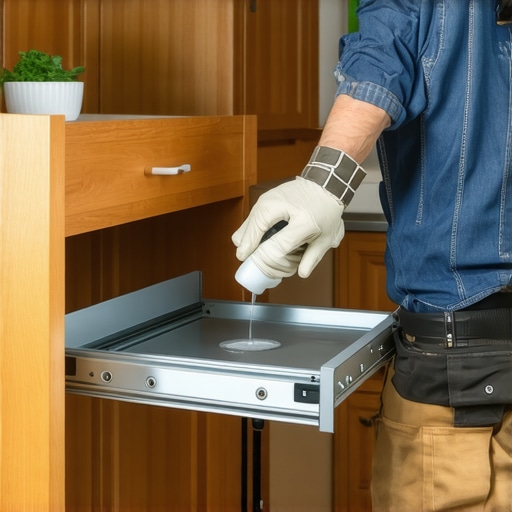
I have a strict rule in my workshop: never install a hidden step platform without walking the client through a bi-annual maintenance routine. Because toe kick platforms sit mere millimeters from the kitchen floor, they act like high-powered magnets for dog hair, dropped crumbs, and spilled liquids. This debris migrates directly into the ball-bearing races of your heavy-duty slide tracks. Over time, that grit turns the factory lubricant into an abrasive paste that eats away at the steel, leading directly to that dreaded, grinding drag. I personally use a dry PTFE spray lubricant—specifically DuPont Teflon Non-Stick Dry Film—because wet oils like WD-40 actually attract more kitchen dust and make the clogging worse.
How do I maintain custom integrated step systems over time?
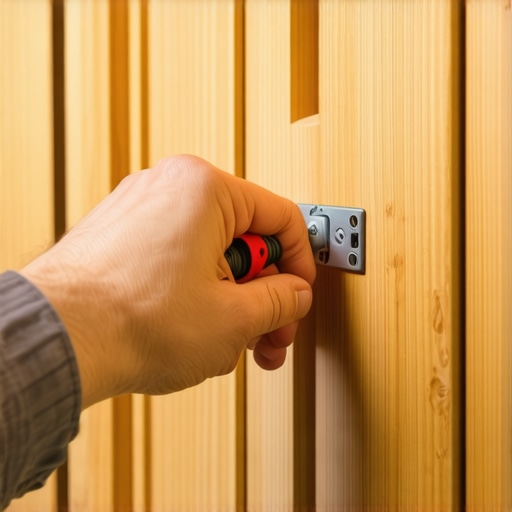
Every six months, pull your step platform to its full extension and use a narrow crevice tool on your vacuum to clear out any debris hiding in the track channels. Once the dust is gone, wipe down the exposed metal rails with a clean microfiber cloth slightly dampened with denatured alcohol. Spray a light, even coat of dry Teflon lubricant directly onto the bearing tracks, slide the mechanism in and out four or five times to distribute the film, and wipe away any overspray. Additionally, take this opportunity to check the structural mounting screws. Because wood expands and contracts with seasonal humidity, those heavy-duty anchor screws can occasionally wiggle loose under dynamic weight; a quick quarter-turn with a hand screwdriver ensures everything stays anchored securely to your custom cabinets framework.
The Smart Tools That Simplify High-Load Projects
If you are tackling the construction of a custom step pull-out yourself, do not attempt to eyeball the alignment. For mounting heavy-duty lateral slides perfectly parallel, I rely on a pair of magnetic drawer slide jigs from Kreg. These jigs hold the heavy metal slides securely in place while you drive your mounting screws, ensuring there is zero twist or slope in the track. For checking the final installation, skip the standard bubble level and use a highly accurate digital inclinometer (like the Wixey WR300 Type II). A slope variation of even half a degree across a 24-inch heavy-duty slide will cause the platform to drift open on its own or bind when you step on it. Precision at this stage is what separates a frustrating DIY project from a luxurious, smooth-gliding masterpiece.
Where This High-Access Technology is Heading Next
Looking ahead, the future of high-access cabinetry lies in electromagnetic latching and micro-motorized assistance. European hardware pioneers like Blum are already experimenting with smart, sensor-driven push-to-open mechanisms that can effortlessly eject and lock heavy platforms with a gentle foot tap, removing the need for manual latches entirely. As we push toward universal design principles that allow seniors to age in place comfortably, integrating these automated reach assists into your smart storage ideas to maximize your kitchen space this year will quickly transition from a luxury upgrade to a standard building requirement. If you are ready to future-proof your home, my challenge to you is to skip the cheap plastic step stool entirely and incorporate just one hidden toe kick platform during your next design phase.
Once you have solved the reach problem, the real work begins: keeping those integrated moving parts operating flawlessly. High-load cabinet mechanisms, especially those engineered to support your body weight during a kitchen remodel, demand a different level of respect than a standard spice drawer. If you neglect the hardware holding your hidden step platforms, you risk binding tracks, damaged cabinet face frames, and eventual structural failure.
The Preventive Maintenance Playbook for Heavy-Duty Cabinet Slides
I have a strict rule in my workshop: never install a hidden step platform without walking the client through a bi-annual maintenance routine. Because toe kick platforms sit mere millimeters from the kitchen floor, they act like high-powered magnets for dog hair, dropped crumbs, and spilled liquids. This debris migrates directly into the ball-bearing races of your heavy-duty slide tracks. Over time, that grit turns the factory lubricant into an abrasive paste that eats away at the steel, leading directly to that dreaded, grinding drag. I personally use a dry PTFE spray lubricant—specifically DuPont Teflon Non-Stick Dry Film—because wet oils like WD-40 actually attract more kitchen dust and make the clogging worse.
How do I maintain custom integrated step systems over time?
Every six months, pull your step platform to its full extension and use a narrow crevice tool on your vacuum to clear out any debris hiding in the track channels. Once the dust is gone, wipe down the exposed metal rails with a clean microfiber cloth slightly dampened with denatured alcohol. Spray a light, even coat of dry Teflon lubricant directly onto the bearing tracks, slide the mechanism in and out four or five times to distribute the film, and wipe away any overspray. Additionally, take this opportunity to check the structural mounting screws. Because wood expands and contracts with seasonal humidity, those heavy-duty anchor screws can occasionally wiggle loose under dynamic weight; a quick quarter-turn with a hand screwdriver ensures everything stays anchored securely to your custom cabinets framework.
The Smart Tools That Simplify High-Load Projects
If you are tackling the construction of a custom step pull-out yourself, do not attempt to eyeball the alignment. For mounting heavy-duty lateral slides perfectly parallel, I rely on a pair of magnetic drawer slide jigs from Kreg. These jigs hold the heavy metal slides securely in place while you drive your mounting screws, ensuring there is zero twist or slope in the track. For checking the final installation, skip the standard bubble level and use a highly accurate digital inclinometer (like the Wixey WR300 Type II). A slope variation of even half a degree across a 24-inch heavy-duty slide will cause the platform to drift open on its own or bind when you step on it. Precision at this stage is what separates a frustrating DIY project from a luxurious, smooth-gliding masterpiece.
Where This High-Access Technology is Heading Next
Looking ahead, the future of high-access cabinetry lies in electromagnetic latching and micro-motorized assistance. European hardware pioneers like Blum are already experimenting with smart, sensor-driven push-to-open mechanisms that can effortlessly eject and lock heavy platforms with a gentle foot tap, removing the need for manual latches entirely. As we push toward universal design principles that allow seniors to age in place comfortably, integrating these automated reach assists into your smart storage ideas to maximize your kitchen space this year will quickly transition from a luxury upgrade to a standard building requirement. If you are ready to future-proof your home, my challenge to you is to skip the cheap plastic step stool entirely and incorporate just one hidden toe kick platform during your next design phase.
The Hardest Lessons Learned Crafting Integrated Kitchen Steps
Over years of designing high-end custom units, I have gathered a few non-negotiable rules through trial, error, and some costly mistakes. First, never install a toe-kick step without placing a protective, clear acrylic shield on the floor underneath; over time, even the best mechanism can slightly sag under heavy use, leaving unsightly scratch marks on expensive hardwood or soft slate. Second, always design the step with a highly visible, contrasting color or a textured grip tape on the top surface. In a busy, high-traffic kitchen, a step platform that perfectly matches your surrounding wood grain is an invisible tripping hazard waiting to happen. Finally, never assume children won’t play with it. If you have little ones, build a manual locking pin into your vertical pull-out slot to prevent toddlers from pulling a heavy step unit down onto themselves.
My Essential Toolbox for Building Smooth Slide-Outs
To successfully execute these advanced built-ins and storage hacks for a sleek functional kitchen, you need the right gear in your shop. I highly recommend picking up a pair of Accuride 9301E heavy-duty drawer slides; they are rated for up to 600 pounds and provide the rock-solid lateral support needed for bodyweight. For precise alignment, I use the Starrett 505A-12 miter protractor to verify the squareness of my cabinet carcasses before mounting hardware. To finish the wood and protect it from kitchen spills, I rely on Rubio Monocoat 2C, which offers incredible moisture resistance without creating a slippery surface that could cause you to lose your footing.
Design a Home Built for Your Natural Reach
At the end of the day, a kitchen remodel is about so much more than selecting gorgeous paint colors or high-end appliances. True luxury is found in how effortlessly your home supports your daily movement. By integrating smart built-in storage solutions right into the framework of your cabinets, you reclaim every inch of high vertical space safely and stylishly. You do not have to live with a plastic step stool cluttering your pantry or continue balancing on a dangerous dining chair. Have you ever struggled with trying to reach those awkward top shelves in your own kitchen? Let me know in the comments below.