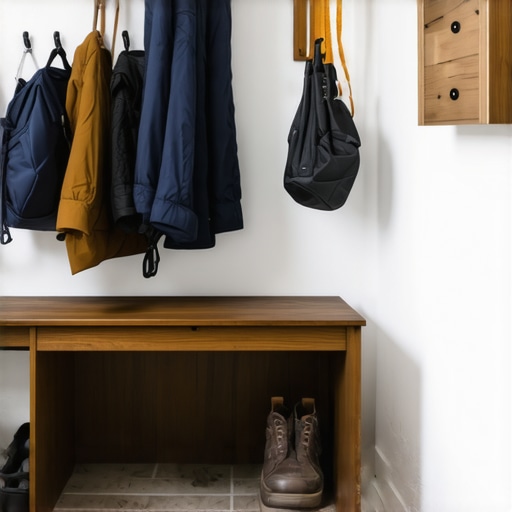
How to Layout a Mudroom That Actually Keeps the Dirt Out
Have you ever opened your mudroom door, only to be greeted by a flood of mud, dirt, and soggy boots spilling onto the hallway? I know I have. There was a moment during my last renovation, when I realized that no matter how many bins or hooks I installed, the clutter and mess just kept creeping in. It felt like an endless battle, and honestly, I was ready to throw in the towel. But then, a lightbulb moment hit me: the problem wasn’t just about storage — it was about layout. A well-thought-out mudroom design can truly be a game-changer in keeping dirt and chaos contained.
The Power of a Purpose-Designed Mudroom
So, why is the right layout so essential? Simple. Without a strategic plan, even the most beautiful mudroom can become a dumping ground for everything messy. A cluttered, haphazard setup invites dirt to spread and makes cleaning feel impossible. On the flip side, a thoughtfully planned mudroom acts like a barrier, directing mess away from the main living spaces and making daily routines smoother. Or, as I like to say, it’s the smart home’s front line in the battle against dirt.
From my own experience, I learned that the key isn’t just about adding storage solutions but about organizing them intentionally. Think of it as creating traffic lanes for your shoes, coats, and bags—everything has a place, and everything goes where it belongs. If you’ve ever faced frustration over misplaced shoes or worn-out rugs, you’re not alone. But trust me, with a few practical tweaks, your mudroom can become an effective dirt-defense zone.
Interested in maximizing your space and transforming your mudroom into a dirt-proof zone? Discover innovative storage solutions that address these issues head-on at this guide. Remember, a smarter layout saves you time, effort, and continually keeps your home cleaner.
Is Your Mudroom Ready to Handle the Mess?
Before we dive into the how-to’s, I want to ask — have you ever felt overwhelmed by the chaos that naturally comes with a busy household? I made my first layout mistake early on, placing hooks too high for kids or shelves that were hard to access. It’s a mistake I see many making, which defeats the purpose of designing a mudroom that really works. The good news? With clear planning, you can avoid those pitfalls and create a space that genuinely keeps the dirt out and keeps your sanity intact.
Measure and Map Your Space
Start by thoroughly measuring your mudroom, including ceiling height, wall lengths, door swings, and available floor space. Use painter’s tape on the floor to sketch out zones for shoes, coats, and storage units. I once did this, only to realize my original plan didn’t account for a bulky door swing, forcing me to redesign on the fly. Clear measurements prevent costly mistakes and streamline the layout process.
Define Your Zones and Traffic Flow
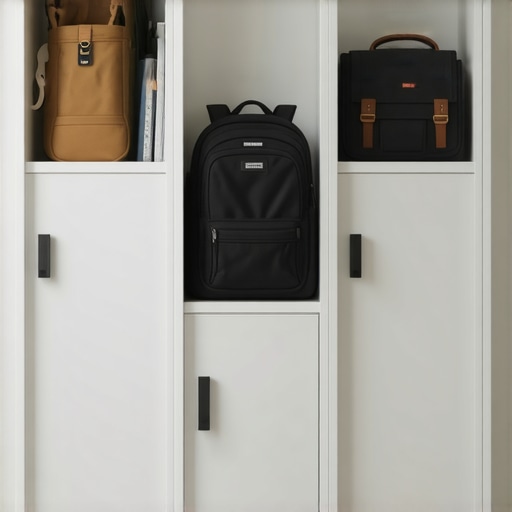
Think of your mudroom as a traffic system—shoes heading to the closet, coats to hooks, and bags to cubbies. Assign specific zones for each category. For example, place shoe storage near the door, and hanging rods for outerwear at reachable heights for both adults and children. I once installed hooks too high for my kids, rendering them useless—testing and adjusting the height is essential for functionality.
Select Storage Solutions Tailored to Your Needs
Choose storage options based on what you need to store and available space. Install wall-mounted shelves to save floor space, and consider a combination of cubbies, hooks, and baskets. Think of built-ins as reputation-enhancing furniture—customized to your lifestyle. For inspiration on how detailed these solutions can be, check out this resource. When I built a custom bench with integrated storage, it doubled as seating and a catch-all for clutter, transforming the space.
Create a Drop Zone with Practical Accessories
Incorporate features like a dedicated tray or mat for wet boots, and install a low shelf for keys and accessories. Using a sturdy bench with storage underneath helps keep gear organized and easily accessible. I once added a waterproof mat and a simple coat hook system, which cut down my morning chaos significantly. The key is to anticipate daily routines and embed solutions within your layout for efficiency.
Optimize for Cleanliness and Maintenance
Design with smooth surfaces and easy-to-clean materials like tile or sealed wood. Incorporate pull-out trash bins and concealed hampers for a tidy appearance. I learned that high-gloss finishes can show fingerprints, but applying a protective sealant made cleanup easier. Regularly scheduled cleaning coupled with strategic design keeps dirt and debris from accumulating.
Implement Lighting and Ventilation
Ensure your mudroom has good lighting—preferably natural light complemented by task lighting. Add a vent or window to reduce humidity from wet footwear, which prolongs the life of storage materials. I installed an overhead LED fixture and a vent fan, which kept the space fresh and inviting, encouraging regular use of organized features instead of neglect.
Plan For Flexibility and Future Growth
Design your layout to be adaptable. Modular shelves or adjustable hooks make it easy to upgrade as your family’s needs change. I initially designed my mudroom with fixed shelves, but later replaced them with adjustable systems to accommodate new sports gear and holiday decorations, proving that flexibility is key to long-term functionality.
To explore innovative storage ideas and custom solutions further, visit this comprehensive guide. Remember, a well-executed layout combines precision measurement, intentional zone design, and versatile storage to keep your mudroom both functional and inviting.
When embarking on a home upgrade, many homeowners fall prey to popular misconceptions about built-ins and storage solutions. One prevalent myth is that custom cabinets always cost more and are only justified in luxury remodels. In reality, as I have learned through countless projects, tailored cabinetry can often be more cost-effective in the long run because it maximizes space and minimizes the need for ad-hoc, inefficient solutions. See how custom cabinets can transform your space into a highly functional area without blowing your budget.
Another misconception is that built-ins are only suitable for large rooms. However, the secret lies in clever design tricks that leverage vertical space and hidden compartments, making even small areas feel spacious and organized. For example, installing built-ins in tight kitchens maximizes every inch, proving that quality always trumps size.
A common pitfall homes face is ignoring the advanced nuances of storage solutions, such as the importance of dynamic, adjustable systems that evolve with your lifestyle. It’s tempting to settle for static shelving, but as experts suggest, selecting versatile storage options ensures you won’t outgrow your space and need costly remodels again soon.
One sneaky mistake I’ve seen many make is overlooking the importance of proper framing and hardware in built-in installations. Even the most beautiful design can fall apart if the structural elements aren’t up to par. This is why I always emphasize consulting with professionals and referencing authoritative guides like this article on inset cabinets to understand how to avoid costly repairs down the line.
Now, for the advanced reader, here’s a question that often stumps even seasoned designers: How can I integrate hidden storage into my existing architecture without compromising the room’s aesthetic? The trick is to blend concealed compartments seamlessly into your design, such as utilizing unexpected storage niches or employing specialized hardware that keeps clutter out of sight. This nuanced approach not only maintains visual harmony but also significantly boosts your home’s functionality.
Remember, the devil is in the details. Small design choices, from door hardware placement to the selection of finishes, can make or break your project’s success. Staying informed about these hidden nuances ensures your investment pays off in both style and practicality. Want to deep dive into tailored solutions that fit your home perfectly? Feel free to reach out for expert advice or visit this resource for more insights. Have you ever fallen into this trap? Let me know in the comments.
Maintaining your custom-built storage solutions and built-ins is essential to ensure they continue functioning beautifully over the years. I personally rely on a combination of high-quality tools and strategic methods to keep them in top shape. One indispensable tool I swear by is a cordless detail drill fitted with a precision screwdriver bit. It makes tightening hardware and adjusting hinges effortless and precise, saving me countless minutes during periodic check-ups. Additionally, I always keep a silicone-based lubricant spray on hand—specifically for drawer slides and hinges—to prevent squeaks and ensure smooth operation. Regularly applying this product can extend the lifespan of delicate mechanisms and keep everything running as smoothly as day one.
Another technique I recommend involves routine inspections—set a schedule every six months to examine your built-ins for loose screws, misaligned components, or signs of wear. Addressing these minor issues early prevents larger problems down the line. For example, loose drawer slides can lead to uneven openings, and fixing them promptly involves just a Phillips screwdriver and some adjustment. Furthermore, investing in a quality level and a small pry bar can assist in realigning misaligned shelves or doors that have shifted over time, especially in spaces with seasonal temperature fluctuations that cause wood to expand and contract.
How do I maintain my built-ins and storage solutions over time?
In my experience, employing a regular cleaning routine combined with preventative adjustments keeps everything in tip-top condition. Use a soft microfiber cloth to dust surfaces gently and a mild cleaner to remove stubborn dirt—this helps preserve finishes, especially on painted or lacquered cabinetry. For ongoing durability, consider upgrading hardware—softer-close hinges and ball-bearing slides tend to withstand daily use better and require less maintenance. Looking ahead, I believe that the trend in built-in maintenance will lean increasingly toward smart hardware with sensors that alert you to issues before they become noticeable, reducing downtime and costly repairs. For now, however, a simple, proactive maintenance routine remains the most effective approach.
If you want to boost your storage’s longevity, I suggest trying out one of these advanced tips: regularly apply a silicone-based lubricant to all moving parts. Not only does it keep things operating smoothly, but it also offers some protection against rust and corrosion, especially in humid environments. To explore more innovative storage maintenance methods tailored to your space, check out this guide. Remember, a little regular TLC goes a long way in sustaining your investment in built-ins and custom cabinetry.
For personalized assistance or to discuss long-term solutions, don’t hesitate to reach out. Maintenance might not be the most glamorous part of a home remodel, but it’s what keeps your beautiful upgrades working their best for years to come. So, pick up that small screwdriver and schedule your next check-up today—your home will thank you for it.
The Importance of Listening to Your Home’s Voice
One of the biggest lessons I learned was that every mudroom has its own personality. No two homes are alike, and blindly copying a trendy design can backfire. Paying close attention to how your family uses the space, the types of messes you deal with, and the natural flow of your household can lead to a layout that truly works. Trust your instincts and customize solutions—your mudroom will thank you.
Emotion Over Equipment: Finding Joy in Organization
Initially, I thought that the secret to a perfect mudroom was just adding more hooks and bins. But I discovered that fostering a sense of pride and joy in maintaining the space makes all the difference. When I incorporated personalized touches, like a custom label system and thoughtful decor, organizing became a rewarding routine rather than a chore. Remember, a well-loved space is a well-maintained space.
Flexibility Is Your Best Friend
Rigid setups rarely stand the test of time. I wavered between fixed shelves and adjustable systems, and the latter proved far more adaptable to changing needs. Whether it’s sports gear in winter or gardening tools in summer, flexible storage solutions grow with your family. Embrace modularity—your future self will thank you for not locking into a static design.
Busting Myths About Cost and Size
One myth I fell prey to was believing built-ins are only for expansive spaces or come with a hefty price tag. Not true. Strategic use of vertical space and choosing quality over quantity can create a high-functionality mudroom on a budget. Small spaces can pack a punch too, especially when you leverage clever hidden compartments or custom inserts. Dive into expert guidance on custom cabinets for more ideas to maximize your limited footprint.
Beyond Design: The Heart of Maintenance
Keeping your built-ins pristine isn’t just about occasional cleaning. Regularly inspecting hardware, lubricating hinges, and adjusting misaligned shelves extend their lifespan significantly. I learned that tiny routine tweaks prevent costly repairs and keep the space feeling fresh. Think of it like tuning a musical instrument—consistent care yields beautiful harmony.
How Custom Insights Changed My Approach
- Rigid plans often lead to overlooked needs. Listening to my family’s unique routines helped me design a mudroom that truly fits.
- The cost myth kept me from exploring high-quality solutions; learning that smart investments pay off has been transformative.
- Regular maintenance is the secret sauce—simple steps like applying a silicone lubricant can preserve hardware integrity for years.
Tools That Make the Journey Easier
- Smart storage guides like this resource offer practical tips tailored to unique spaces.
- My favorite toolkit includes a cordless drill and a level, essentials for precise adjustments and quick fixes.
- Books like this comprehensive guide have revolutionized my understanding of custom cabinetry and its possibilities.
Your Personal Path to Ditch the Chaos
Every mudroom is a blank canvas waiting for your personal touch. Embrace the process, enjoy the small wins, and let your space evolve with your family’s needs. Remember, the magic isn’t just in the design but in your commitment to maintaining and adapting it over time. Ready to turn your cluttered zone into an organized oasis? Start today—your future self will thank you.