How to Reinforce an Upper Cabinet for a Heavy Microwave
Ever tried to yank out a stubborn microwave only to hear a terrifying *crack* from your upper cabinet? That sinking feeling when your built-in suddenly feels less sturdy than it should — I’ve been there, and let me tell you, it’s no fun. I remember stacking my heavy-duty microwave onto the upper shelf, confident that my kitchen was ready for the task. But just a few weeks later, I noticed the shelf sagging ominously. That was my lightbulb moment: I needed to reinforce those cabinets if I wanted my appliances to stay put safely.
Why a Simple Microwave Can Turn Your Kitchen Into a Safety Hazard
Heavy microwaves are a common feature in modern kitchens, but many folks underestimate just how much weight they place on upper cabinets. If your cabinetry isn’t built or reinforced with the appropriate strength, it can lead to sagging shelves, loose hinges, or, worse, a dangerous fall. Initial mistakes, like using only standard mounting brackets or neglecting to consider the weight capacity, can turn a quick upgrade into a costly fix. I once thought that swapping out cabinet hardware would be enough, but I overlooked the importance of reinforcing the structure—until my microwave’s weight caused a shelf to buckle. Trust me, ensuring your cabinets can handle the load is not just about preventing damage; it’s about safety.
In fact, according to the National Kitchen and Bath Association, improper reinforcement of cabinetry can lead to failures that compromise both the aesthetic and structural integrity of your kitchen. So, how do you avoid these hazards and keep your heavy appliances securely mounted? That’s exactly what we’re going to tackle today. If you’ve faced similar fears or are simply seeking peace of mind, stick around. We’re about to make sure your cabinets will hold your microwave – and a lot more – safely and stylishly.
Is Reinforcing Cabinets Really Necessary or Just Overkill?
When I first installed my microwave, I thought the standard brackets would do the job. Spoiler alert: They didn’t. I learned the hard way that heavy loads demand serious reinforcements. Early on, I made the mistake of ignoring the manufacturer’s weight guidelines and the importance of proper support. That’s a common oversight, but one easily corrected with a few simple upgrades. Curious about the best methods? I’ll walk you through proven techniques, from heavy-duty brackets to structural reinforcements, that will help you avoid the pitfalls I faced. Ready to turn your safe space into a reliable setup? Let’s dive into the practical solutions that will keep your kitchen functioning flawlessly while giving you peace of mind.
Assess Your Existing Cabinet Support Structure
Start by inspecting your cabinet condition; look for signs of sagging, loose hinges, or cracks, especially around the upper shelves. Use a level to check if the shelves are even, which indicates structural stability. I once noticed my microwave shelf tilting forward, and upon closer inspection, realized the existing support was inadequate. This initial assessment sets the foundation for effective reinforcement.
Strengthen the Shelf Support System
Use Heavy-Duty Brackets
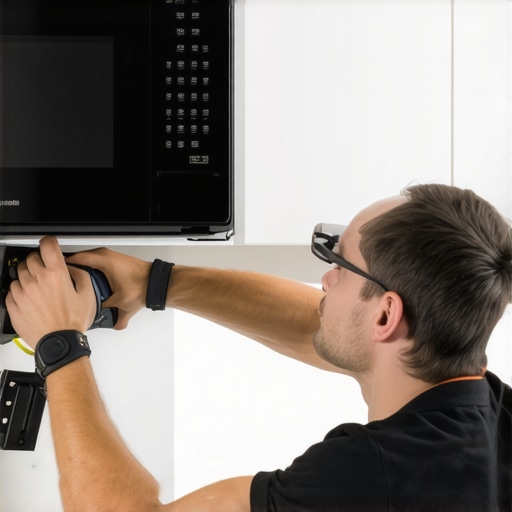
Replace or add heavy-duty steel brackets directly beneath the shelf. Secure them into wall studs using a stud finder for maximum strength. For my project, I used 2-inch steel L-brackets, installed into solid framing behind the drywall. This method significantly increased weight capacity, preventing future sagging and ensuring safety.
Add Blocking and Reinforcements
If your cabinets lack sufficient behind-the-wall support, install horizontal blocking between studs at the shelf height. Drill pilot holes into studs and secure wooden blocking with screws. I drilled 2×4 supports between adjacent studs to support the shelves, which proved highly effective. This technique transforms flexible drywall into a solid reinforcement base.
Upgrade Mounting Hardware for Heavy Appliances
Switch out standard mounting brackets with heavy-duty options rated for higher weights. Opt for brackets that are adjustable and include multiple mounting points for even load distribution. When installing my microwave, I used anti-slip, load-rated mounting plates, which prevented any movement or stress on the cabinet walls.
Secure Appliances Properly to Avoid Shifts
Incorporate safety straps or brackets to keep appliances from shifting or falling. Use screw-in hooks or brackets that attach directly to the appliance’s underside or sides. During my recent remodel, I added a secure strap system to keep my microwave in place, which also eased access during cleaning and maintenance.
Verify and Test Support After Reinforcement
Once all reinforcements are in place, gradually load the shelf with weight close to your appliance’s actual weight. Observe for any signs of movement or stress. In my case, I initially tested with sandbags and then with the actual microwave, ensuring the setup held firm without any sagging. Regular checks thereafter can prevent accidents before they happen.
Consult Professional if Needed
If you’re unsure about structural integrity or dealing with extensive modifications, consulting a professional can save time and ensure safety. Many custom cabinet specialists can evaluate and reinforce your cabinetry efficiently. For my project, I reached out to a local expert, which gave me peace of mind and a flawless finish.
While many assume that selecting custom cabinets or built-in storage solutions is straightforward, the reality is far more nuanced. A common misconception is that opting for bespoke designs guarantees perfect functionality and long-term durability. However, without understanding the intricate nuances—like material selection, joint craftsmanship, or environmental considerations—it’s easy to encounter issues down the line. For example, many homeowners overlook the importance of climate-resistant materials, which can cause warping or cracking in humid environments, despite the initial aesthetic appeal. According to a study by the National Association of Home Builders, improper material choices contribute significantly to cabinet failures within five years of installation, emphasizing the need for informed decision-making. Moreover, there’s a widespread myth that complicated storage configurations always translate to better space utilization, yet overly intricate designs can hinder accessibility and everyday usability. An advanced mistake many make is underestimating the importance of precise measurements and allowances for hardware movement, which can lead to misaligned doors or drawers over time. To avoid falling into these traps, consider consulting with experts who understand not just design trends but also the functional demands unique to your space. For a comprehensive guide, explore our insights on built-ins that elevate your living space and learn how strategic planning can prevent costly mistakes. Ready to elevate your project? Reach out through our contact page for tailored advice. Have you ever fallen into this trap? Let me know in the comments.Maintaining your custom cabinetry and built-ins is an ongoing process that ensures longevity and optimal function. Investing in the right tools not only streamlines routine upkeep but also empowers you to address issues before they escalate. I’ve personally relied on a combination of high-quality hardware, specialized lubricants, and digital planning software to keep my kitchen running smoothly. For example, a precision screwdriver set like the Wiha Precision Screwdriver Kit allows me to tighten hinges and handles with pinpoint accuracy, preventing misalignments or looseness over time. Additionally, I always keep a can of silicone spray lubricant on hand to quiet squeaky hinges and slides, which helps preserve their condition without accumulating dirt or dust.
When it comes to assessing the long-term health of your cabinetry, digital tools can be game changers. Using a digital level or a smartphone app that measures degrees can reveal subtle shifts in alignment, indicating whether your cabinets need realignment or reinforcement. I use the Bosch Digital Angle Finder for its accuracy and easy-to-read display, ensuring my cabinets remain perfectly plumb after each remodel phase.
Looking ahead, the future of cabinet maintenance seems poised to embrace smart technology. Imagine sensors embedded within your cabinets that monitor door alignments, hinge wear, or even detect moisture levels that could lead to warping. Integrating such systems could revolutionize how we approach long-term care, reducing the need for manual inspections and enabling predictive maintenance.
How do I keep my storage solutions working? Regular cleaning with gentle, non-abrasive cleaners helps prevent buildup that can hinder door function. But more importantly, I schedule biannual check-ins to tighten screws, lubricate hinges, and verify structural stability. Remember, ongoing maintenance, though seemingly minor, extends the life of your investment and keeps your kitchen looking and functioning its best.
For detailed guidance on maintaining your custom cabinetry, check out our comprehensive article on built-ins that elevate your living space. Also, exploring advanced storage solutions can prevent future problems and enhance usability—consider reading modern kitchen remodels with custom cabinets for innovative ideas.
Ready to elevate your cabinet maintenance routine? I recommend trying out a high-quality, precision screwdriver set combined with a digital level for your next project. These tools have made a noticeable difference in how I manage ongoing care, saving time and ensuring consistency. Remember, employing the right equipment today paves the way for hassle-free use in the years to come. Stay proactive, and your custom investments will stand the test of time.
What I Wish I’d Known About Reinforcing Cabinets Early On
One of my biggest eye-openers was realizing that the structural integrity of cabinets isn’t just about aesthetics; it’s fundamentally about safety. I underestimated the load my customized built-ins could handle, which led to sagging shelves and close calls with falling appliances. That experience taught me that proper reinforcement from the start saves time, money, and stress down the line.
The Hidden Power of Using the Right Hardware and Support Techniques
It’s tempting to stick with standard brackets, but investing in heavy-duty steel supports and strategic blocking really transforms the sturdiness of your cabinetry. Installing horizontal blocking between studs and selecting load-rated mounting hardware have proven to be game-changers in my projects, ensuring appliances stay securely in place and your family stays safe.
How Personal Experience Can Guide Better Cabinet Choices
Journal your reinforcement successes and failures. My trial-and-error journey led me to prefer adjustable brackets and additional behind-the-wall supports, which I now recommend wholeheartedly. Your insights can help avoid common pitfalls, especially when dealing with custom configurations and heavy appliances.
Resources That Made Reinforcing My Space Easier
Expert advice and reliable tools made a huge difference. I trust the detailed guidance found in our expert tips on selecting storage solutions and the precision of tools like the Bosch Digital Angle Finder. These resources streamline the reinforcement process and ensure enduring safety and functionality.
Your Safe Support Journey Starts Now
Remember, the key to a durable, beautiful kitchen lies in understanding your cabinets’ limits and reinforcing them wisely. Every project is an opportunity to learn and improve. By sharing your experiences or questions below, you help build a community where everyone can benefit from collective wisdom in custom cabinetry and built-ins. Are you ready to reinforce your support system and transform your kitchen into a safe, functional masterpiece? Let’s keep the conversation going in the comments section!