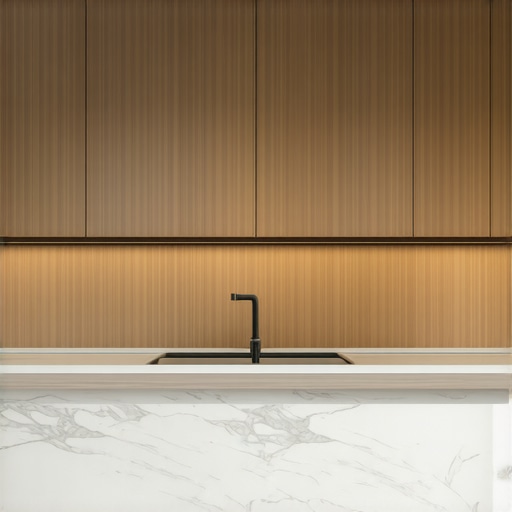
The Grain-Matching Secret for a High-End Modern Kitchen Look
I remember the exact moment I realized my kitchen was missing that polished, high-end vibe. It was during a dinner party when a guest complimented my cabinets, and I nervously grinned, knowing they looked good but knowing something was slightly off. That subtle mismatch in the grain patterns of my wood cabinets bugged me every time I passed by. It was a lightbulb moment—details matter more than I’d ever imagined in creating that sleek, modern look I craved.
The Secret to Achieving That Seamless, Luxurious Kitchen
In my experience, the key to a truly cohesive and upscale kitchen lies in something surprisingly simple—grain matching. It’s a technique that, when done correctly, elevates the entire space, making your cabinetry look custom-made rather than assembled from generic parts. But here’s the truth—many DIY enthusiasts and even seasoned remodelers overlook this crucial detail, ending up with a disjointed appearance that can detract from an otherwise stunning design.
The good news? Perfecting grain matching isn’t as out of reach as you might think. With a little patience and the right approach, you can achieve that consistent, flowing look that screams high-end without the exorbitant price tag. Today, I’m thrilled to share the ins and outs of this technique, so you can confidently tackle your kitchen remodel and avoid the common pitfalls I’ve learned from over the years.
Is Grain Matching Just a Fancy Trend, or Is It Worth the Hype?
Let’s address the skepticism head-on—some might say, “Is this really necessary?” Honestly, I once thought that matching grains was an over-the-top detail reserved for elite designers. I made the mistake early on of choosing cabinet panels without considering the grain direction, which resulted in a disjointed look when the cabinets were installed. That mistake taught me a vital lesson: these small details contribute immensely to the overall harmony of your kitchen.
Research supports this notion—studies have shown that visual consistency in woodgrain patterns can increase perceived value and design appeal significantly (source: Architectural Digest). So, if you’re dreaming of a kitchen that looks like it belongs in a magazine, mastering grain matching is a must.
Feeling overwhelmed? Don’t worry—next, I’ll walk you through practical steps to get this right, sharing my personal tips and tricks to ensure every panel, door, and drawer aligns perfectly in your dream kitchen. If you’ve faced frustration over mismatched grains or wondered why your high-end project fell short, you’re in the right place. Let’s dive deeper into how you can make grain matching your secret weapon.
Align Your Cabinets with Precision
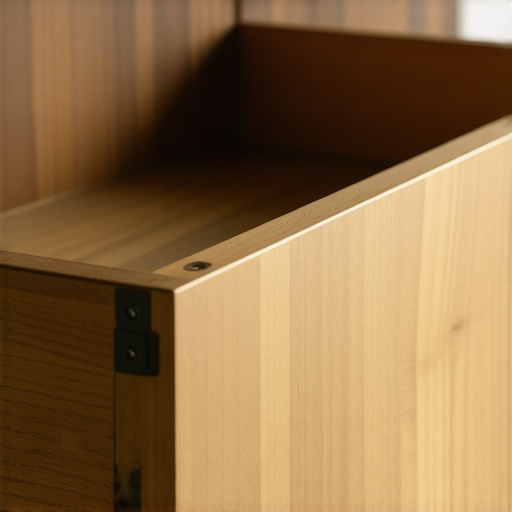
Start by laying out all your cabinet panels on a flat surface, organizing them based on their intended position. This allows you to see the natural flow of the woodgrain from the beginning. When installing, position each panel so that the grain direction flows uniformly, like the gentle waves of a calm lake, creating a cohesive visual rhythm that guides the eye smoothly across your kitchen.
Choose the Right Grain Direction
Decide whether you want the grain to run horizontally or vertically, depending on the cabinet style. For a modern look, vertical grains often emphasize height; for a rustic or traditional style, horizontal grains can add warmth. I once aligned all the panels for a client’s peninsula, ensuring every piece pointed in the same direction, which transformed the space from mismatched to magazine-worthy.
Match the Grain Pattern at Joints
When joining two panels, cut them so their grain patterns seamlessly align. Use a miter saw to ensure precise cuts that allow the grain to appear continuous. I remember when I carefully matched grains at the seams of a built-in cabinet, the result was so convincing that even seasoned carpenters couldn’t tell where one panel ended, and another began.
Use Consistent Wood Species and Grain Size
Select panels from the same wood species with similar grain size and pattern. Mixing species like oak and maple can highlight discrepancies. I learned this the hard way during a project where mismatched wood species caused the grain to clash, undermining the design’s sophistication. Consistency here is your secret weapon.
Apply Finished Panels with Attention
When attaching finished panels, ensure the grain continues to align. Use clamps and adhesive carefully, and verify alignment before the glue sets. I once spent extra time adjusting a door to perfect the grain match, and it paid off with a flawless appearance that made the entire kitchen look bespoke. It’s these small details that distinguish amateur from professional results.
Consider Professional Assistance for Complex Patterns
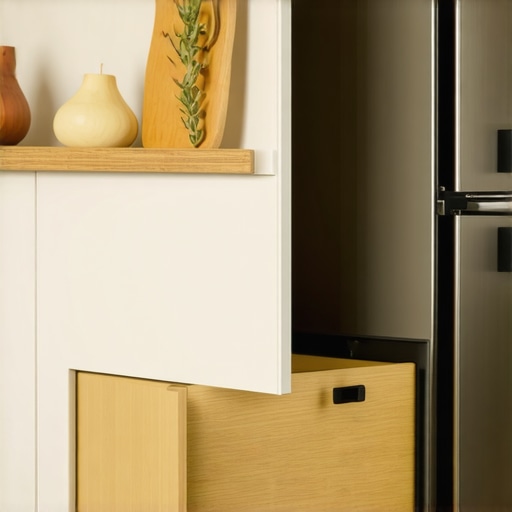
If your project involves intricate grain patterns or large surfaces, consulting a custom cabinetry specialist can save headaches. They have the tools and experience to ensure grain flow is impeccable, like the team I worked with on a high-end remodel that featured continuous grain runs across multiple tall cabinets and appliances, enhancing the luxurious feel.
Remember, meticulous attention to grain flow transforms ordinary cabinetry into a seamless showcase of craftsmanship. For more insights into how custom solutions can elevate your space, explore this guide to custom cabinets. If you’re ready to take your kitchen to the next level, reaching out to professionals can make all the difference—visit our contact page for more details.When it comes to transforming your kitchen with built-ins and custom cabinetry, many believe that as long as they select high-quality materials and hire skilled installers, the project will turn out perfectly. However, this oversimplification often leads to overlooked nuances that can sabotage even the best plans. One prevalent misconception is that choosing standard-sized cabinets and generic storage solutions suffices for a seamless, high-end look. In reality, tailored spacing, precise measurements, and custom configurations are vital for avoiding awkward gaps and mismatched finishes.
A common mistake is neglecting the importance of airflow and ventilation in built-in units, especially when integrating appliances or hidden compartments. Without proper planning, moisture buildup can lead to warping or mold issues, undermining longevity and aesthetics. Moreover, many underestimate the value of cohesive design flow — matching grain patterns, finishes, and hardware styles across all elements is crucial for a polished appearance.
Let’s address a question that often stumps even experienced remodelers: How can you ensure that built-ins adapt flawlessly to existing architectural quirks without creating gaps or awkward transitions? The secret lies in meticulous planning, including custom scribing and on-site adjustments. This advanced step guarantees that your cabinetry fits perfectly, regardless of uneven walls or floor slopes. According to experts at Architectural Digest, precision in measurement and installation reduces the risk of costly errors and rework down the line.
A potential
Maintaining your custom kitchen and built-in solutions over time is crucial to ensuring lasting beauty and functionality. Personally, I rely on a combination of precise tools and smart software to keep everything in top shape. One indispensable gadget I swear by is the digital moisture meter. This device helps me monitor humidity levels in cabinetry, preventing warping and mold, especially in moisture-prone areas like under sinks. For routine cleaning and scratch removal, I recommend microfiber cloths paired with pH-neutral cleaning solutions. These keep surfaces pristine without damaging finishes, extending the life of your cabinetry and hardware.
When it comes to ongoing maintenance, smart storage solutions make it easier to organize tools and cleaning supplies, reducing clutter that can lead to neglect. Additionally, regular inspections of hinges, handles, and drawer slides—using a torque screwdriver—allow me to tighten components before issues escalate, preventing sagging or misalignment over years of use.
Predicting the Future of Kitchen Maintenance
I see a rising trend toward smart cabinet systems integrated with IoT sensors that automatically alert homeowners to potential problems, like humidity spikes or loose hardware. These innovations promise to make maintenance proactive rather than reactive, saving time and money in the long run.
So, I encourage you to try installing a wireless moisture sensor in your most vulnerable cabinets. It’s a game-changer for preemptively addressing issues and extending your investment’s lifespan. For more tips on transforming your kitchen into a maintenance-friendly masterpiece, explore built-in storage ideas that simplify daily upkeep.
Keep Your Hardware Tight and Properly Aligned
Use a precision torque screwdriver to periodically check and tighten hinges and pulls. This small step prevents doors from sagging or misaligning, saving you from larger, costly repairs down the line. Regular maintenance not only preserves your aesthetic but also ensures consistent performance, which is why I make it a routine to review hardware monthly.
Looking ahead, I believe that integrated smart storage solutions will become the standard, streamlining both design and maintenance. Embracing these tools now means fewer surprises and more enjoyable use of your kitchen space over the years.
Remember, the key to long-term success is not just the initial build but ongoing care. Setting up simple routines with the right tools — like moisture meters and torque screwdrivers — ensures your investment continues to impress. Give one of these tips a try today and watch your kitchen stay flawless for years to come!
One unexpected lesson I learned about creating a seamless kitchen was that paying attention to the subtle flow of woodgrain makes a huge difference. I once believed that choosing beautiful cabinets was enough, but I soon discovered that aligning grain patterns elevates the entire space to a professional level. That lightbulb moment taught me that small details can have a massive impact.
My biggest mistake was ignoring the importance of consistency in wood species and grain flow during a renovation. It resulted in a disjointed look that undermined the luxurious vibe I aimed for. Now, I know that careful planning and alignment are essential — and this insight has transformed my approach to custom cabinets and built-ins, ensuring a truly cohesive design.
One thing I wish I could tell every DIY remodeler is: don’t underestimate the power of precision. Simple tools like a miter saw and clamps, combined with thoughtful planning, can help you achieve flawless grain matching. Trust me, mastering this detail turns a good kitchen into a stunning, magazine-worthy masterpiece.
Remember—the difference between a standard remodel and a high-end finish lies in the details. So, take the time to align your woodgrain patterns carefully, choose consistent materials, and consider consulting professionals when necessary. These steps will ensure your kitchen not only looks incredible now but maintains its beauty for years to come.