Why Dovetail Drawers Are More Than Just a Traditional Look
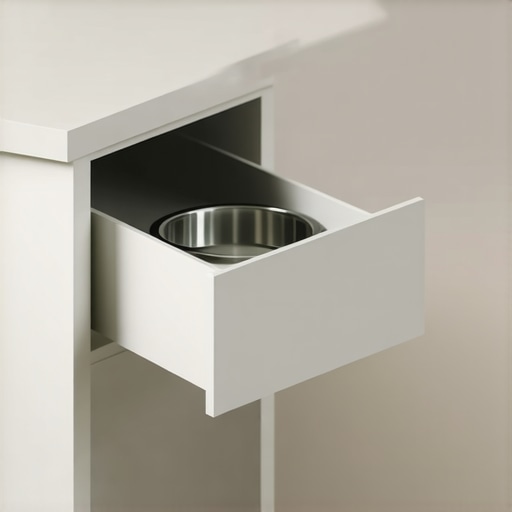
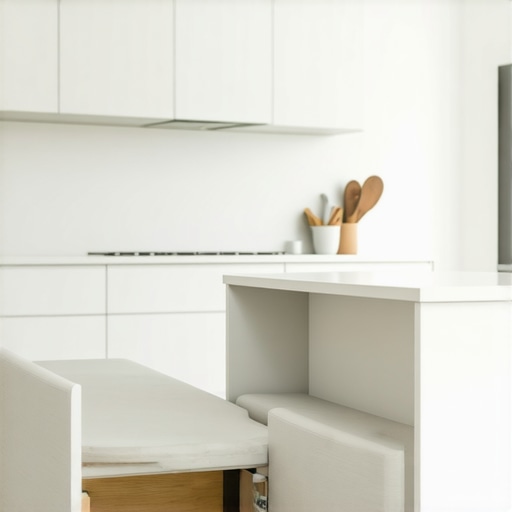
It was halfway through my kitchen remodel when I finally realized a simple truth: those sleek dovetail drawers I had dismissed as just a traditional detail actually hold the key to *so* much more. I was staring at my new cabinets, feeling a mix of excitement and frustration. The seller boasted about the classic look, but I wondered—are they doing more than just making my kitchen look charming? As someone who’s tinkered with home upgrades for years, I found out that dovetail drawers are a game changer, not just a nostalgic nod.
The Hidden Power Behind Dovetail Joints
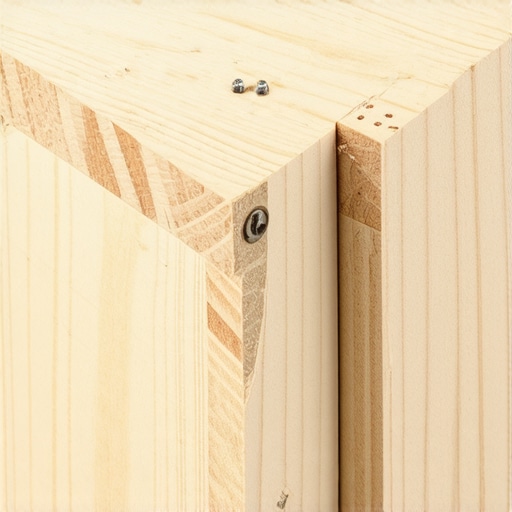
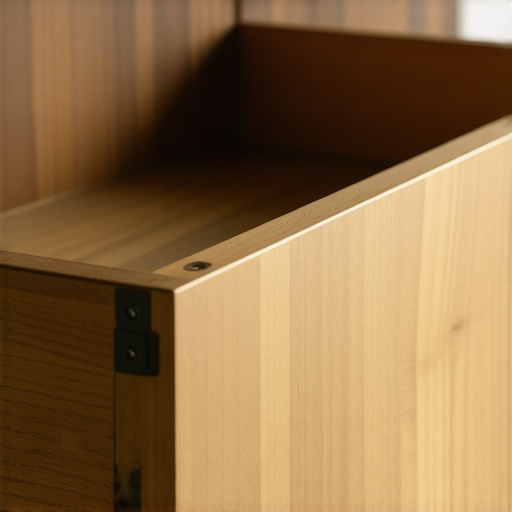
Initially, I thought of dovetails as a purely stylistic feature—a nod to craftsmanship and a little extra detail in a sea of flat-panel cabinets. But as I learned more, I discovered that well-made dovetail joints serve a practical purpose: They’re incredibly strong and resistant to pulling apart over time. It’s like the difference between a well-built bridge and a flimsy footbridge; the joint design holds the entire structure firmly together, ensuring durability that far exceeds mass-produced options.
This realization transformed the way I looked at cabinetry. Instead of just a decorative feature, dovetails now symbolized longevity, precision craftsmanship, and smarter design choices. In fact, choosing dovetailed drawers can significantly improve the function and lifespan of your cabinets, making investments in quality worthwhile. Curious how this tiny detail makes such a big impact? You can explore more about custom cabinets and how they elevate your kitchen styling on this comprehensive guide to custom kitchen cabinetry.
Are Dovetail Drawers Still Worth the Extra Cost?
One of my initial fears was whether investing more in dovetailed drawers was truly justified. The early mistake I made? Underestimating the importance of craftsmanship. I once opted for cheaper, pieced-together alternatives, only to find myself replacing drawers prematurely. I learned that quality dovetails—especially when hand-cut—offer both beauty and strength, making your cabinets more resilient in the long run.
If you’re on the fence about upgrading or sticking with standard options, I urge you to consider your needs for durability and aesthetic authenticity. And if you’re still skeptical, I’ve got expert tips for selecting storage solutions that won’t just look good but will work hard for you over time. Curious? Check out our tips on selecting reliable storage, which includes insights on dovetail drawers.
Ask Yourself: Have You Faced Drawer Woes?
If you’ve ever been frustrated with drawers that jam, sag, or fall apart, you’re not alone. I’ve been there—every wobble or misalignment reminded me why choosing quality joinery matters. Next, I’ll guide you through the benefits of opting for dovetail drawers and how this choice can help you avoid those common headaches. Ready to turn your cabinets into a lasting investment? Let’s dive into what makes dovetail drawers a smart choice for any renovation journey.
Measure Precisely for a Flawless Fit
Start by carefully measuring your available space, accounting for door swings and appliance clearance. I once sketched a quick plan on scrap paper and cut out cardboard templates to visualize placement, which prevented costly mistakes later. Accurate measurements lay the foundation for seamless integration of built-ins and ensure your storage solutions are both functional and aesthetically pleasing.
Select the Right Materials for Durability and Style
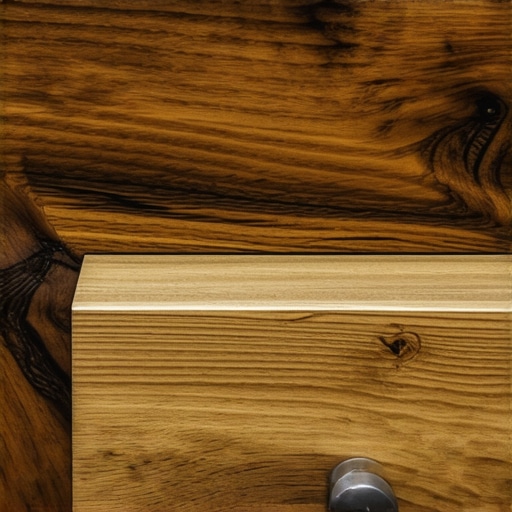
Choosing the appropriate materials is crucial. I recommend rift-sawn oak for its stability and minimalist look, but also consider plywood with edge banding for budget-friendly, weather-resistant cabinets. Matching the material grain to your style enhances cohesion. For example, using the same wood species on open shelving ties the design together, making your kitchen feel handcrafted and high-end.
Design with Purpose and Accessibility in Mind
Plan each component to maximize usability. Incorporate soft-close slides for heavy pots or deep drawers, which I installed in my own remodel; the reduction in noise alone was worth it. Use shallow, vertical dividers for spices or baking sheets, and consider pull-out trash bins for easy waste management. Think through how often you use items—keeping daily essentials within arm’s reach streamlines your workflow and reduces clutter.
Implement Customized Storage Solutions
Create tailored inserts for utensils, cutting boards, or small appliances. I built custom inserts with adjustable dividers for my silverware drawer, eliminating constant rummaging. For odd-sized items, use dead space under the sink by adding pull-out bins or a narrow cabinet dedicated to cleaning supplies. These personalized touches not only improve organization but also make your kitchen uniquely yours.
Integrate Built-Ins Seamlessly
Built-ins, like a coffee station or wine rack, add character and functionality. When I added a built-in that housed my coffee maker and mugs, I recessed it into the wall, freeing up counter space. Use uniform paneling and hardware to match existing cabinets, creating a cohesive look. Also, consider integrating power strips into the design—this way, cords stay hidden, and your counters stay uncluttered.
Leverage Innovative Storage for Limited Spaces
In smaller kitchens, creative storage makes all the difference. For instance, installing vertical spice racks over the stove or using pull-out pantry shelves can dramatically increase capacity. I once converted a dead corner into a mini pantry with a lazy Susan, which doubled usable space and kept everything accessible. Look for opportunities to utilize underused areas, turning every inch into an asset.
Use Quality Hardware and Accessories
Invest in high-quality hardware, like heavy-duty soft-close hinges and full-extension slides, to ensure longevity. I replaced standard hinges with Blum components, which improved cabinet closure and prevented slamming. Durable hardware not only enhances function but also adds a touch of sophistication, making your custom cabinets feel polished and professional.
Coordinate Finishes for Cohesion
Finish your built-ins with matching paint or stain to your existing cabinetry for a unified appearance. I chose a matte white for my open shelving to contrast subtly with stained upper cabinets, which highlighted both elements. Proper finishing protects your investment and ties the entire design together, creating a balanced aesthetic.
While many homeowners believe that choosing the latest trends or cheapest options guarantees a successful kitchen overhaul, this approach often leads to overlooked nuances that can compromise long-term satisfaction. One prevalent myth is that all custom cabinets are created equal—many assume that a high price tag automatically translates to superior quality. However, the true value lies in craftsmanship details like proper joinery, material selection, and finish integrity, which are critical for durability and aesthetic longevity. For example, hand-cut dovetail drawers, often dismissed as mere decoration, are actually vital for ensuring longevity in high-use areas; neglecting this can result in premature joint failure and costly repairs.
Why do some high-end kitchens still experience functional issues despite investing heavily?
It often boils down to overlooked detail and understanding advanced storage engineering principles. Experts emphasize that smart layout planning, such as integrating vertical dividers or hidden compartments, optimizes space and accessibility, especially in tight quarters. In fact, a 2023 study by the National Kitchen & Bath Association highlights that homeowners who collaborate closely with skilled designers and craftsmen achieve 30% higher satisfaction rates because they avoid common pitfalls associated with DIY or inexperienced installations. This underscores the importance of partnering with experienced professionals for custom solutions, like custom cabinets that truly fit your space and needs. Remember, rushing the planning phase can lead to expensive adjustments later, especially with complex built-ins designed for specific functions or niches. One frequent oops is underestimating clearance space for appliance doors or miscalculating cabinet heights, which causes clutter and operational inconveniences. Always double-check measurements against household habits before finalizing your design. When considering storage, avoid the mistake of over-relying on uniform solutions that overlook the value of tailored options. For example, incorporating power strip integrations and pull-out shelves can make a significant difference in daily usability. Still, many settle for standard setups unaware that these minor tweaks drastically improve workflow. For savvy homeowners eager to elevate their space, exploring innovative storage ideas can be a game-changer. Have you ever fallen into this trap? Let me know in the comments.
Prolong the Life of Your Custom Cabinets with Proper Maintenance
Maintaining your kitchen investments goes beyond choosing quality materials; it’s about consistent upkeep. Personally, I rely on a few specialized tools to ensure my cabinets and built-ins stay pristine and functional over years. Microfiber cloths have become my go-to for daily cleaning—they’re gentle yet effective at trapping dust and grime without scratching finishes. I always keep a set of soft-bristled detail brushes handy for cleaning around hinges, trim, and intricate joints, preventing buildup that can cause operational issues.
Tools That Make Maintenance Easier
One game-changing gadget I recommend is a cordless handheld vacuum. Its portability allows me to swiftly clean tight corners or under appliances, areas prone to accumulating dust. For deeper cleaning, I use a specialized cabinet cleaner designed to protect finishes and prevent discoloration. These products typically contain mild, VOC-free ingredients suitable for modern, eco-friendly finishes, ensuring your cabinets look new without risking damage.
Scheduled Inspections Protect Your Investment
Regularly inspecting hinges, slides, and handles can catch issues early. I personally set a monthly reminder to check for loose screws or signs of wear. A simple Allen wrench and a small screwdriver are all I need to tighten hardware, avoid misalignments, and prevent costly repairs down the line. Implementing a routine maintenance schedule can extend the lifespan of your custom cabinetry, especially if you’ve invested in high-quality joinery like dovetail drawers, which are known for their durability.
Future Trends in Kitchen Maintenance and Tools
Advancements in smart home technology are shaping the way we care for our spaces. I foresee a rise in sensor-based systems that monitor humidity and temperature, alerting you to potential issues before they escalate. For instance, integrated moisture sensors can warn you if plumbing leaks are developing behind cabinets—saving you from water damage and preserving your investment. Staying ahead using these emerging tools will become standard practice for homeowners aiming for long-term results.
How do I keep my built-in storage solutions functioning smoothly over time?
Adopting a proactive approach is key. Regularly lubricate sliding mechanisms with high-quality silicone spray to prevent sticking or squeaking. I’ve found that routine lubrication not only keeps doors and drawers operating seamlessly but also protects the hardware from corrosion, especially in humid environments. This simple step is often overlooked yet critical to maintaining the polished look and function of your custom-built cabinetry. Want detailed guidance? Check out our expert tips on selecting reliable storage and apply them for your next maintenance session.
Embracing the right tools and adopting a consistent maintenance routine will pay dividends in the longevity and beauty of your kitchen. Don’t wait for a problem to arise—start incorporating these practices today and enjoy a functional, stunning space for years to come. If you’re interested in more advanced strategies, consider trying a silicone lubricant spray on your cabinet slides—an inexpensive upgrade that can dramatically improve operation and reduce wear over time.
,
What I Wish I Knew About Craftsmanship Before Diving In
One of the most eye-opening lessons I learned was that paying attention to joinery details, like dovetail drawers, isn’t just about aesthetics—it’s about ensuring long-term durability. Real craftsmanship often lies in these hidden connections, and overlooking them can lead to costly repairs down the line.
Why Not All Storage Solutions Are Created Equal
Discovering innovative storage options, such as custom pull-outs and vertical dividers, transformed my kitchen into a more functional space. It made me realize that personalized storage isn’t a luxury but a necessity for efficiency and peace of mind.
The Power of Precise Measurements in Avoiding Disasters
Careful measuring and mock-ups saved me from frustrating mismatches and awkward spaces. This taught me that investing time in accurate planning upfront pays dividends in the final result and daily usability.
My Favorite Tools That Simplify Maintenance
From microfiber cloths to specialized cleaners, these tools have made caring for my cabinets a breeze. Regular maintenance is key to preserving the beauty and function of high-quality materials, preventing small issues from turning into expensive repairs.
Embracing the Future with Smarter Kitchen Technologies
Looking ahead, integrated sensors and smart lighting are poised to revolutionize kitchen maintenance and usability. Staying informed about these advancements can help you protect and enhance your investment over time.