Why Inset Doors Cost More and When to Choose Them Over Overlay
I remember the first time I saw inset doors installed in a kitchen remodel—at first glance, I thought, “Wow, that’s a sleek, high-end finish.” But then I crunched the numbers and realized the cost difference was pretty startling. It felt like the designer was asking me to pay a premium for a look that not everyone might see as worth it. Have you ever faced that dilemma—wanting that perfect, custom feel but hesitating because of the price tag?
You’re not alone. Many homeowners discover that inset doors—those doors that sit flush inside the cabinet frame—tend to cost significantly more than their overlay counterparts. Though they boast a refined, seamless appearance, they often come with a higher price due to more precise manufacturing, specialized hardware, and the increased labor involved. But is it always just about looks? Or is there a strategic reason why some choose inset doors, despite the extra cost?
Today, I want to peel back the layers of this question. We’re going to look at why inset cabinets typically demand a higher investment and, more importantly, when they’re the right choice for your space. Whether you’re in the middle of a kitchen overhaul or just dreaming about that dreamy built-in look, understanding the value behind inset doors will help you make informed decisions.
Decoding the Cost Difference: What Makes Inset Doors More Expensive?
Inset doors require a level of craftsmanship that overlay doors simply don’t demand. The precise fit means the cabinet box must be perfectly square, and the hinges often need to be adjustable for a snug, seamless appearance. This precision results in higher labor costs, as installers need to spend extra time adjusting hinges and aligning doors. Additionally, custom hardware may be necessary to accommodate the flush fit, adding to the overall expense.
Another factor is manufacturing. Unlike overlay doors, which can be produced with standard machinery, inset doors often require more custom fabrication to ensure perfect fit and finish. This process increases production costs, which are passed along to homeowners.
If you’re curious about how these design choices can actually influence the broader feel of your home, consider exploring other custom options. For example, [transforming your kitchen with custom cabinets](https://artisancabinetworkz.com/transform-your-kitchen-with-custom-cabinets-expert-guide-for-2025) can include a variety of upgrade paths, but inset doors remain a premium feature that exudes timeless style.
But is this extra investment justified? That depends on your priorities. Do you value the minimalist, high-end look that inset doors offer? Or are you more concerned about sticking to a tighter budget? To decide, let’s examine when choosing inset doors makes the most sense.
Is All the Hype Around Inset Doors Justified?
One common mistake folks make early on—myself included—is assuming that inset doors are only for luxury homes. I once thought that to get that sleek, flush appearance, I had to spend a fortune and compromise on durability. But I soon learned that there are affordable options if you know where to look and what to ask for. Still, the cost can be well worth it if you’re aiming for a classic, built-in aesthetic that truly elevates your space.
So, if you’ve ever hesitated because of the price, I get it. But understanding the *why* behind the cost helps clarify if it’s an investment worth making for your home’s style and function. Curious about how to blend functionality with aesthetics? Check out [custom cabinet ideas that can transform your home’s style](https://artisancabinetworkz.com/custom-cabinets-ideas-that-transform-your-homes-style). Or, if you’re ready to dive into the details of a complete upgrade, [the ultimate guide to custom cabinets](https://artisancabinetworkz.com/the-ultimate-guide-to-custom-cabinets-for-a-stylish-kitchen-overhaul) might be just what you need.
Now that we’ve set the stage by understanding why inset doors tend to cost more, let’s look at practical steps to determine if they’re right for your project—and how to get the most value out of your investment.
Assess Your Space and Style Goals
Start by measuring your kitchen accurately—use a laser measure or a tape and double-check all dimensions to avoid costly mistakes. Sketch out your current layout and think about the style you prefer; inset cabinets often complement traditional, craftsman, or historic homes. I once spent a morning with a tape and several sheets of graph paper to map out my kitchen, which helped me realize that inset doors would indeed fit nicely with my existing moldings and details.
Understand Your Budget and Priorities
Establish how much you’re willing to invest before negotiating with a cabinetmaker. Inset cabinets are more labor-intensive, so expect to pay more. If seamless aesthetics are your priority—say, for a historic home’s charm—it might justify the higher price. For a more budget-friendly approach, consider combining inset doors on the main cabinets with overlay doors in less visible areas. This balanced approach can save costs without sacrificing style.
Choose the Right Materials and Hardware
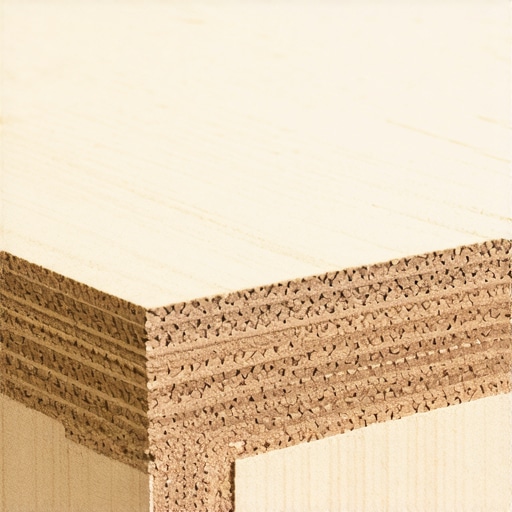
Opt for high-quality plywood or solid wood for your cabinet boxes to ensure durability and an authentic look. Hardware plays a crucial role—consider soft-close hinges and toggles that allow precise adjustments. When I upgraded my kitchen, I ordered custom-hinges compatible with inset installation, which made a big difference in achieving the perfect flush look.
Work with Experienced Craftsmen
Since inset cabinets demand millimeter precision, select a cabinetmaker or installer with a proven track record in inset or built-in cabinetry. Ask for references and review their portfolio. A hands-on approach was critical in my project; I visited their workshop, watched them set up a test cabinet, and discussed the nuances of inset hinge adjustment. This step avoided future misalignments and assured me of quality craftsmanship.
Plan Your Hardware and Accessories
Coordinate with your cabinetmaker on hardware placement—handles, pulls, or touch-latches—to maintain the clean flush appearance. I recommend using bar pulls or hidden hardware that doesn’t interrupt the sleek lines. Proper planning at this stage prevents surprises after installation and lends a custom, professional finish to your kitchens.
Prepare for the Installation Process
Ensure your space is ready—walls plumb, floors leveled, and moldings removed if necessary—to facilitate an accurate installation. Be present during installation, or assign someone knowledgeable. I once observed my installer making final adjustments, which allowed me to learn how slight misalignments could affect the overall look. Correctly installed inset cabinets will sit flush and operate smoothly, elevating your kitchen’s aesthetic.
Maintain and Adjust Over Time
After installation, periodically check the alignment and hinge adjustments. Inset doors might need tweaks as wood expands or contracts with humidity changes. Use a soft cloth and appropriate cleaners to keep the finish pristine. Simple adjustments will keep your cabinets looking sharp and ensuring lasting satisfaction.Many homeowners assume that custom cabinets, built-ins, and storage solutions are straightforward upgrades with clear benefits. However, I often see well-intentioned clients stumble because they overlook nuanced details that could make or break their remodel. Let’s dig deeper into what most people get wrong about these features and how to avoid costly mistakes.
A common myth is that selecting the most expensive materials always guarantees durability and style. While high-end wood or finishes certainly enhance longevity and aesthetics, the true measure lies in the craftsmanship and installation precision. For instance, poorly aligned doors or uneven shelving can ruin an otherwise beautiful design, regardless of the material quality. Investing in a reputable craftsperson and understanding the importance of proper installation is crucial. Check out [the ultimate guide to custom cabinets](https://artisancabinetworkz.com/the-ultimate-guide-to-custom-cabinets-for-a-stylish-kitchen-overhaul) for insights.
Another misconception is that more storage channels automatically lead to better organization. In reality, the key is thoughtful planning—designing storage that fits your unique habits rather than generic solutions. Overstuffed cabinets or mismatched pull-outs can impede accessibility and cause frustration over time. Consider consulting with experts who prioritize user-centered design, like those featured in [smart storage solutions for modern kitchens](https://artisancabinetworkz.com/innovative-storage-solutions-for-modern-kitchen-remodels).
Beware of the trap of choosing built-ins solely for style without considering their impact on space and workflow. For example, installing a built-in wine rack or corner cabinet without measuring clearance can block pathways or hinder movement during busy mornings. Advanced planning ensures these fixtures enhance, rather than hinder, your daily routine.
A sophisticated question often asked by experienced homeowners is: How does one balance aesthetics with functionality to prevent future regrets? The answer lies in integrating flexible designs—like adjustable shelves or hidden compartments—that adapt as your needs evolve. Studies show that adaptable storage increases user satisfaction and longevity of the installation. For deeper strategies, explore [creating seamless kitchen remasters with built-in storage solutions](https://artisancabinetworkz.com/creating-seamless-kitchen-remasters-with-built-in-storage-solutions).
Finally, a critical ‘oops’ to avoid is neglecting the importance of proper ventilation and moisture control in cabinetry, especially in humid environments. Ignoring this can lead to warping, mold, and costly repairs down the line. Selecting materials with appropriate treatments and consulting experts familiar with local conditions is vital. For insights on this, see [the hidden benefits of metal drawer boxes](https://artisancabinetworkz.com/the-hidden-benefit-of-using-metal-drawer-boxes-in-the-kitchen).
Have you ever fallen into this trap? Let me know in the comments. By appreciating these hidden nuances, you can ensure your custom cabinets and built-ins truly serve your home’s style and functionality, avoiding mistakes that could cost you time and money.Maintaining your custom cabinetry and built-in storage solutions ensures they stay beautiful and functional for years to come. Then, periodically inspecting hinges, hardware, and finish integrity is crucial. I recommend investing in a high-quality small adjustable wrench and a set of precision screwdrivers; these allow for easy adjustments of hinges and pulls without causing damage. A soft microfiber cloth and dedicated wood polish help preserve the finish, especially in kitchens with high humidity or cooking fumes. For more thorough cleaning, a gentle mixture of dish soap and water applied with a microfiber cloth works wonders, followed by immediate drying to prevent moisture damage. Additionally, using a line level or laser level during installation or adjustments ensures that everything remains perfectly aligned, maintaining that seamless look. Software-wise, I personally rely on project management apps like Trello to keep track of maintenance schedules, especially when managing multiple built-ins or a large kitchen remodel. This approach simplifies routine inspections and future upgrades, making maintenance less daunting. Prediction for the future suggests that integrated smart sensors will become more accessible, alerting homeowners to issues like humidity spikes or hinge wear before they become visible problems. Regular maintenance with the right tools extends the long-term durability of your cabinetry, protecting your investment and style.
How do I maintain my cabinetry and built-ins over time?
Regularly inspect hinges and hardware for looseness and signs of wear—tighten or replace components as needed. Keep finishes clean and free from dust, grease, and humidity. When adjusting hinges or soft-close pistons, a precision screwdriver set will make the process smooth and safe, preventing misalignments that can jeopardize the refined aesthetic. For larger projects, updating your maintenance checklist in a project app can help you stay on schedule, especially after seasonal humidity changes or heavy usage. Remember, the key is consistency—by adopting a systematic approach, your cabinetry can remain both stunning and functional for decades. You might also consider leveraging [innovative storage solutions for modern kitchen remodels](https://artisancabinetworkz.com/innovative-storage-solutions-for-every-room) to prolong your space’s usability and style. Try out a monthly hinge inspection with your precision tools—it’s a small step that pays off in extended beauty and performance.
What I Wish I Knew Before Going All-In on Custom Inset Cabinets
One of the biggest surprises I encountered was understanding just how critical precision is when choosing inset doors. It’s not just about aesthetics; it’s about ensuring that every millimeter aligns perfectly. Skipping detailed planning or underestimating the importance of working with experienced craftsmen can lead to misalignments that ruin the sleek, seamless look you desire.
Another lesson learned was recognizing the true value of craftsmanship over the cheapest materials. Investing in high-quality plywood and hardware pays dividends in durability and appearance—saving money and frustration down the road. Cutting corners on materials or installation might seem tempting initially but can compromise the integrity of your entire kitchen remodel.
Tools and Resources That Elevated My Remodel Experience
For anyone serious about mastering custom cabinets and storage solutions, I highly recommend tools like a laser level and a set of micro-adjustable hinges. They might seem like small investments but make a world of difference. Additionally, books like The Ultimate Guide to Custom Cabinets provided invaluable insights into design choices and installation techniques. My trusted cabinetmaker’s portfolio also became a go-to resource for understanding craftsmanship standards and inspiring ideas.
Embrace the Journey—Your Dream Space Awaits
Don’t let perfectionism hold you back—every project is a learning experience. Remember, every expertly crafted inset door or built-in adds not only beauty but also personalized functionality to your home. Take small, deliberate steps toward your vision, and trust that the end result will be worth the effort. Now is the time to turn your renovation dreams into reality—your ideal kitchen is within reach.