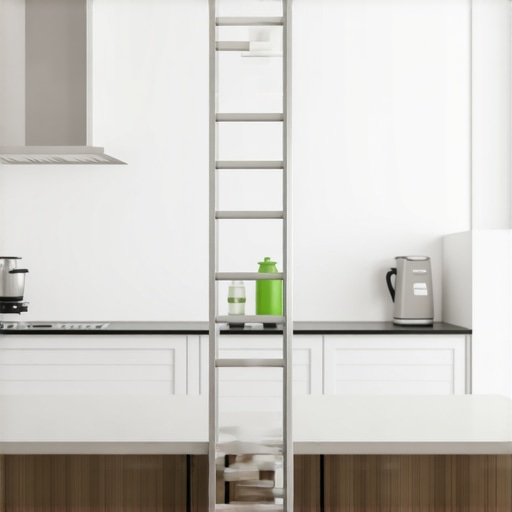
The Hidden Toekick Ladder: A Vertical Solution for High-Ceiling Kitchens
I remember the moment vividly—standing in my kitchen, hands full of groceries, only to realize I couldn’t reach the uppermost cabinet without tiptoes and a shaky step stool. That lightbulb moment revealed a frustrating truth: traditional storage solutions just don’t cut it in high-ceiling kitchens. You pile on extra cabinetry, but when it comes to accessing those top shelves, it’s a struggle every single time. It’s like playing a game where the rules change just as you’re getting good.
Why High Ceilings Demand Smarter Storage Solutions
The problem is these stunning vaulted or soaring ceilings are often underutilized because conventional cabinets can’t reach those practical heights. As a result, homeowners end up sacrificing accessibility for aesthetics or, worse, leaving valuable space unused—space that could be just a simple ladder away from becoming functional storage.
Now, here’s the thing: I’ve tried almost every trick in the book—stools, step ladders, even precarious balancing acts—before stumbling upon a game-changing idea. And trust me, you don’t have to crawl on the floor, risking a fall or a broken dish. Instead, there’s a vertical solution that keeps things safe, accessible, and even stylish.
Getting this right can be the difference between a kitchen that looks gorgeous but is impractical and one that combines beauty with seamless function. The key lies in understanding how to elevate your storage approach without compromising your space or your safety.
Are you tired of struggling to reach those high shelves? Do you wish there was a better way than stacking unstable stools or risking your neck on a step ladder? If any of that sounds familiar, then you’re in the right place. Because soon, I’ll reveal a simple, elegant solution I wish I had known about from the start.
And it’s not just about convenience; it’s about maximizing every inch of your space in a way that feels natural and effortless. An effective vertical system can transform your high-ceiling kitchen from a storage nightmare into a well-organized haven.
Before I introduce you to this clever setup, I want to share one mistake I made early on—trust me, it’s a classic trap. I thought I needed custom-built, complicated, and expensive cabinetry to solve this issue. Turns out, the best solution was much simpler, and it’s surprisingly affordable. But more on that in a moment.
So, if you’ve ever felt that your lofty ceilings are more of a frustration than a feature, stick around. We’re about to turn that challenge into one of your kitchen’s greatest assets. And if you’ve already faced this problem, tell me, what’s been your biggest obstacle? Has standing on chairs ever led to a close call? Let’s fix that the smart way.
Choosing the Right Vertical Storage System
Start by assessing your ceiling height and available wall space. Opt for adjustable shelving or custom cabinets that fit precisely. I once measured my space twice before ordering a modular system; it prevented costly mistakes. Think of your storage as a skyscraper—support must be robust at every level. Use heavy-duty wall anchors and secure brackets to resist the weight of stored items. Visit custom cabinet ideas for inspiration on tailored designs that maximize high spaces.
Installing Tall Cabinets or Built-Ins
Mark your wall with a level to outline where the cabinets will go. If your walls are uneven, use shims to create a flat surface for mounting. When installing, start from the bottom and work your way up, ensuring each section is level before proceeding. I recall balancing on a makeshift platform during installation, which was awkward but worth the effort for a flawless finish. For anchoring to metal studs, follow this guide. Use appropriate fasteners for the material—avoid standard screws that may cause cracking or loosen over time.
Designing Easy-Access Storage Options
Implement pull-out shelves, Lazy Susans, or tilt drawers to reach items stored on higher levels effortlessly. Vertical dividers in deep drawers prevent chaos, making it simple to find lids, baking sheets, or spices. I applied a pull-out spice rack in my pantry, which reduced clutter and saved me seconds each day. For even better organization, consider innovative storage solutions that utilize every inch efficiently. Installing these features requires precise measurements; double-check before drilling, to avoid damaging cabinets or walls.
Using Smart Hardware for Safety and Convenience
Look into soft-close hinges, heavy-duty slides, and support brackets designed for high loads. These upgrades prevent slamming or accidental falls, especially if children are involved. I once replaced standard hinges with a dampening system, which transformed my cabinet experience from noisy to whisper-quiet. Ensure your hardware can handle the weight of items stored at higher levels—consult product specifications or ask a specialist. Visit heavy-duty slides to see durable options. Proper installation is critical; follow manufacturer instructions carefully or hire a professional for complex setups. This investment ensures longevity and safety in your high-ceiling kitchen. By meticulously planning and executing these steps, you’ll turn previously wasted vertical space into an organized, accessible storage kingdom—making your kitchen both beautiful and incredibly functional.When planning a kitchen remodel, many homeowners believe that custom cabinets are always the best choice for maximizing space. But in my experience, this isn’t necessarily true. The biggest misconception is that custom equals perfect. In reality, poorly designed custom cabinetry can lead to wasted space and overlooked opportunities, especially if you don’t account for your unique workflow or existing structural quirks. Instead, a tailored approach combining innovative storage solutions with existing structures often yields better results. Many assume built-ins are a one-size-fits-all fix, but I’ve seen cases where off-the-shelf units with strategic modifications outperform costly bespoke pieces. What’s more, many fall into the trap of prioritizing aesthetics over function. Remember, the goal isn’t just to create a beautiful kitchen but a highly functional one. Supposedly, custom cabinets will always add value, but if they’re poorly planned, they can be a financial drain with limited payoff. A critical nuance often missed is that high-quality materials matter less than thoughtful design. Choosing durable finishes and hardware tailored to your usage ensures longevity and practicality. For example, custom cabinet ideas can serve as inspiration, but the key is aligning your design choices with your actual needs. Many overlook the importance of proper hardware, such as soft-close hinges or heavy-duty slides, which dramatically improve usability and safety. Designing storage without considering these details can turn a dream kitchen into a headache.
Are built-ins really worth the extra effort and cost for your space?
This question has a surprising answer. According to a study by the National Kitchen and Bath Association, well-executed built-ins can increase your home’s value, but only if they complement your lifestyle and existing architecture. Otherwise, they may sit unused or feel out of place. The key takeaway? Less is often more. Instead of fully custom solutions, integrating smart, space-efficient elements from stores or modifying off-the-shelf units offers flexibility and cost savings. Be cautious of the ‘custom or nothing’ mindset—sometimes, strategic planning and understanding of your space surpass expensive custom builds. This is why working with a knowledgeable designer who understands nuances like load-bearing walls, lighting, and workflow is essential. Also, avoid the trap of over-customizing—every added detail increases complexity and cost, often with diminishing returns. Remember, clever storage isn’t just about what you see but how you interact with it daily. Investing in adjustable shelves, pull-outs, and hidden compartments can unlock hidden potential in your existing cabinetry without complete replacement. Do you fall into the trap of believing custom is always better? Share your experiences in the comments.Once you’ve invested in high-quality custom cabinets and innovative storage solutions, the next crucial step is ensuring they stay functional and beautiful over time. Proper maintenance not only prolongs the lifespan of your cabinetry but also preserves the aesthetic appeal and safety of your kitchen. I rely on specific tools and methods that I personally find effective, starting with a high-grade microfiber cloth to gently dust surfaces without scratching. For deeper cleaning, I recommend using a mild, pH-balanced cleaner applied with a soft sponge, focusing on joints and hardware to prevent buildup that can cause hardware malfunction. Regularly inspecting hardware components like hinges and slides, using a precision screwdriver, helps catch issues early before they escalate into costly repairs.
How do I maintain custom cabinetry and built-ins over the years?
In my experience, investing in a quality hardware maintenance kit makes a big difference. These kits typically include lubricant for hinges and slides, replacement screws, and cleaning brushes designed for the intricacies of cabinet hardware. Applying a small amount of silicone-based lubricant to hinges and slides every six months reduces squeaking and keeps drawers gliding smoothly. For painted or finished surfaces, I’d suggest using a soft cloth with a specialized furniture polish that contains UV inhibitors—this helps prevent discoloration and chipping due to sunlight exposure. Additionally, avoid harsh abrasives that can damage delicate finishes. If you notice persistent stuck drawers or misaligned doors, a simple re-adjustment of hinges with a Torx driver followed by re-tightening can restore perfect alignment. Using these tools and maintaining a regular cleaning schedule, perhaps quarterly, keeps your setup working seamlessly. As technology advances, so do maintenance tools. Emerging smart cleaning gadgets, such as handheld ultrasonic cleaners, are poised to make fine-detail maintenance even easier, which is likely to become standard practice in future kitchen care.
There’s also a trend toward software-based maintenance alerts. Some companies now offer apps to track your hardware’s wear and alert you when to re-lubricate or replace components—think of it as a health tracker for your cabinetry. Applying these tips can make a surprisingly big difference, so I encourage you to try lubricating your hinges with a silicone spray as a quick, effective step today.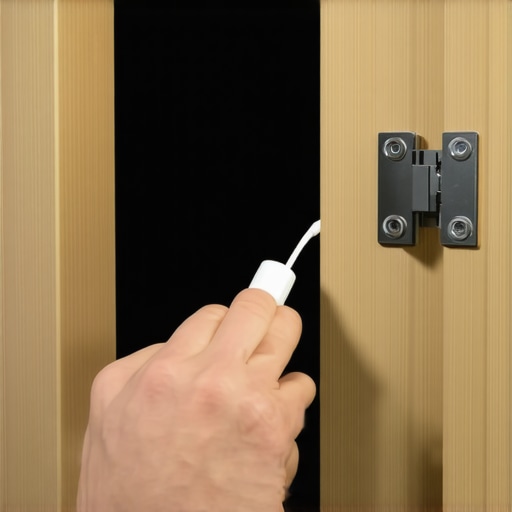
For more detailed guides on keeping your custom cabinets in top shape, visit this resource. Staying proactive with maintenance ensures your investment continues to serve you well for years to come, turning your kitchen into a truly functional and enduring space.
Reflecting on my journey with high-ceiling kitchens, I realized that the biggest lessons often come from missteps or underestimated details. Applying thoughtful design and strategic hardware choices transformed my space from a challenge into a personal masterpiece.
The Hidden Costs of Over-Designing
I once believed that custom cabinetry always meant better organization. Turns out, over-customization can lead to wasted space and unnecessary expenses—sometimes, simplicity and modularity offer better flexibility. Striking the right balance between tailored solutions and adaptable pieces prevents future headaches and keeps costs in check.
Choosing Hardware That Makes a Difference
Upgrading to soft-close hinges and heavy-duty slides was a game changer. Not only did it improve functionality, but it also added a layer of safety, especially in a busy kitchen environment. Selecting hardware designed for high loads and frequent use is an investment that pays off over time, making your space more durable and enjoyable.
Seeing Space as a Partner, Not an Obstacle
Turning high ceilings into usable storage taught me to think vertically and creatively. Incorporating pull-out shelves, tilt drawers, and hidden compartments maximized every inch of my kitchen. Approach your space as a partner in design—look beyond aesthetics and focus on how each element can serve your daily routines more effectively.
My Challenge to You
The real mastery in high-ceiling kitchen design lies in blending style with smart function. Have you discovered a unique storage idea or hardware upgrade that transformed your space? Share your experiences below—your insights could inspire others to unlock their kitchen’s full potential.