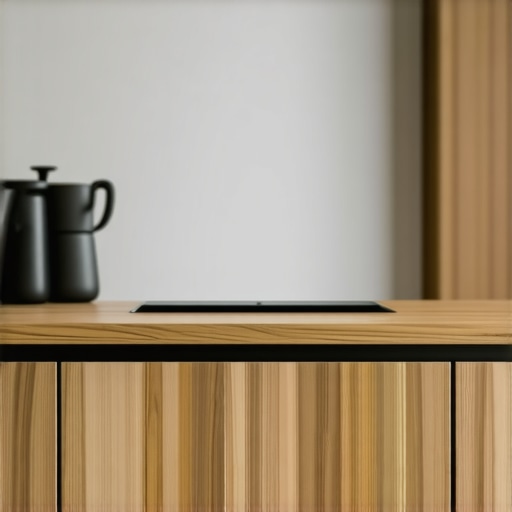
The Wood Grain Mistake That Makes Custom Cabinets Look Cheap
I vividly remember the moment I stepped into a client’s kitchen and immediately noticed the cheap-looking finish on their brand-new custom cabinets. The wrong wood grain choice had made the entire space feel less luxe and more budget-tier. It was a lightbulb moment for me—something so subtle yet so impactful, and I realized many homeowners and designers fall into this trap without even realizing it.
The Hidden Cost of Ignoring Wood Grain Choices
Choosing the right wood grain isn’t just about aesthetics—it’s about elevating your entire space and making those beautiful cabinetry pieces truly shine. Yet, so many of us overlook this detail in favor of color or hardware. Sadly, this oversight often leads to a “cheap” appearance, no matter how high-quality your cabinets are.
Are You Falling for the Wood Grain Trap?
Early in my career, I made a mistake by selecting a highly figured oak for a kitchen remodel, thinking it would add warmth and character. Instead, it overwhelmed the design, and the cabinets looked noisy and unfocused. That experience taught me a valuable lesson: the wood grain is the unsung hero or the greatest flaw, depending on how you handle it. For many, this is a point of frustration—walking that fine line between beauty and chaos.
Did you know that selecting the wrong wood grain can make even the most luxurious materials appear flimsy? According to industry experts, the grain can dramatically alter the perceived quality and style of your cabinetry (source), so making the right choice here is essential.
In this post, I’m going to share how to avoid the common pitfalls of wood grain selection, ensuring your custom cabinets look high-end rather than cheap. We’ll delve into how different grains can complement your overall design and how to pick the perfect pattern for your space—so stay tuned!
.
Match the Grain to Your Style and Space
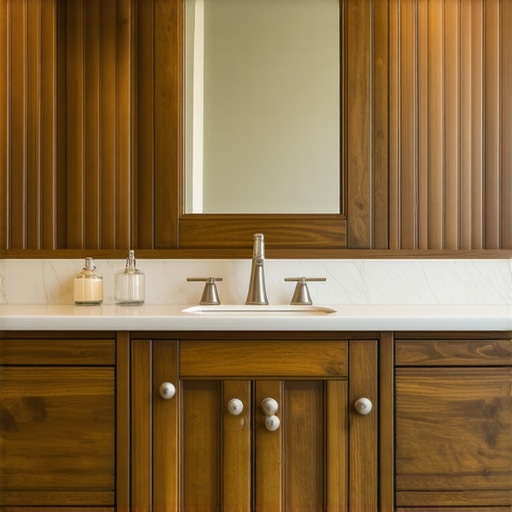
Start by assessing your overall design theme. For a sleek modern kitchen, opt for straight-grain woods like maple or birch, which provide a clean and uniform look. In contrast, traditional or rustic styles benefit from deeply figured grains such as knotty alder or hickory, adding character and warmth. When I designed a client’s cottage-style kitchen, I selected a pronounced hickory grain to complement the vintage feel, resulting in a cozy, inviting space. This step ensures your cabinets harmonize with your aesthetic, avoiding the chaotic or cheap appearance that mismatched grain patterns can produce.
Identify the Grain Patterns That Complement Your Room
When choosing between wide or narrow grains, consider room size and light. Narrow grains tend to look more refined in small or dark spaces, creating a subtle texture without overwhelming. Wide grains, while bold, can dominate and make a space feel busier. During a recent remodel, I used narrow grain cherry for cabinetry in a small city apartment, which kept the space feeling open and elegant. Avoid overly figured grains in minimalist designs—they often add noise rather than harmony. Selecting the right pattern enhances your kitchen’s personality without sacrificing coherence.
Use Samples to Visualize Your Final Look
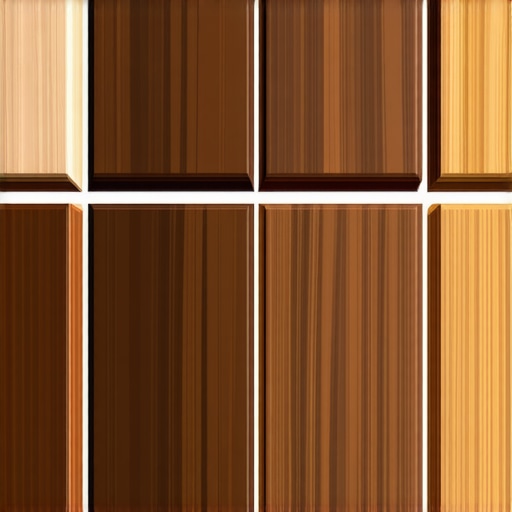
Order samples of your top choices before making a commitment. Lay them out in your space under natural and artificial lighting to see how the grain behaves. A mistake I made involved choosing a highly curly maple without testing it in the room’s lighting. The result was a shimmering, noisy cabinet finish that clashed with the calm palette. Seeing and feeling samples prevents costly mistakes, ensuring your chosen grain adds depth without chaos. This step is crucial for making confident decisions and visualizing the impact of grain patterns on your overall design.
Align Grain Patterns for a Cohesive Design
When installing multiple panels or doors, pay attention to grain direction. Consistent orientation creates a seamless look, while mismatched directions can disrupt flow and look amateurish. In a custom project, I aligned all the vertical grain patterns on cabinet doors to emphasize height, making the kitchen feel taller. For drawers, I kept grains horizontal to add stability and visual balance. Think of it like a great fabric pattern—alignment makes everything look intentional. Taking time to plan grain direction during fabrication pays off with a polished, high-end finish.
Select the Right Finish to Showcase Grain Details
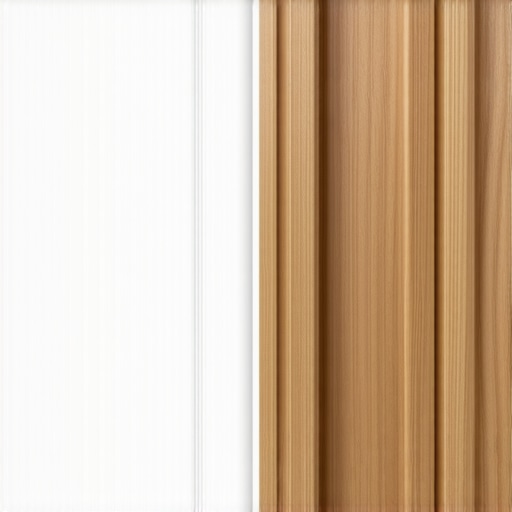
Finish choice dramatically influences how the grain is perceived. Clear or semi-transparent finishes highlight the grain’s natural beauty, ideal for figured or high-quality woods. Opaque paints obscure grain details but can offer a sleek, uniform look if desired. I once applied a tinted clear coat on a cherry island, revealing subtle but stunning grain patterns that became the focal point. Conversely, a thick matte white paint can mask grain entirely, making it appear less luxurious. Match your finish to your grain selection and desired aesthetic for maximum impact.
Balance Nature’s Detailing with Your Whole Design
Remember, wood grain is one element within the bigger picture. Use textures, color, and hardware to complement or contrast the grain effectively. For example, pairing a cabinet with a smooth matte finish and minimalist hardware creates a modern vibe that lets the grain stand out as a feature. Alternatively, combining richly figured wood with ornate moldings can evoke traditional elegance. The key is intentionality—every detail plays a role in reinforcing your vision, so plan your grain choices in concert with other design elements for a cohesive look.
When redesigning your kitchen, many homeowners cling to common beliefs about built-ins and storage solutions, but experienced designers know there’s more beneath the surface. One prevalent misconception is that bigger, more elaborate cabinets automatically translate to better functionality. In reality, oversized or overly ornate built-ins can hinder accessibility and clutter your space, defeating their purpose. Failing to tailor storage solutions to your specific lifestyle often results in wasted space and frustration. For example, installing large drawers without considering the ergonomic placement of frequently used items leads to awkward bending or reaching. Experts suggest focusing on customized solutions that maximize efficiency—smart design makes a significant difference, as highlighted in [this comprehensive guide](https://artisancabinetworkz.com/smart-storage-ideas-to-maximize-your-kitchen-space-this-year).
Another widespread myth is that high-end materials alone guarantee quality. While durable finishes and premium woods are crucial, the artistry in joinery and installation process determines longevity and appearance. Poor craftsmanship, such as misaligned doors or uneven joints, quickly undermines even the finest materials. It’s essential to work with skilled artisans who understand advanced cabinet construction techniques, as explained in [this detailed article](https://artisancabinetworkz.com/the-5-step-checklist-for-evaluating-a-custom-cabinet-shops-quality).
Ever wondered about the impact of built-ins on your home’s resale value? Many assume that investing heavily in custom cabinetry always pays off, but a nuanced approach reveals that period-appropriate styles and subtle integrations typically attract more buyers. Excessively modern or bulky storage can clash with existing architecture or personal preferences. The key lies in harmonizing your remodel with your home’s character and future potential, a strategy well covered in [this resource](https://artisancabinetworkz.com/built-ins-that-elevate-your-living-rooms-functionality).
Be cautious about the trap of underestimating lighting and accessibility. Dimly lit or poorly placed built-ins often become clutter traps, reducing usability and aesthetic appeal. Integrating layered lighting and considering user flow during the design phase significantly enhances cabinet functionality. For innovative ideas on this front, explore [this article](https://artisancabinetworkz.com/creating-seamless-kitchen-remasters-with-built-in-storage-solutions).
Let’s not forget the common mistake of neglecting future needs. Planning for evolving storage requirements, such as adding appliance garages or specialized zones, ensures your investment remains practical over time. Failing to do so might mean costly renovations down the line. For insights on future-proofing your kitchen, check [this guide](https://artisancabinetworkz.com/expert-tips-on-selecting-storage-solutions-for-a-perfect-kitchen-upgrade).
Have you ever fallen into this trap? Let me know in the comments how you plan to sidestep these hidden pitfalls in your next project. Remember, a thoughtful approach to built-ins and custom cabinetry can transform your space from functional to spectacular.
Investing in custom cabinetry and built-ins isn’t just a one-and-done decision; it requires ongoing care to ensure your kitchen remains stunning and functional over the years. The right tools and routines can keep your cabinets looking pristine while also enhancing their lifespan. Personally, I rely on a combination of quality cleaning products, proper hardware maintenance, and periodic inspections to keep everything working smoothly. Using the correct tools not only preserves the material integrity but also prevents costly repairs down the line.
How do I maintain built-ins and cabinetry over time?
First, invest in soft microfiber cloths and gentle cleaning solutions tailored for wood and laminate finishes. I recommend the Shark of microfiber polishing cloths because they remove dust and fingerprints without scratching surfaces. For deeper cleaning, a mixture of mild soap and water applied with a damp cloth works wonders—just avoid excess moisture, which can warp or damage your wood over time. Regularly inspecting hinges, slides, and hardware helps catch issues early; lubricating hinges with white lithium grease preserves smooth operation and prevents squeaks.
If you notice hardware becoming loose, my go-to is a manual screwdriver set and some thread-locking Loctite. This quick step can save a visit from a repair professional and maintain the tightness of your cabinet pulls in a jiffy. Additionally, sealing exposed wood edges periodically with a good quality finish, like a semi-transparent polyurethane, enhances durability and keeps moisture out, which is critical for longevity.
To keep your storage solutions functioning optimally, I advise checking drawer slides and hinges annually. Lubricating with silicone spray ensures effortless operation—especially for heavy or frequently used drawers. When I remodeled my own kitchen, I applied this routine to all movable parts, and it paid off in smooth, silent operation even after years of use.
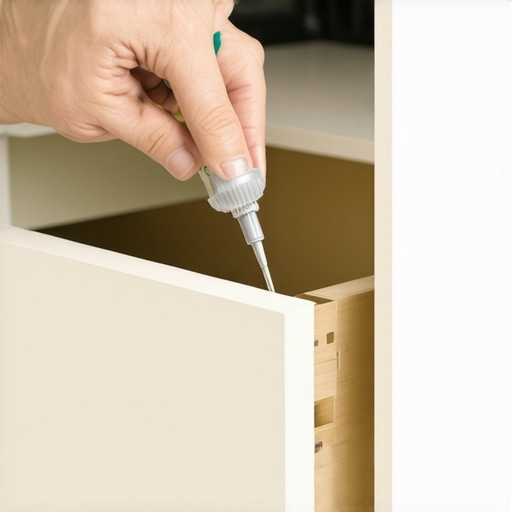
Looking ahead, I predict that smart maintenance tools will revolutionize cabinet care further. For example, digital moisture meters and remote hinge sensors could notify homeowners before small problems become costly repairs, making long-term upkeep more manageable and less disruptive. Stay ahead by integrating these thoughtful practices into your routine, and your investment will reward you with decades of beauty and utility.
What’s the best way to future-proof your cabinetry investment?
Start by choosing high-durability finishes and hardware made for long-term use. Remember, frequently cleaning and inspecting your cabinets ensures early detection of issues, saving money and frustration. Try adopting a quarterly maintenance routine using the tools and tips I’ve shared—your cabinets will thank you for it. For more in-depth guidance on optimizing storage and ensuring your kitchen remains functional, explore smart storage solutions and keep your workspace efficient for years to come.
The Hidden Truth Behind Grain Selection That Most Remodelers Overlook
One of the most valuable lessons I learned came from trial, error, and a few costly mistakes. I once believed that choosing the most figured, eye-catching wood grain would add charm and character. Instead, I ended up with busy cabinets that overwhelmed the space. The lightbulb moment? Less is often more when it comes to wood grain. Subtle, well-chosen grains provide elegance, while overly dramatic patterns can look chaotic and cheap if not handled carefully.
How Small Tweaks Here Can Save Your Kitchen Remodel
Opting for the right grain orientation and pattern is an art that can elevate your design. Honestly, I underestimated the impact of grain alignment until a client’s project showed me the power of consistency. When all grains flow in the same direction, it creates a seamless, custom feel that radiates quality. This small detail can make infinite difference, transforming standard cabinetry into something truly exceptional. Want to avoid mismatched or chaotic look? Focus on grain continuity and plan your panels accordingly.
My Personal Shortcut for Perfect Grain Visualization
Order multiple samples and view them under various lighting conditions. I learned the hard way that grain shifts and patterns can look very different once installed, especially with eye-catching figured woods. Using samples in natural light, with different finishes, helps me predict the final look accurately. This simple step prevents costly surprises and guarantees your grain choice complements your entire design—making your kitchen look truly bespoke.
Aligning the Grain to Elevate Your Space Effectively
Consistent grain direction is an underrated detail. During a recent project, I aligned all cabinet panels and doors for a sleek, modern kitchen, which created a visual flow and made the space seem larger. Conversely, mismatched grains can make cabinetry appear haphazard. Before installation, spend time planning the orientation—match grain direction with cabinet layout to achieve a polished, high-end feel. This careful planning makes your investment shine and ensures a cohesive appearance.
Why Finish Matters More Than You Might Think
The right finish can transform your wood grain from good to stunning. Clear coats highlight natural patterns, especially in high-figure woods like curly maple or hickory, revealing their full beauty. On the other hand, opaque paints or stains can hide grain entirely, so choose based on your desired aesthetic. I once applied a semi-transparent finish to a cherry island, and the subtle grain created a rich, inviting focal point. Think about how your chosen finish will showcase or mute the grain, and you’ll craft a look that’s both beautiful and durable.
Balancing Nature’s Details with Overall Design Intent
Wood grain is just one aspect of your kitchen’s personality. Pairing it with textures, hardware, and lighting creates harmony. For a modern, minimalist space, choose fine, straight grains with sleek hardware. To evoke warmth and rustic charm, richer, knotty grains work beautifully. The key is harmony—every element, including grain, should support your overall concept. When every detail works in concert, your kitchen becomes more than cabinetry; it becomes a statement of thoughtful craftsmanship.
Insider Wisdom for Lasting Elegance
- Choosing subtle grain patterns in small spaces prevents visual clutter, making kitchens appear larger and more refined.
- Consistent grain orientation across panels elevates craftsmanship—don’t overlook its power to impress.
- Sampling and lighting testing are non-negotiable steps to see how grain behaves in your space.
- Align grain direction with the shape of your cabinetry for a seamless, designer-level finish.
- The finish can make or break your wood grain’s visual impact—invest thoughtfully.
Resources That Help Me Bring It All Together
- Artisan’s Custom Cabinetry Ideas—a goldmine for design inspiration and understanding how different grains influence style.
- Smart Storage Solutions for Small Kitchens—helps optimize space while maintaining your aesthetic integrity.
- Creating Seamless Kitchen Remasters—a comprehensive guide to finishing touches that elevate your project from average to exceptional.
- Expert Tips on Selecting Storage Solutions—ensures functional beauty, blending grain choices with everyday usability.
Take Your Kitchen to the Next Level Today
Don’t underestimate the transformative power of thoughtful wood grain choices. When you combine deliberate selection, proper planning, and finishing techniques, your cabinets will look custom-made and luxurious. The joy of a well-executed grain detail is not just in its beauty but in the confidence it brings to your entire remodel. Ready to craft your dream kitchen? Remember, every small decision counts—start with the grain that speaks to your style and build from there.
Which grain pattern are you most excited to try in your kitchen remodel? Share your thoughts below—I’d love to hear your plans!