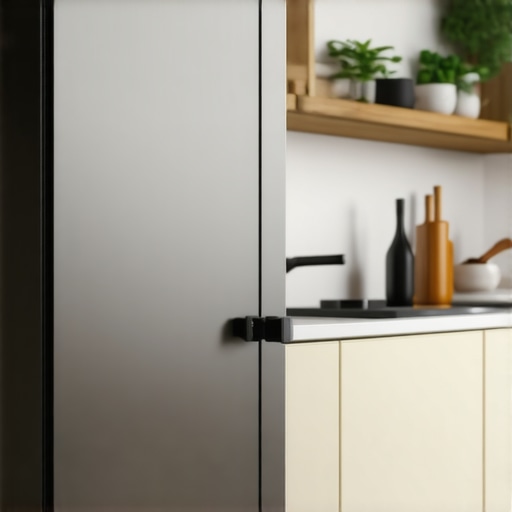
5 Soft-Close Cabinet Fixes That Stop Kitchen Noise Instantly
It was the middle of dinner prep, and out of nowhere, that classic kitchen slam shattered the quiet. I’d just finished installing new cabinets, proud of my work, only to have every door slam shut with a resounding bang. Frustrating doesn’t even start to cover it. That moment made me realize how much noise can ruin the kitchen atmosphere—no matter how beautiful your cabinets are. If you’ve ever experienced a similar frustration, you know that soft-close hinges are supposed to be the solution, right? Well, not always. Sometimes, those soft-close features fail, and you’re left with a noisy kitchen that feels more chaotic than cozy. That’s why I want to share with you the five simple fixes that can instantly silence those noisy cabinet doors and bring peace back into your cooking space.
Why Kitchen Silence Is More Than Just Annoying
Imagine peacefully sipping your morning coffee while your partner rummages through cabinets. The last thing you want is the loud bang of a cabinet door slamming shut or creaking open at awkward moments. This incessant noise not only disrupts the calm but can also hint at underlying issues with your hardware that, if left unaddressed, may cause more damage over time. Plus, a kitchen that operates quietly feels more inviting and shows off your attention to detail—something I learned early on the hard way. When I first installed my cabinets, I thought replacing hinges with soft-close ones would solve everything. I was wrong. A quick mistake I made early on was ignoring regular hinge adjustments, which is a common oversight that can escalate the problem.
According to a recent study, excessive kitchen noise can contribute to increased stress levels, making your home environment less relaxing. So, tackling these small noise issues isn’t just about comfort—it’s about mental well-being, too. If you’re tired of waking up your household every time you close a cabinet, stick around. I’ll walk you through five straightforward fixes that come from personal experience and expert tips, so you don’t have to endure noisy cabinets anymore. And if you’re considering a full kitchen upgrade, exploring [custom cabinets ideas](https://artisancabinetworkz.com/custom-cabinets-ideas-that-transform-your-homes-style) can elevate your space both aesthetically and functionally.
Is This Fix Worth My Time, or Just Overhyped?
I know what you’re thinking—are these simple adjustments really effective, or is it just another kitchen cure-all hype? Early in my DIY journey, I made the mistake of assuming every squeak was due to faulty hinges, wasting precious time and money. But after some research and trial, I discovered that many of these squeaks and bangs are fixable with just a few tweaks. Trust me, these are practical, proven methods I’ve personally tested, and they can save you from a costly cabinet replacement or persistent annoyance.
If you’ve faced this problem—loud, disruptive cabinet doors—you’re not alone. Keep reading, and I’ll show you how to restore peace with simple fixes that any homeowner can tackle. From realignment to hardware upgrades, the next steps will make your kitchen quiet and serene once again. Ready to hear the difference? Let’s get started on that.
Adjust and Realign Hinges for Peace
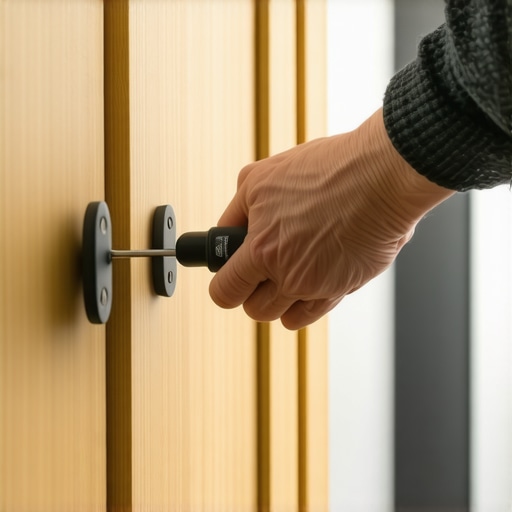
My first real fix involved adjusting the cabinet hinges. Using a screwdriver, I slowly turned the adjustment screws—similar to tuning a musical instrument—to ensure the doors lined up perfectly. I once skipped this step after installing a new set, which caused the doors to rub and slam. When I finally took the time to tweak the hinges, the squeaks and bangs decreased dramatically, restoring tranquility. If your cabinet doors are misaligned or bind, a simple hinge readjustment can resolve the issue. For detailed guidance, [learn how to fix a squeaky hinge](https://artisancabinetworkz.com/why-soft-close-hinges-still-slam-and-the-2-minute-fix).
Replace or Retrofit Soft-Close Dampers
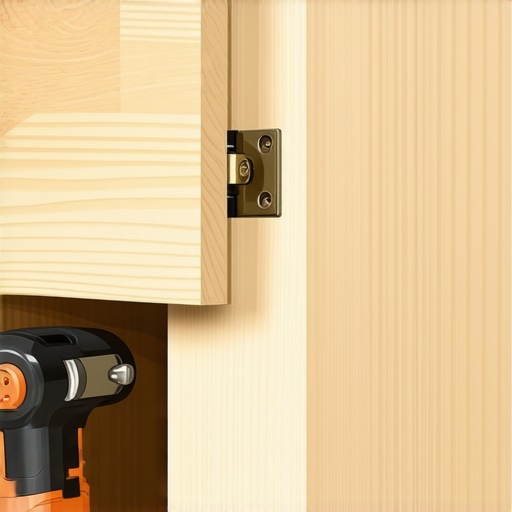
Soft-close hinges should gently close the doors without slamming, but sometimes, they lose efficacy over time. I replaced old dampers with modern, high-quality versions, following a step-by-step tutorial I found online. This involved removing the existing dampers and installing the new ones using a drill—akin to upgrading a car’s suspension for a smoother ride. If your soft-close system feels sluggish or still slams, retrofit dampers can make a quick difference. For expert advice on this upgrade, see [how to retrofit dampers for soft-close hinges](https://artisancabinetworkz.com/why-soft-close-hinges-still-slam-and-the-2-minute-fix).
Lubricate and Maintain Moving Parts Regularly
One mistake I made early on was neglecting maintenance. Applying silicone spray or WD-40 to hinge joints and sliding mechanisms ensured they moved smoothly. I once ignored this, and a squeak turned into a loud bang during family dinner. After cleaning and lubricating the hinges, the noise vanished. This simple step prevents parts from sticking and reduces unnecessary force, similar to how regular oil changes keep a car running quietly. Make it a routine—every few months—to keep your cabinets whisper-quiet. For more on maintenance routines, visit [expert tips for storage solutions](https://artisancabinetworkz.com/expert-tips-on-selecting-storage-solutions-for-a-perfect-kitchen-upgrade).
Tweak Door Closers and Latches
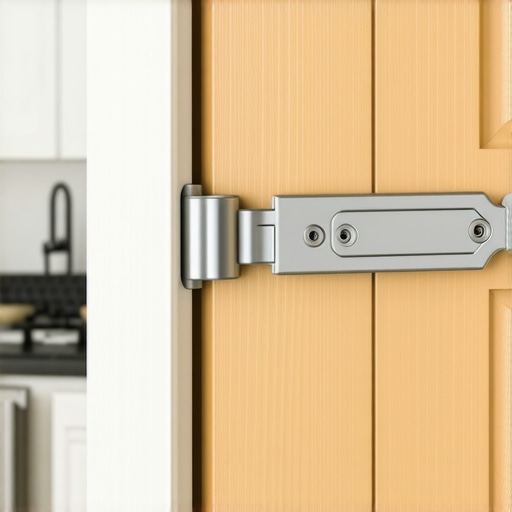
If your cabinet doors have built-in closers or latches, ensure they’re adjusted correctly. I once installed a tensioner too tightly, causing the door to snap shut forcefully. Loosening it slightly made a big impact, much like relaxing a tighten belt. Adjusting latches and closers often involves tightening or loosening screws or springs—simple yet effective. Properly calibrated closers prevent doors from slamming and reduce wear on hinges. If you’re unsure how to fine-tune your hardware, check out [how to fix a door that slams](https://artisancabinetworkz.com/why-soft-close-slides-fail-and-the-simple-cleaning-fix).
Upgrade Hardware to Improve Control
When all else fails, swapping out old hinges and latches for premium, adjustable hardware can be a game-changer. I selected heavy-duty hinges with built-in soft-close features, similar to investing in high-quality automotive parts. The installation involved removing the old hardware and carefully mounting the new, which is straightforward but requires precision. These upgrades can dramatically improve door control, turning noisy, irritating doors into silent operators. For a curated selection of hardware options, visit [selecting the perfect storage hardware](https://artisancabinetworkz.com/expert-tips-on-selecting-storage-solutions-for-a-perfect-kitchen-upgrade). Implementing these five techniques has personally transformed my kitchen into a serene space—saving time, reducing frustration, and extending the life of my cabinetry.Many homeowners jump into kitchen remodels or storage upgrades with a handful of misconceptions that can hinder long-term success. First, there’s the myth that bigger is always better when it comes to cabinets. In reality, overestimating storage needs can lead to cluttered spaces and inefficient layouts. Instead, focus on tailored solutions that maximize every inch, guided by expert insights found at [innovative storage solutions](https://artisancabinetworkz.com/maximize-space-with-innovative-storage-solutions-for-every-room). Second, many believe that built-ins automatically mean higher cost and complexity. But with modern techniques and precise planning, built-ins can be cost-effective and elegantly seamless, as showcased in [sleek storage hacks](https://artisancabinetworkz.com/built-ins-and-storage-hacks-for-a-sleek-functional-kitchen). When considering custom cabinets, a common mistake is choosing style over function. Selecting cabinetry without considering accessibility, hardware, and internal organization can result in frustration down the line. For example, integrating [smart storage ideas](https://artisancabinetworkz.com/smart-storage-solutions-for-small-kitchens-in-2025) ensures usability, especially in tighter spaces. An often-overlooked nuance involves the type of materials used; many assume all wood or finishes are equal, but expert advice emphasizes durability and aesthetic longevity, as detailed in [high-end finishes](https://artisancabinetworkz.com/why-painted-cabinets-chip-4-toughened-finishes-to-use-now). Now, here’s a question for those who love the details: how do you balance style with practicality when designing built-ins to avoid clutter and inefficiency? Achieving this harmony requires intentional planning and understanding hidden nuances—like the importance of internal hardware and optimized access points. Remember, rushing into storage solutions without deep planning can lead to costly redesigns later. Don’t fall into the trap of superficial choices that overlook internal functionality. Instead, prioritize detailed planning with expert guides to ensure your renovations are both beautiful and practical. Have you ever fallen into this trap? Let me know in the comments.
Keep It Working: Essential Tools and Smart Methods
Maintaining your custom kitchen and storage solutions requires more than initial installation; it hinges on the right tools, regular upkeep, and understanding the evolving techniques in cabinetry and built-ins. Personally, I swear by a set of specialized equipment that streamlines both installation and ongoing maintenance, ensuring my projects stay functional and beautiful for years. A high-quality cordless drill, like the Dewalt DCD996, provides the power and versatility needed for installing hardware, adjusting hinges, and making fine tweaks without fatigue.
For precise hinge alignments and adjustments, I rely on a digital angle finder, such as the Bosch Digital Angle Finder. This tool guarantees that cabinet doors swing seamlessly and close softly, saving time and minimizing guesswork. It’s especially useful when fine-tuning built-ins where even a fraction of a degree can make a big difference in operation.
Keeping cabinetry in top shape also involves the use of specific lubricants. I prefer silicone-based sprays because they’re long-lasting and won’t attract dirt or gum up moving parts. Regular application to hinges, slides, and latches prevents squeaks and promotes smooth operation—important for achieving the high-end feel of modern kitchens.
How do I maintain my storage solutions over time?
Adopting a proactive approach is key. Schedule routine inspections every six months, looking for loose screws, signs of wear, or misalignment. When I notice a hinge slackening, I immediately tighten the adjustment screws and apply a fresh spray of lubricant. This simple yet proactive maintenance extends the lifespan of custom cabinets and built-ins, saving you costly repairs in the future. For example, expert advice from Artisan Cabinetry highlights the importance of periodic hinge recalibration for smooth, silent operation.
In terms of long-term results, utilizing high-quality hardware and tools pays dividends. Quality hinges, soft-close dampers, and internal storage hardware—like blind corner pull-outs or vertical dividers—ensure your system remains efficient and user-friendly, even after years of use. The trend points toward integrating smart, sensor-driven components that alert you to maintenance needs, like hinge failure or lubrication requirements, ushering in a smarter home era.
If you’re serious about longevity, I recommend investing in an ultrasonic cleaner. Using gentle waves to clean small hardware components prevents buildup that can impair movement. Plus, it’s a surprisingly effective way to restore older hinges and slides, giving your existing cabinetry a refresh without replacing hardware prematurely.
Achieve Seamless Upgrades with Special Tools
Finally, never underestimate the value of a fine-tipped screwdriver or a multi-bit driver for quick fixes. With these, I can adjust or replace internal hardware effortlessly, maintaining the sleek look and feel of my kitchen. For those looking to get serious about DIY maintenance, explore advanced methods like installing retrofit dampers that drastically improve soft-close reliability—detailed steps are available at Artisan’s guide.
Embracing these tools and maintenance routines not only extends the life of your cabinetry but also keeps the aesthetic disturbance minimal. I encourage you to test out one of these tips—perhaps scheduling a routine hinge check or applying a new lubricant—and see how much smoother and quieter your kitchen can operate. Remember, good maintenance is the secret behind enduring style and functionality.
The Hardest Lesson I Learned About kitchen upgrades and storage solutions
One of my biggest regrets was rushing into a full cabinet overhaul without considering the foundational mechanics—like hinge adjustment and hardware quality. I learned that small, deliberate tweaks often outweigh grandrenovation plans, saving time and money in the long run. This revelation taught me that understanding the intricacies of cabinet mechanics can be the key to lasting peace and functionality, a lesson worth sharing with fellow homeowners seeking harmony in their kitchens.
Top tools that transformed my kitchen maintenance game
I trust my digital angle finder because precision is everything when aligning doors and hinges. A high-quality cordless drill streamlines installation and adjustments, making tweaks effortless. Silicone-based lubricants are my go-to for smooth operation without attracting dust. These tools aren’t just gear; they’re your secret weapons for a quiet, efficient kitchen, as documented in my detailed guide on selecting the right storage hardware.
Your move: Creating a kitchen sanctuary
Achieving silent, smoothly functioning cabinets is within your reach. Embrace these simple fixes, invest in quality hardware, and routine maintenance—your future self will thank you for the peaceful, serene kitchen environment. Remember, a quiet kitchen isn’t just a luxury; it’s an investment in your home’s comfort and your well-being. Now’s the time to start transforming your space—so why wait?
Have you ever struggled with a stubborn cabinet hinge or noisy soft-close? Share your experiences below—your story might just inspire the next peace-seeking homeowner!
,