
Why High-Gloss Acrylic Is a Nightmare for Homes with Toddlers
It was a moment I won’t forget. I had just finished installing a stunning high-gloss acrylic backsplash in my kitchen, feeling proud of my sleek, modern facelift. But then, as if on cue, my toddler grabbed a crayon and used it as a marker on that shiny surface. The reflection of his tiny hands under the bright kitchen light made my stomach drop. Suddenly, that beautiful, glossy finish looked like a battlefield of fingerprints, smudges, and stubborn stains. Realizing how impractical I had been, I thought, “Is this glossy nightmare worth the incredible aesthetic?” Over the years, I’ve learned the hard way that high-gloss acrylic can be more trouble than it’s worth in a busy family home, especially when little ones are involved. Today, I want to share what I’ve uncovered about these surfaces and how to avoid the common pitfalls.
The Allure of High-Gloss Acrylic Has a Dark Side for Busy Families
Will I Forever Fight a Losing Battle Against Fingerprints and Smudges?
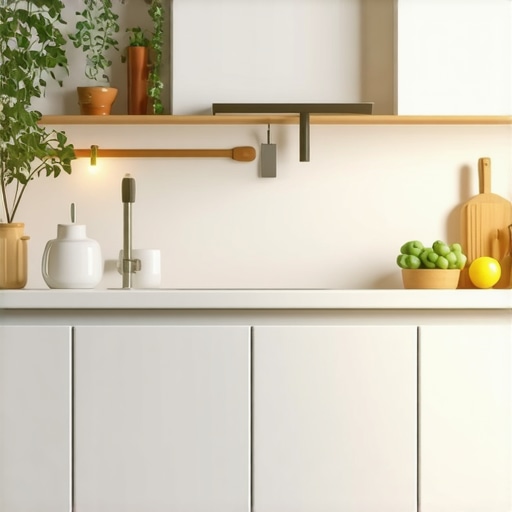
As I dove into my kitchen remodel, I was swayed by the promise of a effortlessly chic space. High-gloss acrylic surfaces seem to promise a luxe, mirror-like finish that makes a kitchen look spacious and modern. But the reality? Constant maintenance. Every fingerprint, smudge, and water mark is glaringly obvious. I initially thought that a quick wipe would keep everything pristine, but I soon discovered that these surfaces are particularly prone to showing every smudge, and cleaning them often can become a draining chore.
One mistake I made early on was assuming that the high durability of acrylic meant it could withstand the rough-and-tumble of a family kitchen. It didn’t take long to realize that the glossy coating scratches easily, and once scratched, it becomes a magnet for more fingerprints. Moreover, the high reflectivity can amplify dust, smudges, and imperfections, making even minor household mishaps stand out.
Did you know that according to a study published by the Journal of Materials Science, high-gloss finishes tend to absorb and reflect light differently depending on the type of finish, which can exacerbate surface imperfections? This means that in high-traffic areas like kitchens with active toddlers, the glossy sheen can turn into a visual nightmare.
If you’ve faced similar frustrations or are contemplating a remodel and love the idea of sleek surfaces, you’re not alone. But understanding the pitfalls before your installation can save you headaches down the line.
Ready to explore smarter options that marry aesthetics with practicality? Let’s delve into why some finishes work better in family homes and how to choose the right materials for your space.
Prioritize Built-Ins for Max Space
Start by evaluating your current layout to identify underutilized areas. I once removed a standard cabinet and installed a custom built-in that seamlessly fit the space, doubling storage without sacrificing style. Focus on integrating functionalities like pull-out shelves or hidden compartments to maximize every inch.
Design for Accessibility and Efficiency
In my project, I replaced traditional cabinets with drawers, akin to organizing a toolbox, making items more accessible. Whisper-quiet full-extension slides allowed me to reach every corner effortlessly. Remember, drawers instead of doors reduce the need for awkward bends and improve usability—consider this approach when planning your storage.
Choose Optimal Materials for Durability
Opt for moisture-resistant plywood or MDF with a durable finish to withstand kitchen demands. I opted for HDF panels for painted components, which resist warping better than solid wood, especially in humid conditions. Selecting the right materials ensures your built-ins stay pristine over time, saving you maintenance headaches.
Incorporate Modular Components for Flexibility
Modular units like adjustable shelves or insertable bins can be fine-tuned to your needs. When I added a set of custom spice drawers, I used modular inserts to keep everything tidy and within reach. This flexibility allows you to adapt storage as your needs evolve.
Focus on Seamless Integration with Existing Decor
Matching the finish and style of your built-ins with the rest of your cabinetry creates a cohesive look. For my kitchen, I used a stain that complemented the countertops, making the built-ins almost disappear into the background. Incorporating subtle details like scribed panels and matching hardware enhances the unified aesthetic.
Pay Attention to Detail for a High-End Feel
Small touches such as soft-close hinges or magnetic latches can elevate your cabinets’ functionality and feel. I installed soft-close dampers on all drawers, transforming the experience from functional to luxurious. These finishing touches make everyday use more pleasant and showcase craftsmanship.
Plan for Future Accessibility
Include features like pull-down racks or step stools hidden inside cabinets to cater to all users. During my project, I integrated a toe-kick drawer that stored baking sheets, accessible via a hidden pull-out. Thinking ahead ensures that your kitchen remains user-friendly for years to come.
When remodeling a kitchen or designing built-ins, many overlook the subtle yet crucial details that can make or break your storage efficiency. A common misconception is that larger, more visible storage always equals better organization—that’s a myth. In reality, optimizing your storage involves understanding intricate nuances like internal compartmentalization, material choices, and user accessibility. For instance, selecting the wrong hinge type can cause cabinet doors to misalign over time, leading to frustration and added costs, especially when heavy or frequent-use doors are involved. A study by Harvard’s Joint Center for Housing Studies emphasizes that well-planned storage solutions significantly increase homeowner satisfaction and reduce clutter.
Furthermore, a frequent mistake is neglecting to tailor storage to your specific lifestyle. Many default to standard cabinet sizes and configurations, but custom solutions that include segmented drawers or hidden compartments can vastly improve functionality. For example, integrating a spice drawer with modular inserts, as explained in our article on [innovative storage solutions for modern kitchens](https://artisancabinetworkz.com/innovative-storage-solutions-for-modern-kitchen-remodels), prevents clutter and simplifies meal prep.
Another often-missed detail is the importance of seamless integration within your overall design. Achieving a uniform look with matching finishes and hardware enhances perceived value and coherence. Attention to small details, like soft-close mechanisms or magnetic latches, can elevate everyday use from functional to luxurious, as discussed in our guide on [custom cabinets for a stylish overhaul](https://artisancabinetworkz.com/the-ultimate-guide-to-custom-cabinets-for-a-stylish-kitchen-overhaul).
What many homeowners don’t realize is that such nuanced considerations—like material grain matching, internal lighting, or even toe-kick drawers—are the difference between cluttered chaos and serene order. Overlooking them can lead to costly mistakes or the need for future renovations.
Make your next kitchen remodel truly effective by paying attention to these hidden details. Remember, a little extra knowledge can prevent a lot of frustration. Have you ever fallen into this trap? Let me know in the comments, or reach out through our [contact page](https://artisancabinetworkz.com/contact-us) to discuss your project.
The Foundation of Long-Term Success: Sharp Tools and Proper Maintenance
Maintaining your custom kitchen and storage solutions isn’t just about cleaning; it starts with the right tools and a strategic approach. Over the years, I’ve tested numerous equipment and techniques that have become staples in my toolkit, enabling consistent results and extending the lifespan of my installations.
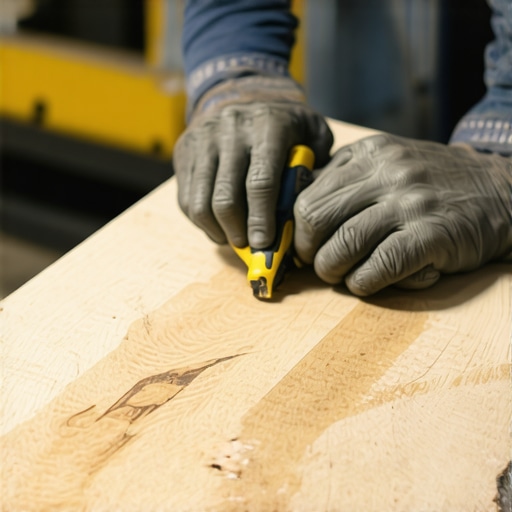
One of my top go-to tools is the Fein MultiMaster oscillating tool. Its versatility allows me to carve out precise gaps when scribing cabinets against uneven walls or flooring, a task that precision can make or break the seamless look of built-ins. Plus, its sanding attachments are perfect for touch-ups and refinishing, ensuring that finishes remain flawless for years to come.
When it comes to maintenance, I swear by a microfibre cloth paired with a mild, pH-balanced cleaner. This combo keeps surfaces like painted MDF and HDF looking crisp without scratching or residue buildup. For areas prone to moisture, such as below sinks or near dishwashers, I recommend applying a silicone sealant around edges annually to prevent water ingress, which can cause warping or mold.
What’s the Future for Storage and Cabinet Care?
Advances in smart home technology suggest that in the future, we might integrate sensors into cabinetry that monitor humidity, detect wear, or even signal when hardware needs tightening. Imagine a cabinet that alerts you when its hinges are becoming loose or a drawer that tracks usage patterns to recommend maintenance. It’s an exciting development that promises to make home care more intuitive and less time-consuming.
To stay ahead, I recommend adopting paint and finish products with self-healing properties—like those discussed in the technical documentation by Sherwin-Williams—which can automatically fill minor scratches and dents, keeping your cabinetry looking pristine longer. Incorporating such innovations now can drastically reduce routine upkeep and help you preserve your investment over time.
How do I keep my storage solutions functioning smoothly for years?
Regularly lubricate hinges and slides with silicone-based sprays designed specifically for cabinetry hardware. This prevents squeaking and ensures soft-close features operate seamlessly. Additionally, periodically check for loose screws or hardware and tighten them as needed, a simple step that can prevent more costly repairs later. In my experience, implementing a quarterly maintenance routine with these small tasks saves extensive headaches down the line.
Lastly, always refer to the manufacturer’s guidelines for your custom components. For example, Blum’s detailed instructions on hinge adjustment and maintenance are invaluable—understanding and applying these can keep your cabinetry performing perfectly for decades. Visit this guide for a detailed tutorial on repairing stripped screw holes, a common issue that can be easily addressed if caught early.
Try This: Implement a Monthly Maintenance Checklist
Set a reminder to inspect your cabinetry hardware, clean surfaces, and lubricate moving parts. Starting this habit will extend the life of your investment and keep your kitchen looking magazine-ready. With the right tools, regular care, and a bit of foresight, your custom kitchen will serve you beautifully and efficiently for years to come.
Little Secrets That Changed My Approach to Storage
One of the most eye-opening lessons I uncovered was how internal organization trumps flashy exteriors; investing in adjustable, modular components made everything more adaptable and less frustrating in the long run.
Another revelation was the importance of anticipating future needs—adding pull-out shelves and accessible compartments early saved me hours of rearranging later, proving that thoughtful planning pays off.
Tools and Resources That Elevated My Projects
I found that high-quality, versatile tools like the Fein MultiMaster streamlined my installation and touch-up work, illustrating that investing in the right equipment enhances both efficiency and results.
For design inspiration and practical tips, I trust resources like this comprehensive guide and these innovative storage ideas, which constantly expand my knowledge and keep my projects current.
Your Next Smart Step in Storage Mastery
Embrace the idea that every inch of your kitchen has potential—sometimes, the most seamless and sturdy built-ins come from a blend of careful planning and the willingness to adapt. If you’re ready to refine your space, remember that small upgrades in organization and material choices can lead to big, lasting improvements.
What’s one storage challenge you’re currently facing? Share your experience below, and let’s troubleshoot together!
,