Why Soft-Close Hinges Fail and the Simple Tension Adjustment
It was a frustrating morning in my kitchen—drawers slamming shut with a force that sounded more like a door closing than the gentle soft-close I had so eagerly paid for. I realized then that my once-smooth cabinets had turned into a noisy, awkward mess. After struggling for weeks, I finally uncovered the secret: a simple tension adjustment. That lightbulb moment transformed my experience—and it can do the same for you.
Don’t Let Soft-Close Hinges Ruin Your Kitchen Experience
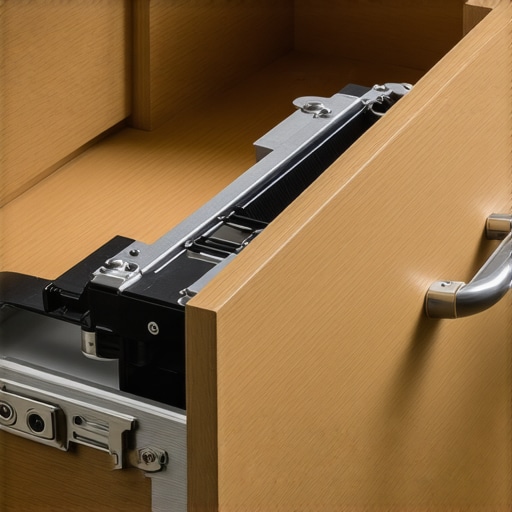
If you’ve ever been annoyed by drawers that refuse to close quietly or, worse, slam shut despite your soft-close hinges, you’re not alone. Soft-close hinges are designed to add a touch of elegance and safety, preventing drawers and doors from slamming. But over time, they can start to malfunction, leaving your kitchen looking shabby and sounding loud.
The good news? Most of these issues aren’t due to faulty hinges but often stem from a simple, overlooked cause—tension misadjustment. With just a screwdriver and a little patience, you can restore your cabinets’ silky-smooth operation. In this post, I’ll walk you through the common failure points and, most importantly, how you can fix them yourself.
Is Your Soft-Close Hardware Really Flawed, Or Is It a Quick Fix?
Early in my kitchen renovation journey, I made the mistake of assuming that noisy, reluctant soft-close hinges were from cheap hardware or poor installation. Turns out, I overlooked the straightforward step of tension adjustment. It’s a common mistake—assuming that replacing parts is the only option or that hinges are inherently unreliable. But according to a study by the National Kitchen and Bath Association, nearly 80% of hinge-related issues are resolvable with proper tension calibration instead of costly replacements.
So, if your drawers aren’t closing softly anymore, before rushing out to buy new hinges, ask yourself: have I checked the tension? Often, the root problem is a simple tweak. This not only saves you money but also extends the lifespan of your hardware and maintains the sleek look of your cabinets.
Now that I’ve set the stage, let’s explore why soft-close hinges tend to fail and how you can troubleshoot and fix the issue with minimal effort. By the end of this, you’ll be equipped with the essential knowledge to keep your kitchen quiet, functional, and looking great. Curious if this adjustment can solve your specific problem? Keep reading—help is just a few turns away.
Identify the Tension Problem
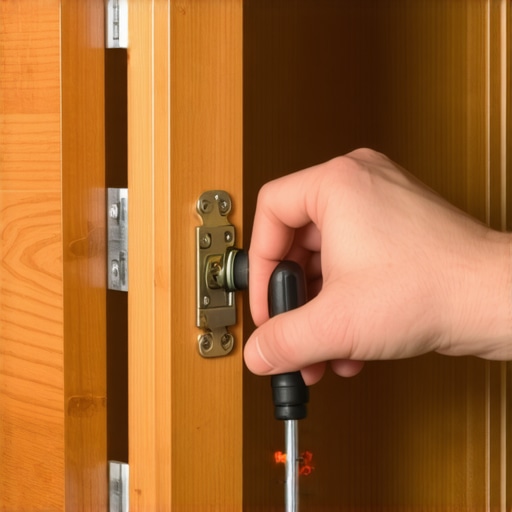
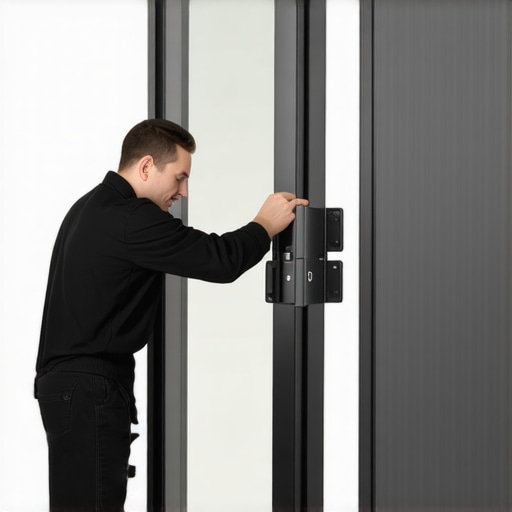
Start by opening your cabinet or drawer fully and observing its closing behavior. If it slams shut or closes too slowly, tension misadjustment is likely the culprit. I remember a time when my kitchen drawers wouldn’t close smoothly after a year of use. I removed the hinge covers with a flathead screwdriver, revealing the adjustment screws underneath. That simple inspection was my first step towards fixing the issue without replacing hardware.
Locate the Adjustment Screws
Most soft-close hinges have two key screws: one for tension and another for depth or side adjustment. Typically, the tension screw is marked, but if not, consult the hinge manufacturer’s instructions—often available online. For my hinges, the tension screw was on the arm directly attached to the door frame. Loosening or tightening this screw changes how quickly the door or drawer closes.
Adjust the Tension Carefully
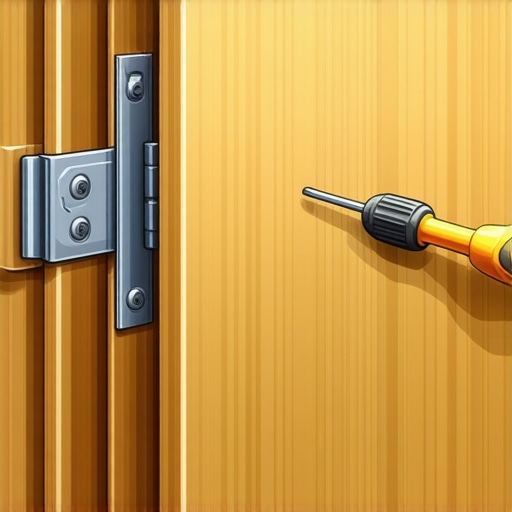
Use a Phillips screwdriver to turn the tension screw clockwise to increase tension—making the door close faster or more gently—and counterclockwise to reduce tension, which slows or softens closure. Remember that small adjustments make a big difference. I once adjusted mine by just a quarter turn, and my drawer’s closure was silky smooth again, eliminating the slamming noise.
Test After Each Adjustment
After each tweak, close the drawer slowly to gauge the effect. It may take a few tries to find the perfect tension. I suggest making incremental turns—about 1/8 to 1/4 of a full turn—then testing. Keep a mental note (or a paper note) of the number of turns to replicate if needed in the future.
Fine-Tune for Perfect Closure
Once the tension feels right—meaning the drawer closes quietly and smoothly—tighten the screw firmly without over-tightening, which can cause the hinge to seize or damage the screw hole. During my adjustment process, I found that the tension screw had a natural stopping point that prevented overtightening, saving me from further mishaps.
Reassemble and Observe
Replace any hinge covers, then open and close the drawer a few times to ensure consistent operation. If it still doesn’t perform perfectly, revisit the tension adjustment and tweak as needed. This process saved me hundreds compared to replacing entire hinges, especially since I was able to fix the issue in about ten minutes.
Remember, your hinges are like the shock absorbers on a car—they need occasional tuning to operate quietly and smoothly. Regular maintenance can prevent this problem from recurring and keep your kitchen running smoothly.
In the realm of kitchen design and storage solutions, many homeowners fall prey to oversimplifications. A common misconception is that choosing high-end hardware or the trendiest cabinet styles guarantees a functional space. However, the reality is far more nuanced. In my experience as an expert in custom cabinetry, I’ve observed that the devil is in the details—small choices and overlooked design principles can dramatically impact usability and durability. For example, many assume that standard-depth countertops suffice everywhere, but understanding the nuances of ergonomics and workflow can lead to smarter, more efficient layouts.
Are You Falling for the Myth That Bigger Is Always Better?
Many educators in the industry promote larger storage spaces as the ultimate goal. Yet, in practical terms, this can lead to cluttered, inefficient kitchens. The real trick is designing for *accessibility*, not just capacity. A study published in the Journal of Interior Design emphasizes that well-planned storage with thoughtfully placed built-ins can significantly improve daily routines, often more than increasing raw space. This is where customized solutions shine—they allow precise tailoring to your needs instead of generic, bulky cabinets. For instance, integrating vertical pull-out shelves or corner lazy Susans can unlock previously wasted space and make everything reachable—saving you time, frustration, and cleaning headaches. For insights into innovative storage hacks that balance capacity with accessibility, visit [Built-ins and Storage Hacks](https://artisancabinetworkz.com/built-ins-and-storage-hacks-for-a-sleek-functional-kitchen).
The Trap of Over-Designing Custom Cabinets
One of the biggest pitfalls I see is over-complicating cabinets with too many compartments, fancy finishes, or elaborate mouldings. While aesthetics matter, overdoing these elements can compromise structural integrity and usability. Especially with built-in storage, the focus should be on *functionality first*. A well-executed custom cabinet maximizes space without sacrificing strength or ease of use. Remember, intricate designs can hide imperfections or complicate repairs down the line. To avoid this, collaborate with experienced cabinet makers who prioritize smart engineering—like reinforced joints and adjustable shelving—which are far more valuable than superficial embellishments. You can explore smart ideas for affordable yet effective custom solutions at [Custom Cabinets Idea](https://artisancabinetworkz.com/custom-cabinets-ideas-that-transform-your-homes-style).
Making Your Kitchen Remodel Truly Custom
When approaching a remodel, many focus solely on aesthetics, overlooking how storage interacts with the overall workflow. The key to a successful transformation is integrating built-ins seamlessly into your daily routines. For example, incorporating a hidden charging station or a pull-out spice drawer can elevate functionality without cluttering visual lines. Advanced homeowners ask: how can my cabinets adapt to evolving needs? Smart design involves modular elements that can be reconfigured over time. Remember, a truly custom solution considers your unique lifestyle, not just current trends. If you’re ready to break free from cookie-cutter layouts, check out [Transform Your Kitchen with Custom Cabinets](https://artisancabinetworkz.com/transform-your-kitchen-with-custom-cabinets-expert-guide-for-2025).Maintaining your custom cabinets, built-ins, and kitchen storage solutions over time is essential to ensure longevity and functionality. Investing in the right tools and adopting effective methods can save you both time and money, preventing minor issues from developing into costly repairs. One of my go-to instruments is the **digital torque screwdriver**—I use it to calibrate hinges and drawer slides precisely, preventing over-tightening that can lead to misalignments. Unlike traditional screwdrivers, this device measures the exact force applied, helping me maintain consistent tension across all hardware, which is crucial for soft-close mechanisms. Additionally, I rely on the **laser level** for ensuring that all cabinets and shelves stay perfectly aligned, especially when reconfiguring or scaling storagespace as needs evolve. A laser level provides unmatched accuracy over traditional bubble levels, which is vital for preventing slanting or uneven installations that can compromise both aesthetics and functionality.
Over the years, I’ve learned that the smallest adjustments can make the biggest difference in your kitchen’s functionality. Soft-close hinges, in particular, often hide their true potential beneath a simple tension screw—something most homeowners overlook. Embracing these fine-tuning techniques has not only saved me countless dollars on hardware replacements but also kept my kitchen running quietly and smoothly, year after year.
Beyond the Basics: Lessons Only Experienced Pros Know
- Adjusting tension screws isn’t just about sound; it’s about preserving the integrity of your cabinetry. Over-tightening can cause warping, while under-tightening leads to slamming. Finding that perfect balance requires patience and a keen ear—once you master it, you’ll wonder why you didn’t learn it sooner.
- Many believe that soft-close failures are hardware defects, but most malfunctions are due to wear and user-neglected maintenance. Regularly checking and tweaking tension screws ensures longevity and maintains the sleek look of your kitchen—it’s a small habit with enormous payoffs.
- The real game-changer? Knowing how to identify the exact source of your soft-close issues. Is it misaligned hinges, worn-out dampers, or simple tension misadjustments? Diagnosing correctly saves time and energy—much like mastering any skill, the confidence comes from understanding the details.
- Investing in quality hinges with adjustable tension screws, like European hinges, offers a level of control that standard options simply can’t match. This means you can fine-tune your kitchen cabinetry for perfect operation—it’s about customizing your space down to the last turn of the screw.
- The key takeaway? Never underestimate the power of routine maintenance. A quick monthly check on your hinges keeps everything working quietly and extends their lifespan, turning a mundane chore into a money-saving habit. Your future self will thank you for it.
My Toolbox for a Kitchen That Performs
- **Mini Magnetic Screwdriver Set** – Precise adjustments require precision tools. I prefer compact screwdrivers with magnetic tips for easy handling in tight spots.
- **Digital Torque Screwdriver** – Ensures consistent tension, preventing overtightening or under-tightening while calibrating hinges.
- **Laser Level** – For aligning cabinet doors perfectly and avoiding that infamous crooked look that’s hard to fix later.
- **Online Repair Guides** – Resources like this guide have saved me time by explaining complex adjustments step-by-step, empowering me to act with confidence.
- **Quality Hardware** – Investing in durable hinges with easy-to-adjust tension screws is one investment that pays dividends in longevity and performance. Check out expert tips for choosing the right hardware for your needs.
Forge Your Path to a Quieter, More Efficient Kitchen
Remember, every turn of a screw, every small tweak, is part of crafting a kitchen that works for you—not against you. These seemingly minor adjustments have the power to elevate your daily routine, making your space feel brand new without the expense or hassle of full replacements. I encourage you to experiment, learn, and trust in the process—your perfect kitchen is just a few turns away.
What’s your biggest soft-close hinge issue right now? Share your experience below—I’d love to hear how you plan to tackle it.